The world of social media advertising is more crowded and complex than ever. Simply boosting a post is no longer enough to cut through the noise and achieve a meaningful return on investment. Today’s consumers are adept at scrolling past generic ads, demanding authenticity, personalization, and value in every interaction. To succeed, brands need a sophisticated playbook of social media advertising strategies designed to capture attention, build trust, and drive measurable action.
Success now hinges on a nuanced blend of authentic content, precise audience targeting, and seamless in-app experiences. It’s about moving beyond vanity metrics and focusing on tactics that directly impact the bottom line. This requires a deeper understanding of platform algorithms, consumer psychology, and the creative formats that resonate most effectively. The goal is to create campaigns that feel less like interruptions and more like welcome discoveries in a user's feed.
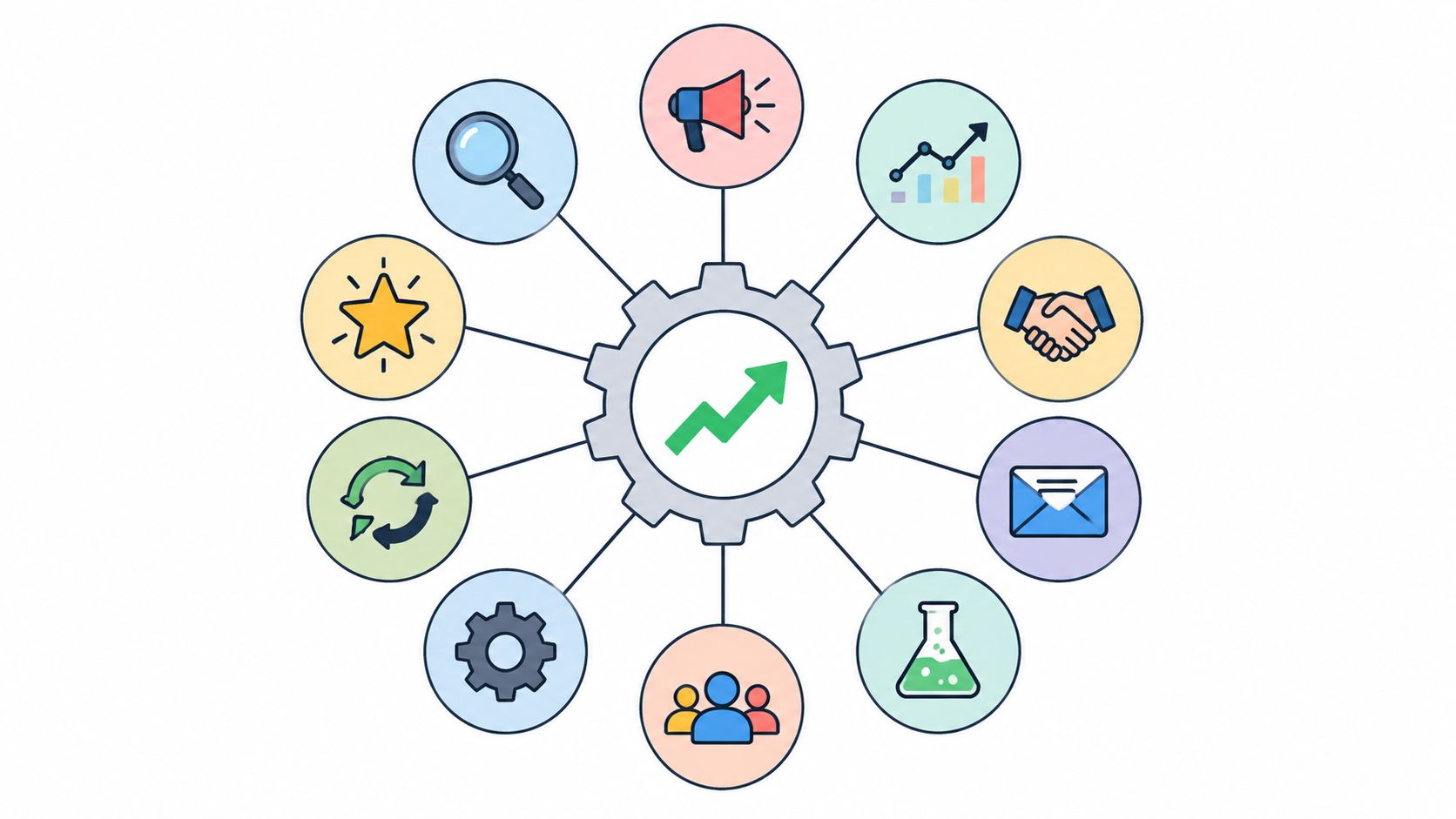
In this comprehensive guide, we move beyond the basics to break down 10 proven strategies that are delivering tangible results. From harnessing the power of user-generated content and influencer partnerships to mastering hyper-targeted micro-segmentation and video-first advertising, you will gain a clear roadmap for execution. Each strategy is detailed with actionable insights and practical examples to help you refine your approach, reduce wasted ad spend, and transform passive scrollers into loyal customers. These are the tactics that will define successful social advertising for the foreseeable future.
1. User-Generated Content (UGC) Campaigns
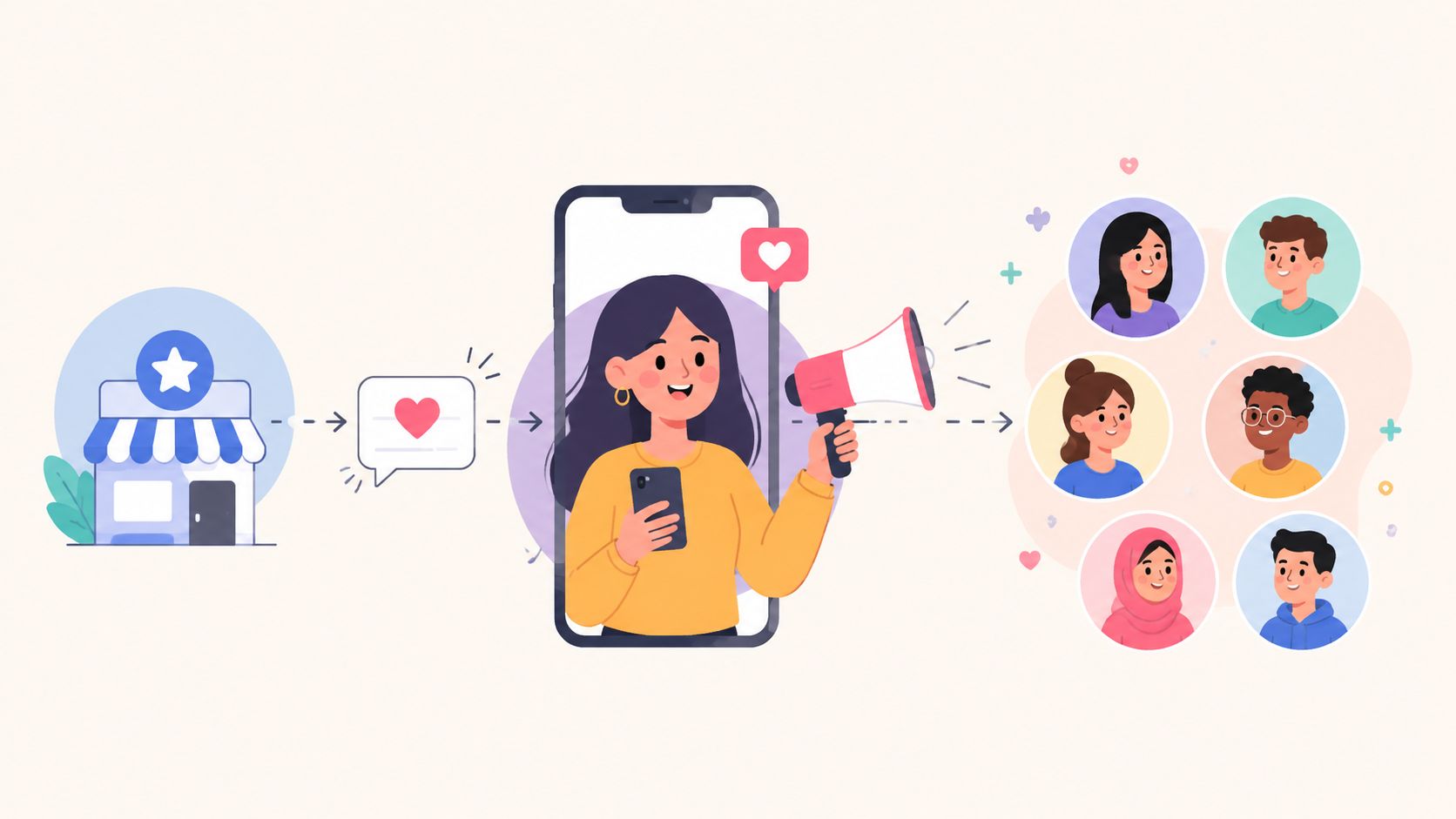
One of the most powerful social media advertising strategies involves shifting the spotlight from your brand to your audience. User-Generated Content (UGC) campaigns leverage authentic content created by customers and brand advocates, such as reviews, photos, and videos. Instead of polished brand-centric ads, this strategy transforms real customer experiences into high-impact marketing assets, building unparalleled trust and social proof.
This approach works by encouraging your audience to create and share content, often through contests or branded hashtags. Apple's renowned #ShotOniPhone campaign is a prime example, turning customer photography into stunning, worldwide advertisements. Similarly, GoPro built its brand by featuring breathtaking adventure videos submitted by its users, proving the product's capabilities in the most authentic way possible.
How to Implement a UGC Campaign
Successfully launching a UGC campaign requires a clear framework that encourages participation while protecting your brand. The goal is to make it easy and rewarding for users to contribute.
- Create a Simple Hashtag: Develop a unique, memorable, and easy-to-spell hashtag. This acts as a digital hub for all submissions.
- Set Clear Guidelines: Tell your audience exactly what kind of content you're looking for. Are you seeking photos, videos, or text testimonials? What should they feature?
- Always Get Permission: Before reposting or using any content in your ads, you must obtain explicit permission from the original creator. Using rights management tools can streamline this process.
- Recognize and Reward: Publicly feature top contributors on your social media channels. Offer prizes, discounts, or simple shout-outs to incentivize participation and show appreciation.
The following chart visualizes the significant impact UGC can have on engagement metrics and campaign participation, using data from industry studies and a notable brand example.
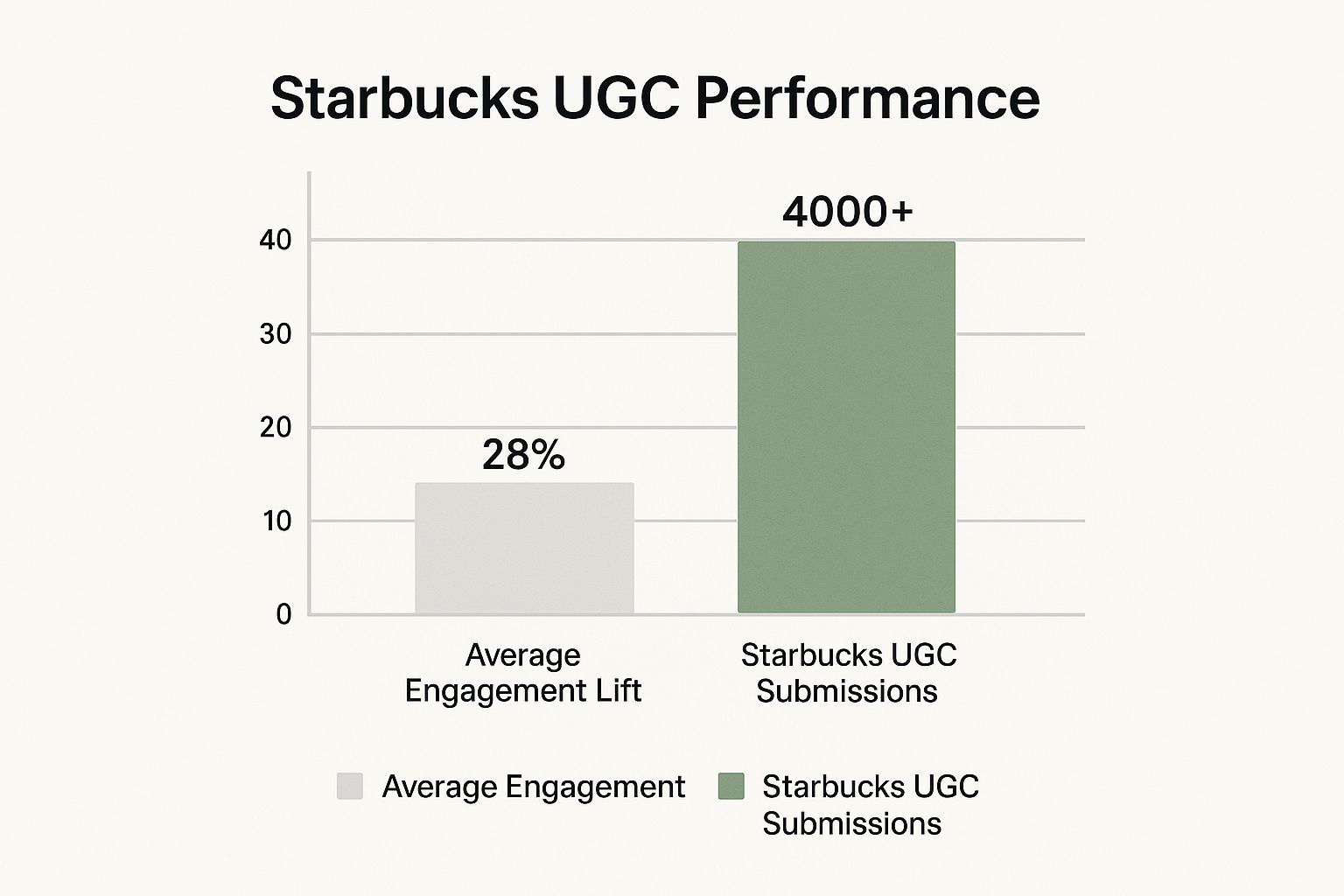
As the data shows, integrating UGC is one of the social media advertising strategies that can lead to a substantial lift in engagement and generate thousands of pieces of content, as seen with Starbucks. To explore more successful implementations, you can find a variety of User-Generated Content examples here. By placing genuine customer voices at the forefront, you create advertisements that resonate on a deeper, more personal level.
2. Influencer Partnership Marketing
One of the most effective social media advertising strategies involves collaborating with individuals who have already earned the trust of your target audience. Influencer partnership marketing is a strategy where brands partner with social media influencers, individuals with established credibility and a dedicated following in a specific niche. This goes beyond simple sponsorships to include co-created content, long-term brand ambassadorships, and authentic product integrations that leverage the influencer's unique voice and relationship with their followers.

This approach harnesses the power of trusted recommendations, which often feel more like a friend's advice than a traditional advertisement. For instance, watch brand Daniel Wellington famously leveraged micro-influencers to build a $200 million company, while Gymshark cultivated a community of fitness enthusiasts by partnering with athletes who genuinely used their apparel. Similarly, Dunkin's collaboration with TikTok star Charli D'Amelio led to a massive surge in sales, demonstrating the direct impact of a well-aligned partnership.
How to Implement Influencer Partnership Marketing
A successful influencer campaign requires careful planning, from selection to execution, to ensure authenticity and a strong return on investment. The key is to build a genuine partnership rather than a purely transactional one.
- Prioritize Engagement Over Followers: Look for influencers with a high engagement rate relative to their follower count. This indicates a highly active and loyal audience.
- Vet Authenticity Thoroughly: Use tools like HypeAuditor or Upfluence to check for fake followers and analyze audience demographics to ensure a good fit for your brand.
- Establish Clear KPIs Upfront: Define what success looks like before the campaign begins. Set clear goals for reach, clicks, conversions, or brand sentiment, and agree on all deliverables in a formal contract.
- Allow for Creative Freedom: Provide clear brand guidelines but trust the influencer to create content in their authentic style. Their audience follows them for their unique voice, and micromanaging can lead to content that feels forced and inauthentic.
- Ensure Proper FTC Disclosure: All sponsored content must be clearly disclosed to comply with FTC guidelines. Ensure the influencer uses clear hashtags like #ad or #sponsored in their posts.
By collaborating with credible voices, you can effectively integrate your brand into relevant online conversations and reach new, highly engaged audiences. For those looking to dive deeper, you can find a comprehensive guide on influencer marketing for small businesses here. This approach is one of the social media advertising strategies that truly bridges the gap between brands and consumers through trusted, relatable voices.
3. Video-First Advertising (Short-Form & Stories)
In today's fast-scrolling digital landscape, prioritizing video content has become one of the most essential social media advertising strategies. A video-first approach focuses on short-form videos (typically 15-60 seconds) and ephemeral Stories formats as the primary advertising medium. This strategy capitalizes on changing consumption patterns where dynamic, mobile-optimized content captures attention far more effectively than static images or text alone.
This approach works by delivering quick, engaging, and visually compelling messages that align with native platform behavior. For example, Chipotle’s viral TikTok challenges have generated billions of views by encouraging user participation through video. Similarly, Netflix consistently uses immersive Instagram Stories to launch new shows, creating immediate buzz. These brands understand that short-form video is not just an ad format; it's the language of modern social media.
How to Implement a Video-First Strategy
Executing a successful video-first strategy means creating content that feels native to the platform while still achieving business goals. The key is to blend creativity with strategic direction.
- Hook Viewers Immediately: Capture attention within the first 2-3 seconds. Use a strong visual, an intriguing question, or an unexpected sound to stop the scroll.
- Design for Sound-Off Viewing: Since 85% of social videos are watched without sound, always include clear, easy-to-read captions or on-screen text overlays.
- Optimize for Vertical: Create content in a vertical 9:16 aspect ratio. This format fills the entire mobile screen, providing a more immersive and professional-looking experience.
- Keep it Concise: For maximum impact and completion rates, aim to keep your primary message within the first 15 seconds. Test different lengths to see what resonates with your audience.
- Include a Clear CTA: Tell viewers what to do next. Place your call-to-action, whether it’s "Shop Now" or "Learn More," early in the video and reinforce it at the end.
For impactful visual campaigns, understanding the nuances of creating video ads that convert is crucial for turning views into tangible results. The following video breaks down how to structure compelling video ads for social media.
As platforms like TikTok, Instagram Reels, and YouTube Shorts continue to dominate user attention, a video-first mindset is no longer optional; it’s a requirement for relevant and effective advertising. To build a powerful visual presence, you can find more information about professional video production services here. By embracing this dynamic format, you can tell richer brand stories and drive significant engagement.
4. Retargeting & Lookalike Audience Campaigns
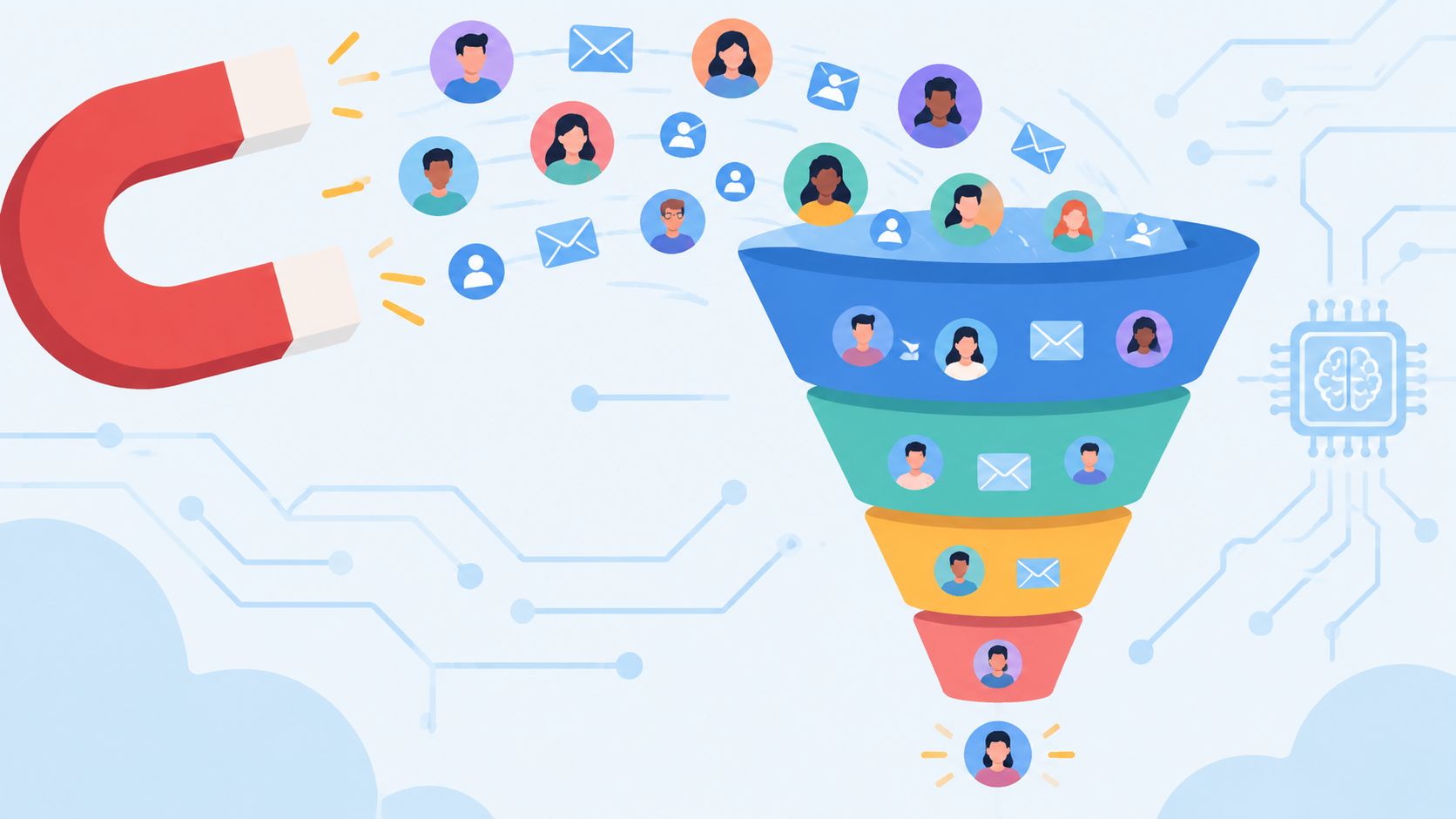
One of the most efficient social media advertising strategies involves reconnecting with past visitors and discovering new, high-potential customers. This dual approach combines retargeting, which serves ads to users who have already interacted with your brand, and lookalike audiences, which targets new users who share characteristics with your best existing customers. By leveraging platform pixels and customer data, this strategy ensures your ad spend is focused on audiences most likely to convert.
This powerful combination works by turning warm leads into conversions and systematically expanding your reach. For instance, Amazon excels at dynamic retargeting, showing you products you recently viewed as you browse Facebook. Similarly, Spotify creates lookalike audiences from its premium subscribers to find new users who are highly likely to upgrade, making their acquisition campaigns incredibly effective. These tactics move beyond broad targeting to engage users with hyper-relevant messaging based on their past behavior or proven interests.
How to Implement Retargeting & Lookalike Campaigns
Successfully deploying these campaigns requires careful audience segmentation and a commitment to data collection. The aim is to deliver personalized ad experiences that guide users toward a specific action without causing ad fatigue.
- Install Tracking Pixels Immediately: Place the Meta Pixel, TikTok Pixel, and other relevant tracking codes on your website right away. This allows you to collect audience data even before you launch your first campaign.
- Segment Your Audiences: Create distinct retargeting lists based on user behavior, such as "added to cart," "viewed specific product," or "visited pricing page." This allows for more tailored messaging.
- Build High-Quality Lookalikes: Use a source audience of your most valuable customers, like those with a high lifetime value, to create lookalike audiences. Start by testing a 1% lookalike, which is the most similar to your source, before expanding.
- Exclude Converters: To maximize your budget, always exclude recent purchasers from your retargeting campaigns. There is no need to show an ad for a product they just bought.
- Use Frequency Caps: Limit how often a single user sees your ad to prevent annoyance and banner blindness. A cap of 3 to 5 impressions per week is a good starting point.
5. Social Commerce & Shoppable Posts
One of the most seamless social media advertising strategies involves closing the gap between discovery and purchase. Social commerce integrates e-commerce functionality directly into social platforms, allowing users to buy products from shoppable posts, stories, and live events without ever leaving the app. This strategy creates a frictionless shopping experience, capitalizing on the impulse to buy the moment a customer is inspired.
This approach transforms your social media profiles into dynamic digital storefronts. Brands like Nike leverage Instagram Shopping for exclusive product drops, allowing followers to purchase new sneakers instantly. Similarly, Walmart has successfully used TikTok's live shopping events to showcase products in real-time, driving massive engagement and direct sales. By embedding the checkout process into the social experience, you eliminate barriers and significantly boost conversion rates.
How to Implement Social Commerce
Successfully launching a social commerce strategy requires optimizing your product catalog for a social-first audience and making the buying process as intuitive as possible. The goal is to make shopping feel like a natural part of the user's feed.
- Optimize Product Visuals: Use high-quality photos and videos. Showcase products with both clean, catalog-style shots and lifestyle content that shows them in a real-world context.
- Tag Products Everywhere: Consistently tag products in your posts, Stories, Reels, and even in high-performing user-generated content to create multiple purchasing opportunities.
- Host Live Shopping Events: Create urgency and interact with your audience in real-time by hosting live events. Showcase products, answer questions, and offer exclusive, time-sensitive deals.
- Write Compelling Descriptions: Keep product descriptions concise but informative. Highlight key benefits and use a tone that matches your brand's social media voice.
The chart below highlights key data points related to the growth and effectiveness of social commerce, showcasing consumer adoption and its impact on brand revenue.
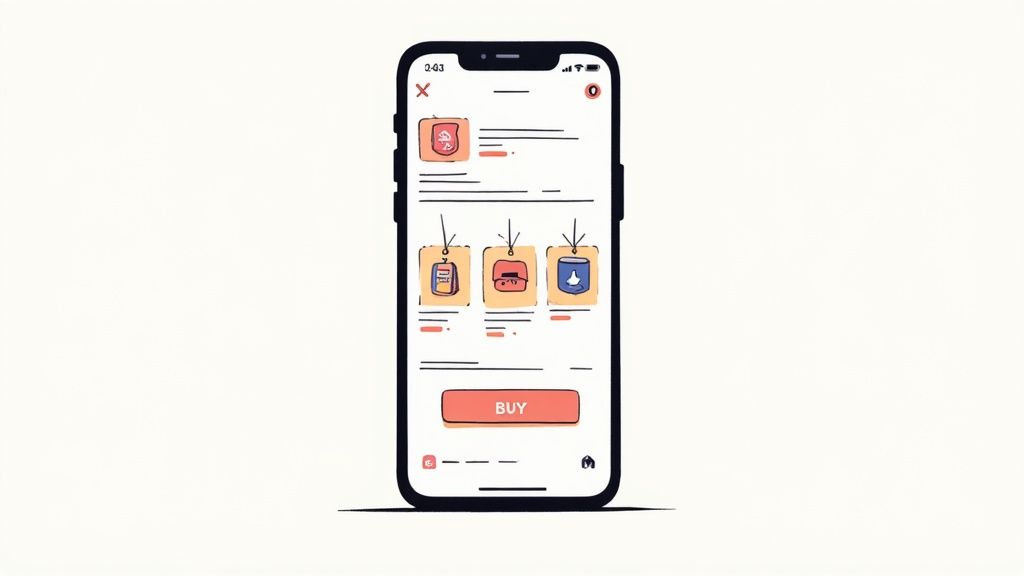
As the data shows, a significant percentage of consumers are already shopping directly on social platforms, making this an essential strategy for e-commerce brands. To effectively leverage social commerce, understanding how to utilize interactive shoppable video can transform passive viewers into active buyers. By turning your social channels into a direct point of sale, you meet customers where they are and simplify their path to conversion.
6. Hyper-Targeted Micro-Segmentation
Among the most sophisticated social media advertising strategies is hyper-targeted micro-segmentation, an approach that moves beyond broad demographics. This technique involves dividing your market into small, highly specific segments based on granular behavioral, psychographic, and contextual data. Instead of targeting "women aged 25-40," you can target "women aged 25-40 who are first-time homebuyers, follow interior design accounts, and recently engaged with content about sustainable living."
This strategy allows for the creation of intensely personalized ad messaging that resonates deeply with each niche group's unique needs and motivations. For example, LinkedIn enables B2B SaaS companies to target users by job title, company size, and industry, ensuring their ads reach key decision-makers. Similarly, Zillow can target first-time homebuyers in specific zip codes who have shown interest in mortgage calculators, delivering ads that speak directly to their stage in the buying journey.
How to Implement Hyper-Targeted Micro-Segmentation
Deploying this strategy requires a data-driven approach and a commitment to creating tailored ad experiences. The goal is to make each user feel as though the ad was created just for them.
- Layer Interests with Behaviors: Don't rely on a single targeting parameter. Combine interests (e.g., "yoga") with behaviors (e.g., "frequent online shopper") and life events (e.g., "recently moved") for a more precise audience profile.
- Build from CRM Data: Upload customer lists to create Custom Audiences. From there, build Lookalike Audiences to find new users who share the same characteristics as your most valuable existing customers.
- Use Exclusion Targeting: To maintain message integrity and avoid budget waste, use exclusion lists to prevent audience overlap. For instance, exclude existing customers from an acquisition campaign.
- Create Unique Value Propositions: Craft ad copy and creative that address the specific pain points and desires of each micro-segment. A message for a small business owner should be different from one for a corporate executive.
- Test and Adjust: Continuously test narrow versus broad targeting to find the sweet spot for performance. Monitor segment-specific metrics and adjust your bids and budgets based on which groups deliver the best return on ad spend.
This powerful method is one of the key social media advertising strategies that can significantly boost conversion rates by ensuring maximum relevance. To learn more about advanced targeting capabilities, you can explore the Meta for Business advertising guide. By speaking directly to smaller, more qualified audience segments, you can turn your ad spend into highly efficient, high-impact results.
7. Conversational & Messenger Marketing
Among the most engaging social media advertising strategies is one that turns passive ad views into active, personalized dialogues. Conversational and Messenger marketing leverages platforms like Facebook Messenger, Instagram DMs, and WhatsApp to create one-on-one interactions with prospects and customers. This strategy uses automated chatbots and live agents to guide users through their journey, answer questions, and qualify leads in a low-pressure, familiar environment.
This approach works by meeting customers where they are already spending their time: in messaging apps. Instead of a traditional landing page, users are directed into a conversation. For example, Domino's Pizza allows customers to place orders directly through Facebook Messenger, while Sephora’s Messenger bot offers personalized beauty quizzes and product recommendations. These interactions feel less like advertising and more like receiving help from a personal concierge, significantly boosting engagement and conversion rates.
How to Implement Conversational Marketing
A successful conversational marketing strategy requires a thoughtful blend of automation and human touch. The goal is to provide immediate value and make the user's experience seamless and helpful.
- Integrate with Click-to-Messenger Ads: Create ads on Facebook or Instagram that, when clicked, open a conversation in Messenger. This creates a frictionless entry point into your funnel.
- Provide Clear Quick-Reply Options: Guide the conversation by offering pre-set buttons and quick replies. This makes it easy for users to navigate and helps your chatbot understand their intent.
- Implement an 'Escape Hatch': Always provide a clear and easy way for users to connect with a human agent. This is crucial for handling complex queries and preventing frustration.
- Keep Initial Messages Short: Start conversations with concise, engaging messages (1-2 sentences) and a clear question to encourage a response and avoid overwhelming the user.
- Follow Up Gently: If a user abandons a conversation, you can use automated follow-ups to re-engage them, offering help or a gentle reminder to complete their action.
This is one of the more advanced social media advertising strategies that can transform your lead generation process. By creating interactive, two-way dialogues, you can build stronger relationships and guide customers toward conversion far more effectively than with static ads. Platforms like ManyChat have popularized this approach, providing tools to build sophisticated chat flows.
8. Employee Advocacy Programs
One of the most underutilized social media advertising strategies involves turning your most valuable asset, your employees, into powerful brand ambassadors. Employee advocacy programs empower and incentivize your team to share company news, branded content, and authentic insights on their personal social media profiles. This approach humanizes your brand and leverages the collective reach of your workforce, whose posts often feel more credible and trustworthy than those from official corporate accounts.
This strategy works by transforming your team into a distributed marketing force. IBM's massive employee advocacy program, with over 50,000 participants, demonstrates the incredible scale this can achieve, massively amplifying their content reach. Similarly, Dell created its Social Media & Community University to train employees on best practices, ensuring brand consistency while encouraging authentic participation. The result is a more genuine connection with audiences who trust recommendations from individuals over faceless corporations.
How to Implement an Employee Advocacy Program
Launching a successful employee advocacy program hinges on making it voluntary, easy, and rewarding for your team. The goal is to foster genuine enthusiasm, not mandated promotion.
- Provide Shareable Content: Create a library of pre-approved content, such as blog posts, infographics, and company news, but always encourage employees to add their own personal commentary.
- Offer Training and Guidelines: Equip your team with social media best practices and clear brand guidelines. This ensures they feel confident and represent the company appropriately.
- Recognize and Incentivize: Celebrate top contributors publicly through internal communications or on company social channels. Consider gamification with leaderboards or small rewards to encourage friendly competition.
- Track Your Impact: Use unique UTM parameters and dedicated hashtags to measure the traffic, engagement, and conversions generated from employee shares, proving the program's ROI.
By mobilizing your internal team, you activate a potent and authentic marketing channel. This is one of the social media advertising strategies that builds brand trust from the inside out, amplifying your message through the trusted voices of the people who know your company best.
9. Ephemeral Content & FOMO-Driven Campaigns
One of the most effective social media advertising strategies leverages urgency and the fear of missing out (FOMO). Ephemeral content campaigns use temporary, time-sensitive posts, like Stories on Instagram and Facebook, that disappear after 24 hours. This format creates a psychological pull, encouraging viewers to act immediately before the opportunity vanishes, making it perfect for driving instant engagement and sales.
This strategy capitalizes on the "in-the-moment" nature of social media, offering a raw, less polished glimpse into a brand. For instance, fashion retailer Fashion Nova uses Instagram Stories to announce daily flash sales, driving urgent traffic and purchases. Similarly, the NBA shares real-time game highlights and exclusive behind-the-scenes clips, compelling fans to check their Stories constantly for updates they won't find anywhere else.
How to Implement a FOMO-Driven Campaign
Launching a successful campaign with ephemeral content hinges on creating a sense of exclusivity and urgency. The goal is to make your audience feel like they are getting a special, time-limited opportunity.
- Use Interactive Stickers: Build anticipation and engagement using features like countdown timers for product launches, polls to gather instant feedback, and question stickers for Q&A sessions.
- Create Stories-Specific Content: Avoid simply repurposing feed posts. Create vertical, authentic content designed for the Stories format to feel more native and engaging.
- Analyze Completion Rates: Pay close attention to how many users watch your entire Story. Aim for a sequence of 5-7 frames and analyze drop-off points to optimize length and content flow.
- Include Clear CTAs: Place a strong call to action, such as a "Swipe Up" link or a direct instruction, on both the first and last frames of your Story to maximize the chances of conversion.
By tapping into the psychological principle of scarcity, this strategy turns passive viewing into active participation. For more insights on how brands leverage this, you can explore various Instagram Stories marketing examples. This approach is one of the key social media advertising strategies for brands looking to foster a dynamic, immediate connection with their audience.
10. Data-Driven A/B Testing & Creative Optimization
One of the most effective social media advertising strategies involves treating every campaign as a scientific experiment. Data-driven A/B testing is a systematic approach where advertisers test different versions of ad components like copy, creative, audience segments, and calls-to-action (CTAs) to identify which combination drives the best results. This method moves beyond guesswork, using empirical data to make incremental improvements that compound into significant performance gains over time.
This strategy works by isolating variables and measuring their impact on key metrics such as click-through rate, conversion rate, and cost per acquisition. For example, Airbnb continuously tests elements of its booking flow and ad creative, which has led to significant lifts in conversions. Similarly, Spotify tests various ad creatives and messaging across different demographics to optimize its premium subscription conversions, ensuring their ads resonate with each specific audience segment.
How to Implement A/B Testing & Optimization
To successfully leverage A/B testing, you need a structured process that ensures your results are statistically significant and actionable. The goal is to create a continuous feedback loop where data from one test informs the next.
- Test One Variable at a Time: To get clean data, isolate a single element for each test. For instance, test two different headlines while keeping the image, copy, and audience the same. This ensures you can attribute performance changes directly to that variable.
- Ensure a Sufficient Sample Size: Your test needs to reach a large enough audience to be statistically valid. Aim for at least 1,000 impressions or a significant number of conversions before drawing conclusions.
- Document Everything: Maintain a testing log or database to record your hypothesis, the variable being tested, the results, and the key learnings. This prevents re-testing the same ideas and builds a repository of insights.
- Prioritize High-Impact Tests: Start by testing the most influential elements first. Focus on the core offer, the audience targeting, and the primary creative concept before moving on to smaller details like button color or CTA wording.
By methodically testing and optimizing, you transform your advertising from a game of chance into a data-backed science. This is one of the foundational social media advertising strategies for achieving scalable and predictable growth. To learn more about setting up these experiments on major platforms, you can explore resources like Facebook's guide to split testing.
Social Media Advertising Strategies Comparison
| Strategy | Implementation Complexity 🔄 | Resource Requirements ⚡ | Expected Outcomes 📊 | Ideal Use Cases 💡 | Key Advantages ⭐ |
|---|---|---|---|---|---|
| User-Generated Content (UGC) Campaigns | Moderate (requires moderation, rights mgmt) | Low to Medium (scalable content, contests) | Authentic engagement, +28% average engagement lift | Brands seeking authenticity & social proof | Builds trust, cost-effective, diverse content |
| Influencer Partnership Marketing | High (vetting, relationship management) | Medium to High (payments vary by influencer) | High trust, niche targeting, avg ROI $5.78 per $1 spent | Targeted demographic reach, brand endorsement | Access to engaged audiences, credible endorsements |
| Video-First Advertising | Medium to High (production & platform optimization) | Medium to High (video production costs) | 480% higher CTR, strong retention & shares | Mobile-centric, storytelling, product demos | High engagement, favored by algorithms |
| Retargeting & Lookalike Audiences | High (pixel setup, segmentation, privacy compliance) | Medium (needs traffic/data for modeling) | 70% higher conversions, cost-efficient CPC | Warm audience targeting, abandoned carts recovery | Personalized messaging, increased ROI |
| Social Commerce & Shoppable Posts | Medium (catalog integration, platform dependency) | Medium (ongoing maintenance, platform fees) | Reduced friction, impulse purchases, seamless shopping | Direct purchases within social platforms | Increased conversions, mobile optimized |
| Hyper-Targeted Micro-Segmentation | High (complex segmentation, advanced targeting) | Medium to High (data, testing budget) | Improved relevance, higher ROI, personalized messaging | Niche, high-ticket, B2B, diverse audience segments | Precision targeting, lower CPCs |
| Conversational & Messenger Marketing | High (chatbot setup, integration, optimization) | Medium (bot management, human takeover needed) | 80%+ open rates, real-time lead qualification | Lead qualification, customer support, low-pressure | Scalable personal interaction, lower CPL |
| Employee Advocacy Programs | Medium (program management, training, incentives) | Low to Medium (content creation & platform use) | 8x engagement on shared content, authentic employer brand | B2B, employer branding, thought leadership | Expands reach, builds trust, cost-effective |
| Ephemeral Content & FOMO Campaigns | Medium (daily content, platform-specific limits) | Medium (continuous content creation) | High organic reach, urgency-driven immediate actions | Time-sensitive promos, product launches, events | Low production pressure, interactive engagement |
| Data-Driven A/B Testing & Creative Optimization | High (statistical analysis, iterative testing) | Medium to High (budget for traffic and tests) | 20-50% CTR improvement, reduced wasted ad spend | Continuous performance improvements | Removes guesswork, scalable winning formulas |
Putting Your Strategy into Action
Navigating the complex landscape of social media advertising can feel like charting a course through an ever-shifting sea. We've explored ten powerful social media advertising strategies, moving from the authentic voice of User-Generated Content to the precision of Hyper-Targeted Micro-Segmentation and the immediacy of Ephemeral Content. Each strategy represents a distinct tool in your marketing arsenal, capable of driving awareness, engagement, and conversions when wielded correctly.
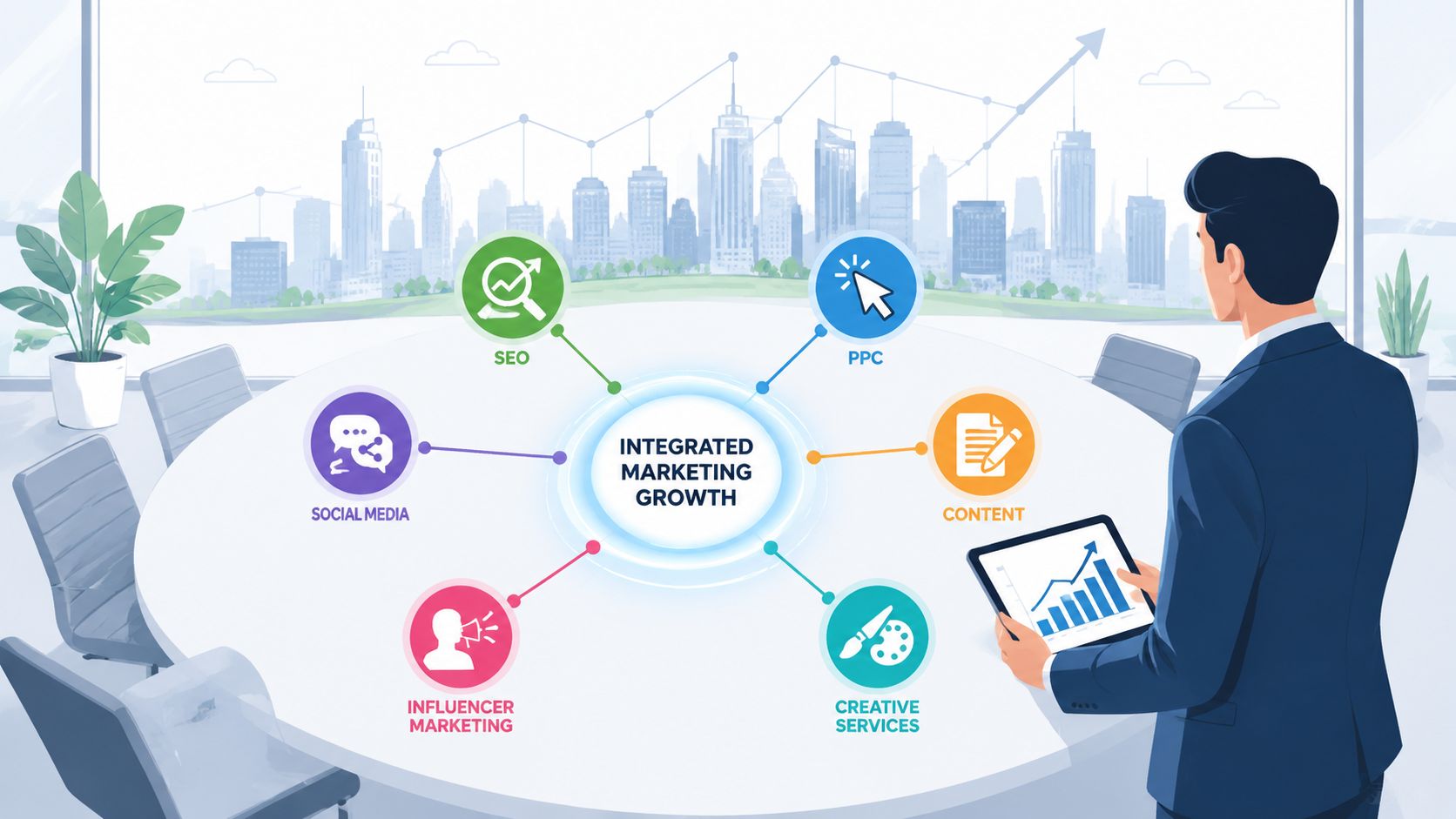
The true art, however, lies not in mastering a single tactic but in skillfully combining them into a cohesive, integrated approach. The most successful campaigns are rarely one-dimensional. They are dynamic ecosystems where different strategies support and amplify one another.
Synthesizing Your Social Media Advertising Strategies
Imagine the potential of a multi-layered campaign. You could launch an Influencer Partnership to generate high-quality, authentic video content. This content then becomes the foundation for a Video-First Advertising campaign, optimized for short-form platforms and Instagram Stories. From there, you can implement a Retargeting strategy to re-engage users who watched a certain percentage of your video, serving them Shoppable Posts that make purchasing seamless.
Simultaneously, a UGC Campaign could be running, encouraging your new customers to share their experiences, which in turn provides fresh creative for future ads. Every click, every view, and every purchase feeds back into your data pool, allowing for relentless A/B Testing and refinement. This is how a simple plan evolves into a powerful, self-sustaining growth engine. The key is to stop viewing these as isolated tactics and start seeing them as interconnected components of a larger strategic vision.
Key Takeaways for Immediate Implementation
To translate this knowledge into action, focus on these core principles:
- Authenticity is Non-Negotiable: Strategies like UGC, influencer marketing, and employee advocacy thrive because they are built on trust and authenticity. Modern consumers are adept at spotting inauthentic messaging, so prioritize genuine connection over a hard sell.
- Data is Your Compass: Do not guess what works. Use A/B testing, audience segmentation, and performance analytics to guide every decision. The data will tell you which creative resonates, which audience converts, and where to allocate your budget for maximum ROI.
- Reduce Friction at Every Step: From Conversational Marketing that answers questions instantly to one-click Shoppable Posts, your goal is to make the customer journey as effortless as possible. Every hurdle you remove is a potential conversion you gain.
- Embrace Agility and Experimentation: The digital landscape changes rapidly. A strategy that delivered exceptional results last quarter might underperform today. Cultivate a culture of continuous learning and be prepared to pivot based on performance data and emerging trends.
Mastering these social media advertising strategies is no longer just a way to gain a competitive edge; it's a fundamental requirement for sustainable growth in the digital age. By thoughtfully selecting, combining, and optimizing these approaches, you can transform your social media presence from a simple communication channel into a predictable and scalable revenue driver. The journey begins with a single, well-executed test and expands from there. Start small, validate your assumptions, and build momentum.
Ready to transform your social media advertising from guesswork to a data-driven growth machine? The experts at ReachLabs.ai specialize in creating and executing the sophisticated, multi-layered strategies discussed in this guide. Visit ReachLabs.ai to discover how our blend of advanced analytics and world-class creative can help you achieve your most ambitious marketing goals.