Growth Is a System, Not a Single Channel
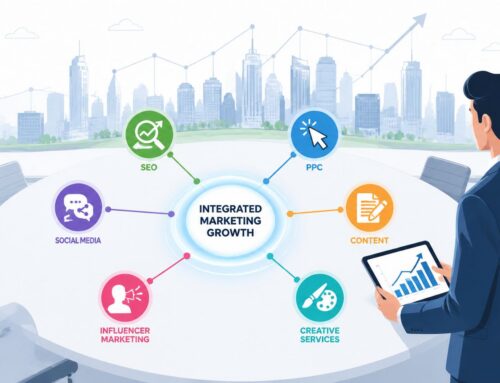
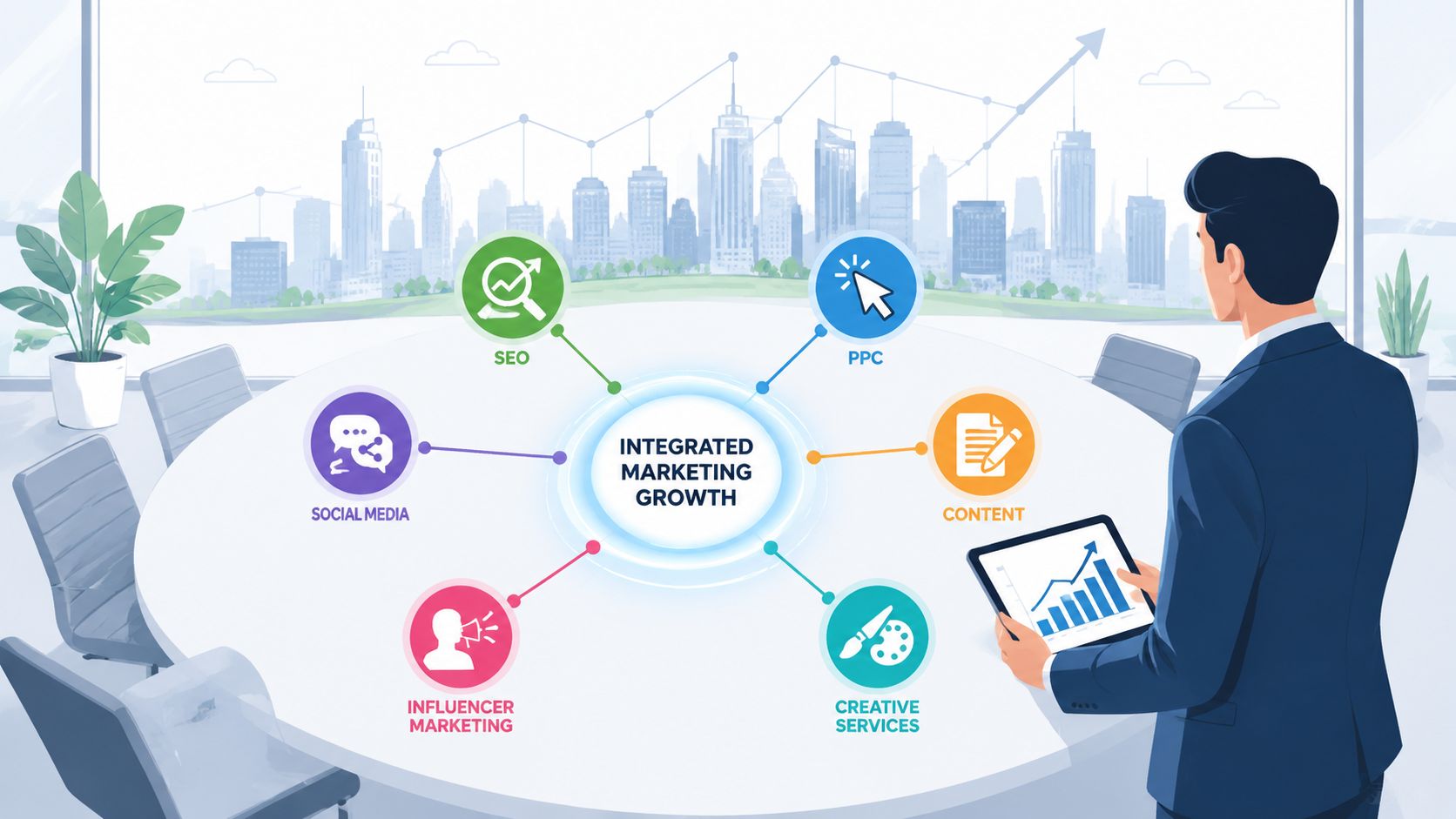
The most popular growth advice usually starts with a channel. Run paid search. Publish more content. Launch a referral program. Post on LinkedIn. Those tactics can work, but none of them creates durable growth on its own. A channel can generate attention while the product fails to activate users, the sales process loses qualified demand, or existing customers leave.
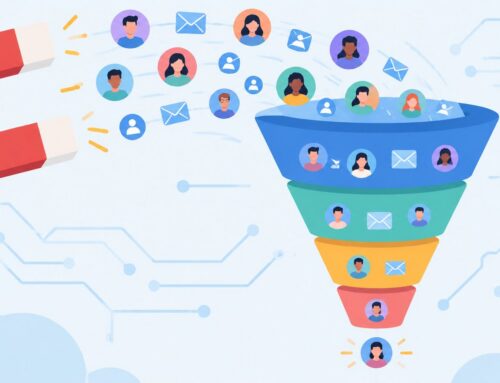
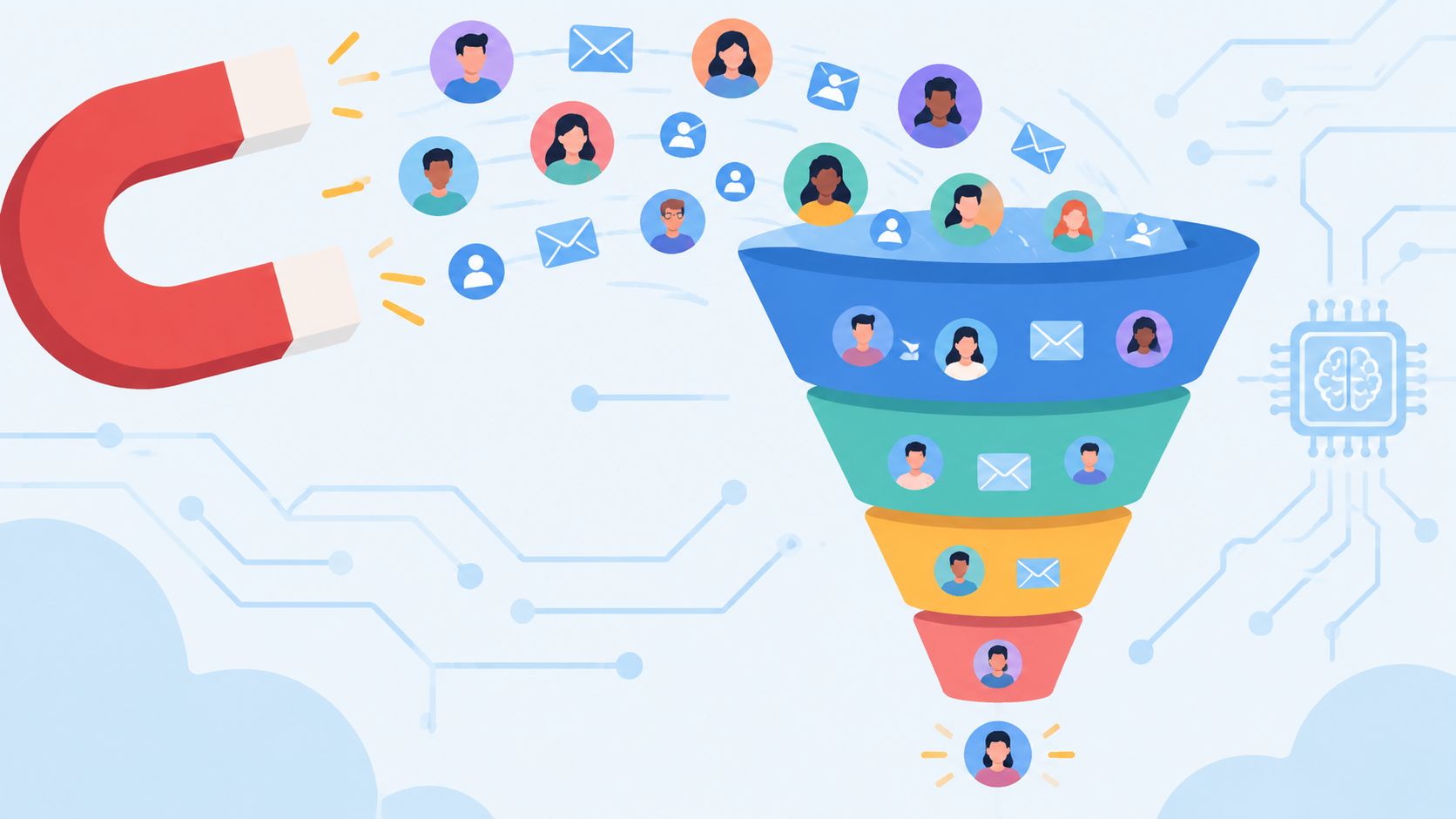
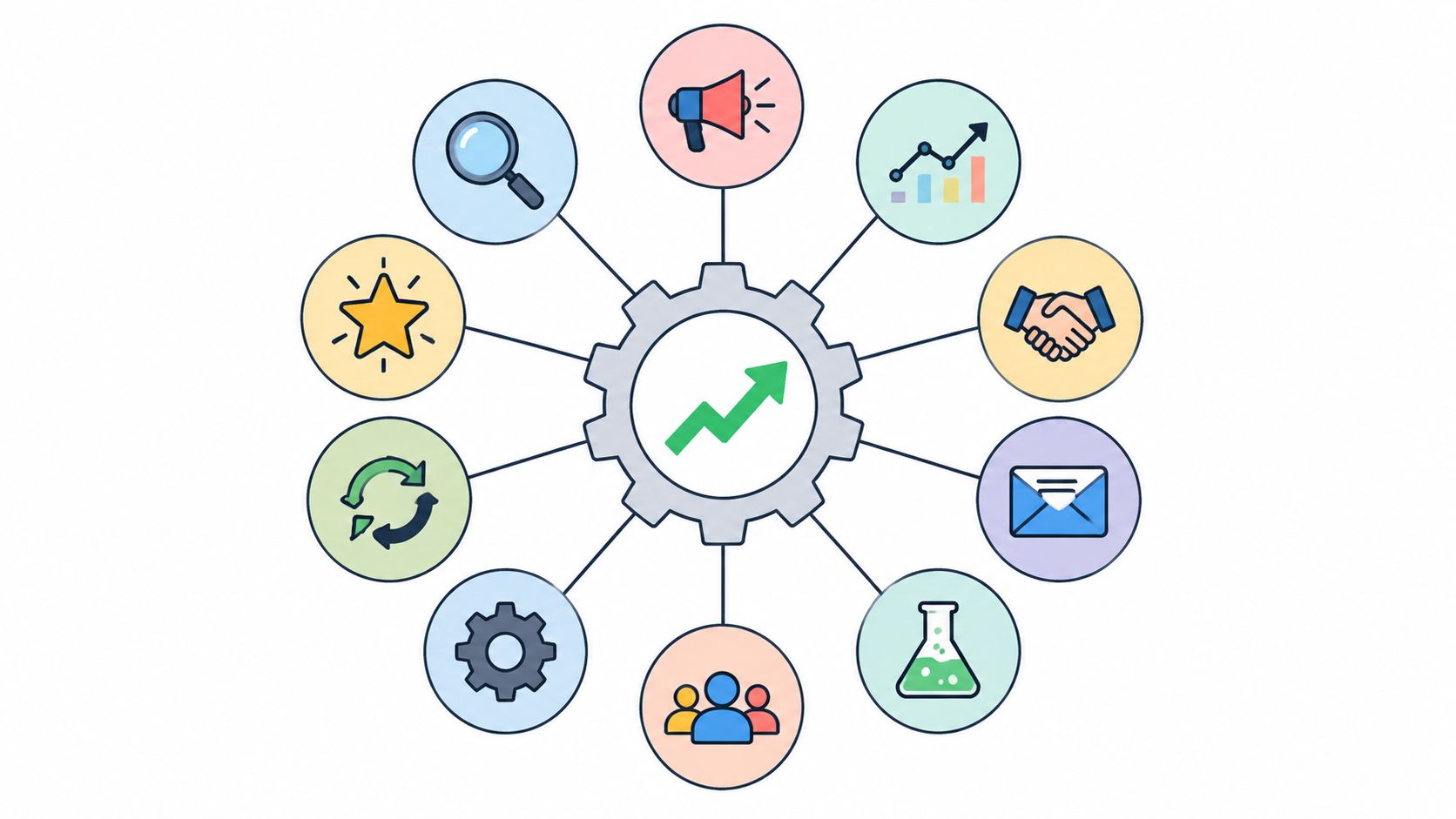
The strongest growth marketing strategies connect the full customer journey. Acquisition brings the right people into the funnel. Activation helps them experience value. Conversion turns intent into revenue. Retention protects the investment. Advocacy encourages customers to influence others, while expansion increases the value of relationships already established.
That systems view also explains why content marketing remains important. Benchmarking cited by Marketful's B2B content marketing analysis has associated content marketing with about 3× more leads per dollar than traditional outbound marketing and 62% lower cost. The same source notes that positive ROI is often treated as a 6–8 month horizon, which makes patience and measurement part of the strategy, not optional extras.
The ten approaches below are organized around the growth system they strengthen. Each one includes a launch sequence, metrics to monitor, a practical use case, and a prioritization cue. Choose based on your product maturity, audience, available data, and execution capacity. Don't launch all ten because a list told you to. Fix the weakest stage first.
1. Viral Loop Marketing and Referral Programs
A referral loop earns attention only after the product has earned trust. Discounts rarely create that trust by themselves. Customers share when the invitation helps both sides, such as enabling a colleague to collaborate, giving a friend access to a useful service, or adding meaningful product value.
Digital services and SaaS products often support this motion because the referral action can sit inside normal usage. A team member invites another user, that user completes a meaningful action, and the original customer receives a relevant reward. The loop should follow a successful product moment rather than operate as a separate advertising campaign.

Launch sequence and measurement
Find the point when a satisfied customer is most likely to recommend the product. Place the referral prompt immediately afterward, then reduce sharing to a link, email invitation, or in-product invite. Reward both people when the economics allow it, and connect the reward to product value rather than offering an unrelated incentive.
Measure the loop through acquisition, activation, conversion, and retention:
- Invitation rate: Track how often eligible customers send an invitation.
- Acceptance rate: Measure how many invited prospects create an account or start a purchase.
- Activation rate: Check whether referred users reach the same meaningful value milestone as other users.
- Referral contribution: Compare referred customers with other acquisition sources on conversion and retention.
- Viral coefficient: Use the number of successful new users generated by each existing user as an operating metric.
Use ReachLabs.ai's explanation of how referrals work to clarify the mechanics before setting rules, rewards, and attribution. Prioritize this strategy when customers already share work, outcomes, or access with peers. If retention is weak or users have not reached clear value, improve activation first. A referral engine aimed at poorly prepared users will amplify churn instead of durable growth.
2. Content Marketing and SEO Optimization
Content can strengthen several parts of the growth system, but it should not be treated as a universal acquisition shortcut. It brings in people researching a problem, supports evaluation, answers objections, and gives sales teams material for follow-up. For SMEs entering major markets, that range can make content a practical way to build demand with limited distribution spend.
The trade-off is time. Search visibility and qualified pipeline usually develop after consistent publishing, not after a few articles. Broad topics also create activity without demand if they are disconnected from customer intent.
Start with customer interviews, sales-call notes, support questions, and search behavior. Use these inputs to identify specific, high-intent queries, then organize them into a focused topic cluster. ReachLabs.ai's keyword research guidance can help structure the discovery process.
Build one authoritative page around the central problem. Add supporting articles for narrower questions, link them to the main resource, and include product examples, comparison criteria, original viewpoints, and clear next steps. Repurpose the strongest pieces into email, video, social posts, and sales enablement assets. For location-based demand, a MapLeads local SEO strategy offers a more focused execution path.
Track the system by funnel stage:
- Acquisition: Monitor organic impressions, clicks, and qualified organic sessions to distinguish relevant visibility from casual traffic.
- Activation: Measure whether visitors engage with the next useful resource, tool, signup, or consultation step.
- Conversion: Attribute contacts, opportunities, and sales influenced by content where the data supports it.
- Retention and advocacy: Watch whether educational content supports onboarding, product use, customer education, or referrals.
- Expansion: Identify content that contributes to upgrades, additional use cases, or broader account adoption.
Prioritize this strategy when customers actively search for problems your team can explain with credible expertise and when editorial quality can be maintained. If the funnel needs immediate volume, test paid distribution alongside content rather than waiting for organic traffic alone. Do not publish AI-generated volume without human review. More output cannot compensate for weak expertise, poor differentiation, or low trust.
3. Influencer Marketing and Ambassador Programs
The right creator can shorten the path from acquisition to conversion because the audience already trusts their judgment. A smaller creator with a close relationship to a defined audience may outperform a large account whose followers do not match your buyer profile. The channel works when the creator understands the problem your product solves and can demonstrate its value in a credible voice.
Start by checking audience fit. Review comments, recurring questions, content quality, geographic relevance, and signs that followers act on recommendations. Ask creators to show the product in a real use case instead of repeating a polished brand script. Keep room for creative control, since audiences quickly notice partnerships that sound copied from an ad brief.
Launch sequence and measurement
Build a partner shortlist and score each candidate for audience relevance, engagement quality, brand safety, and content capability. Run a defined pilot with one offer, one landing page, and one tracking method. Unique links, promo codes, and post-purchase questions can provide useful signals, but none gives complete attribution alone.
For longer-term ambassador programs, set a shared publishing rhythm and offer early access, product education, or community status. Cash incentives can support participation, but advocates also create product feedback and strengthen retention and advocacy.
Track:
- Qualified reach: Estimate how closely the audience matches the intended customer segment.
- Engagement quality: Review comments and saves, not only visible reactions.
- Traffic and assisted demand: Measure visits, branded search behavior, and return sessions.
- Conversions by creator: Compare tracked outcomes and the downstream quality of acquired customers.
- Retention of referred customers: Check whether each partnership attracts durable demand.
- Expansion signals: Watch for repeat purchases, upgrades, or broader account use where the business model supports them.
Prioritize this strategy when trust and demonstration influence buying decisions, especially in consumer, lifestyle, creator, and specialist B2B categories. Test it later if the offer is unclear or the landing experience cannot convert interest. ReachLabs.ai provides influencer marketing strategy and execution, including micro-influencer and partnership programs, for teams that need operational support behind the channel.
4. Product-Led Growth
Product-led growth places the product at the center of acquisition, activation, retention, and expansion. Users reach a useful outcome through the product itself, giving them evidence before a sales conversation. The model fits tools with a short path to value, self-serve access, collaborative use, or a clear free-to-paid progression.
A free plan alone does not create PLG. If onboarding leaves users uncertain, accounts remain inactive and revenue stays limited. The product needs a defined first success, guidance toward that action, timely exposure to paid capabilities, and sharing or collaboration features that support the business model.
Start by mapping sign-up to the behavior that predicts continued use. Remove fields that delay entry, tailor the starting path to the user's role or use case, and use a checklist or guided flow to shorten time to value. Set limits around meaningful upgrade triggers, such as collaboration or usage volume, rather than arbitrary restrictions.
A project-management tool can introduce team permissions when a user starts collaborating. A scheduling product can present routing or integrations when basic booking no longer meets the need. These prompts work best when they appear at the moment of a recognized problem, not immediately after registration.
Launch sequence and measurement
- Define the activation event and instrument the first-use journey.
- Fix onboarding friction before adding more acquisition.
- Add contextual prompts for paid features.
- Compare conversion and retention across activation paths.
- Review usage data before expanding the free experience.
Track:
- Activation rate: Count a meaningful product outcome, not account creation.
- Time to value: Measure the time from sign-up to that outcome.
- Feature adoption: Find actions associated with continued usage.
- Free-to-paid conversion: Compare results by use case and activation path.
- Expansion behavior: Monitor upgrades, additional seats, or broader usage.
Prioritize PLG when users can understand value without extensive consultation and product activity creates reliable behavioral data. For products requiring security reviews, implementation, or organizational change before value appears, use product-led experiences to support sales rather than replace it. The embedded video provides another way to explain the product experience.
5. Data-Driven Performance Marketing and Testing
Testing is the operating system for growth marketing. It replaces opinions about pages, messages, audiences, and offers with decisions based on observed behavior. The process needs three controls: a specific hypothesis, one primary success metric, and enough dependable data to interpret the outcome.
Choose the bottleneck with the clearest business impact. A busy landing page with weak conversion usually offers a better test opportunity than a low-volume page whose result will remain unclear. Change one meaningful variable when you need to isolate causation. Test interactions only after tracking and sample quality can support the added complexity.
Start by capturing the current experience. Log the audience, traffic source, offer, conversion event, hypothesis, launch date, and decision rule. Store results in one experiment log, including failed ideas, so the team can distinguish durable improvement from temporary fluctuation.
For landing pages, test the promise, evidence, form friction, call to action, and information order. ReachLabs.ai's landing-page testing resource offers a practical way to structure these experiments around conversion behavior instead of visual preference.
Use one primary metric and several guardrails:
- Primary conversion rate: Measure the outcome tied to business value.
- Qualified conversion rate: Check whether lead quality changes with volume.
- Cost per qualified outcome: Connect results to media and campaign spend.
- Downstream conversion: Follow leads into opportunities or revenue.
- Retention by experiment cohort: Confirm that a short-term lift does not bring in weaker customers.
Prioritize this system when traffic is sufficient for comparison, the funnel has a visible bottleneck, and the team can act on results. For low-volume businesses, begin with message or offer research and larger directional changes rather than frequent page variants.
Tool access does not guarantee testing maturity. A 2024 Dotdigital benchmark report found that 69% of marketing professionals said their existing automation delivers at least some success, while only 28% rated their automation strategy best-in-class. The gap points to a practical constraint: teams often need cleaner workflows and reliable triggers before adding more experiments.
6. LinkedIn and B2B Outreach Marketing
LinkedIn should function as a focused account-research channel, not a high-volume message queue. Start with a defined buyer group, then connect public content, account research, and private outreach around the same problem. This strengthens acquisition and activation for B2B services, enterprise software, and specialist consulting, while also supporting personal branding when public posts reinforce private conversations.
Use a simple launch sequence:
- Choose an audience by role, company context, and current problem.
- Rewrite the sender's profile around the people they help and the outcome they support.
- Publish practical answers to recurring buyer questions.
- Engage with target accounts before sending a concise connection request.
- After acceptance, share a relevant observation or useful resource before proposing a conversation.
The sequence should create a reason to respond at each stage. A connection can lead to an observation, then a value-led resource, then a low-pressure discussion. Sales Navigator can improve account selection, but better filters will not correct weak positioning or an unclear offer.
Measure the system across the funnel:
- Acceptance quality: Check whether the right professionals accept, rather than counting connections alone.
- Reply quality: Separate positive, neutral, and negative responses.
- Qualified conversation rate: Track discussions that match the target profile and problem.
- Meeting and opportunity conversion: Measure progress after the first reply.
- Pipeline quality: Compare deal size, sales cycle, and close behavior by segment.
Prioritize LinkedIn when buyers are identifiable professionals and the purchase depends on trust, context, and several interactions. It may outperform broad paid reach for a narrow B2B market, but it requires consistent follow-up. Inconsistent execution makes message, offer, and channel performance difficult to separate.
Keep personalization specific and manageable. Over-automated messages become repetitive and may conflict with platform expectations. Managed LinkedIn outreach is one of ReachLabs.ai's growth-oriented services, particularly when targeting, messaging, and follow-up require dedicated execution.
7. Community Building and Engagement Strategy
Community building strengthens retention and advocacy when members solve problems for one another. A user group can lower support demand, reveal product feedback, create belonging, and produce referrals or user-generated content. It becomes a weak marketing channel when every discussion turns into a company announcement.
Choose one shared need before selecting a platform. Invite customers with similar roles, experience levels, or use cases, then give them a clear reason to return, such as peer troubleshooting, practical events, product feedback, or access to relevant people. A narrow purpose makes early participation easier to sustain.
Start with a small launch group and define participation norms before opening access. Establish one recurring activity, such as office hours, critique sessions, workshops, or member showcases. Ask questions that require member input, respond where context is missing, and highlight useful contributions without redirecting attention to the brand.
Recruit experienced users as moderators or champions after they demonstrate consistent participation. Treat them as partners, not unpaid support staff. Their questions and language can expose confusing product areas, emerging needs, and customer priorities that formal surveys may miss.
Track the community as a system, not as a member-count campaign:
- Active participation: Measure meaningful posts, replies, event attendance, and peer responses.
- Member quality: Check whether participants match the customer or prospect profile.
- Support deflection: Record questions resolved through peer knowledge.
- Retention comparison: Compare engaged members with similar non-members.
- Advocacy signals: Track referrals, reviews, testimonials, and user-generated content.
Prioritize community when customers share a profession, identity, workflow, or learning goal. Assign an owner and protect time for moderation, programming, and member follow-up. Do not launch a forum because competitors have one. If members lack a reason to help one another, or the company cannot sustain facilitation, a focused newsletter or customer advisory group is a better fit.
8. Strategic Partnerships and Co-Marketing
A partnership earns its place by improving the customer's path, not by adding another logo to a promotion. An integration can remove workflow friction. A joint guide or webinar can answer a shared question. A referral or channel arrangement can put a relevant offer in front of buyers who already trust the partner.
Choose partners by customer overlap and execution capacity. List organizations serving the same audience without competing directly, then assess reputation, product compatibility, geographic coverage, and willingness to contribute. A large audience has little value if it does not match your target market or the partner promotes the campaign once and stops.
Start with one pilot. Select a single asset, agree on the distribution plan in writing, and assign owners, deadlines, approval steps, tracking links, and lead-handling rules before launch. This keeps the test small enough to diagnose and limits exposure to differences in messaging, data quality, or follow-through.
Match the format to the gap:
- Joint education: Publish a guide or host an event that addresses a shared customer problem.
- Product integration: Connect complementary tools to reduce manual work.
- Referral exchange: Set clear rules for recommending qualified customers.
- Affiliate distribution: Use tracked links and agreed commission terms.
- Channel enablement: Provide training and sales materials for partners recommending the offer.
Track partner-sourced traffic, qualified leads, activation, conversion, revenue, and retention. Add partner effort to the scorecard. A campaign that depends on one company's unpaid labor will not scale reliably.
Prioritize this channel when your product fits an adjacent workflow or direct acquisition costs are high. Small and midsize businesses can reach established audiences through a well-matched partner. Test before granting exclusivity, and expand only after both sides show repeatable value.
9. Paid Advertising and Channel Optimization
Paid advertising buys speed and control, while exposing weak economics quickly. More clicks will not fix an unclear offer, a slow landing page, broken tracking, or poor follow-up. The channel earns a place in the growth system only when the team can connect audience, message, conversion behavior, and commercial value.
Choose the channel according to the demand you need to create. Search captures existing intent. Social and video can shape demand earlier in the buying process. Each requires different creative, measurement windows, and expectations, so compare platforms only after defining the same business outcome.
Build the campaign around the decision
Set the conversion event before creating ads. Connect each platform to analytics and the CRM, standardize campaign parameters, and confirm that lead status and revenue return to reporting. Separate meaningful audiences and use cases rather than placing every prospect in one broad campaign.
Develop message angles around the buyer's problem, desired outcome, proof, and objections. Test the landing experience with the ad. Strong creative can produce expensive traffic when the page does not continue the same argument. Use sequential messaging when prospects need education before a direct offer.
Use a scorecard that includes:
- Cost per qualified conversion: Filter for lead quality instead of optimizing for cheap submissions.
- Conversion rate by audience and creative: Find the combinations with the clearest relevance.
- Pipeline and revenue by channel: Tie spend to commercial outcomes.
- Frequency and creative fatigue: Identify declining response as the same audience sees an ad repeatedly.
- Incremental impact: Test whether paid exposure created additional demand or captured conversions that would have occurred without it.
Run the incrementality test after tracking and conversion definitions are stable. EMARKETER's 2026 incrementality coverage reports that 52% of U.S. brand and agency marketers already use incrementality testing, while 36.2% plan to invest more in it over the next year.
Prioritize paid media when measurement is dependable and the offer already converts. If attribution remains weak, repair the measurement system before increasing spend. This sequence protects cash and shows whether the channel strengthens acquisition, conversion, or both.
10. Personal Branding and Thought Leadership
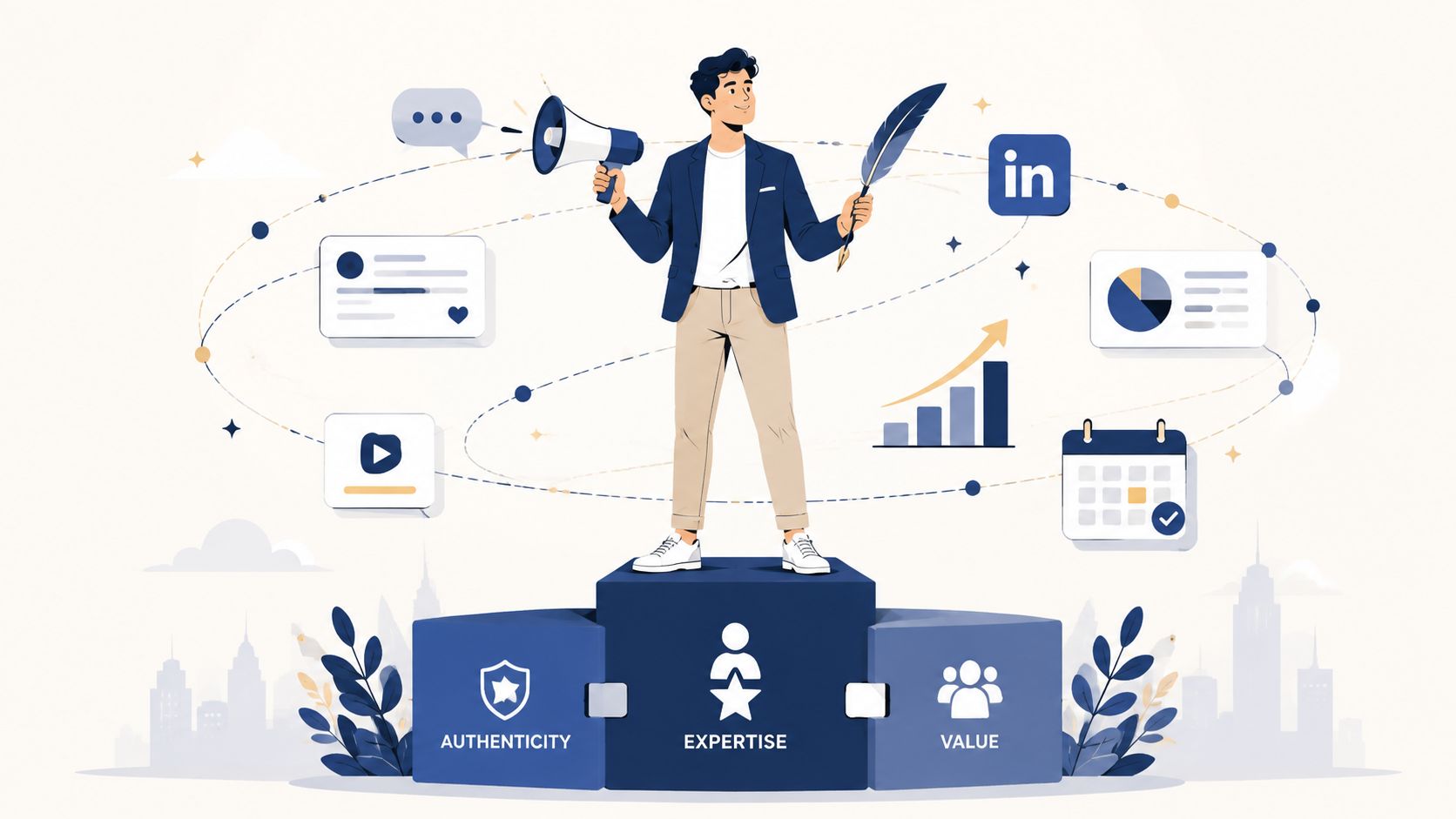
Personal branding earns growth only when it makes expertise easier to evaluate. In B2B and service businesses, a founder, strategist, engineer, or creative director can clarify complex decisions and give the company a recognizable point of view. The strongest programs support acquisition first, then conversion, partnerships, and advocacy. They publish useful judgment, not personal visibility for its own sake.
Start with one buyer group and one recurring problem. Choose a position that challenges generic industry advice, then publish from real customer conversations, project lessons, and internal methods. A practical launch sequence is:
- Define the perspective: State the belief, method, or trade-off you want buyers to associate with your work.
- Collect evidence: Turn delivery notes, customer questions, failures, and results into analysis, examples, and practical frameworks.
- Publish where buyers pay attention: Use LinkedIn, email, podcasts, events, or video based on existing buyer behavior and your production capacity.
- Create conversation: Answer relevant questions and join discussions where potential customers already compare options.
- Add third-party reach: Contribute to podcasts, events, publications, and partner channels after the core viewpoint is clear.
- Capture demand: Give interested readers a direct path to an email list, diagnostic call, consultation, or relevant offer.
Personal stories work when they clarify a customer problem. A story about a failed project, for example, should explain the decision, the evidence, and the lesson, rather than become autobiography.
Track qualified profile visits, relevant conversations, email subscriptions, inbound opportunities, speaking invitations, and partner interest. For acquisition, monitor visits and conversations from target accounts. For conversion, track opportunities influenced by content and their progression. For advocacy and expansion, watch referrals, invitations, and introductions to other teams. Reach alone is a weak decision metric. A smaller audience of likely buyers may create more value than broad attention from people who will never need the service.
Prioritize this strategy when expertise is the product, sales cycles require trust, and a credible operator can publish consistently. If the team lacks customer access or review capacity, start with customer-led content before building a personal brand. AI can assist with research, repurposing, and workflow, while the perspective, evidence, and final judgment remain human. HubSpot's State of Marketing coverage notes that consumers seek human-created content and may tune out brand and AI-generated material.
Side-by-Side: 10 Growth Marketing Strategies
| Strategy | 🔄 Implementation Complexity | ⚡ Resource Requirements | 📊 Expected Outcomes | ⭐ Key Advantages | 💡 Quick Tip |
|---|---|---|---|---|---|
| Viral Loop Marketing & Referral Programs | Medium–High, product integration + tracking | Medium, dev effort, incentive budget, analytics | Exponential referral-driven growth; low CAC long-term | Low CAC, highly qualified leads, self-sustaining acquisition | Make referrals frictionless and reward both referrer & referee |
| Content Marketing & SEO Optimization | Medium, ongoing strategy + technical SEO | Medium–High, content production, SEO expertise, time | Compounding organic traffic and leads over months | Evergreen leads, authority building, high ROI long-term | Target long-tail keywords and create pillar content consistently |
| Influencer Marketing & Ambassador Programs | Medium, partner sourcing and campaign coordination | Medium, creator fees, content production, management | Fast reach and credibility; measurable via promo codes | Authentic endorsements, targeted audiences, scalable UGC | Prioritize micro-influencers with high engagement rates |
| Product-Led Growth (PLG) | High, product design, UX and analytics heavy | High, product dev, analytics, support resources | Rapid adoption, lower CAC, self-serve expansion | Scalable acquisition, strong activation & feedback loops | Deliver the "aha moment" within first minutes of use |
| Data-Driven Performance Marketing & Testing | High, statistical setup and rigorous experimentation | High, traffic volume, tooling, analysts | Measurable CRO lifts (often 10–50%+), optimized ROI | Removes guesswork, rapid iterative improvements, scalable wins | Start with highest-traffic funnels and test one variable at a time |
| LinkedIn & B2B Outreach Marketing | Medium, personalized sequences and targeting | Low–Medium, outreach tools, content, account management | High-quality B2B leads and relationship-driven deals | Direct access to decision-makers, highly targeted, cost-effective | Personalize outreach and optimize profile value proposition |
| Community Building & Engagement Strategy | High, ongoing moderation and program management | Medium, community managers, platform tools, events | Higher LTV, lower churn, organic advocacy and feedback | Sticky user experience, advocacy, product feedback loop | Start small (50–100 members) and empower champions/moderators |
| Strategic Partnerships & Co-Marketing | Medium–High, negotiation and alignment required | Medium, partner management, co-created assets | Expanded reach with shared costs; access to new audiences | Cost-sharing, credibility via partners, new distribution channels | Pilot small joint programs and use unique tracking for attribution |
| Paid Advertising & Channel Optimization | Medium, campaign setup + continuous optimization | High, ad spend, creative production, optimization team | Immediate traffic and scale; predictable acquisition if optimized | Rapid scaling, precise targeting, measurable ROAS | Implement proper tracking (UTMs, pixels) and rotate creative often |
| Personal Branding & Thought Leadership | Medium, consistent content and public visibility | Medium, time from leaders, content production, PR | Long-term opportunities: media, speaking, partnerships, talent | Authentic connections, durable brand asset, trust-building | Publish consistently, be vulnerable/valuable, pursue speaking slots |
Turn the List Into a Focused Growth System
Ten strategies create options, not an instruction to run ten campaigns. The fastest route to better growth usually starts with the biggest constraint in the customer journey. If qualified visitors arrive but don't understand the offer, work on conversion. If sign-ups fail to reach value, improve activation. If customers buy once and disappear, invest in retention. If satisfied customers already recommend you, formalize advocacy. If mature accounts need broader solutions, test expansion.
Start with a baseline. Record the current volume, conversion behavior, customer quality, retention pattern, and commercial result for the stage you're trying to improve. Don't overload the baseline with every metric your analytics platform can display. Choose one primary outcome and a small supporting set that explains why the outcome moved or failed to move.
Assign an owner before launch. That person should control the work, maintain the measurement, coordinate other teams, and make the next decision. A strategy without ownership becomes a shared priority that nobody has time to execute.
Then run a bounded test. Define the audience, offer, channel, launch window, required assets, budget or effort limit, and decision criteria. Bounded doesn't mean careless. It means you know what you're testing and what evidence would justify continuing, changing, or stopping. Document the result, including failed assumptions, implementation issues, and unexpected customer feedback.
Measurement deserves special attention because growth teams often confuse visible conversion with causal impact. A HubSpot marketing statistics analysis reports that 41% of enterprises used multi-touch attribution in 2026, up from 23% in 2023, while 37% still relied mainly on last-click attribution. Yet only 18% rated their multi-touch implementation highly accurate internally. The practical lesson is simple. Build clean conversion events, standardize source data, and use attribution alongside other methods rather than treating one model as unquestionable truth.
Automation can improve execution, but buying more tools isn't the same as building a growth system. The Dotdigital benchmark found that only 9% of surveyed marketers said the customer journey was fully automated, while 54% expected automation budgets to increase. Invest first in trigger quality, segmentation, lead routing, lifecycle messages, and the data connecting them. Automation should remove repetitive work so the team can spend more time on positioning, creative judgment, experimentation, and customer understanding.
A practical priority order often looks like this:
- Fix activation before acquisition: More traffic won't help if new users fail to reach value.
- Fix measurement before scaling paid media: Unclear data turns budget allocation into guesswork.
- Build content when demand is searchable: It offers a durable asset when the team can support quality over time.
- Use referrals after satisfaction appears: Advocacy is strongest when customers already experience a clear benefit.
- Use outreach and partnerships for focused markets: These approaches work well when the audience is identifiable and the offer is specific.
- Use community and thought leadership for trust: Both require consistent participation, not occasional campaigns.
- Use expansion after retention is healthy: Upsells shouldn't distract from unresolved customer problems.
ReachLabs.ai can support several parts of this system through content marketing, influencer initiatives, managed LinkedIn outreach, creative production, digital campaigns, referral marketing, remarketing, and conversion rate optimization. Outside execution makes sense when your team has identified the bottleneck but lacks the specialist capacity to build, test, and maintain the program. It doesn't replace strategy. You still need to define the customer, the outcome, the evidence, and the decision you'll make next.
Pick one bottleneck this week. Document its baseline, choose the strategy that directly addresses it, appoint an owner, and set a review date before anyone starts producing assets. That discipline turns growth marketing strategies from a collection of tactics into a system that can learn and compound.
ReachLabs.ai helps businesses connect content marketing, influencer partnerships, managed LinkedIn outreach, creative execution, and data-driven digital campaigns to practical growth goals. Visit ReachLabs.ai to explore support for the strategy, testing, and execution work behind your next focused growth initiative.