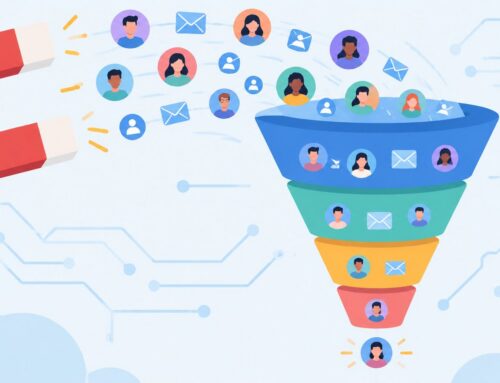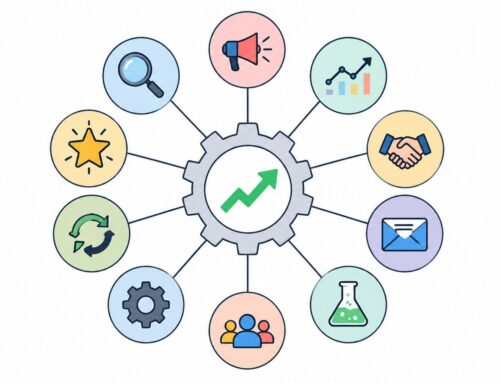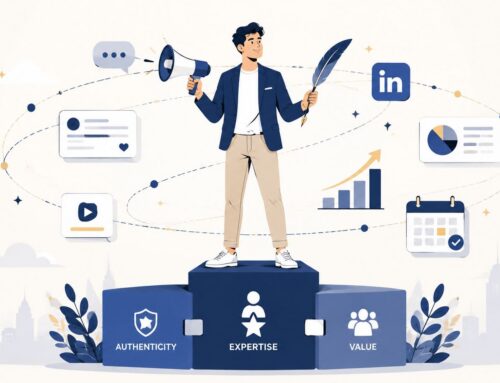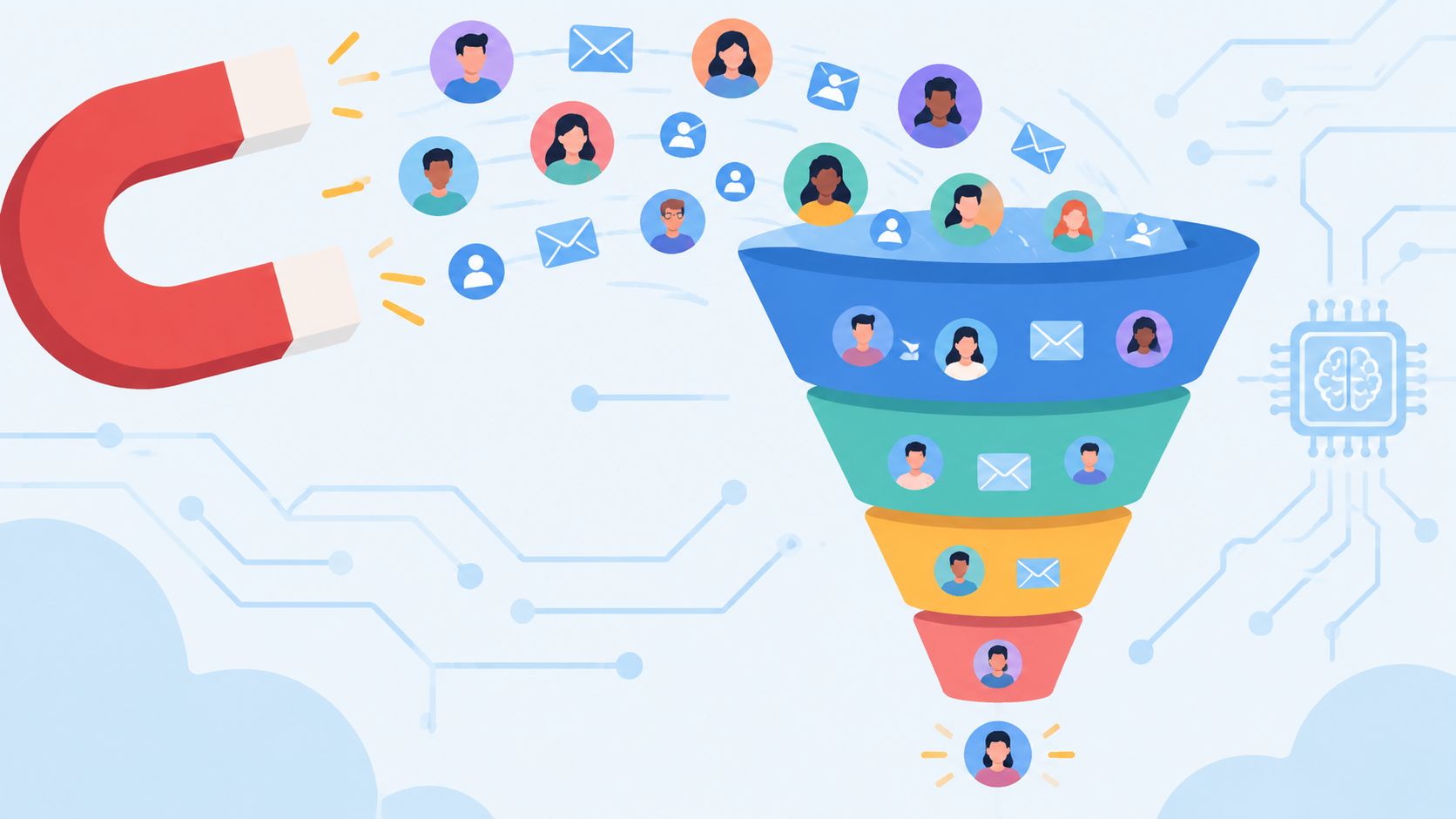
Your skincare brand has a product people love, but your paid social ads keep blending into the feed. A celebrity offers a six-figure post, while a TikTok chemist with 12,000 followers proposes a $500 collaboration. The celebrity can create instant visibility. The chemist may create a recommendation that feels closer to advice from a knowledgeable friend.
That tension explains why the question what is influencer marketing and how does it work requires more than a definition or a list of creator tiers. The decision is how to match the right creator, message, audience, payment model, and measurement system to a business goal.
The Idea Behind Influencer Marketing
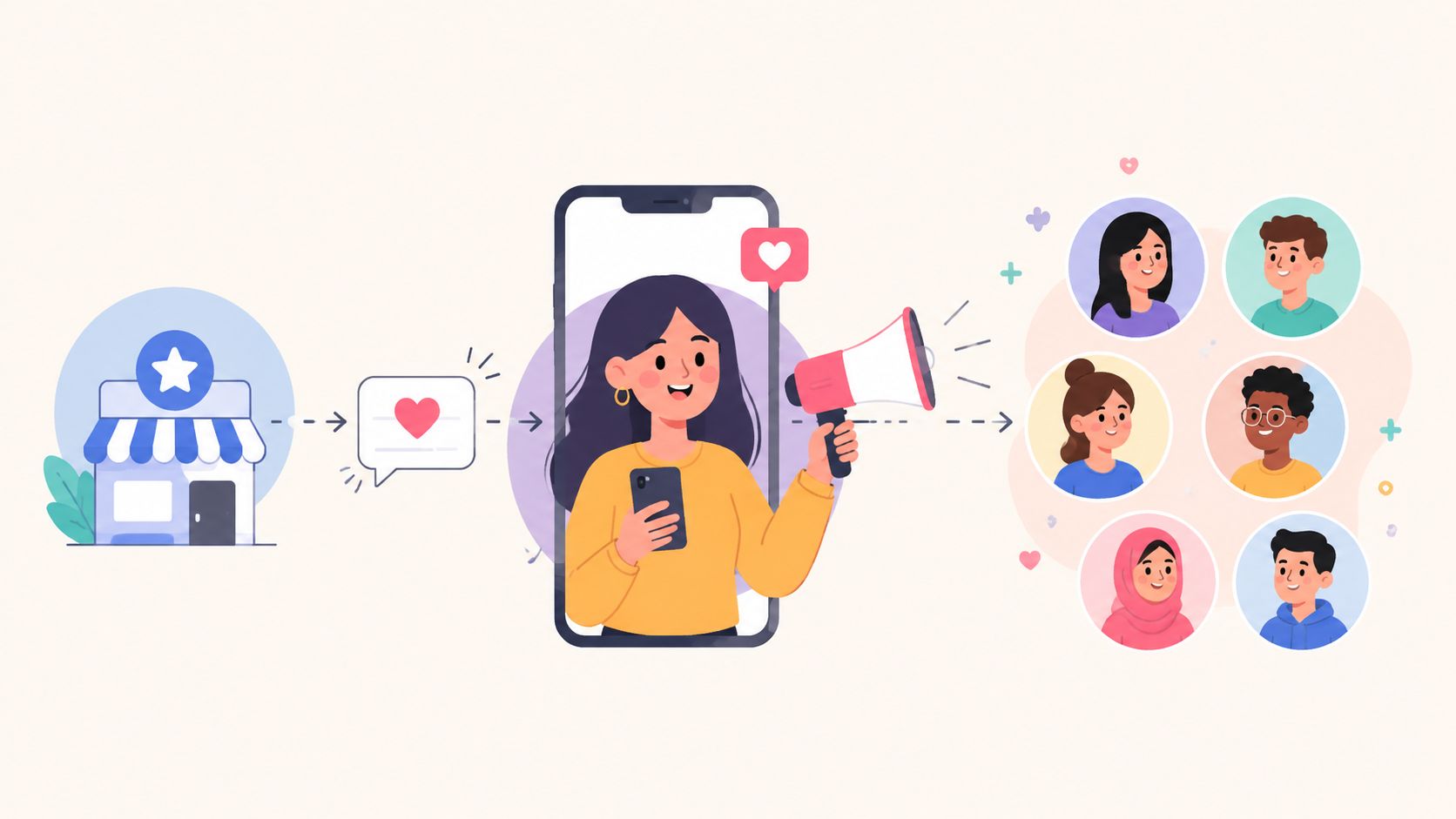
Influencer marketing is a brand partnership with a creator whose audience already pays attention to their opinions. Instead of placing a message beside content through a conventional ad format, the brand collaborates with the creator to make content that travels through the creator's established relationship with followers.
The simplest mental model has three parts:
- Sender: The brand provides the product, commercial objective, and core message.
- Message: The creator turns that message into a post, video, story, review, livestream, or other native format.
- Receiver: The creator's followers see the message through a person they chose to follow and may already trust.
A campaign works only when all three links fit. A respected chemist may be a strong sender for a skincare education campaign, but a poor match for a product aimed at an unrelated audience. A well-matched creator can still underperform if the message sounds scripted or gives viewers no clear next step. And excellent content can fail when the receiver has little purchase interest in the category.

Trust is borrowed, not owned
The brand doesn't own the audience relationship. It rents access to the creator's attention and credibility for the duration of the partnership. That creates the channel's central trade-off: influencer content can feel more relevant than a standard ad, but the brand has less control over how the audience interprets it.
This is why creator selection matters more than follower count alone. The creator must have a believable reason to discuss the product, and the audience must recognize that connection. A useful overview of the channel's advantages appears in this guide to the benefits of influencer marketing, but the operating principle is straightforward: relevance turns borrowed attention into useful attention.
The industry's scale reflects that shift. One independent summary reports growth from about $1.7 billion in 2015 to $9.7 billion in 2020, $21.1 billion in 2023, and approximately $32.55 billion in 2025 (industry market history). Influencer marketing has moved from celebrity endorsements and blog sponsorships into a measurable channel built around reach, engagement, clicks, leads, and sales.
How an Influencer Campaign Actually Works
A working campaign is less like buying a post and more like assembling a small media operation. The brand defines the commercial job, the creator supplies the audience relationship and creative execution, and the measurement system connects the activity to an outcome.
Discovery finds plausible matches
Start by translating the brief into selection criteria. A skincare brand might need creators who discuss ingredient science, have an audience interested in sensitive skin, and produce educational short-form video. Search category terms, inspect platform discovery pages, review competitor comment sections, and use vetted creator marketplaces to build a longlist.
Look beyond visible reach. Review the creator's recent topics, format choices, tone, audience location, and relationship to the category. A creator with a smaller but highly relevant audience may give the campaign a stronger sender-to-receiver fit than a general lifestyle account.
Vetting tests the relationship
Review past sponsored work and organic posts side by side. Does the creator explain products in a consistent voice? Do followers ask informed questions? Are comments substantive, or do they mostly consist of generic reactions? Check audience authenticity, engagement quality, previous partnerships, and disclosure behavior before discussing a fee.
Practical rule: Read the comments before you read the follower count. They often reveal whether an audience is listening, questioning, or simply scrolling.
Negotiation defines the asset
The agreement should specify the content format, number of deliverables, publication dates, revisions, approval process, payment, exclusivity, usage rights, and amplification permissions. Whitelisting, which allows a brand to run creator content through paid media, should be written into the contract rather than assumed.
Creators can also help shape the concept. For brands exploring participatory formats, this resource on creative TikTok duet strategies offers useful direction for building interaction into the content rather than treating the creator as a static media placement.

Content protects the native voice
A good brief gives the creator the product truth, audience, mandatory claims, prohibited claims, desired action, and brand-safety boundaries. It doesn't dictate every sentence. The creator's natural language is part of the asset, so excessive scripting can remove the very credibility the brand paid to access.
Amplification extends the investment
The first publication is only one possible use of the content. A brand may repost it on owned social channels, use it in paid ads with permission, add it to a product page, or connect it to an affiliate journey. Add tracking links and creator-specific codes before launch, not after the campaign has ended.
Most waste occurs in the middle. Weak vetting creates poor audience fit, vague contracts create rights disputes, and overmanaged creative produces content that looks like an ordinary advertisement.
Creator Tiers and the Reach Versus Trust Trade-Off
Creator tiers are useful because they describe different buying patterns, not because one tier always wins. Larger creators buy distribution, while smaller creators often provide closer audience relationships and stronger interaction.
The available benchmark data illustrates that trade-off. In 2026 benchmark data, nano creators were reported at an average engagement rate of 4.84%, compared with 1.21% for mega creators. Micro creators were associated with a 2.18% average conversion rate for influencer-driven traffic, compared with 0.91% for mega creators (2026 creator benchmarks).
| Tier | Followers | Typical Cost | Avg Engagement Rate | Best For | Main Risk |
|---|---|---|---|---|---|
| Nano | Very small, niche audiences | Lower per-creator fees | Highest interaction among benchmarked tiers | Peer-style recommendations and conversion testing | Limited reach and audience saturation |
| Micro | Small, focused communities | Efficient distributed spend | Strong interaction and conversion potential | Consideration, product education, and direct response | More coordination across creators |
| Macro-micro | Established specialist audiences | Moderate investment | Balanced reach and credibility | Category authority and mid-funnel campaigns | Audience overlap can reduce incremental reach |
| Macro | Broad, recognizable audiences | Higher flat fees | Lower interaction than smaller tiers | Awareness and launch amplification | Expensive reach with weaker response |
| Mega | Very large audiences | Highest investment | Lowest interaction among benchmarked tiers in the cited comparison | Tentpole awareness and cultural visibility | High cost, limited control, and weak audience specificity |
The allocation logic follows the communication chain. Mega and macro creators can make the sender visible to a large receiver group, especially during a major launch. Mid-tier specialists can carry more category authority. Micro and nano creators often work best when the message needs to answer objections, demonstrate use, or prompt a purchase.
The choice is also constrained at both ends. Flat-fee spending can produce diminishing returns when a large audience has already seen similar brand messages. At the smaller end, a brand can exhaust the reachable audience within a narrow niche if it keeps adding creators without checking overlap.
Brands that need a focused roster can use a process for finding micro-influencers based on audience relevance rather than treating the tier label as the strategy.
Budget principle: Use large creators to create awareness, smaller creators to create confidence, and tracking to decide which role deserves more money.
Pricing Models Brands Use to Pay Creators
The payment model changes the incentives on both sides. A flat fee gives the creator certainty and the brand a defined deliverable. A commission model gives the brand stronger performance alignment, but it may not provide enough motivation for creators who are being asked to do substantial creative work.
| Model | Best for | Watch-outs |
|---|---|---|
| Flat fee | Awareness launches and planned content with vetted creators | Define revisions, usage rights, exclusivity, deadlines, and disclosure language |
| Gifting or seeding | Product discovery and relationship building | The brand may receive no post, and usage rights usually aren't included automatically |
| Affiliate or commission | Direct response and conversion-focused campaigns | Discount-led audiences, delayed attribution, and unclear commission rules can distort results |
| Hybrid package | Campaigns that need both reach and accountability | Specify the base deliverables, performance trigger, reporting window, and bonus calculation |
Flat fees buy committed production
A flat fee fits a campaign that needs guaranteed content by a certain date. The brand pays for the creator's time, production, audience access, and agreed rights. The contract should state whether the fee covers organic publication only or also paid usage, edits, raw footage, and placement on brand-owned channels.
Gifting starts a relationship
Seeding can be useful when a brand wants creators to experience a product without requiring a positive review. The trade-off is control. Sending a product doesn't guarantee publication, favorable sentiment, or permission to reuse anything the creator posts.
Affiliate payment follows action
Affiliate links and creator-specific codes connect compensation to tracked activity. This structure can suit products with a short path to purchase, but it requires clear definitions for eligible sales, returns, attribution windows, commission timing, and customer discounts.
Hybrids balance certainty and accountability
A hybrid package combines a base fee with a performance bonus. It acknowledges that creators deliver value before a customer purchases, while giving the brand a financial mechanism tied to results. The strongest agreements also cover exclusivity, content approval, disclosure requirements, cancellation rights, and whitelisting.
Disclosure language belongs in the contract and the creative brief, not in an informal direct message. Clear terms protect the creator's credibility and help the brand avoid confusion about what the partnership includes.
Why Some Posts Convert and Others Just Get Likes
Engagement rate is a diagnostic signal, not a sales forecast. A post can attract comments because it is entertaining, controversial, or visually striking without creating any purchase intent. Another post may receive quieter interactions, such as saves, profile visits, link clicks, or thoughtful product questions, and still contribute more commercial value.

A meta-analytic review describes the campaign as a sender, message, and receiver chain. It found that follower characteristics, including social identity, were especially important for attitudes and behavioral engagement, while informational and hedonic value in the post had stronger effects on purchase intention. Transactional outcomes are shaped by post, follower, and influencer characteristics together (meta-analytic review).
Three variables shape conversion
Post characteristics determine whether the message earns attention and explains the product. The opening hook, demonstration, format, narrative sequence, and call to action all matter. A creator who shows how a cleanser fits into a routine may give viewers more decision support than one who holds the package beside a trending sound.
Follower characteristics determine whether the receiver has a reason to act. Audience interests, category involvement, purchase timing, and demographic relevance can matter more than the size of the audience. A beauty account with a high interaction rate may still underdeliver for a product designed for a very specific parenting need.
Influencer characteristics determine whether the recommendation feels credible. Authority, consistency, prior experience, and visible brand affinity affect how the audience interprets the message.
Audit intent before signing
Review the audience for category overlap, inspect comments for genuine questions, and compare sponsored posts with organic recommendations. Look for evidence that followers ask for product details, save educational content, or respond to demonstrations with specific use cases. Platform reporting can help, but manual review remains valuable.
Creators may also produce content for paid distribution after the organic post. For teams testing that workflow, these AI ad use cases for creators provide a useful starting point for turning creator-led material into advertising variations without stripping away its original perspective.
Measuring Influencer Marketing Beyond Vanity Metrics
Measurement starts with the campaign objective, not the dashboard. If the goal is awareness, reach, frequency, video completion, recall, and branded search behavior may matter. If the goal is consideration, saves, qualified comments, profile visits, and engaged site sessions become more useful. If the goal is conversion, the brand needs creator-level revenue signals.
Build a layered measurement stack
UTM-tagged links identify visits from each creator and placement. Use a consistent naming structure that separates creator, platform, campaign, and content format. This supports last-click reporting, although it won't capture every earlier interaction.
Unique promo codes provide a creator-level readout for purchases that happen after someone remembers the recommendation but doesn't click immediately. Codes are especially helpful when followers share content privately or return later through a direct search.
Pixel-based attribution helps connect exposure and later action across a longer path. It should be interpreted alongside first-party CRM data, platform reporting, and the limitations of browser and privacy settings.
Brand-lift studies suit upper-funnel work where the immediate action isn't a sale. They can help assess whether exposed audiences remember the brand or understand the intended position.

Choose the layer you can operate
A small team doesn't need to deploy every instrument immediately. Start with one unique link and one code per creator, reconcile those results with order data, and document untracked actions such as direct traffic or customer-service mentions. Add pixel-based and lift measurement when the campaign's scale and objective justify the additional work.
The measurement challenge is widespread. A 2026 survey of over 200 enterprise marketers found that 79% struggle to measure ROI and 48% identify attribution as the biggest measurement gap. The same survey reported that 100% repurpose creator content beyond the creator's own channel, while 81% say it outperforms brand-made assets (2026 influencer marketing survey). Reuse makes measurement harder, so every permission and placement should be recorded from the start.
Measurement rule: Don't ask whether influencer marketing “worked” until you've defined which audience action would prove success.
The following video offers another perspective on building a measurement approach:
Brands comparing software options can also review these top influencer marketing platforms and select tools according to their tracking, discovery, and reporting requirements.
A Practical Playbook for Brand-Aligned Programs
Consider a representative mid-sized direct-to-consumer skincare launch. The team has a new barrier-repair product and two jobs to complete: make the product visible to a relevant audience and help hesitant shoppers decide whether it belongs in their routine.
The awareness group uses four mid-tier creators whose content already carries category authority. Their briefs focus on the problem the product addresses, the ingredients the brand can substantiate, and the launch timing. The conversion group uses twelve nano creators who can explain personal routines, answer practical questions, and give each audience a trackable path to purchase.
The sender is the skincare brand, but the message changes by creator. Mid-tier creators frame the product within category education, while nano creators make it concrete through routine demonstrations and personal use cases. The receiver also changes, which lets the brand compare broad awareness activity with narrower purchase intent instead of judging every creator by the same metric.
The team negotiates usage rights before production, gives creators room to speak naturally, and assigns unique links or codes for performance reporting. It doesn't treat the example as proof that one mix will work for every brand. The point is the decision logic: allocate according to the job each creator must perform, then measure that job with an appropriate signal.
A compact operating checklist
- Choose one primary goal: Don't ask one post to create awareness, education, and immediate revenue without prioritizing the outcome.
- Match audience before scale: Review category relevance, audience quality, and comment behavior before approving a creator.
- Pay for the work: Use a fair fee, commission, gifting arrangement, or hybrid structure that reflects the deliverables and rights.
- Write usage rights clearly: State whether the brand can repost, edit, run paid media, or retain raw footage.
- Require clear disclosure: Put partnership disclosure expectations in the agreement and brief.
- Test before scaling: Compare creators by the outcome their role requires, not by a universal engagement target.
- Review the strategy regularly: Retire tactics that fail to produce useful signals and reinvest in the formats and relationships that do.
For broader operating guidance, this taap.bio influencer strategy guide can help teams formalize creator selection, briefing, and campaign governance.
ReachLabs.ai can help brands identify relevant influencers, shape campaign briefs, manage creator partnerships, and connect activity to results through tracking links or discount codes. Visit ReachLabs.ai to discuss a creator program built around your audience, budget, and measurable campaign goal.