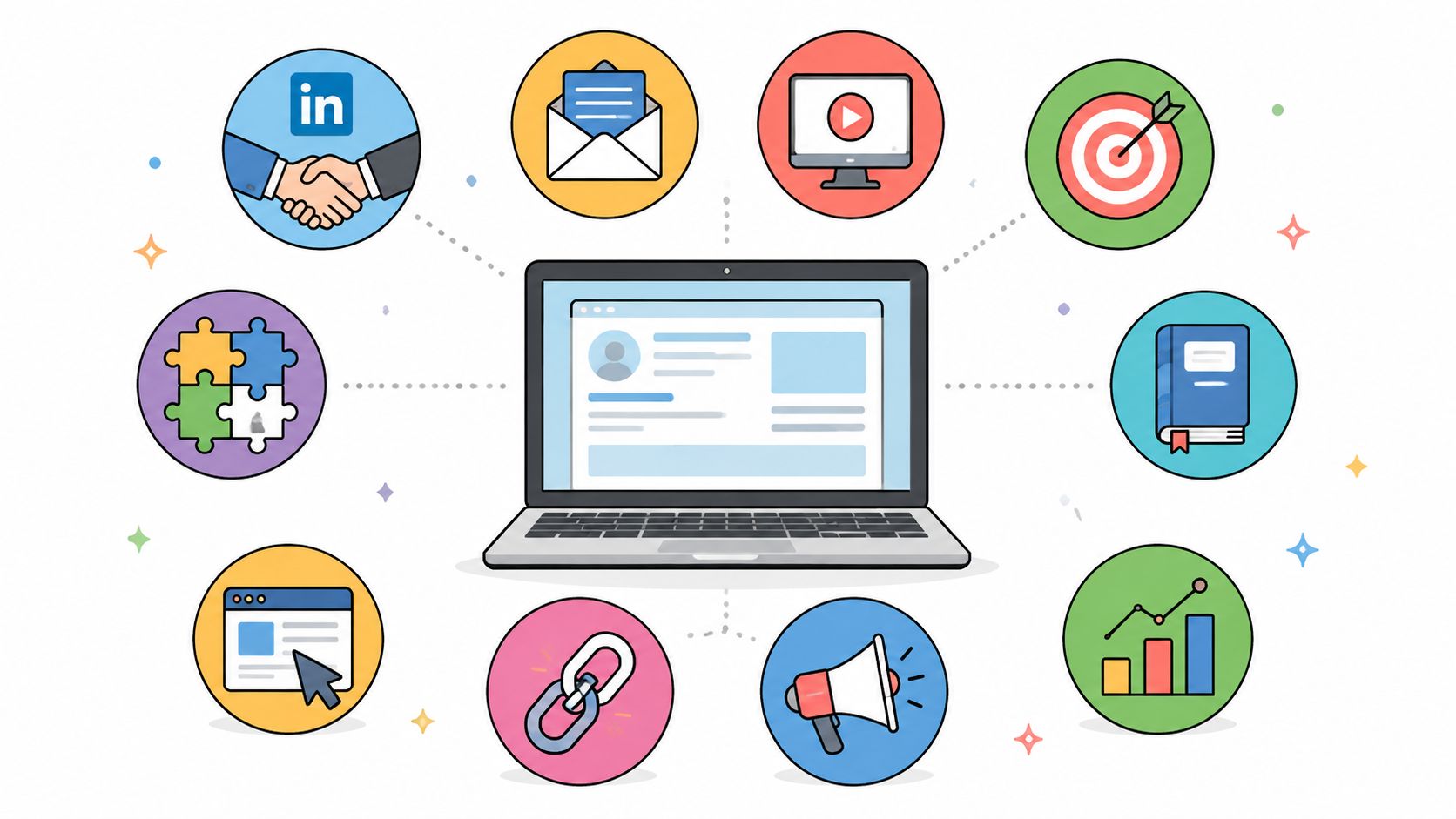
Your pipeline can look healthy in the CRM while the calendar tells a different story. A few deals are moving, most prospects are still weighing their options, and every channel starts to feel more expensive than it did last quarter. That is why the strongest lead generation ideas for B2B focus on where buyers already research, compare, and narrow choices, long before they ever agree to a call.
B2B buying now happens in an ever-evolving market, and that changes the playbook. Gartner has reported that B2B buyers typically spend only about 17% of their purchasing journey meeting with potential suppliers, and that can drop to roughly 5% per supplier when multiple vendors are under consideration. Visibility before the sales conversation matters because buyers do a large share of their evaluating on their own, and the teams that stay present across that research window usually get into more real conversations later.
The tactics in this article stay practical. Each one includes implementation steps, a template or script you can adapt, the KPIs worth watching, and a small real-world example so you can move from theory to execution quickly. If you need growth now, start with two or three of these, not all ten. For a tactical breakdown of how to use LinkedIn in that mix, see this LinkedIn lead generation playbook.
1. LinkedIn Outreach and Account-Based Marketing
A LinkedIn inbox can either fill with ignored pitches or open real buying conversations. The difference is usually the setup. Treat the channel like an account list with names attached, map the people who influence a purchase, and send messages that fit the person's role and current context. That approach matches the practical advice in LinkedIn marketing guidance, where relevance, segmentation, and timing matter more than volume.
Start with a narrow target-account list. Use Sales Navigator to identify three to five contacts per account, then separate them by buying role, such as decision-maker, evaluator, and operator. A marketing director cares about different proof than a founder, and an operations lead usually wants a different outcome than either of them.
If the message could be sent to ten unrelated prospects, it is too broad.
A useful outreach flow keeps the first touch simple and specific.
- Step 1, rank the account list. Put the highest-fit accounts in a manual queue and leave lower-fit accounts for lighter-touch nurture.
- Step 2, build role-based messaging. Write one version for each role in the buying group, then swap in the right proof point.
- Step 3, add a concrete trigger. Mention a hiring move, a recent post, a tech stack clue, or a common pain point the prospect is likely already dealing with.
- Step 4, ask for a small next step. Offer a short resource, a benchmark, or a quick account review before asking for a meeting.
- Step 5, move interest into nurture. A simple follow-up sequence can keep the account warm without pushing too hard.
A sample opener can look like this, “Hi [Name], I noticed your team is hiring for [role]. We have seen teams in [industry] run into [problem] during that stage, so I thought this short resource might be useful.” The message works because it gives the prospect a reason to read before it asks for anything.
Measure connection acceptance rate, reply rate, meetings booked, and engagement across target accounts. If acceptance is high but replies are weak, the targeting is probably sound and the message needs sharper proof. If replies are decent but meetings stay flat, the call to action is probably too big for the stage of the conversation.
A small agency can often outwork a generic outbound team here because the list is tighter and the message is more specific. One account with three relevant contacts usually produces better conversations than fifty shallow touches, especially when the sequence is tied to a clear buying problem.
For teams that want this process handled end to end, Managed LinkedIn outreach for B2B is a useful reference point, and the same account-based logic pairs well with AI search content strategies when buyers are comparing vendors across channels.
2. Content Marketing and SEO-Driven Lead Generation
Content wins when it answers the exact questions buyers are already typing into search. The strongest programs don't just publish blog posts, they build a website-first system where articles, guides, and lead magnets support one another and feed email capture. That approach fits the market data well, because 90.7% of marketers use websites to generate leads and sales, while blogs are used by 89.2% and email marketing by 69.2%, and SEO can produce B2B leads at about $31 per lead compared with an average B2B CPL of $198 (lead generation statistics and channel benchmarks).
Start with high-intent search terms, not broad thought-leadership topics. Build one pillar page around the main problem, then add supporting posts that answer narrower questions. Every piece should push to a relevant conversion point, such as a checklist, benchmark, or consultation request.
If you want the shortest path, use this workflow.
- Keyword research. Focus on long-tail terms with buying intent, not vanity traffic.
- Pillar plus cluster structure. One core guide, several supporting articles, one internal linking plan.
- Conversion hooks. Add multiple CTAs, each matched to the article's intent.
- Repurposing. Turn the same insight into a post, guide, carousel, and email.
- Review the winners. Keep expanding topics that already attract qualified visitors.
A useful template for a content CTA is, “Download the checklist,” “See the example,” or “Get the framework.” Those prompts work better than generic “Learn more” language because they tell the reader what happens next.
Content marketing strategy support from ReachLabs.ai
For teams exploring broader AI-led publishing, this AI search content strategy resource is a useful reference point for topic planning.
The KPI set should be concrete. Measure organic entrances, CTA click-throughs, lead form completions, and assisted conversions. A boutique software firm can use one strong guide to attract steady traffic for months, but only if the page stays current and the CTA matches the reader's stage.
3. Email Marketing and Nurture Sequences
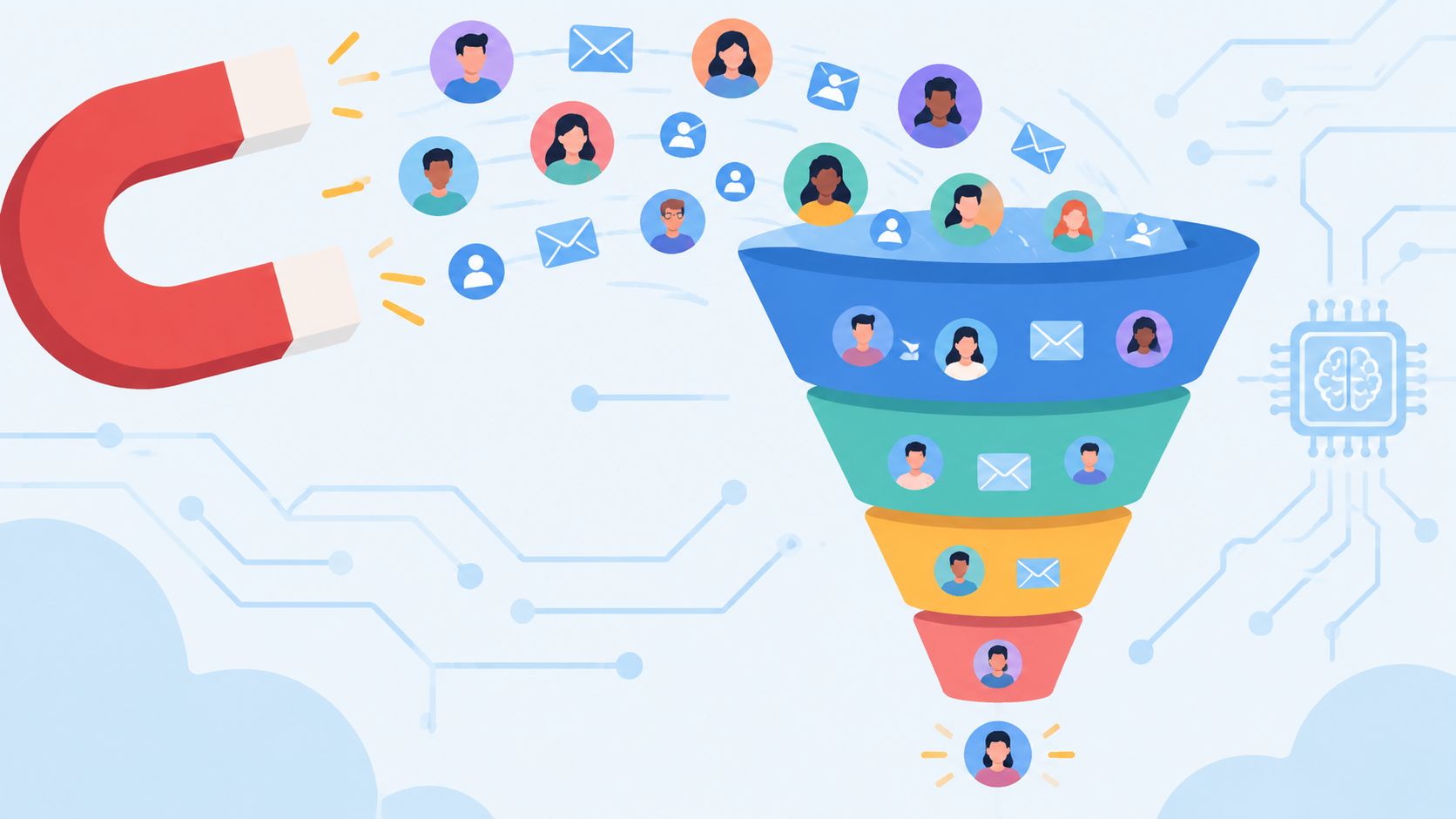
Email still carries a lot of weight in B2B because most buyers aren't ready when they first raise their hand. The job is to stay useful after the click, after the download, and after the webinar registration. That's also where segmentation matters most, since segmented campaigns generate 760% more revenue than non-segmented campaigns, and marketing automation has been associated with a 451% increase in qualified leads (lead generation automation and segmentation benchmarks).
The strongest nurture sequences are built around behavior, not just a static list. Someone who visited the pricing page should not receive the same email as someone who downloaded a beginner's guide. Build different paths, and let the behavior decide the next message.
A simple welcome series can look like this.
- Email 1. Deliver the resource and set expectations.
- Email 2. Share a practical example or framework.
- Email 3. Address a common objection.
- Email 4. Offer a deeper resource or consultative next step.
Template
“Subject: Your [resource] is here
Body: Thanks for downloading [resource]. If you're working through [problem], here's a short example of how teams usually approach it. If you want, reply with your biggest blocker and I'll point you to the most relevant next step.”
That kind of sequence feels closer to a conversation than a campaign. It also keeps sales from chasing cold names too early.
Keep nurture emails short, specific, and tied to the action the person already took. The more behavior-based the message, the less it feels like marketing noise.
Measure open rate by segment, click-through rate, reply rate, unsubscribe rate, and progression to sales-qualified lead. A practical mini-example is a SaaS team that sends a pricing-page follow-up with a comparison guide instead of a generic demo push. That one change usually improves relevance faster than changing the design of the email.
Email drip campaign examples from ReachLabs.ai
4. Webinars and Virtual Events
Webinars still work because they combine education, proof, and a real-time conversation in one format. They're especially useful for B2B offers that need explanation, comparison, or stakeholder buy-in. A webinar is also a qualification tool, since people who register, attend, and ask questions are usually closer to a buying conversation than a casual blog reader.
The best webinar topics come from actual sales objections. If prospects keep asking how implementation works, build a session around that. If they keep comparing you to a competitor, run a neutral “how to choose” workshop. The closer the topic is to a real decision, the better the attendee quality.
Here's a simple structure that keeps the session useful.
- Start with the problem. Frame the business issue in plain language.
- Show the process. Walk through the method, not a product monologue.
- Include live interaction. Use polls and Q&A to surface intent.
- Close with one next step. Offer a guide, audit, or follow-up consult.
A clean registration message could read, “Join us for a 40-minute session on reducing [problem] without adding more tools to the stack.” That's direct, specific, and easy to understand.
After the event, the follow-up matters just as much as the session itself. Send a replay, answer questions one by one, and route engaged attendees into the right nurture stream. If someone asked a pricing question, that contact deserves a different follow-up than someone who merely watched.
You can also break the webinar into clips, social posts, and short email lessons. That helps one live event feed several weeks of content.
The KPIs are straightforward. Watch registrations, attendance rate, question volume, post-event meetings booked, and sales acceptance of attendee leads. A good webinar doesn't just create leads, it creates a sales conversation with context.
5. Influencer Marketing and Partner Collaborations
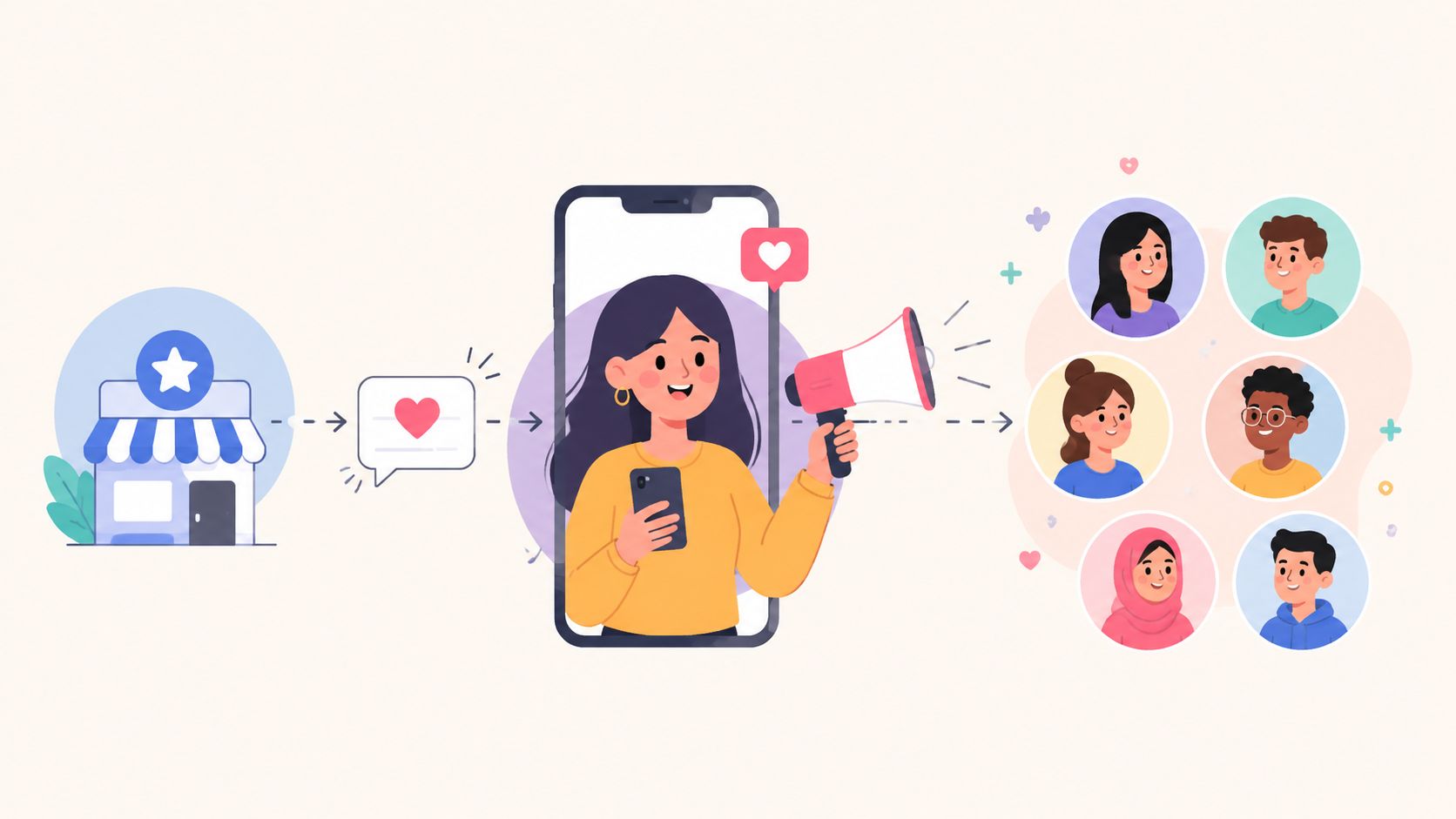
Partner-led acquisition is underrated because many approach 'influencer marketing' too narrowly. In B2B, the better model is often a credible operator, a niche creator, a consultant, or a complementary vendor that already speaks to your buyer. The point isn't fame, it's trusted access.
The strongest partnerships avoid competitive overlap and create a reason to share audiences. A payroll platform can partner with a finance consultant. A CRM consultant can partner with a training company. A software firm can co-host a session with a fractional head of marketing. That kind of pairing feels natural because both sides bring value.
A practical setup starts with three decisions.
- Who owns the audience? Decide which partner brings the initial reach.
- What's the offer? Use a webinar, guide, bundle, or referral bonus.
- How is attribution tracked? Agree on links, forms, or tracked codes before launch.
Template
“Would you be open to a co-marketing session on [topic]? We can bring the content, a landing page, and tracking so both sides can see what converts.”
That works better than a vague “let's collaborate” message because it makes the effort concrete. If you're working with a micro-influencer, keep the ask narrow and the output useful. A joint post or short session often outperforms a sprawling campaign.
The best partner deals feel like audience service, not audience extraction.
Measure partner-sourced leads, registration conversion by partner, meeting quality, and cost per acquired lead by channel. A small professional services firm can do well here because it usually has a sharper niche story than larger brands with broader positioning.
6. Paid Advertising
Paid media is the fastest way to test demand, but it's also the easiest way to waste budget if targeting is loose. Use it when you need speed, want to amplify a proven offer, or need to capture high-intent searches before competitors do. Search, LinkedIn, and retargeting each play a different role, and they should not all use the same message.
Start with high-intent terms or tightly defined audiences. Search ads should speak to a clear pain point and lead to a landing page that matches the query. LinkedIn ads should usually be narrower and more consultative, since users are in a professional mindset but not always ready to buy.
A practical campaign structure looks like this.
- Awareness. Run content or webinar promotion to cold audiences.
- Conversion. Promote demos, audits, or high-intent lead magnets.
- Retargeting. Re-engage visitors who viewed core pages but didn't convert.
Template for ad copy
“Struggling with [problem]? See how teams simplify [outcome] with a short guide.”
That line works because it names the pain, the audience, and the value without sounding inflated. The landing page then needs one job only. Don't split attention across five offers.
A common mistake is measuring paid media only by clicks. That misses the key question, which is whether the traffic turns into qualified pipeline. A better test is whether the ad set produces useful sales conversations.
Track cost per lead, conversion rate by audience, landing page conversion rate, and qualified opportunity creation. A B2B SaaS team may find search cheaper for bottom-funnel intent, while LinkedIn does a better job getting the right account into the funnel in the first place.
7. Case Studies, Testimonials, and Social Proof
Prospects rarely believe your claims until they see evidence from someone like them. That's why case studies are more than content, they're sales assets, objection handlers, and trust builders. In B2B, where several people usually weigh in on a decision, social proof reduces the number of unanswered questions in the room.
The strongest case studies are specific and short. Lead with the customer's challenge, then show what changed, and finish with the outcome in language the buyer cares about. If you can't name the problem clearly, the story won't land.
Build each case study around these pieces.
- Customer context. Industry, role, and situation.
- Initial challenge. What made the problem painful.
- Approach. What was done.
- Result. A concrete outcome in the customer's own words when possible.
Template
“[Customer] needed help with [problem]. We used [approach], and the team was able to [result].”
Video testimonials can work especially well because they feel less scripted, but a one-page mini-case study is often easier to distribute in email and on landing pages. Keep a small library by industry so sales can send the most relevant proof fast.
A useful habit is to pair testimonials with the exact offer they support. If the prospect is considering a webinar, show a webinar success story. If they're reading a pricing page, show a customer story from a similar company size or use case.
Good social proof answers, “Will this work for someone like me?”
Measure case study clicks, assist rate in deals, landing page conversion lift from proof assets, and sales usage by rep. A small example: a consulting firm can send a one-page customer story after a discovery call instead of a generic brochure, and the follow-up usually feels more credible.
8. Referral Programs and Word-of-Mouth Marketing
Referrals are powerful because they borrow trust from a relationship that already exists. They also tend to feel more natural than cold acquisition, especially in B2B services and software where buyers want reassurance before they commit. A structured referral program makes that process repeatable instead of accidental.
The hardest part is not the reward, it's making the ask frictionless. If someone has to hunt for a link, remember a code, or figure out what happens next, the program loses momentum. Keep the path short and visible.
A practical referral setup includes a few basics.
- A simple ask. Ask for one introduction, not a vague spread-the-word request.
- A clear incentive. Offer something useful to the referrer and the new lead.
- Automated tracking. Make sure the referrer gets credited.
- A follow-up loop. Thank the referrer even when the lead doesn't close immediately.
Template
“Do you know one other team that's dealing with [problem]? If you introduce us, I'll make sure they get the right resource and you'll be credited properly.”
That's more effective than a generic referral page buried in the footer. It also gives the customer a simple action.
Public recognition can help, too. Some teams subtly mention top referrers in newsletters or community spaces, which keeps the behavior visible without turning it into a contest. Just don't overcomplicate it with too many rules.
Measure referral volume, conversion rate from referred leads, time to first response, and reward redemption rate. The best sign of a healthy program is that sales starts asking for referrals at the end of closed-won calls because the source keeps producing good-fit leads.
9. Trade Shows, Events, and Networking
Events work because they compress trust-building into a short window. A good conversation at a trade show can move faster than weeks of email, especially when the buyer already planned to attend because the topic matters to them. The downside is obvious, events are expensive in time and energy, so the follow-up has to be disciplined.
Choose events where your ideal customers gather, not just where the industry is large. A smaller niche conference can outperform a big general event if the audience is more relevant. The booth, speaking slot, or side dinner should all support the same message.
Lead capture should be quick and clean. Mobile forms, badge scans, or manual notes all work if the data goes straight into the CRM. Then the important work starts after the event.
A slow follow-up turns a strong event into a wasted trip.
A simple event process looks like this.
- Pre-book meetings. Reach out before the event and lock in time.
- Use consultative booth conversations. Lead with questions, not a pitch.
- Send a same-week follow-up. Reference the actual discussion.
- Tag the lead source carefully. Track which event and which session produced the contact.
Template
“Great meeting you at [event]. You mentioned [issue], so I'm sending over the resource we discussed. If it helps, we can set up a quick call to walk through how others handle the same issue.”
Measure leads captured, meetings held, post-event conversion rate, and cost per qualified lead. If you're evaluating a booth-based event, this stand builders resource can help frame the physical setup side of the investment.
10. Interactive Tools and Lead Magnets
Interactive tools work because they give the buyer something useful before asking for contact details. A calculator, assessment, or quiz also improves self-qualification, which means the leads that come in are often more relevant than a generic content download. This is especially useful when the buyer wants an immediate answer to a specific question.
The best tools solve one problem cleanly. Don't build a giant portal if a focused calculator would do the job better. If the tool saves time, reduces uncertainty, or helps someone compare options, it earns attention fast.
If you need one example of how to position this, think about a calculator that helps a prospect estimate wasted spend, expected savings, or implementation effort. The result should be immediate and easy to act on. Then gate the detailed output, not the whole experience.
Use a flow like this.
- Ask only necessary questions. Keep the form short enough to finish.
- Show value early. Give a preview before the gate.
- Use result-based follow-up. Send different emails based on the outcome.
- Feed the CRM. Route high-intent responses to sales or nurture.
Template
“Get your custom result in under two minutes.” That works because it's clear, quick, and outcome-focused.
The KPI set should include completion rate, lead capture rate, result-page engagement, and downstream conversion from tool users. A marketing team might use a quiz for segmentation, while a finance or operations team might prefer a calculator because the output feels more concrete.
If you want to see a practical format in action, the embedded video below is a useful reference for how interactive lead capture can fit into a broader acquisition flow.
10 B2B Lead Generation Strategies Comparison
| Strategy | Complexity (🔄) | Resources & Cost (⚡) | Expected Outcomes (⭐📊) | Ideal Use Cases (💡) | Key Advantage (⭐) |
|---|---|---|---|---|---|
| LinkedIn Outreach & Account-Based Marketing (ABM) | 🔄 Medium‑High, multi‑touch personalization, ongoing nurture | ⚡ Medium ($500–$2,500/mo); Sales Navigator + CRM | ⭐ High-quality leads; 📊 Measurable ROI; initial qualified leads in 4–8 weeks | 💡 Targeted account acquisition, enterprise sales, relationship building | ⭐ Direct access to decision‑makers; scalable personalization |
| Content Marketing & SEO‑Driven Lead Generation | 🔄 Medium, continuous content & technical SEO work | ⚡ Medium‑Low ($2,000–$5,000/mo) for content production | ⭐ High-quality intent leads over time; 📊 Compounding organic traffic in 3–6 months | 💡 Long‑term authority building, inbound lead capture, education funnels | ⭐ Passive, evergreen assets that lower CAC over time |
| Email Marketing & Nurture Sequences | 🔄 Medium, segmentation, automation and testing | ⚡ Low‑Medium ($50–$500/mo depending on volume) | ⭐ Very high ROI; 📊 Fast lead movement (2–4 weeks) and measurable engagement | 💡 Lead nurturing, onboarding, upsell/cross-sell, retention | ⭐ Highest ROI and scalable personalized communication |
| Webinars & Virtual Events | 🔄 High, planning, production, promotion and follow‑up | ⚡ Medium ($1,000–$5,000 per webinar including promotion) | ⭐ High conversion potential; 📊 Large qualified cohorts; leads within 1–2 weeks post‑event | 💡 Product demos, thought leadership, mid-to-high‑touch sales | ⭐ Live interaction builds credibility and direct engagement |
| Influencer Marketing & Partner Collaborations | 🔄 Medium, partner identification, negotiation, co‑creation | ⚡ Medium‑High ($2,000–$20,000+ per partnership) | ⭐ Quality reach and credibility transfer; 📊 Variable lead volume in 4–12 weeks | 💡 Niche audience penetration, co‑marketing, brand amplification | ⭐ Access to pre‑qualified, trusted audiences |
| Paid Advertising (PPC, LinkedIn Ads, Display) | 🔄 Medium, campaign setup, constant optimization | ⚡ High ($1,000–$10,000+/mo) | ⭐ Immediate visibility; 📊 Fast lead data and conversion tracking in 1–2 weeks | 💡 Demand capture, fast scaling, testing messaging/landing pages | ⭐ Immediate, highly targeted, and scalable lead generation |
| Case Studies, Testimonials & Social Proof | 🔄 Low‑Medium, customer collaboration and production | ⚡ Low‑Medium ($1,000–$3,000 per detailed case study) | ⭐ Strong conversion lift; 📊 Ongoing credibility impact (builds over time) | 💡 Late‑funnel validation, sales enablement, proposal support | ⭐ Reduces perceived risk with concrete results and proof |
| Referral Programs & Word‑of‑Mouth Marketing | 🔄 Low, program setup and tracking; relies on satisfied customers | ⚡ Low ($100–$1,000/mo for incentives) | ⭐ Very high lead quality and conversion; 📊 Meaningful volume in 2–3 months | 💡 Customer-driven growth, partner networks, SaaS/PLG models | ⭐ Lowest acquisition cost and highest conversion rates |
| Trade Shows, Events & Networking | 🔄 High, logistics, staffing, creative and follow‑up | ⚡ High ($5,000–$50,000+ per major event) | ⭐ High-quality, relationship‑ready leads; 📊 Results typically 1–2 weeks post‑event | 💡 Enterprise sales, industry visibility, product demos | ⭐ Face‑to‑face relationship building and market insights |
| Interactive Tools & Lead Magnets (Calculators, Quizzes) | 🔄 High, development, UX, and maintenance | ⚡ Medium ($3,000–$10,000 to build custom tool) | ⭐ High engagement and self‑qualification; 📊 Initial leads in 2–4 weeks | 💡 Qualification, ROI estimation, viral lead capture, gated experiences | ⭐ Strong conversions and rich, actionable lead data |
Apply, Measure, and Optimize
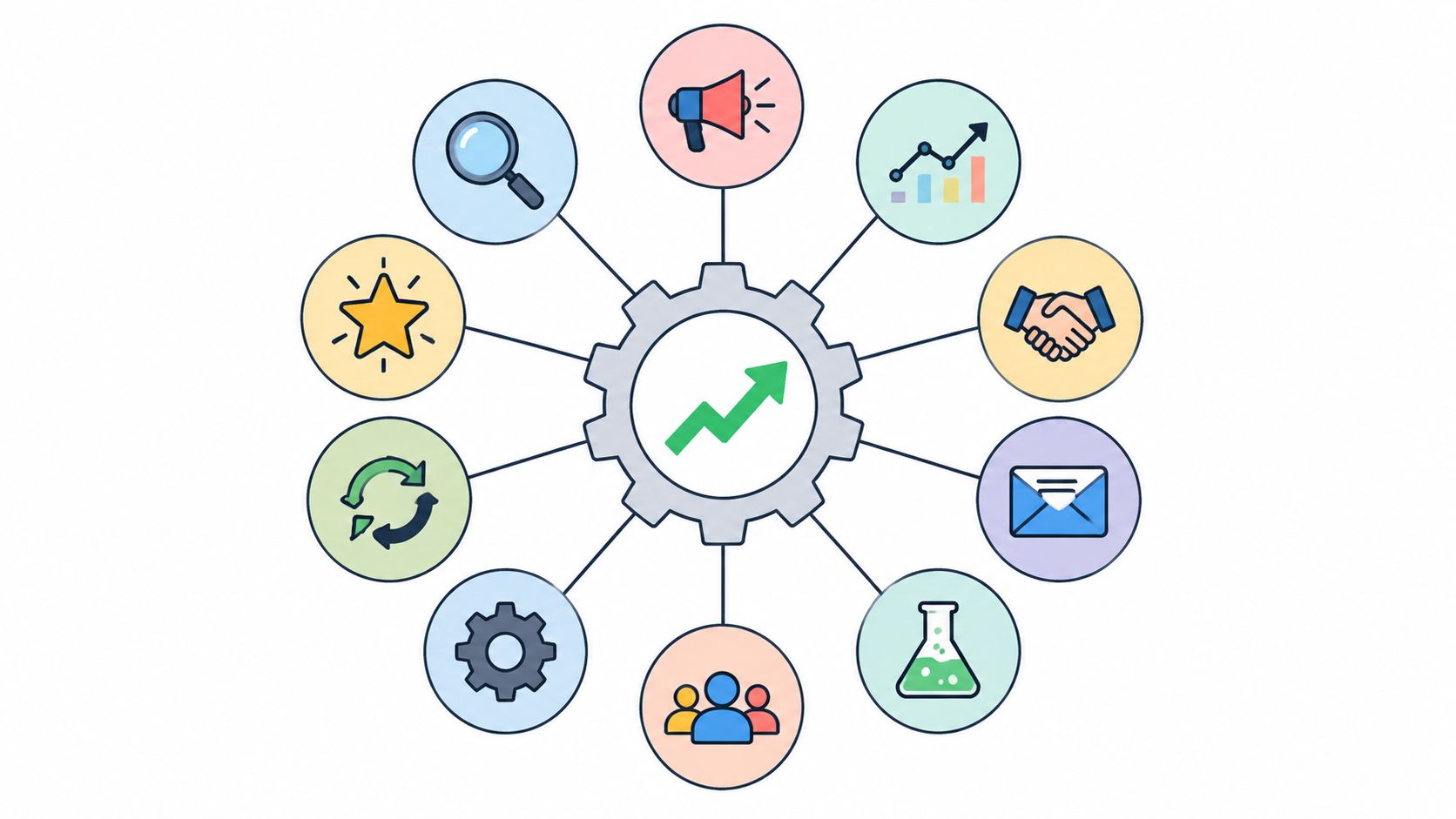
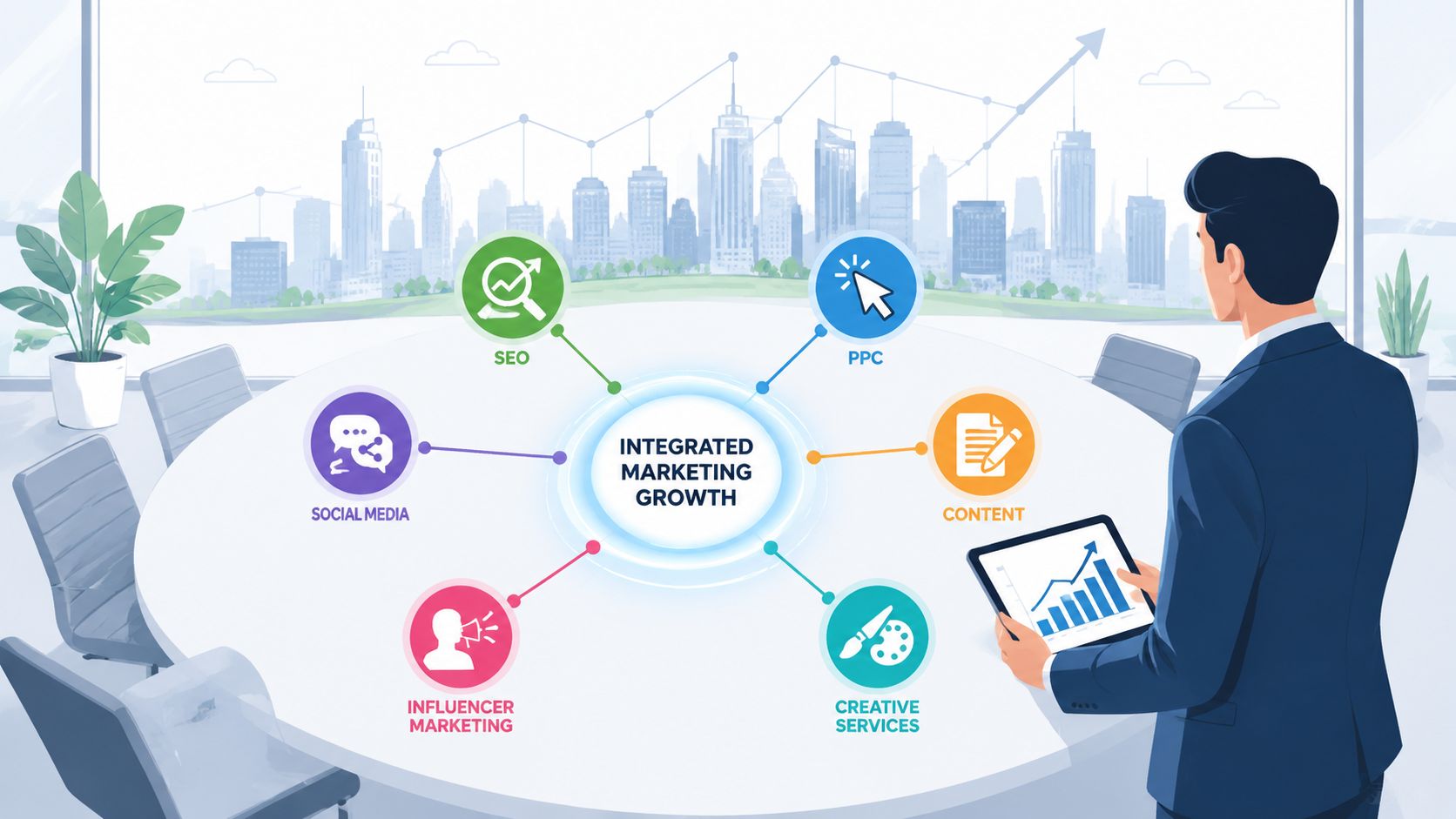
The right next move is usually to narrow the stack, not rebuild it. Choose two or three tactics that fit your market, your sales cycle, and the time your team can dedicate to them. A founder-led service business may get faster traction from LinkedIn outreach, referrals, and case studies. A product-led SaaS team may do better with SEO, email nurture, and interactive tools. A larger B2B organization may need account-based outreach, webinars, and paid retargeting working together.
Start where your buyer already pays attention. Buyers spend a limited share of the journey with suppliers, so they research long before they speak with sales. Your job is to show up early with useful information and low-friction ways to engage. That is also why stronger programs usually combine distribution, nurture, and conversion instead of asking one channel to do every job.
The bigger mistake is measuring the wrong thing. Lead volume alone is a weak signal. Track whether leads become meetings, whether meetings become opportunities, and whether sales trusts the source. A channel that sends fewer leads but creates more qualified conversations is often the better business decision.
Use a simple rollout order if you are starting from scratch. Launch one acquisition tactic, one nurture tactic, and one proof asset. For example, pair LinkedIn outreach with a short email sequence and a focused case study. A small software vendor I worked with tried that mix before expanding into paid ads, and the team learned quickly which message produced real conversations instead of idle form fills. That kind of stack is easier to manage than a pile of disconnected tests, and it gives each lead a sensible next step.
ReachLabs.ai fits naturally into this kind of stack if you need managed LinkedIn outreach, content, or creative support tied to lead generation. The important part is not the provider, though, it is the discipline. Test one message, one offer, and one follow-up path at a time, then improve what moves pipeline.
Pick one idea today, build the first version this week, and measure it next week. The fastest path to better B2B lead generation is usually a cleaner execution loop, not a bigger plan.
A CTA for ReachLabs.ai.