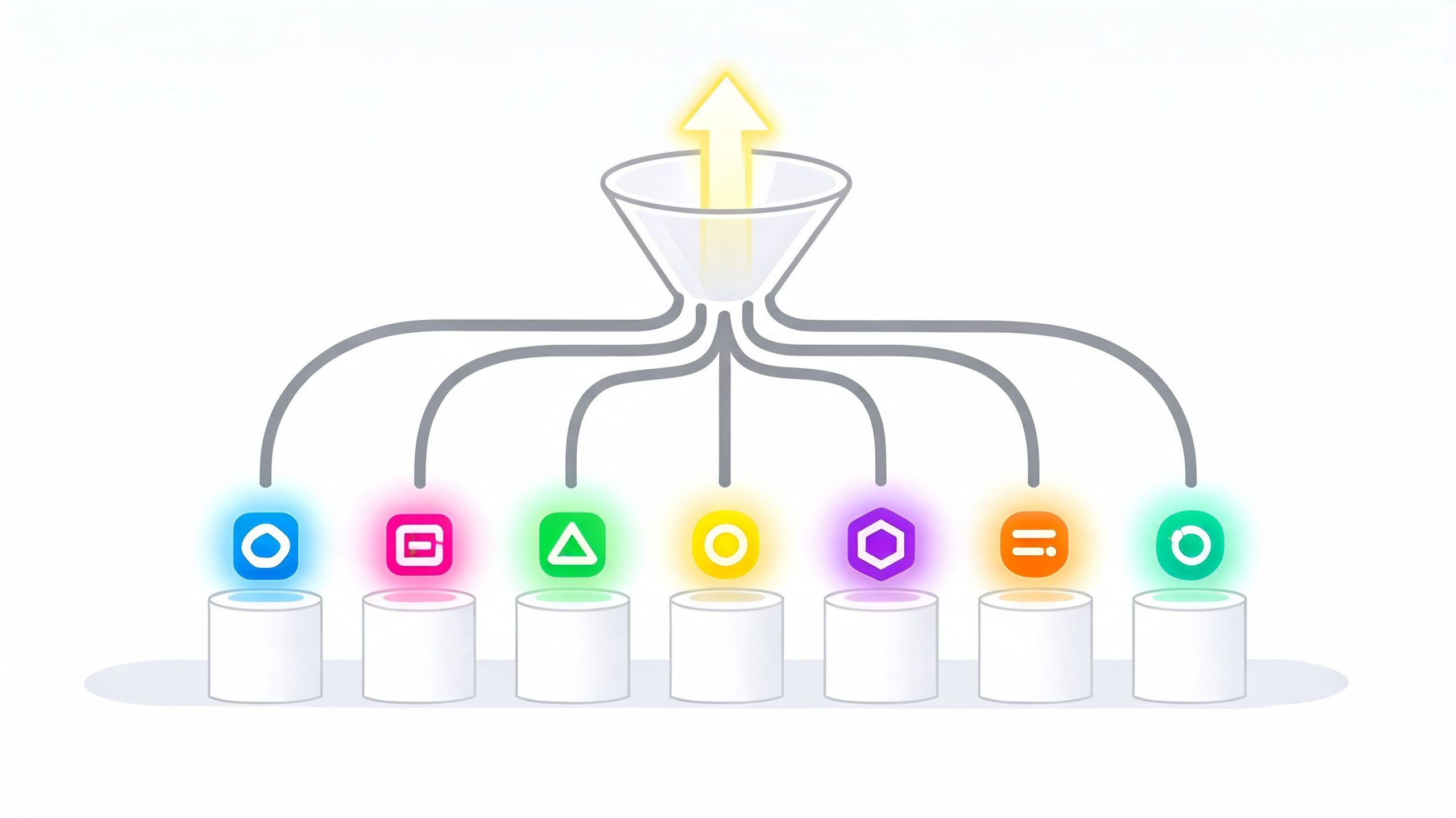
A common mistake shows up after the first disappointing month with a lead vendor. Sales gets a CSV full of names that match a title filter. Marketing gets a report with send volume, open rates, and little else. Pipeline barely moves, and the team is left arguing about whether the problem was the list, the message, or the agency.
That is why this decision deserves more rigor than a simple top-10 ranking. Analysts at Grand View Research cover the broader category in their lead generation market analysis, and the growth in this market explains why so many firms now claim to solve pipeline. More choice helps at the top of the funnel. It also makes diligence harder, because these providers do very different jobs under the same label.
I evaluate lead companies by use case first. Some firms run outbound programs end to end. Some are better as data providers for an in-house SDR team. Others sit somewhere in the middle and add strategy, creative, or channel support. If you need a benchmark for how niche channel tactics can affect lead quality, even something specific like using Instagram to find real estate leads shows the broader point. Source matters. Offer matters. Channel fit matters.
Start with the bottleneck, not the brand name.
If your team lacks messaging, segmentation, and campaign infrastructure, a full-service partner will usually outperform a cheaper list seller. If your outbound engine already works and you just need better contacts, a specialized data provider may be the smarter buy. Teams that need help across targeting, messaging, and execution should review managed lead generation services for multi-channel pipeline building before they default to a pure appointment-setting shop.
The companies below are ranked, but the ranking is not where the primary value lies. The primary value is knowing which model fits your budget, growth stage, and sales motion before you sign a contract.
1. ReachLabs.ai

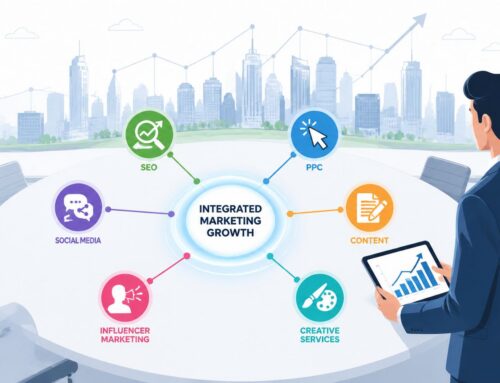
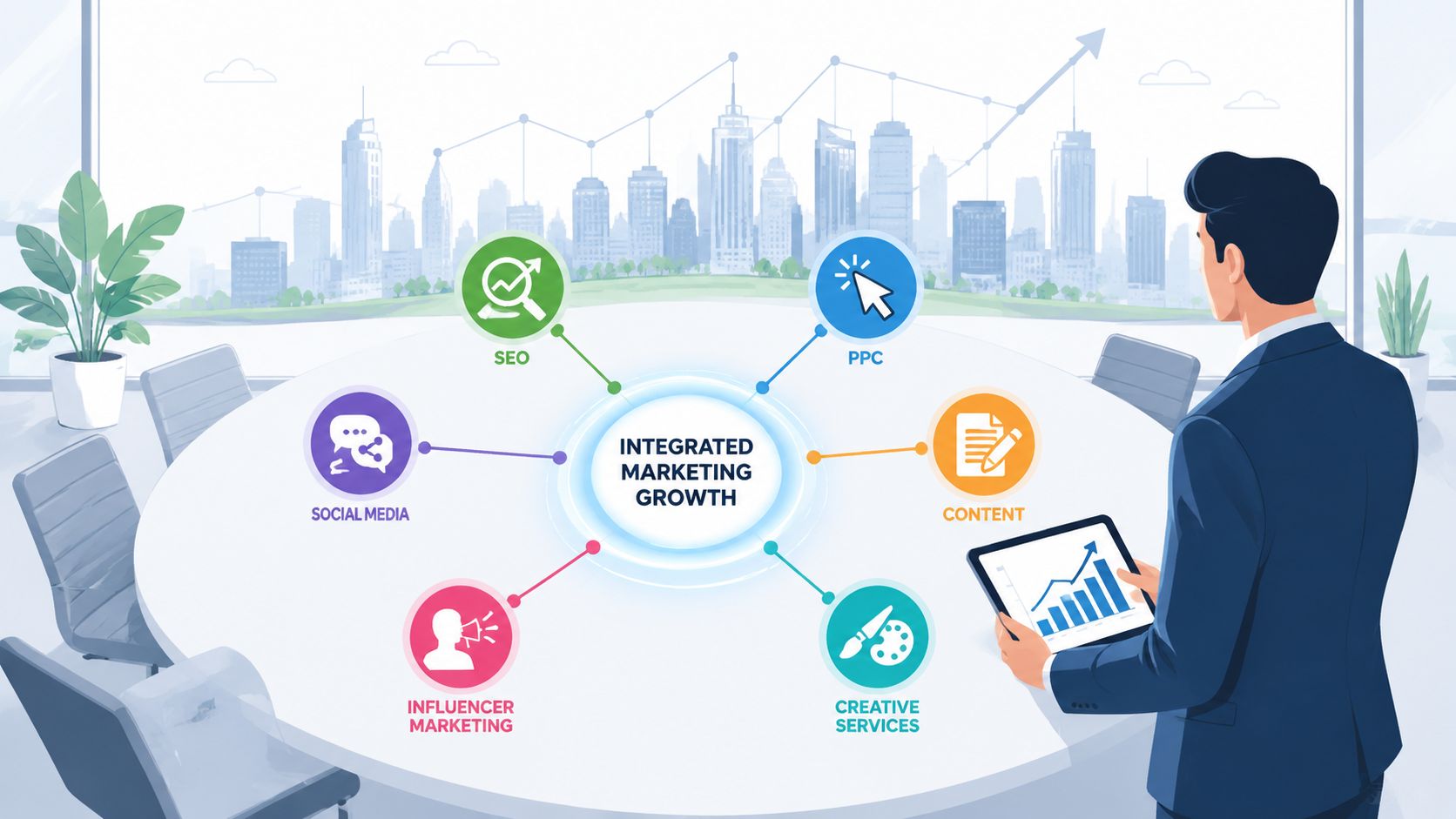
ReachLabs.ai stands out if you don't want a narrow appointment-setting shop. It offers a broader operating model that combines digital strategy, creative execution, influencer work, and managed outreach. That matters when your lead problem isn't just outreach volume, but weak messaging, thin brand authority, or disconnected campaign assets.
I've found that many companies hire an agency to fix pipeline, then realize the actual issue sits upstream. The offer isn't sharp. The landing pages don't convert. Sales outreach doesn't match the brand promise. ReachLabs is better positioned for that kind of situation than a pure list-and-sequence vendor.
A practical starting point is its lead generation services, which sit inside a wider service mix rather than in isolation.
Why ReachLabs.ai fits full-service buyers
The company is best for teams that need coordination more than another tool. That's the specialization versus full-service trade-off in plain terms. A niche outbound provider may be stronger if you already have positioning, content, and creative locked down. ReachLabs makes more sense when you need those functions to work together.
That integrated model also aligns with a real market gap. Many rankings of best lead companies focus on isolated tactics, but they rarely address whether a consolidated partner can outperform a stack of separate vendors for smaller teams with limited bandwidth (industry gap on specialization versus full-service support).
Practical rule: If you need demand capture and message development at the same time, don't split those jobs across three vendors unless someone in-house can orchestrate all of them.
ReachLabs also includes services that are useful beyond classic lead gen, including investor decks, personal brand support, and LinkedIn outreach. For founder-led firms, agencies, and service businesses, that's not fluff. It's often part of how trust gets built before a buyer ever books a meeting.
A useful outside example of channel-specific lead capture is this piece on using Instagram to find real estate leads. Different market, same lesson. Buyers don't appear from one channel alone.
Trade-offs to vet carefully
ReachLabs isn't the pick for buyers who want a public rate card and a catalog of visible case studies before the first call. Pricing isn't published. Public-facing testimonials and awards also aren't prominent on the site. That doesn't make it a weak option, but it does mean your diligence process needs to be tighter.
Ask for these before you sign:
- Relevant client examples: Request work that matches your sales cycle, deal size, and target market.
- Reporting definition: Make them show how they distinguish raw leads from qualified opportunities.
- Channel ownership: Clarify who owns creative, media, audience research, and follow-up processes.
This is the best fit on the list for buyers who want one partner to shape the story, distribute it, and turn attention into pipeline.
2. Belkins

Belkins is one of the safest names to shortlist if your immediate need is outbound appointment setting for B2B. It has strong market visibility, a process-heavy approach, and a reputation for treating meeting quality as the actual product.
That distinction matters because most lead programs don't fail on top-of-funnel activity. They fail after the handoff. One of the clearest industry problems is the lack of standardized ROI language around what counts as a qualified lead and how agencies tie activity to actual business outcomes (ROI transparency gap in lead generation).
Where Belkins usually works best
Belkins is most useful when your company already knows its ideal customer profile and can support sales conversations once meetings land. In that environment, a focused outbound partner can move faster than a broader agency because the operating system is already there.
Its model is a better fit for established B2B firms than for companies still guessing on market positioning. If you're still refining your message, a pure appointment-setting engine can amplify the wrong pitch very efficiently.
For teams comparing full-service and outsourced outbound, it's worth also reviewing outsourced lead generation services so you know what functions you'll still need to manage internally.
Good agencies don't just ask who you want to target. They ask what happens after someone says yes to a meeting.
Main trade-offs
Belkins isn't a budget-first option. Pricing is custom, and buyers should expect a premium relative to smaller shops. That's usually acceptable when the agency can demonstrate process maturity, but you need to know what part of the service you're really paying for. Is it research depth, copy quality, deliverability management, account strategy, or SDR operations?
A few diligence questions matter more here than feature lists:
- Qualification standard: What has to be true before Belkins counts a meeting as qualified?
- Optimization rhythm: How often do they revise messaging, targeting, and list criteria?
- Sales handoff: How do they handle no-shows, reschedules, and weak-fit prospects?
Belkins belongs on this list because it knows its lane. If you want a specialist in outbound execution rather than a broad marketing partner, it's a strong candidate.
3. CIENCE

CIENCE is built for scale. If your company wants an outsourced SDR function that can support multi-channel prospecting across several verticals, CIENCE is usually in the conversation early. It blends human reps, research support, and AI-enabled workflows under one roof.
That breadth is the attraction and the risk. Large providers can support complex go-to-market motions, but they also require tighter account management from the client side. You can't assume a big delivery team will automatically understand your category nuance.
The practical advantage
CIENCE is attractive when internal sales leadership wants volume capacity without building a full SDR team from scratch. It can handle the operational side of prospecting at a level many mid-market teams can't maintain internally.
This is also where AI matters in a useful way. Not as a buzzword, but as a workflow layer for research, prioritization, and sequencing. Teams weighing that model should compare it with current thinking on lead generation AI, because the right question isn't whether a vendor uses AI. It's whether the AI improves targeting and rep productivity without making outreach feel generic.
Where buyers get tripped up
CIENCE is not a set-it-and-forget-it partner. Public sentiment around larger outsourced SDR firms is often mixed because outcomes depend heavily on account staffing, message calibration, and the quality of your internal feedback loop.
The mistake I see most often is handing over a rough ICP and hoping the agency figures out the rest. That almost always creates noise.
Use this standard when evaluating CIENCE:
- Team continuity: Ask who stays on the account after kickoff.
- Vertical familiarity: Request examples from your market, especially if your buyer is technical or regulated.
- Escalation path: Find out how quickly they replace weak messaging or poor-fit targeting.
CIENCE makes sense for companies that need execution muscle and can manage the partnership actively. It makes less sense for buyers looking for a highly bespoke, founder-level service model.
4. Martal Group

Martal Group is one of the better options for companies that want outsourced SDR capability without hiring a full internal team. Its pitch is straightforward. You get experienced reps, managed outbound, and an AI-assisted workflow to support targeting and outreach.
Buyers select Martal because of the strategic advantage it provides rather than just its size. If your leadership team requires senior outbound execution but prefers not to recruit, train, and supervise that function internally, Martal fits the gap.
Best use case
Martal is strongest for B2B tech and services firms with a defined offer and clear ICP. Fractional SDR support works best when the market thesis is already in place. These programs are not built to discover your positioning from scratch.
That makes Martal a good middle path between hiring internally and signing with a very large SDR-as-a-service provider. You get more structure than a freelancer model and often more focus than a mass-market vendor.
The cleaner your ICP, the better outsourced SDR programs perform. Ambiguous targeting turns every agency into an expensive experiment.
Real trade-offs
Like many firms in this category, Martal doesn't publish simple pricing. Engagements are usually custom and may involve minimum commitments. That's normal in this part of the market, but it means buyers need to evaluate fit based on operating method, not sticker price alone.
Three things to press on in diligence:
- Rep seniority: Confirm whether experienced reps are doing the work or just shaping the playbook.
- Message testing: Ask how they adapt sequences after the first wave of market feedback.
- Pipeline ownership: Clarify how data, accounts, and learnings transfer back to your team.
Martal is a solid choice if you want outbound execution with some strategic maturity, but you should only buy it once your messaging foundation is credible.
5. LeadGenius

LeadGenius is different from most names on this list because its value is precision, not broad campaign execution. If off-the-shelf databases keep missing the right contacts, accounts, or buying committees, LeadGenius becomes useful fast.
I've used this kind of vendor when standard data platforms were too blunt for the job. Niche verticals, unusual job titles, and complex buying centers are where generic contact databases start to break down.
Where LeadGenius earns its keep
LeadGenius is a good fit for account-based motions, expansion into less obvious segments, and teams selling into markets where job titles don't map cleanly to common database filters. The managed research element is the point. You're paying for custom discovery and verification, not just access.
That can be especially helpful when your sales team wastes too much time validating contacts that looked fine on paper but were wrong in practice.
What to watch
The downside is simple. Precision costs more than commodity data. LeadGenius isn't the right spend if your team can't monetize better-fit targeting. It also requires a more disciplined kickoff because vague instructions produce vague data.
Ask for clarity on these points:
- Data specification: Define exact titles, exclusions, account traits, and geography before launch.
- Compliance process: Make sure your legal and ops teams are comfortable with the sourcing model.
- Activation plan: Know who will turn the dataset into outreach, because data alone doesn't create pipeline.
LeadGenius is one of the best lead companies for buyers whose bottleneck is target identification, not campaign management. That's a narrower use case, but when it's your bottleneck, it matters a lot.
6. Callbox

A common buying scenario looks like this. The team has already tried email-only outreach, results have flattened, and leadership wants more meetings without hiring an internal SDR function from scratch. Callbox is built for that kind of need.
Its appeal is breadth. Callbox runs phone, email, LinkedIn, and follow-up nurture under one managed program, which makes it a practical option for companies that want coordinated outbound rather than a single tactic. That matters because this is not just a ranking decision. It is a fit decision. Buyers who need one vendor to execute across channels will evaluate Callbox differently than buyers who only need better data or appointment setting.
I usually put Callbox in the "broad coverage, established process" bucket. That can be a good trade if your main problem is execution capacity. It is less compelling if you already have strong channel specialists in-house and only need one narrow gap filled.
Where Callbox fits best
Callbox tends to make more sense for mid-market teams that want a managed outbound engine with enough structure to support multiple touches over time. If your sales motion requires calls, email follow-up, and light nurturing before a prospect is ready to talk, the model is directionally sound.
Another practical advantage is buying clarity. Callbox gives buyers more visibility into how pricing is shaped than many boutique agencies do. You still need a scoped proposal, but at least the cost conversation starts from understandable variables such as audience, geography, and channel mix.
What to test before you sign
Multi-channel sounds good on a sales call. The hard part is whether each channel is doing real work or just padding the program. Ask direct questions and press for examples.
Focus your diligence on these areas:
- Channel role: Ask which channel creates first response, which one handles follow-up, and which one is expected to convert interest into meetings.
- Call execution: Review how reps are trained, how call scripts are adapted by segment, and whether live conversations are a meaningful part of the program.
- Lead handling: Check what happens to early-stage interest, recycled prospects, and contacts who engage but are not ready for sales.
- Success measurement: Require reporting that separates raw activity from qualified meetings, pipeline influence, and conversion by channel.
Callbox is one of the better options for teams that want a full-service outbound partner without stitching together separate vendors. The trade-off is that broad service models need tighter oversight. If you run a disciplined kickoff and hold them to channel-level accountability, Callbox can be a solid fit.
7. Abstrakt Marketing Group

Abstrakt Marketing Group is worth considering if you want one provider for outbound pipeline generation plus supporting inbound and creative functions. That broad service mix is the main draw. It reduces vendor sprawl.
This can be useful for companies that don't have enough internal management bandwidth to coordinate separate SDR, creative, and digital partners. In that sense, Abstrakt competes more with full-service operators than with narrow prospecting shops.
Where Abstrakt can make sense
The firm is a better fit for buyers who value operational convenience and want one contract covering several growth functions. If your team struggles more with execution coordination than with strategy, that simplicity has real value.
There's also a practical upside to having outbound and supporting marketing assets under one roof. Messaging can stay more consistent across emails, sales collateral, landing pages, and nurture material.
Buying one broad vendor can reduce friction. It can also hide weak performance inside a larger bundle. Make them report each function separately.
The caution flag
This is not a vendor to sign casually. Pricing and contract structure deserve close review, and public experiences are mixed enough that reference checks matter. I wouldn't move forward without speaking to current or recent clients who look like your business.
Ask these questions before you commit:
- Service split: Which parts are core delivery and which parts are upsells?
- Contract terms: Review cancellation language, ramp periods, and success definitions carefully.
- Role clarity: Identify who owns outbound strategy versus creative or RevOps support.
Abstrakt belongs on a best lead companies list because it addresses a common buyer need. Centralization. Just make sure centralization doesn't come at the expense of accountability.
Top 7 Lead Companies Comparison
| Provider | 🔄 Implementation complexity | ⚡ Resource requirements | 📊 Expected outcomes | 💡 Ideal use cases | ⭐ Key advantages |
|---|---|---|---|---|---|
| ReachLabs.ai | Medium, custom, multi-discipline campaigns require scoped planning 🔄 | Moderate–High, creative production, paid media, influencer budgets and specialist time ⚡ | Measurable gains in lead generation and brand visibility when scoped and executed well 📊 | SMBs, founders, creators needing integrated growth, pitch decks, or personal-brand work 💡 | Specialist-driven, data-focused, and integrated creative + influencer approach ⭐ |
| Belkins | Low–Medium, process-oriented SDR workflows with fast kickoff 🔄 | Moderate, outbound spend and ongoing campaign management; clear ICP needed ⚡ | High-quality, qualified meetings with emphasis on show rates and attendance 📊 | US B2B firms with defined ICPs and higher ACVs seeking appointment setting 💡 | Strong third-party reviews and focus on meeting quality over volume ⭐ |
| CIENCE | Medium–High, combines AI tooling with human SDRs and multi-channel flows 🔄 | High, scale-oriented operations, data, and tooling for broad vertical coverage ⚡ | Scalable prospecting and qualification; results can vary by campaign and team 📊 | Companies needing large-scale, multi-vertical outbound programs 💡 | Unified data + outreach at scale with published vertical playbooks ⭐ |
| Martal Group | Medium, managed fractional SDRs with AI-assisted research and messaging 🔄 | Moderate, fractional senior reps reduce headcount costs but need clear inputs ⚡ | Senior-level outreach and higher relevance meetings without full-time hires 📊 | B2B tech/services seeking experienced SDR capability without hiring FTEs 💡 | Fractional senior reps plus tech-forward workflows for better targeting ⭐ |
| LeadGenius | High, bespoke data sourcing and verification with compliance controls 🔄 | Moderate–High, investment in custom research and ongoing collaboration ⚡ | Highly accurate, hard-to-find contacts and better ABM targeting when spec'd correctly 📊 | Teams needing niche roles, mid-market segments, or global buying-center data 💡 | Strong data provenance, human-in-the-loop accuracy, and compliance focus ⭐ |
| Callbox | Medium, multi-touch campaigns with flexible engagement models 🔄 | Moderate, phone, email, social outreach and optional database support ⚡ | Consistent multi-channel pipeline potential; outcomes dependent on rep quality 📊 | US-targeted SMB and mid-market campaigns needing multi-touch outreach 💡 | Transparent pricing guidance and broad campaign experience ⭐ |
| Abstrakt Marketing Group | Medium–High, integrated outbound + inbound services require coordination 🔄 | Moderate–High, ongoing SDR programs plus creative/inbound resources ⚡ | Predictable, ongoing pipeline when paired with multi-month collaboration 📊 | Organizations wanting one vendor for outbound pipeline and supporting marketing assets 💡 | Broad service catalog that simplifies vendor management and alignment ⭐ |
How to Choose Your Lead Generation Partner
You hire a lead generation partner because something in the revenue engine is underperforming. Pipeline is thin. Reps are spending too much time prospecting. Good-fit accounts are not turning into conversations. The right vendor depends on which of those problems you are trying to fix.
That is why this list should be used as a decision framework, not a simple ranking. ReachLabs.ai fits teams that need strategy, messaging, creative, and outbound execution working together. Belkins and Martal Group are better fits when positioning is already solid and the main gap is outbound production. LeadGenius is a different buy entirely. It makes more sense when your team can run campaigns but lacks accurate data for niche accounts, regions, or buying committees.
Channel fit matters, but operating fit matters more. A firm can be strong at outbound and still be wrong for your sales motion if it has never handled your deal size, sales cycle, or buyer group. I put more weight on use-case evidence than on polished case studies. Ask what they have done for companies with similar ACV, similar ramp time, and similar handoff rules between marketing and sales.
LinkedIn deserves attention for B2B programs because professional buyers spend time there and many vendors now claim some version of a LinkedIn motion. Analysts cited by Saleshandy note LinkedIn's large global user base and its outsized role in B2B social lead generation, which makes platform fluency a reasonable diligence point for any partner selling into professional audiences (LinkedIn B2B lead generation stats and projection).
The handoff process is where many programs break. An agency can book meetings and still fail the business case if your team does not follow up fast, if lead definitions are loose, or if discovery quality is weak. Cost per lead looks fine on paper right up until sales starts rejecting half the names.
During diligence, I look for five things:
- Relevant proof: Ask for examples from your market, with similar buyer titles, sales complexity, and contract values.
- Clear qualification rules: Define what counts as a lead, meeting, SQL, and disqualification before launch.
- Ownership after the handoff: Confirm who follows up, how fast they respond, and what happens to no-shows or unresponsive prospects.
- Reporting tied to revenue logic: Review sample dashboards before signing. Activity counts are not enough.
- Live references: Speak with current or recent clients, not just the logos shown in a pitch deck.
Budget should be judged against the problem you are solving, not against a generic market average. Some buyers need scale at a controlled cost. Others need fewer, better-fit opportunities and should expect to pay more for research, senior outreach talent, or tighter qualification. The trade-off is straightforward. Broad volume usually lowers unit cost. Specialization usually improves fit but raises program cost and limits scale.
The best buying posture is simple. Identify the bottleneck first, then choose the partner built for that use case. Get alignment on qualification, reporting, and follow-up before the contract is signed.
If you want a partner that can connect lead generation with creative, brand authority, managed LinkedIn outreach, and broader digital execution, ReachLabs.ai is a strong place to start. It's especially well suited for teams that need more than meetings alone and want a coordinated growth system instead of another siloed vendor.