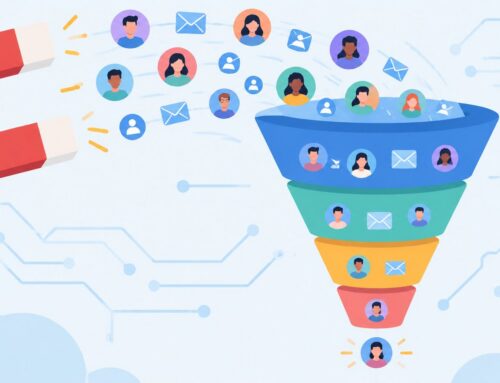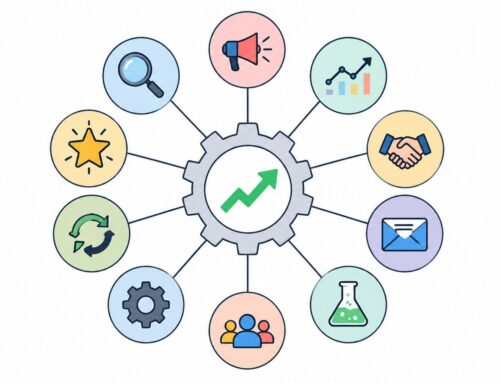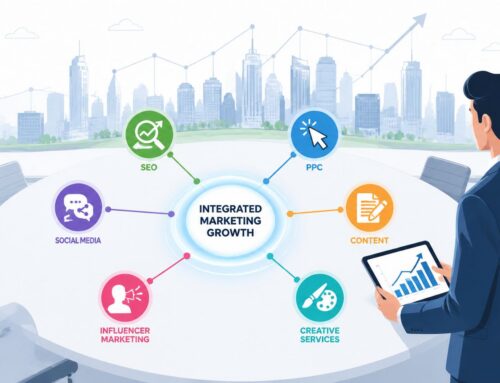

Lead generation is still a board-level priority for B2B teams, yet volume alone keeps failing to produce revenue. Many companies are collecting names, filling the CRM, and reporting activity while sales teams keep asking the same question: which of these leads are worth the spend?
That gap is why lead generation ai matters. The actual opportunity is not more top-of-funnel noise. It is a measurable system that helps teams identify buying signals earlier, route attention to the right accounts, and connect marketing effort to qualified pipeline and closed revenue.
In practice, the problem is usually operational.
Many businesses do not have a lead shortage. They have weak prioritization, fragmented workflows, and reporting that stops at form fills or MQLs. That setup makes it hard to see what is working, harder to improve it, and nearly impossible for an agency or internal team to prove ROI with confidence.
Outdated tactics still create motion. Purchased lists, broad outbound sequences, static lead scoring, and slow handoffs can generate activity for a dashboard. They rarely produce consistent pipeline quality. Lead generation ai works best when it is configured as part of the operating system for demand generation, sales follow-up, and measurement, with clear rules for data, scoring, routing, and feedback.
Beyond the Hype What Is Lead Generation AI Really
High-performing revenue teams are already changing how they identify and prioritize demand. The key shift is not that AI can produce more activity. It is that AI can turn scattered signals into a working system your team can measure, tune, and defend in a client review or board meeting.
Lead generation ai is the intelligence layer inside that system. It uses data from firmographics, on-site behavior, CRM history, email engagement, intent sources, and sales outcomes to help teams decide who deserves attention now, what action should happen next, and how to improve the model over time. That is a very different job from merely automating outbound or writing subject lines.
A good setup changes lead management from a static process into a live one. A prospect who looked cold on Monday can move to the top of the queue by Thursday because their account visited pricing pages, engaged with comparison content, or matched a buying pattern that previously led to qualified pipeline. AI helps teams catch those shifts faster than a manual scoring sheet can.
That speed matters. So does context.
What AI does well
Used properly, AI improves specific parts of lead generation that usually break under manual effort:
- Dynamic lead scoring based on fit, behavior, and historical conversion patterns instead of fixed point values
- Signal detection across channels so teams can spot in-market accounts earlier
- Outreach support that helps reps tailor messaging faster without starting from a blank page
- Priority updates as new data enters the CRM, MAP, or sales engagement platform
- Attribution inputs that make it easier to connect lead quality to pipeline and revenue, not just top-of-funnel volume
If your team still relies on a basic points model, this lead scoring guide is a useful reference point before adding predictive scoring and automation.
What AI does not solve
AI does not fix weak positioning, poor offer strategy, messy CRM data, or unclear ownership between marketing and sales. It also does not remove the need for judgment. If the model pushes the wrong accounts to reps, the problem is usually upstream. Bad inputs, vague lifecycle stages, and missing feedback loops will produce bad output faster.
I see the same failure pattern often. Teams buy an AI tool, connect a few data sources, generate a score, and assume the score is the strategy. Then nobody can explain why one lead ranked above another, sales stops trusting the system, and reporting falls back to vanity metrics.
A reliable lead generation ai program should answer three operational questions clearly:
- What signals are being used to rank or route leads?
- What action happens when a threshold is met?
- How is performance tied back to qualified pipeline and closed revenue?
If those answers are fuzzy, the setup is not ready for scale.
The practical way to view lead generation ai is simple. It is not a replacement for strategy. It is the operating layer that helps a sound strategy run with better timing, better prioritization, and tighter measurement. That is why agencies and in-house teams get the most value from it when they build around process and ROI, not hype.
The Four Pillars of AI Lead Generation
Most effective lead generation ai programs rest on four connected capabilities. If one is weak, the whole system gets less reliable.

Predictive scoring
Predictive lead scoring uses machine learning to rank prospects by likelihood to convert. Done well, it replaces static point systems that overvalue simple actions like a single ebook download and undervalue stronger buying signals.
According to Jeeva's explanation of AI lead generation fundamentals, predictive lead scoring models can produce 3x more qualified meetings by analyzing behavioral data, firmographic details, and intent signals. That's the business case for moving beyond spreadsheet-based scoring.
If you want a practical primer on how scoring frameworks work before layering in AI, this guide to lead scoring is a useful reference.
Intent data analysis
Intent analysis identifies accounts that are actively researching a category before they fill out a form or ask for a demo. AI starts to outperform traditional prospecting by a wide margin through this process.
The same Jeeva source notes that intent signal detection can identify over 500 new companies actively researching a product category within a single month. That doesn't mean every account is sales-ready. It means your team no longer has to guess who might care.
A common mistake is to treat all intent signals as equal. They aren't. A casual content visit is different from repeated engagement across multiple topics, roles, and sessions. AI helps sort weak signals from useful ones.
Conversational AI
Conversational AI handles the first layer of engagement on channels like website chat, email reply triage, and qualification workflows. It's most effective when it reduces friction, not when it pretends to be a full replacement for a sales conversation.
Use it to answer basic questions, route prospects, gather context, and book the next step. Don't use it to bury buyers in robotic scripts.
Good conversational AI feels fast and helpful. Bad conversational AI feels like a gatekeeper.
Automated personalized outreach
Many teams rush in too early. AI-generated outreach can save hours, but only if the system has enough context to say something relevant.
The strongest programs personalize based on role, company context, recent behavior, and stage. The weakest ones swap a first name into a generic message and call it AI.
Here's the operational difference:
| Tactic | Traditional Method | AI-Powered Method |
|---|---|---|
| Prospect selection | Manual list building based on static filters | Dynamic prioritization using behavior, fit, and active intent |
| Lead scoring | Fixed rules in CRM | Machine learning model that updates as new signals appear |
| Outreach writing | SDR writes each message from scratch or uses templates | AI drafts context-aware messaging for review and refinement |
| Follow-up timing | Rep-driven, inconsistent timing | Automated sequencing based on engagement patterns |
| Qualification | Human review of each lead | AI-assisted qualification before sales handoff |
The point isn't automation for its own sake. The point is to remove low-value manual work so the team can spend time where judgment matters.
Building Your AI-Powered Lead Gen Workflow
A strong lead generation ai workflow starts before outreach. It starts with signal collection, then moves through prioritization, message generation, and handoff. If those steps don't connect cleanly, you get the worst of both worlds. More tools, more noise, same conversion problem.

Start with account detection
The first workflow layer is identifying who deserves attention. That can include website engagement, content consumption, CRM history, enriched firmographic data, and third-party buying signals. The operational goal is simple. Find accounts showing evidence of interest before your reps waste time on cold, low-fit targets.
Agencies often clean up a client's process by narrowing the audience first. Many teams still push broad outbound because it feels productive. It usually isn't.
Score and route before anyone writes copy
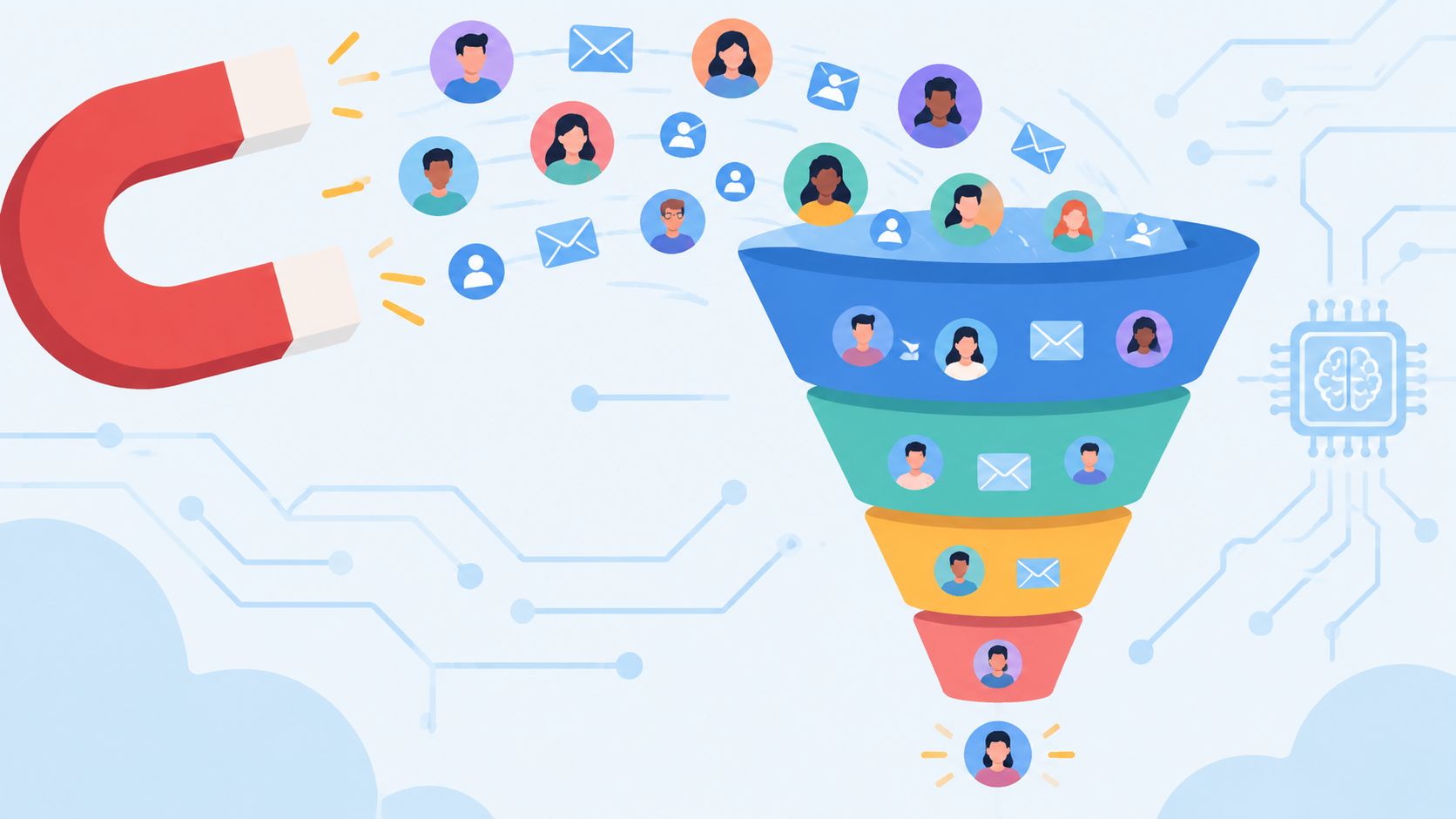
Once the signals are in, the next step is prioritization. High-fit, high-intent accounts should move to immediate outreach. Lower-confidence leads should enter nurture paths. Low-fit contacts should be excluded or held back until they show stronger behavior.
A useful setup looks like this:
- Collect signals from CRM, website behavior, forms, and enrichment sources
- Apply scoring to rank accounts and contacts by fit and likely purchase timing
- Trigger workflows based on score thresholds and stage definitions
- Assign channels such as email, LinkedIn, chat, or a sales call
- Capture outcomes so the model can improve over time
That middle layer matters more than people realize. If routing logic is weak, AI just helps you scale bad decisions faster.
Personalize with guardrails
The outreach stage is where teams are most likely to over-automate. AI can draft first-touch emails, nurture sequences, and follow-ups, but someone still needs to define tone, offer, exclusions, and escalation rules. If your copy sounds synthetic, response quality drops even when volume rises.
That's also why many content teams use tools to humanize chatgpt text before campaigns go live. Not to fake authenticity, but to remove the stiffness and repetition that buyers spot immediately.
For the nurture layer, this lead nurturing automation resource is helpful if you're mapping how contacts move between sequences, timing rules, and sales handoff.
After the framework is in place, this walkthrough helps illustrate how the pieces work together in practice.
Hand off only sales-ready conversations
The final step is where AI should reduce friction for sales, not create more cleanup. A good workflow sends reps context, not just contact records. That means recent activity, likely pain points, message history, and why the lead was flagged.
When teams skip this, SDRs lose trust in the system. They start ignoring scores and fall back to instinct. Once that happens, adoption drops and the workflow becomes shelfware.
Measuring What Matters AI-Driven KPIs
Most lead gen reporting still overweights easy metrics. Cost per lead, raw form fills, list growth, and email activity all have their place, but they don't tell you whether AI is creating better revenue outcomes. That's the measurement failure behind a lot of disappointing implementations.

The bigger issue is that many companies don't have a clear ROI framework at all. According to research on why AI-generated leads fail to convert, most organizations lack frameworks to measure ROI from AI lead generation. The same analysis notes that while case studies show a 3x conversion rate improvement, there are no transparent industry benchmarks broad enough to help SMBs calculate ROI with confidence.
Stop treating cost per lead as the headline metric
A low-cost lead that never becomes pipeline is just inexpensive clutter. AI often shifts value upstream by improving prioritization, qualification speed, and handoff quality. If your dashboard can't show that movement, you'll underreport the impact.
The KPIs that matter more are operational and revenue-linked:
- Lead-to-MQL velocity measures how quickly good-fit leads move into a qualified state
- Qualification rate shows whether AI is improving the percentage of leads accepted by sales
- Pipeline influence tracks whether AI-sourced or AI-prioritized leads contribute to open pipeline
- Meeting quality asks whether booked conversations progress
- Revenue attribution connects campaigns, channels, and workflow decisions to closed business
If your team needs a tighter measurement framework, this expert guide for sales teams is a solid companion resource for pressure-testing qualification logic.
Build a before-and-after model
The easiest way to make AI look successful is to compare it to nothing. Don't do that. Compare it to your previous operating model.
Track the same funnel with a controlled baseline. Measure pre-AI qualification quality, response quality, meeting progression, and sales acceptance. Then monitor the AI-assisted workflow against those exact checkpoints.
Measurement rule: If you can't compare AI-assisted leads to your previous process using the same funnel definitions, you don't have ROI. You have activity.
For teams trying to connect those results to channel and campaign contribution, this revenue attribution overview gives a useful lens for tying lead generation work to actual business outcomes.
Real-World Use Cases and Common Pitfalls
The practical value of lead generation ai shows up when targeting gets sharper and team time gets redirected toward higher-probability conversations.

Use case one for B2B SaaS
A SaaS company selling into a crowded category usually has the same complaint. Their reps know the market, but they can't tell who is actively evaluating alternatives right now.
In that case, intent-led targeting changes the workflow. Instead of building another broad account list, the team watches for category research, competitor-related activity, relevant content engagement, and role-based buying signals. Outreach then references the buyer's likely problem, not a generic pitch.
The gain isn't just more outreach. It's a tighter window between buyer research and first contact.
Use case two for consulting firms
Consulting firms often generate a lot of top-of-funnel names through webinars, reports, and events. The issue comes after the event. Someone has to sort serious buyers from passive attendees.
Predictive scoring helps by ranking leads based on behavior after the event, company fit, and signs of urgency. Instead of asking a partner or marketer to manually inspect every attendee, the system highlights the accounts worth immediate follow-up and pushes the rest into structured nurture.
That's one of the cleanest use cases for AI because it solves a real bottleneck without changing the offer.
The best AI implementations don't invent demand. They help teams respond to real buying signals sooner and with less waste.
The three mistakes that break good programs
Most failed implementations aren't caused by the model. They're caused by operational shortcuts.
Dirty data in the system
If CRM records are incomplete, duplicate, or stale, the scoring layer becomes unreliable. AI can process a lot of information, but it can't rescue bad inputs.Too much automation too early
Teams often automate outreach before they've validated targeting and messaging. That creates volume, but it also creates bland emails, poor replies, and brand damage.Tool selection by feature checklist
A platform can have strong AI features and still be the wrong choice if it doesn't fit your CRM, handoff process, or reporting model. Integration quality matters more than a flashy demo.
If your paid social team is evaluating AI-assisted acquisition channels alongside outbound and lifecycle workflows, this Breaker blog on Meta AI is a useful read for understanding where AI fits in campaign execution without treating every platform as interchangeable.
An Agency's Roadmap for Implementation
A reliable lead generation ai program is usually built in phases. That keeps risk manageable and gives the team time to validate what's working before scaling it across channels and segments.
Phase one with stack and process audit
Start by mapping the current environment. Look at CRM structure, enrichment tools, marketing automation, outbound platforms, chat systems, reporting, and handoff rules. Many organizations discover gaps quickly. Data sits in silos, fields don't sync, and sales stages mean different things to different departments.
The goal here isn't to buy software first. It's to identify where AI can improve an existing bottleneck.
Phase two with data cleanup and enrichment
Before model training or workflow automation, clean the foundation. Remove duplicates, standardize required fields, define lifecycle stages, and decide which firmographic and behavioral data points are useful.
This work is not glamorous, but it's usually where the eventual outcome is decided.
Phase three with calibration
Once the data is usable, calibrate the scoring and routing logic. That means setting thresholds, testing signal weighting, and checking whether flagged leads look credible to sales.
A practical calibration checklist includes:
- Field discipline so fit and behavioral data are consistently captured
- Sales feedback loops so reps can flag false positives and false negatives
- Clear stage definitions for inquiry, MQL, accepted lead, meeting, and opportunity
- Exclusion logic to avoid wasting time on bad-fit accounts
- Message guardrails so AI-generated copy stays on-brand and specific
Phase four with a controlled pilot
Don't deploy everywhere at once. Run a pilot in one segment, one offer, or one acquisition motion. Keep the audience narrow enough to learn from quickly and broad enough to spot performance patterns.
During the pilot, review outputs weekly. Check lead quality, routing accuracy, message relevance, and sales acceptance. If the team is only looking at open rates and meeting counts, they're missing the point.
Phase five with scale and reporting
Scale only after the pilot proves two things. The workflow produces leads sales wants to speak with, and reporting can show how that value is created.
A strong rollout is methodical. It doesn't try to automate the whole funnel on day one.
At scale, the program should function like a living system. Models get adjusted, segments change, messaging improves, and performance reporting gets more precise over time.
Your Next Move in AI-Powered Growth
Lead generation ai works best when you stop treating lead gen as a volume contest. The old playbook rewarded how many contacts you could push into the funnel. The modern playbook rewards how accurately you can identify demand, prioritize it, and move it toward revenue.
That shift changes what good marketing operations look like. You need stronger inputs, cleaner routing, better handoffs, and tighter measurement. You also need the discipline to avoid automating weak strategy. AI amplifies the process you already have. If the process is strong, results improve. If it's sloppy, mistakes scale faster.
The practical takeaway is simple. Audit your current lead flow with brutal honesty. Look at where reps lose time, where buyers go cold, where scoring breaks down, and where reporting stops short of revenue. Then build the system in layers, with clear ownership and measurable checkpoints.
Teams that get this right don't just generate more activity. They create a more reliable path from signal to conversation to pipeline.
If you want help turning lead generation ai from a loose set of tools into a measurable client acquisition system, ReachLabs.ai can help you audit the funnel, tighten the workflow, and build reporting that connects lead quality to revenue outcomes.