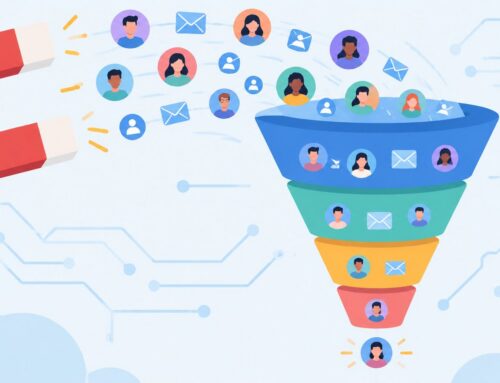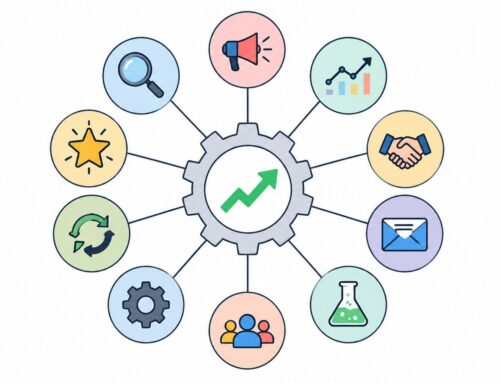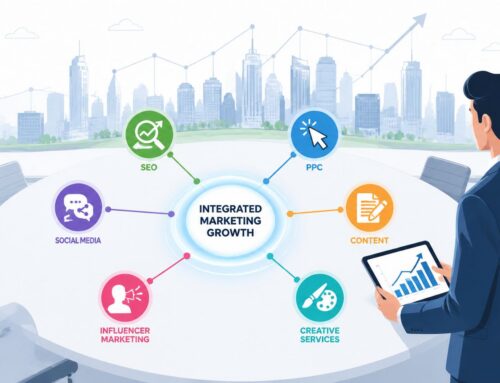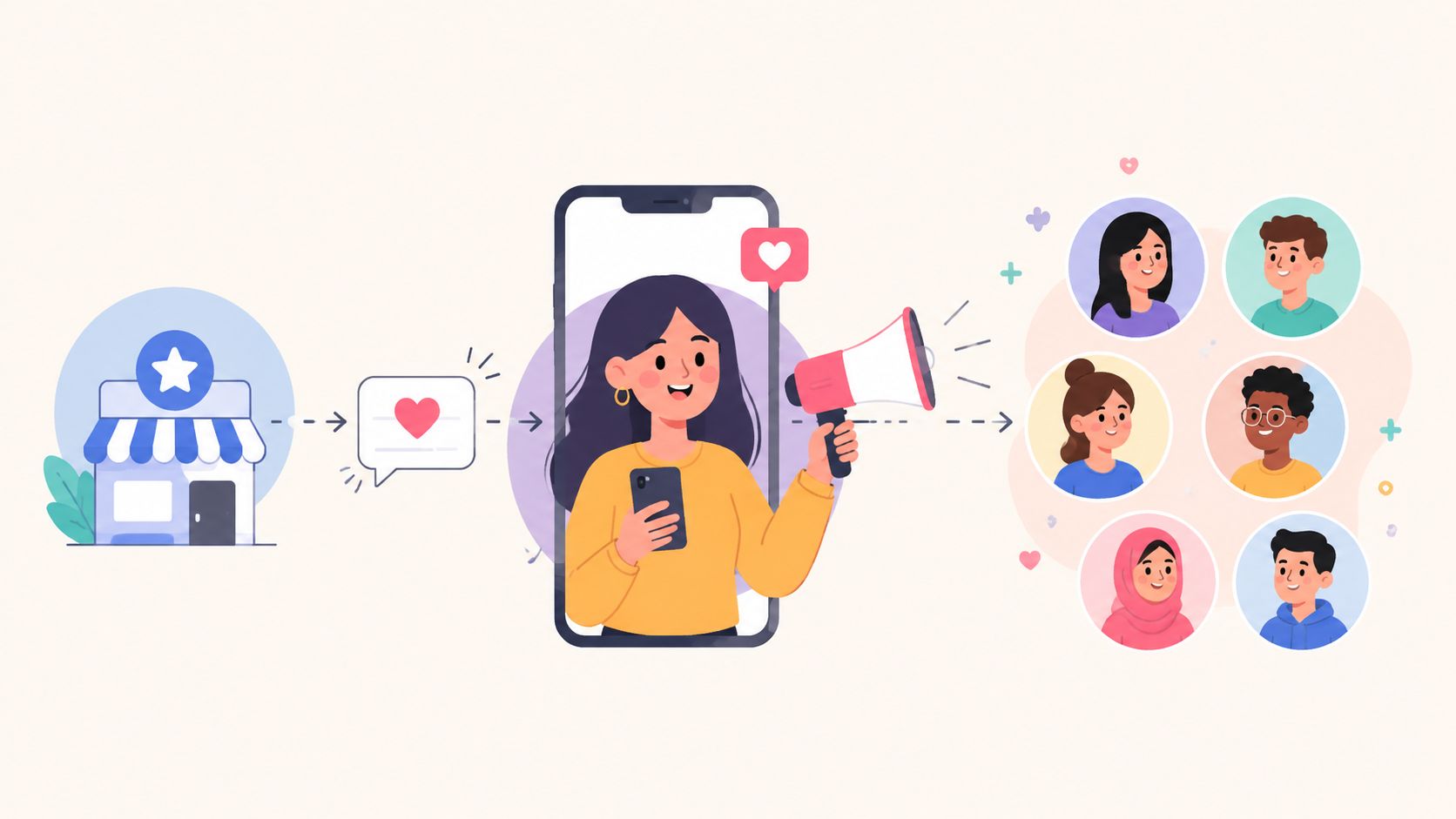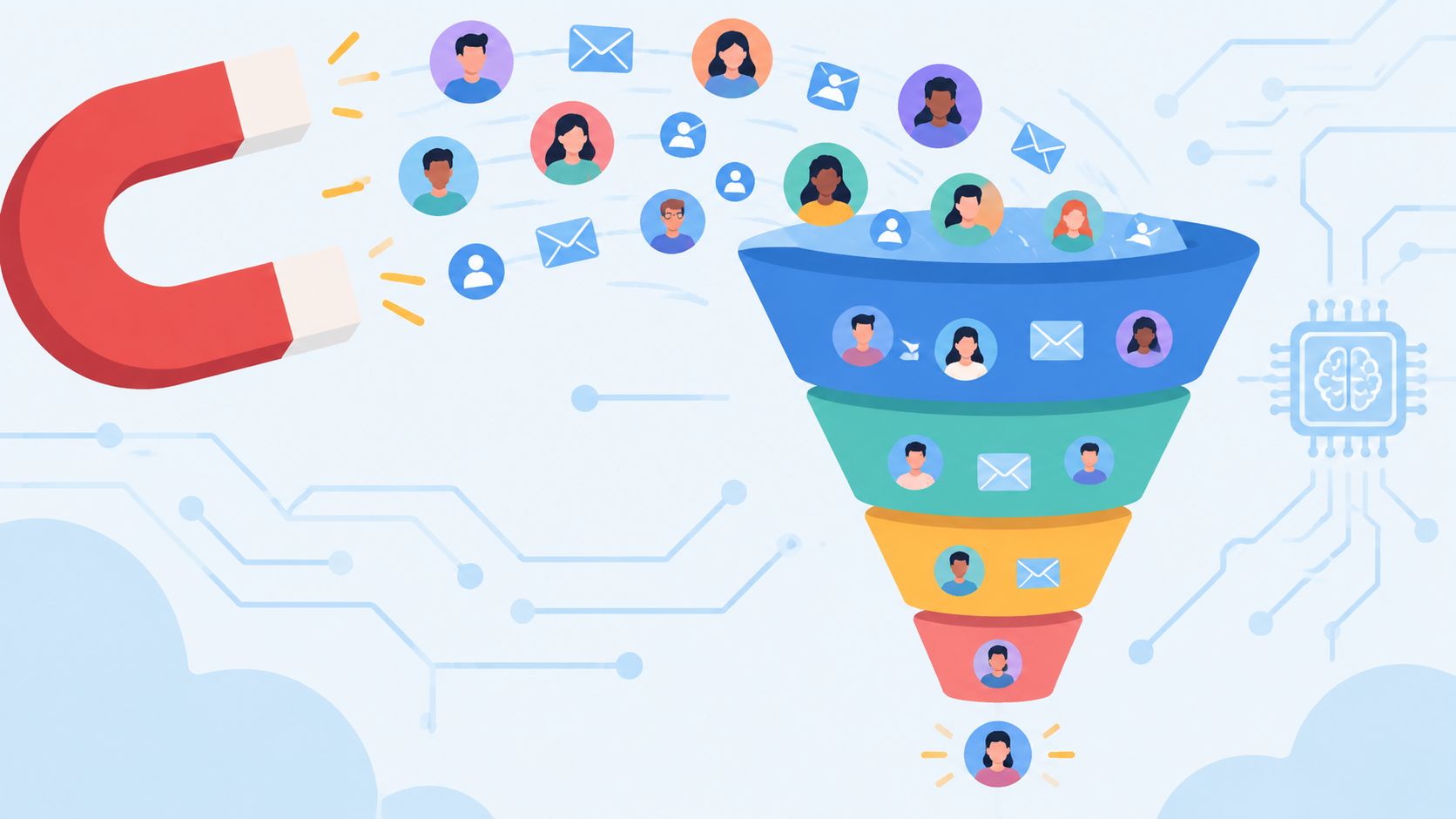
Let's cut straight to it. A lead generation service is essentially your outsourced growth team. Their entire job is to find, engage, and qualify potential customers for your business, so your sales team doesn't have to.
Think of them as expert prospectors who fill your sales pipeline with people who are actually interested, letting your closers focus on what they do best: closing.
What Are Lead Generation Services and Why Do They Matter

Here's a scenario I see all the time: a company has a fantastic sales team, but they spend half their time cold-calling and digging for opportunities. A lead generation service acts as their dedicated scouting crew, finding the right people and handing them off, ready for a real conversation.
In today's crowded market, just hoping people find you is a losing strategy. A good lead gen partner moves your business from a reactive mode—chasing down every faint sign of interest—to a proactive one. They build a system to consistently attract prospects who fit your ideal customer profile, turning your marketing spend into a predictable source of growth.
The Shift From Quantity to Quality
Not too long ago, lead generation was purely a numbers game. The goal was to shovel as many names as possible onto the sales team's plate. This "spray and pray" approach just burns out your salespeople, forcing them to sift through hundreds of dead-end contacts to find one decent conversation.
Modern lead generation services have completely flipped that script.
The real goal isn't just to get more leads; it's to get sales-ready leads. We're talking about prospects who have been vetted, warmed up, and have shown genuine buying intent. That's what skyrockets sales efficiency and ROI.
This focus on quality has never been more important. The global lead generation market is on a tear, projected to hit an incredible $295 billion by 2027, growing at a 17% compound annual rate. But here's the catch: customer acquisition costs have also jumped by roughly 60% in the last five years.
With rising ad costs and shorter attention spans, you can't afford to waste money on unqualified traffic. Smart marketers are now laser-focused on optimizing every channel to attract high-intent prospects.
The Foundation for Sustainable Growth
Partnering with a lead generation service gives you instant access to expertise and technology that would be incredibly expensive and time-consuming to build in-house. These teams bring a proven playbook to the table, ensuring your pipeline stays full month after month.
This creates a few powerful outcomes for your business:
- You can forecast revenue with much greater accuracy.
- Your sales team is freed up to build relationships and close deals.
- You establish a reliable, repeatable engine for growth.
For smaller companies, in particular, understanding the core principles of lead generation for small businesses can be the difference between stagnating and scaling.
To wrap it up, a lead generation service isn't just a vendor—they're a strategic partner that provides the fuel for consistent, sustainable growth. The table below breaks down the core functions they handle.
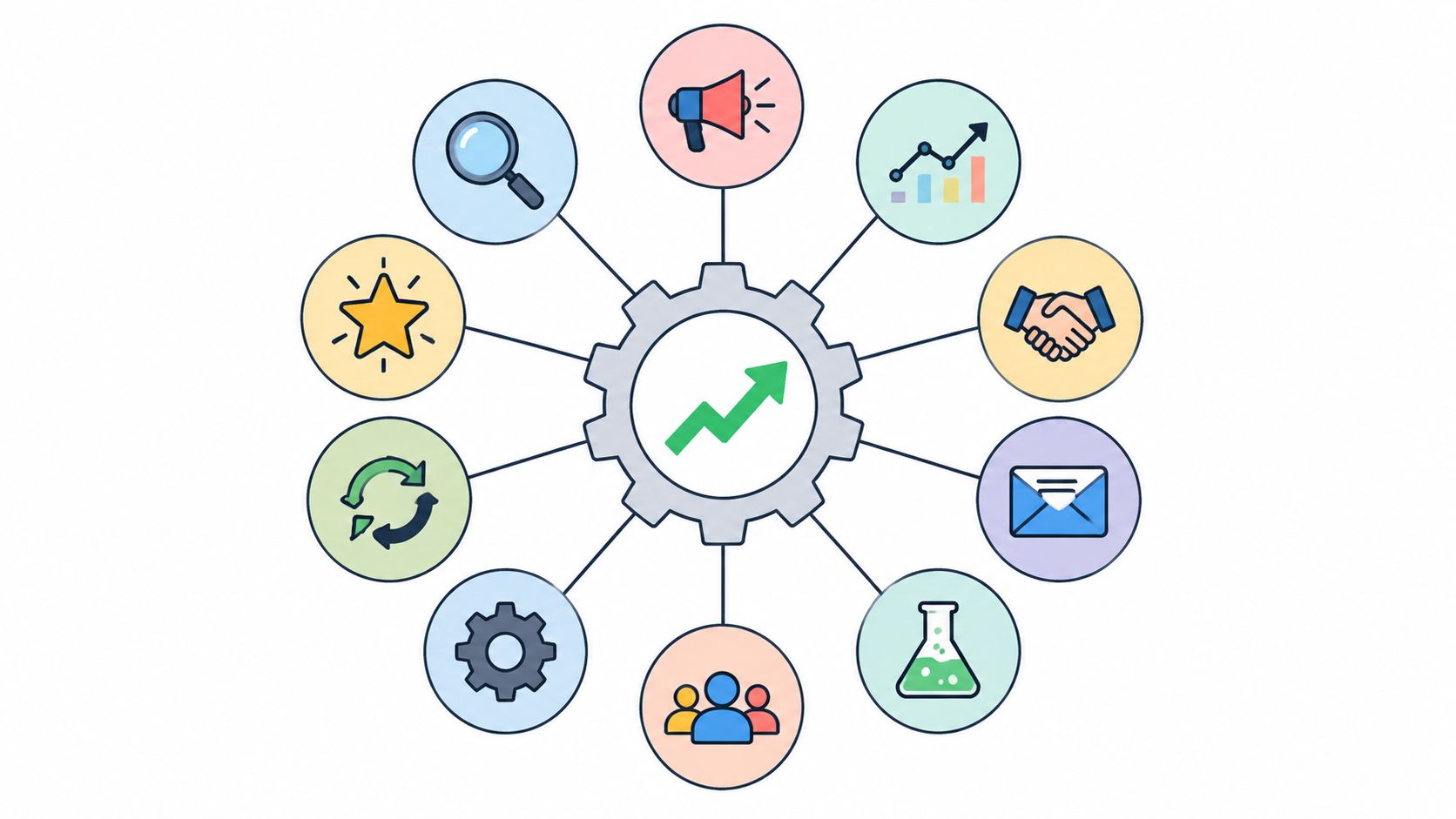
Core Components of a Lead Generation Service
| Component | What It Does | Primary Business Benefit |
|---|---|---|
| Strategy & Targeting | Defines the Ideal Customer Profile (ICP) and researches the best channels to reach them. | Prevents wasted ad spend by focusing only on the most relevant audiences. |
| Content & Offer Creation | Develops compelling assets (e-books, webinars, case studies) to attract and engage prospects. | Builds trust and authority, capturing interest from potential buyers early on. |
| Multi-Channel Outreach | Deploys campaigns across various platforms like paid ads, SEO, email, and social media. | Meets prospects where they are, maximizing the chances of connection. |
| Lead Nurturing & Qualification | Uses automated and manual processes to warm up leads and score their buying intent. | Ensures the sales team only receives prospects who are genuinely ready for a conversation. |
| Analytics & Reporting | Tracks key metrics (CPL, MQLs, SQLs) and provides clear reports on performance and ROI. | Delivers data-driven insights to continuously optimize the entire process for better results. |
Ultimately, a comprehensive service handles every step of the process, from first touch to sales-ready handoff, creating a seamless and efficient growth machine for your business.
Unpacking the Modern Lead Generation Playbook
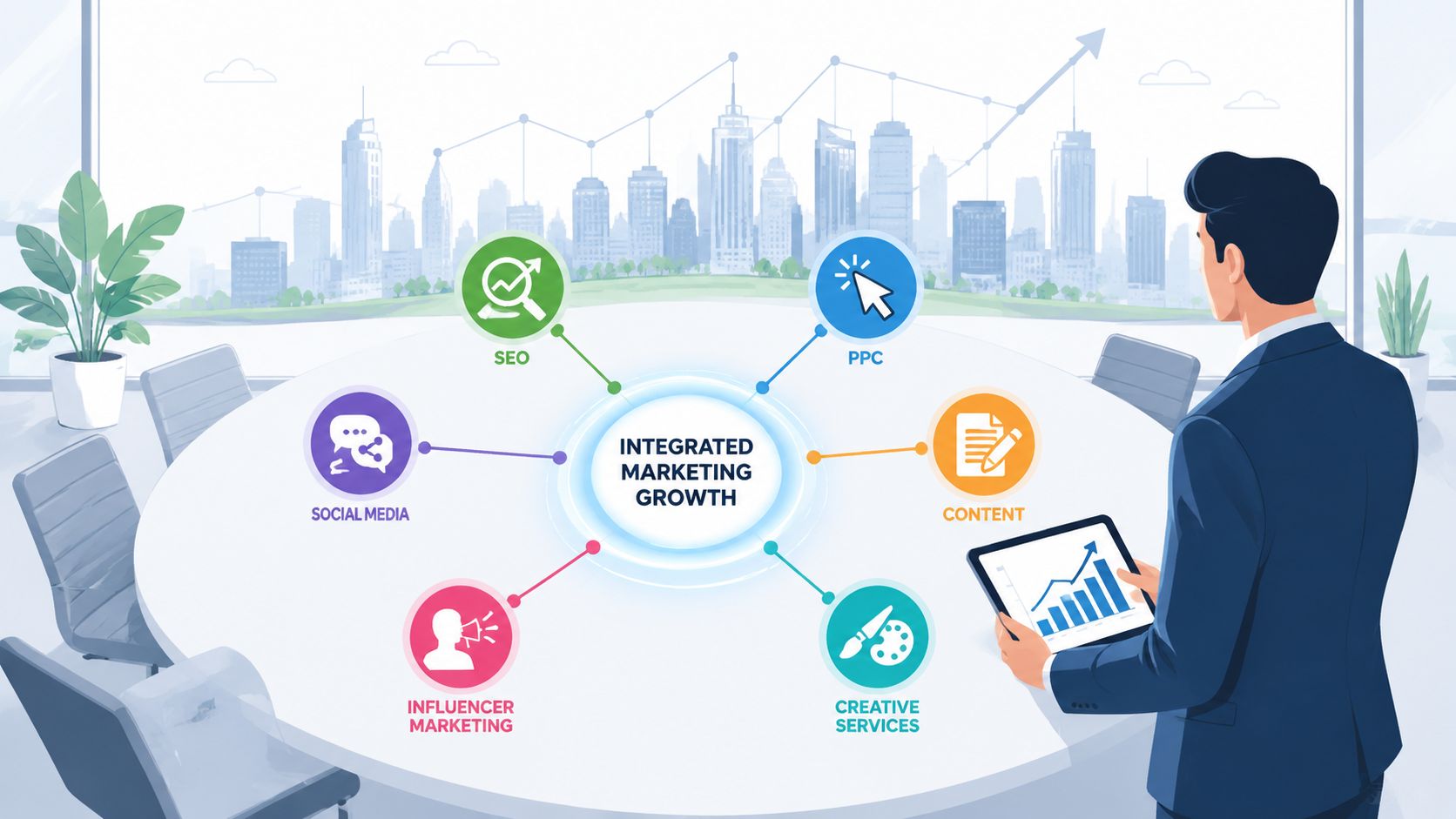
Forget the old debate of inbound versus outbound. Today’s most successful businesses don’t choose one over the other; they masterfully blend multiple strategies to create a powerful, multi-channel engine for growth. This approach ensures you’re meeting potential customers wherever they are, building a strong pipeline that isn't dangerously reliant on a single source.
Think of it like a well-balanced investment portfolio. You wouldn't stake your future on a single stock, right? The same logic applies to your marketing budget. Let's break down the essential pillars that form a modern, resilient strategy.
Build Your Digital Storefront with Inbound Marketing
Inbound marketing is all about drawing customers to you. Instead of shouting your message from the rooftops, you pull people in by creating valuable content and experiences they’re actively searching for. It’s like setting up an attractive, welcoming storefront on a busy street that naturally brings in people who are already curious about what you sell.
The cornerstones of inbound are:
- Search Engine Optimization (SEO): This is the craft of fine-tuning your website so it appears at the top of search results for keywords your ideal customers are using. A solid SEO foundation makes you visible the very moment someone needs a solution like yours.
- Content Marketing: This means creating and sharing genuinely useful content—think blog posts, e-books, and case studies—to attract and engage your target audience. You're not just selling; you're becoming a go-to authority in your field.
The proof is in the numbers. Companies that blog consistently generate 13x more leads than those that don’t, showcasing the massive impact of value-first content. In fact, an effective SEO lead generation strategy can turn your website into a 24/7 lead-generating machine.
Actively Pursue High-Value Targets with Outbound Prospecting
While inbound builds that magnetic presence, outbound is about proactively reaching out to specific, high-value contacts. This is your strategic team attending an exclusive industry event to connect directly with the exact decision-makers you want as customers.
This isn’t about blasting a generic email list. Modern outbound is highly personalized and driven by data. The most effective channels include:
- Strategic Cold Email: Sending highly tailored messages to a carefully vetted list of prospects. The key is to address their unique pain points and offer a clear, compelling solution.
- LinkedIn Outreach: Using the world's top professional network to find, connect with, and start meaningful conversations with potential clients through personalized requests and direct messages.
Amplify Your Reach with Paid Acquisition
If organic marketing is the engine, paid acquisition is the accelerator. It lets you place targeted ads directly in front of your ideal customers on the platforms they use every day. Think of it as renting premium billboard space on the busiest digital highways.
This approach gives you speed and precision, delivering immediate traffic and leads while your organic efforts gain traction. The most common channels are Pay-Per-Click (PPC) ads on search engines and targeted social media ads on platforms like LinkedIn, Facebook, and Instagram.
The real magic happens when you stop treating these channels as separate silos. A truly effective strategy weaves them together. For example, you can run a paid ad to promote a valuable e-book, capture leads through a form, and then use an automated email sequence to nurture those leads toward a sale.
To pull off a modern playbook, it’s crucial to use the best lead generation software tools to automate, track, and optimize your campaigns. The right tech stack makes all the difference.
Embracing new technology is a true game-changer. For instance, businesses that use AI in their sales process report a 50% increase in sales-ready leads and cut customer acquisition costs by up to 60%. Meanwhile, content marketing continues to dominate, with 80% of B2B companies using it to generate 3x more leads at a 62% lower cost than many traditional marketing methods.
Understanding Pricing Models and Measuring Real Success
Investing in a lead generation service is a big step, and let’s be honest, the price tag is usually the first thing on everyone's mind. But not all pricing is created equal. The key is to find a partner whose financial model lines up with your growth goals, not just their own bottom line.
Think of it like hiring a personal trainer. Do you pay them per session? A flat monthly fee for a gym pass and a workout plan? Or do you offer a bonus for every pound you lose? Each option completely changes the dynamic of the relationship and how you both define success.
Comparing Lead Generation Pricing Models
Most lead generation providers use one of a few common pricing models. Understanding them is crucial because each one comes with its own set of pros and cons, making one a better fit depending on your budget, risk tolerance, and how long your sales cycle is.
This table breaks down the most common pricing structures to help you choose the best fit.
| Pricing Model | How It Works | Best For | Potential Downside |
|---|---|---|---|
| Monthly Retainer | You pay a predictable, fixed fee each month for an agreed-upon scope of work (e.g., content creation, SEO, campaign management). | Businesses looking for a long-term, strategic partner and predictable monthly expenses. | Success is based on executing tasks, not necessarily on lead volume or quality, unless KPIs are strictly enforced. |
| Pay-per-Lead (PPL) | You pay a set price for every lead the service delivers. On the surface, it seems simple and low-risk. | Companies that need a high volume of top-of-funnel leads and have a strong internal process for qualifying them. | The definition of a "lead" is critical. You can easily end up paying for a list of unqualified contacts that waste your sales team's time. |
| Performance-Based | The agency's payment is tied directly to results, like sales-qualified leads (SQLs), appointments set, or even closed deals. | Businesses that want to ensure complete alignment and are willing to pay a premium for guaranteed results. | This model is often the most expensive and requires deep trust, as the agency takes on all the upfront risk. |
For most businesses just getting their feet wet with lead gen, a retainer or a hybrid model often strikes the right balance. It gives you expert guidance without the wild cost fluctuations. To get a better feel for how agencies put these packages together, check out our guide on digital marketing agency pricing.
Ultimately, you want a model that incentivizes your partner to deliver high-quality leads that turn into customers, not just a long list of names.
Moving Beyond Vanity Metrics to Measure Real ROI
Once you've landed on a pricing model, the real work begins: tracking what actually matters. It’s incredibly easy to get distracted by a flood of acronyms, but only a few metrics truly tell you if your investment is paying off.
To do this right, you need to define and track the right Lead Generation Key Performance Indicators. This ensures you’re measuring real business outcomes, not just busywork.
A low Cost Per Lead (CPL) is worthless if none of those leads ever become customers. True success isn't about getting the cheapest leads; it's about acquiring the most profitable customers efficiently.
Let’s look at a quick example. Say you pay an agency $2,000 and get 100 leads. Your CPL is $20, which sounds amazing! But if only one of those leads becomes a customer, your true Cost to Acquire a Customer (CAC) is $2,000.
Now, imagine you pay another agency $2,000 and only get 20 leads. Your CPL is now $100—five times higher! But here's the catch: if 10 of those high-quality leads convert, your CAC is just $200. The second scenario, despite a higher CPL, is 10 times more profitable.
That’s why focusing on lead quality is so important.

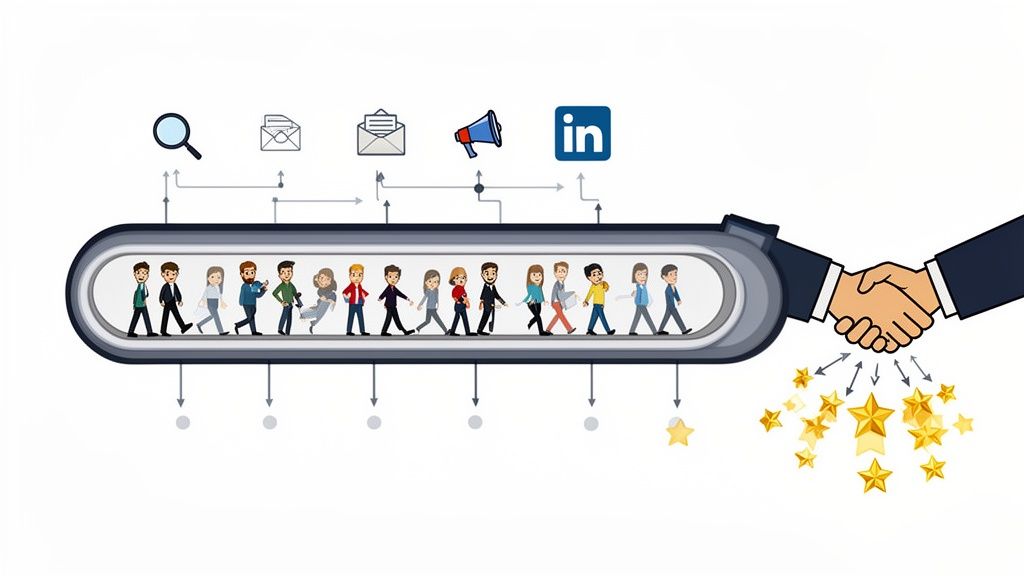
As you can see, a healthy strategy relies on a blend of tactics designed to attract and nurture prospects who are genuinely ready to talk to your sales team. This is what drives real return on investment.
Aligning Costs with Industry Benchmarks
It’s also important to have realistic expectations for your budget, because costs can vary dramatically from one industry to another.
For instance, the average Cost Per Lead (CPL) in e-commerce is just $91, which is quite low. But in higher education, that number can soar to $982 per lead. In the B2B world, software development sees an average CPL of $591, while manufacturing is around $553.
Knowing these benchmarks helps you understand if the quotes you're receiving are in the right ballpark for your specific industry.
How to Choose the Right Lead Generation Partner

Picking a lead generation partner is a massive decision. You’re not just buying a list of names; you’re handing over the keys to a vital part of your growth engine. A great partner becomes a genuine extension of your company, driving predictable revenue month after month. A bad one, however, can torch your budget and leave your sales team with nothing but frustration.
The real challenge? Nearly every agency comes armed with a slick sales pitch and some impressive-looking slides. It’s your job to see past the polished presentation and figure out if they have the substance to back it up.
This means you have to dig deep into their process, their expertise, and—most importantly—their transparency. You need to ask the tough questions and demand answers backed by actual evidence.
Go Beyond the Highlight Reel
Every agency is going to show you their greatest hits. That’s a given. Your goal is to find out what happens when things don't go perfectly. A solid partner won’t shy away from talking about past stumbles; they’ll see it as a chance to show you how they problem-solve and take ownership.
Here are the questions you need to ask to get a real feel for their approach:
- Walk me through a campaign that missed its initial targets. What went wrong, and what specific steps did you take to adapt and turn it around? This question is gold. It reveals how they think on their feet and whether they learn from mistakes.
- How do you define a 'qualified lead' for a business in my specific industry? What is your process for creating and agreeing upon this definition with a new client? This cuts right through vague promises and forces them to talk specifics about your business, not just generalities.
- Can you provide a reference for a client who has been with you for over two years? Nothing speaks louder than longevity. Long-term clients are the ultimate proof that an agency delivers consistent value and fosters a strong working relationship.
Asking these questions changes the entire dynamic. It shifts the conversation from a sales pitch to a strategic discussion, giving you a much clearer picture of their experience.
Evaluate Their Industry Expertise and Process
A cookie-cutter approach to lead generation is a recipe for failure. The tactics that work for a global SaaS company will fall completely flat for a local service business. You need a partner who gets the nuances of your market and your specific customer.
Choosing a lead generation service is like hiring a guide to navigate a dense jungle. You don't want someone with a generic map; you want the guide who has been through that specific jungle before. They know the terrain, the hidden traps, and the most direct path to the treasure.
As you evaluate potential partners, really press them on their experience with companies like yours.
Key Evaluation Areas:
- Relevant Case Studies: Don't just settle for a summary slide. Ask to see detailed case studies from businesses with a similar customer profile, deal size, and sales cycle. The closer the match, the better.
- Team Composition: Find out who will actually be working on your account. Is it a team of specialists in SEO, content, and paid ads, or a couple of generalists juggling everything? You’re paying for experts, not jacks-of-all-trades.
- Technology Stack: What tools do they use for campaign management, analytics, and reporting? A professional agency will have a well-defined tech stack and should be able to explain exactly why they use each tool.
This kind of detailed vetting helps ensure you’re hiring a team with a proven playbook for your business—not one that plans to learn on your dime. Ultimately, finding the right provider of lead generation services is about finding a team that has already solved the problems you’re facing today. They don't just bring you leads; they bring you a clear, tested path to growth.
Your Roadmap to a Successful Agency Partnership

So you’ve signed the contract. Great. But that’s just the starting line. The next 90 days are where a successful partnership is forged, turning promises on paper into a real, humming growth engine for your business.
A top-tier agency won't just disappear and come back with leads. They’ll guide you through a structured, transparent process. Think of it like building a custom race car. First, the engineers get obsessed with your goals and specs (Discovery). Then, they meticulously assemble the machine (Build & Launch). Finally, they get it on the track for constant tuning and performance tweaks (Optimization).
Knowing what happens—and what's expected of you—in each phase is the key to a smooth launch and a strong, lasting partnership.
Phase 1: The Discovery and Strategy Deep Dive
The first 30 days are all about getting on the same page. This is way more than a simple kickoff call; it’s an intensive deep-dive where the agency learns your business from the inside out. To represent your brand authentically, they need to understand your world almost as well as you do.
During this initial phase, the agency will zero in on:
- Ideal Customer Profile (ICP) Workshops: Together, you'll go beyond basic demographics to truly understand who you’re targeting. What are their real pain points? What truly motivates them to act?
- Business Goal Alignment: This is where we connect the dots between your revenue targets and concrete marketing KPIs. For example, figuring out exactly how many Sales-Qualified Leads (SQLs) you need each month to hit your numbers.
- Technical and Asset Audit: They'll need access to your website, analytics platforms, CRM, and any marketing content you already have. This helps them map out the current terrain and spot immediate opportunities.
Your main job here? Be an open book. The more context, data, and access you can give them, the faster and more accurately they can build a strategy that will actually drive results.
Phase 2: Campaign Build and Launch
With a clear strategy locked in, the next 30 days are dedicated to execution. This is where the tactical work kicks into high gear, and you’ll start to see the pieces of your lead generation services machine being assembled.
This phase is a flurry of creative and technical activity, all focused on building the assets and infrastructure needed to attract and capture quality leads.
The launch isn't the finish line; it's the starting gun. The goal of this phase is to get a strategically sound campaign into the market so you can start gathering real-world data as quickly as possible. Perfection is the enemy of progress here.
Here’s what’s typically happening behind the scenes:
- Content and Offer Creation: Your agency will be busy developing the e-books, webinar topics, ad copy, and landing pages that will serve as the bait for your campaigns.
- Technical Setup: This involves crucial groundwork like configuring tracking pixels, setting up ad accounts, and building out automated email sequences in platforms like HubSpot or Marketo.
- Initial Campaign Launch: The moment of truth! The first campaigns go live, whether that’s a new Google Ads campaign, a fresh batch of SEO-driven blog content, or the first cold email outreach sequences.
Your role now shifts to being a responsive partner. Approving copy, designs, and target lists quickly is vital for keeping the momentum going and hitting those launch deadlines.
Phase 3: Ongoing Optimization and Reporting
Once your campaigns are out in the wild, the real work begins. The final 30 days of onboarding—and every single month after that—are all about data-driven improvement. The initial launch just gives you a baseline. Now it's time to test, learn, and refine.
A good agency will be in your accounts daily, monitoring performance, spotting trends, and figuring out what’s working (and what isn’t). You should expect regular, transparent communication—usually through weekly check-in calls and detailed performance dashboards. This is where the partnership truly shines, as you and the agency work together to steer the ship toward your goals.
Alright, we've covered the theory. But what does successful lead generation actually look like when the rubber meets the road? It’s one thing to talk about funnels and channels, but it’s another to see how a smart strategy can solve a real-world growth problem.
Let's dive into three quick stories. Each one features a different type of business that was stuck, and shows exactly how they got unstuck with a targeted lead generation plan. Think of these as practical examples of how the right approach can create predictable, powerful growth.
SaaS Company Doubles Demos with LinkedIn
Picture this: a B2B SaaS company had a fantastic piece of logistics software, but they were hitting a brick wall trying to reach senior executives at large companies. Their sales team was burning out on cold outreach that went nowhere, and their marketing content just wasn't landing on the right desks.
The lead generation partner they hired came in with a sharp, two-part plan:
- Pinpoint LinkedIn Outreach: Using advanced tools, they built a highly specific list of VPs and Directors of Supply Chain at their ideal target companies. But instead of a generic sales pitch, they crafted personalized messages that spoke directly to industry trends and offered a genuinely useful thought leadership article.
- Authoritative Content: The agency produced an in-depth whitepaper, "The Future of AI in Warehouse Management." This wasn't just fluff; it was a valuable asset used as the hook for their LinkedIn campaign and promoted with targeted ads. This move immediately positioned the SaaS company as a forward-thinking expert.
The change was profound. They stopped chasing leads and started attracting them. By offering value before asking for anything, they earned the right to request a meeting. This is the secret sauce of modern outbound prospecting.
The results? Within a single quarter, the campaign doubled the number of high-value demo bookings with key accounts. The sales team was finally having conversations with warm, well-informed prospects who already viewed them as a credible authority in the space.
E-commerce Brand Hits a 4x Return on Ad Spend
Next up, an emerging e-commerce brand selling sustainable activewear. They had a powerful mission and great products, but they were getting lost in the social media noise. Their ad spend was high, but their Cost Per Acquisition (CPA) was eating into their profits and putting the brakes on their growth.
A lead gen service with deep e-commerce expertise built a strategy combining paid media with influencer marketing.
- A Smart Paid Social Funnel: They structured a full-funnel campaign on Instagram and Facebook. Ads at the top of the funnel focused on telling the brand's story and mission, while retargeting ads served a small discount to people who had visited the website but hadn't made a purchase.
- Micro-Influencer Power: Instead of blowing the budget on one huge celebrity, they collaborated with 20 micro-influencers who were genuinely passionate about fitness and sustainability. These creators produced authentic content that drove both brand awareness and direct sales via unique discount codes.
The synergy between these two tactics was a game-changer. The agency used the authentic content from influencers as social proof in their paid ad campaigns. This immediately made the ads more relatable and trustworthy, which slashed ad costs and boosted conversions. The outcome was a 4x return on ad spend (ROAS) and a 35% drop in their overall CPA.
Local Consultant Becomes the Go-To Expert
Finally, let's look at a local business consulting firm. They were fantastic at what they did, but they were practically invisible online. When local business owners searched for "business consultants in [City Name]," their competitors showed up, and they didn't. They were losing a steady stream of potential clients simply because nobody could find them.
The strategy here was all about owning their local search results. The agency they hired zeroed in on hyper-local SEO and a targeted Google Ads campaign. They meticulously optimized the firm's website for local keywords, built out listings in key local directories, and ran a Google Ads campaign targeting a tight 15-mile radius around the office.
The impact was immediate and undeniable. They shot to the top of local search rankings, becoming the most visible and accessible provider in their city. This created a consistent, reliable flow of high-quality inbound inquiries from local businesses ready to hire them.
Answering Your Most Common Questions
Diving into lead generation services for the first time always stirs up a few key questions. Getting a handle on timelines, terminology, and what your role will be is the first step toward a great partnership. Let's tackle some of the things our clients ask us most often.
How Long Does It Take to See Results?
That's a great question, and the honest answer is: it depends entirely on the strategy.
If we're running outbound campaigns or paid ads, you can expect the phone to start ringing (or the inbox to start dinging) pretty quickly. We usually see the first batch of leads come through within the first 30-60 days. These tactics are built for speed.
But inbound marketing—things like SEO and content creation—is a different beast. Think of it as planting a fruit tree. It takes time to grow, but it will bear fruit for years to come. You'll likely see some early sprouts of traffic, but the real, sustainable results often take 4-6 months to fully kick in.
What Is the Difference Between a Lead and an SQL?
This is probably the most important distinction to understand. It's the difference between a "maybe" and a "yes, let's talk."
A lead is anyone who's raised their hand, even slightly. They might have downloaded an ebook or subscribed to your newsletter. A Sales-Qualified Lead (SQL), on the other hand, is someone who has been vetted and is actively showing signs they're ready to buy. They've requested a demo or asked about pricing.
Our job isn't just to find leads; it's to nurture those initial contacts until they become genuine SQLs your sales team will be excited to talk to.
Should I Hire an Agency or Build an In-House Team?
This is the classic "build vs. buy" debate. Going the in-house route gives you total control, but the costs add up fast. You’re not just hiring one person; you’re hiring an SEO specialist, a content writer, a paid ads manager, and more. Then you have to add the high cost of software and training on top of that.
For most small and mid-sized businesses, working with an agency is simply the smarter financial move. You get instant access to a full team of seasoned experts, proven workflows, and all the best tools without the massive overhead.
How Involved Will I Need to Be?
You're the expert on your business, so we need you most at the beginning—during the discovery and strategy sessions. This is where we'll lean on your knowledge to build the right plan.
Once things are up and running, your involvement shifts to collaboration. We'll have regular check-ins (usually weekly or bi-weekly) to go over the results, get your feedback on the quality of leads, and make any necessary tweaks. It's a partnership, not a "set it and forget it" service.
Ready to stop chasing leads and start building a predictable growth engine? ReachLabs.ai provides the expert team and data-driven strategies you need to fill your pipeline with sales-ready prospects. Get in touch with our strategists today.