You probably know the feeling already. Your business is active, your team is posting, someone updated the website last quarter, a freelancer made a new logo variation, and ads are running somewhere. Yet none of it feels like one company speaking with one voice.
That's usually the moment people start asking a more strategic question than “Who can make us a few assets?” They ask, what is a creative agency, and whether bringing one in would solve the bigger problem.
The short answer is yes, sometimes. But only when the issue is coordination, consistency, and execution across channels, not just a lack of design help.
Your Brand Story Is Strong But Your Marketing Is Scattered
A lot of companies don't have a weak offer. They have a weak operating model for marketing.
The founder explains the product one way on sales calls. The website says something slightly different. Social posts use a different tone again. Paid ads chase short-term clicks. Meanwhile, internal teams are busy approving graphics, editing copy, and trying to keep vendors aligned. Work is happening, but the brand experience feels stitched together.
That kind of scatter creates a hidden cost. Customers don't just judge what you sell. They judge whether your business feels clear, credible, and coherent.
A creative agency often enters at exactly this point. Not as a luxury add-on, but as the outside team that helps a company unify strategy, messaging, visuals, and execution. In plain language, it brings structure to marketing work that has become fragmented.
This is not a niche solution used only by major consumer brands. The global advertising agency industry is projected to reach $529.0 billion by 2030, growing at a 3.5% CAGR from 2026 to 2030, with a projected $444.7 billion market size in 2026 according to IBISWorld figures summarized by Workamajig. That scale tells you something important. Agencies are part of the normal commercial infrastructure of modern business.
Practical rule: If your marketing feels busy but disconnected, the problem usually isn't effort. It's coordination.
The useful way to think about a creative agency is not “people who make things look good.” It's “people who connect business goals to brand execution.”
That difference matters because the key decision isn't whether to outsource a design task. It's whether your company needs a partner that can make your brand work like a system.
What a Creative Agency Really Is Beyond the Buzzwords
The cleanest definition is this. A creative agency is a team that turns business goals into campaign-ready creative work across channels.
That sounds abstract until you picture how it operates. Picture it as a film crew for your brand. You bring the script goal: launch a product, reposition the company, generate leads, support a sales push. The agency organizes the director, writer, visual team, production crew, and editors so the final output works as one piece instead of a pile of disconnected scenes.
It's not just design help
A lot of people hear “creative agency” and think logo, colors, maybe a website refresh. Those can be part of the work, but that definition is too small.
A creative agency functions as a campaign production pipeline. It takes a business objective, translates it into creative concepts, and outputs channel-specific assets for digital, social, web, and paid media, with success judged by how well it creates a cohesive brand narrative and digital experience across platforms, as described by Rooted Creative Agency.
That phrase, campaign production pipeline, is worth pausing on. It tells you the agency's role is operational as much as artistic.
What that looks like in practice
Say a B2B software company needs to reposition itself for a new market segment. The business objective isn't “make a nicer homepage.” It's something closer to this:
- Clarify the offer so prospects understand it faster
- Update the brand story so sales and marketing say the same thing
- Build campaign assets for LinkedIn, paid search, landing pages, and email
- Support launch timing so all channels go live together
A freelancer might handle one piece well. An in-house generalist might manage several pieces under pressure. A creative agency is designed to connect all of them.
A good agency doesn't start with deliverables. It starts with the business objective behind the deliverables.
That's why agencies are often most useful when the job involves multiple channels, multiple stakeholders, and a need for consistency. The output may be visual and verbal, but the value comes from alignment.
If you've been asking what is a creative agency, the practical answer is this. It's the external team that helps a business move from scattered marketing activity to a coordinated campaign system.
Inside the Agency Engine A Breakdown of Core Services and Roles
Most clients first see the output. A website, ad creative, brand identity, video, landing page, content calendar. What they don't always see is the machinery that keeps those pieces aligned.
A creative agency's real value is often in the team design behind the work.

The work agencies usually handle
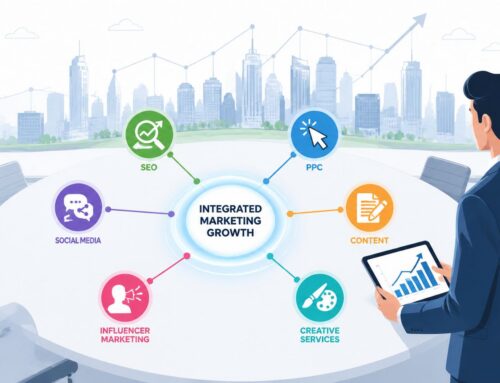
Most creative agencies combine several service areas under one roof. The exact mix varies, but common offerings include:
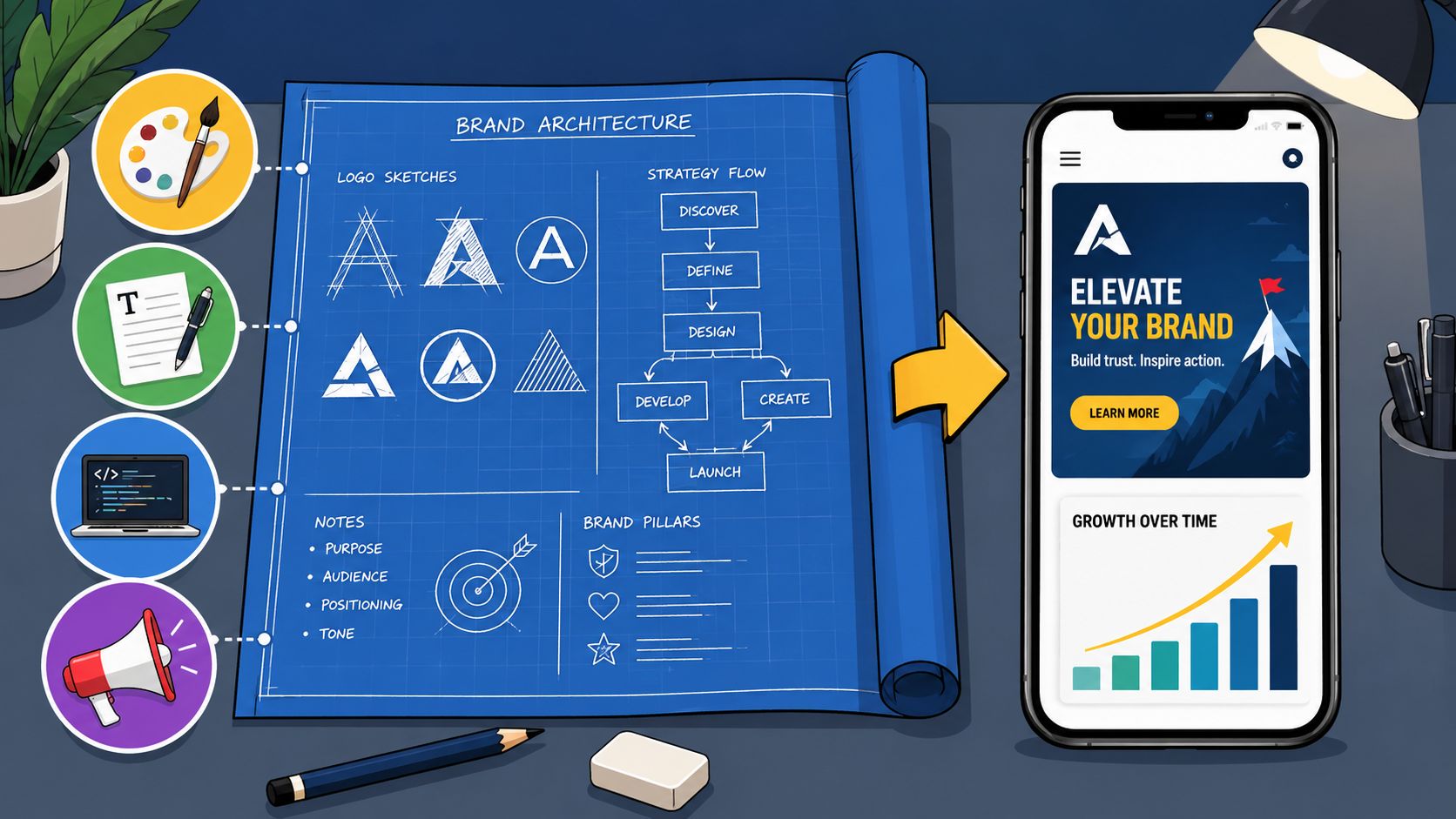
- Brand strategy and identity. Positioning, messaging, voice, naming support, visual systems, brand guidelines.
- Creative development. Campaign concepts, ad creatives, copywriting, art direction, photography, and video planning.
- Digital execution. Website design, landing pages, UX thinking, web development, and content for digital channels.
- Content and social production. Short-form video, platform-specific social assets, content calendars, and repurposed campaign materials.
- Paid campaign support. Creative assets for paid social, display, and search campaigns.
A useful modern example is image workflow. Brands now need to think not just about design quality, but about authenticity, consistency, and editing standards across platforms. If your team handles visual production internally, a practical resource is this guide to AI image manipulation for professionals, which helps clarify where creative efficiency and brand risk can collide.
The people behind the output
Here's the simpler way to understand agency roles: some people define the “why,” some shape the “what,” and others manage the “how.”
A typical team may include:
| Role | What they do | Why it matters |
|---|---|---|
| Account manager | Handles communication and keeps work moving | You need one clear point of contact |
| Strategist | Defines audience, message, and campaign direction | Creative work needs a reason, not just a style |
| Creative director or art director | Guides the visual and conceptual standard | Keeps ideas consistent across deliverables |
| Copywriter | Writes messaging, headlines, scripts, and page copy | Tone and clarity shape conversion |
| Designer | Builds the visual assets | Execution has to match brand intent |
| Developer | Turns designs into live digital experiences | The work has to function, not just look polished |
| Producer or project manager | Coordinates timelines, reviews, and approvals | Good work dies in chaos without process |
According to Sidekick Agency, a creative agency's core value is coordinating specialists in copywriting, graphic design, web development, photography, and social media into one campaign system, reducing the handoff friction that often hurts consistency when work is split across separate vendors or in-house generalists.
That sentence captures the business logic. You're not just paying for talent. You're paying for fewer dropped balls between specialties.
Why this model works
Freelancers can be excellent. In-house marketers can be excellent too. The issue isn't quality alone. It's coordination load.
When one person writes copy, another designs assets, someone else edits video, and a fourth person updates the website, the company itself becomes the project manager. A creative agency absorbs more of that burden.
That's why businesses often hire agencies when the cost of fragmentation has become more expensive than the cost of outside help.
Finding Your Fit The Different Types of Creative Agencies
Not every agency should solve every problem. A mismatch usually happens when a company hires for a label instead of a need.
The better question is not “Which agency is best?” It's “Which operating model fits the job?”

Four common agency models
Here's a practical side-by-side view:
| Agency type | Best when you need | Typical strength | Likely tradeoff |
|---|---|---|---|
| Full-service | One partner across strategy, creative, digital, and campaign execution | Integration | Broader scope can mean a heavier process |
| Boutique | High-touch work with a distinct style or niche knowledge | Focus and close collaboration | Limited bandwidth or service range |
| Digital agency | Website, digital growth, social, search, and online customer journeys | Digital execution depth | May be less suited for broader brand work |
| Specialist agency | One sharp capability, such as PR, branding, or video production | Deep subject expertise | You may need to coordinate multiple partners |
A key distinction is whether your business needs a creative lead, a digital execution partner, or both. That matters because modern marketing requires coordination across social, publishing, and brand systems, and agencies position themselves differently around those needs, as explained by Indeed's overview of creative agencies.
How to choose based on the problem
If you're preparing a full brand launch, a full-service model often makes sense. You need strategy, messaging, creative, web, and campaign deployment to move together. If you want a broader comparison, this overview of a full-service marketing agency is useful for seeing how those capabilities group together.
If your brand is already clear but your website underperforms, a digital agency may be the better fit.
If your internal team is strong but lacks one advanced capability, such as video production or naming, a specialist shop can be more efficient than hiring a broader partner.
A quick decision filter
Use this shortlist before you sign anything:
- Choose full-service when multiple channels must launch in sync.
- Choose boutique when voice, style, and close access matter most.
- Choose digital when the bottleneck is online execution.
- Choose specialist when the need is narrow and clearly defined.
The right agency isn't the one with the longest service list. It's the one built for the problem you actually have.
That's where many hiring mistakes start. A company says it needs “an agency,” but what it really needs is either strategic leadership, production capacity, or one missing expert function.
The Business Case How a Creative Agency Drives Growth and ROI
The old view of agencies was aesthetic. Make the brand cleaner. Refresh the site. Produce stronger ads.
The current business question is tougher and more useful. What measurable advantage does a creative agency provide over DIY content, scattered freelancers, or an overstretched in-house team?

The value shows up in operations first
A modern agency often improves business performance by helping the company produce and launch better work faster. The category is shifting from “brand aesthetics” to operational content systems focused on short-form video, UGC, and ad creatives that support speed-to-market, content volume, and conversion performance, according to this industry discussion on content agency evolution.
That shift matters because most businesses don't fail from lack of ideas. They fail from slow execution, inconsistent messaging, and content bottlenecks.
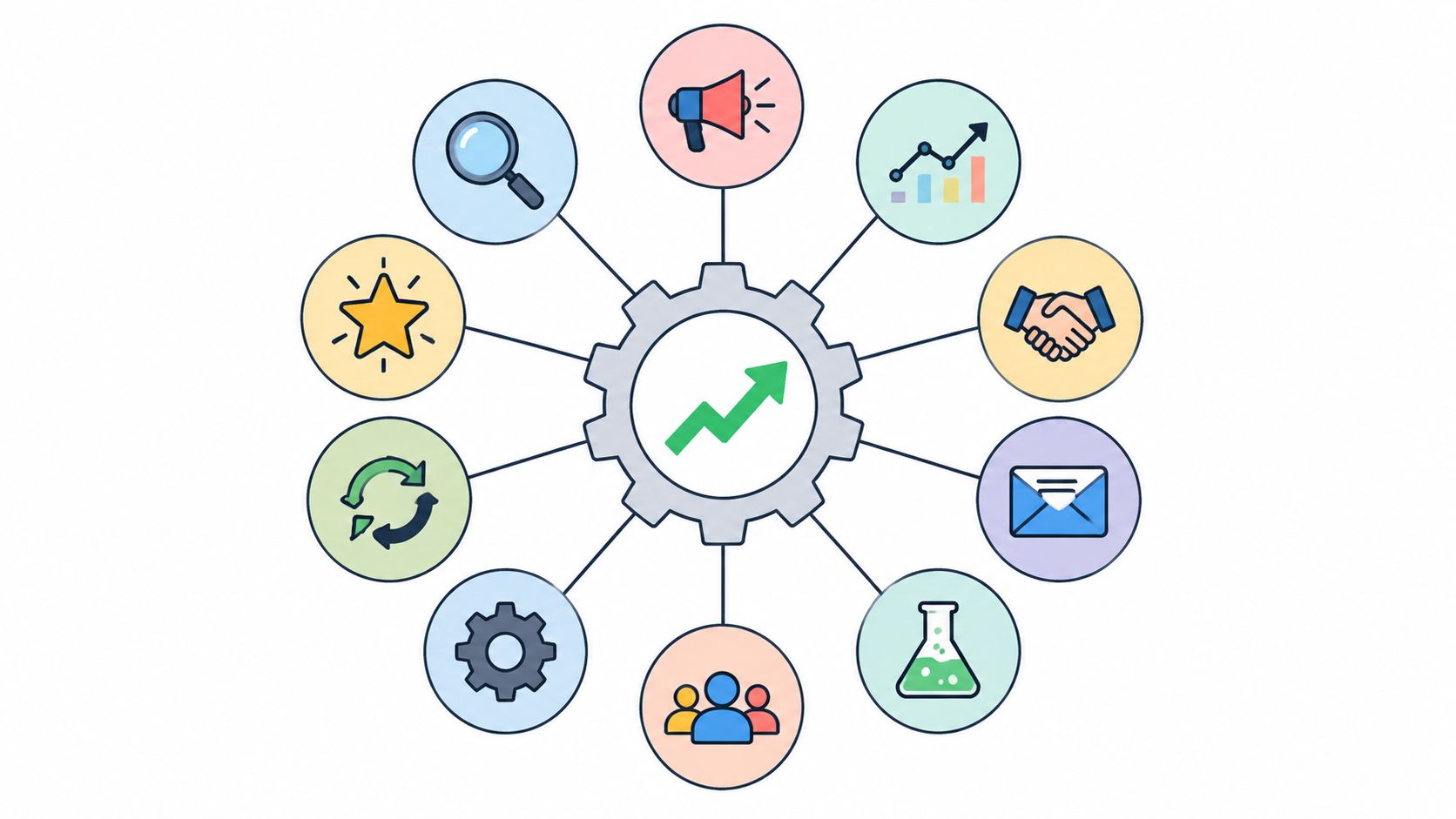
A creative agency can help in several practical ways:
- Sharper conversion paths because messaging, design, and landing experience are developed together
- Faster launch cycles because one team coordinates the workflow
- Better content reuse because campaigns are built as systems, not one-off pieces
- Stronger brand recall because visuals and language stay aligned across touchpoints
How to think about ROI without inventing numbers
Not every agency engagement should be judged by immediate sales lift alone. Some projects fix infrastructure that improves later performance. A brand repositioning, for example, may improve close rates, shorten sales conversations, or make paid traffic work harder. A website rebuild may reduce friction for prospects before any ad budget increases.
If you want a practical framework for evaluating outcomes, this guide on how to calculate marketing ROI can help structure the conversation around revenue impact, efficiency, and attribution.
A smart client usually tracks a mix of indicators, such as:
| Business area | Signs an agency is helping |
|---|---|
| Brand clarity | Prospects understand the offer faster |
| Sales enablement | Teams use the same language and assets |
| Content operations | Campaigns launch with fewer delays |
| Conversion | Landing pages and ad creative work together more cleanly |
| Team efficiency | Internal staff spend less time coordinating vendors |
A realistic example
Take a growing e-commerce brand with a strong product but uneven marketing. The founder writes some ad copy, a freelancer edits product photos, a contractor updates the Shopify site, and social content goes out when someone has time. Nothing is broken enough to force action, but nothing compounds either.
An agency can change that by building a campaign system. One message architecture. One visual direction. One set of paid and organic assets adapted for each platform. The business outcome is usually less waste, clearer performance testing, and a smoother path from awareness to purchase.
That's the business case. Not “creative for creative's sake,” but creative that reduces friction in how the business goes to market.
Your Hiring Playbook Evaluation Pricing and Timelines
A lot of agency hires go wrong in a familiar way. A company likes the chemistry, gets excited by the portfolio, signs the contract, and only then learns that the team cannot run a complicated project, keep stakeholders aligned, or explain why they are making certain choices.
Hiring well is less like buying a finished product and more like choosing an operating partner. You are not only buying design or campaign output. You are choosing a working system that will affect speed, clarity, cost control, and decision quality.

What to evaluate before you buy
Start with how the agency thinks.
Portfolio work shows taste. It does not show whether the team can diagnose a business problem, choose the right approach, and run the work without constant client rescue. A creative agency works a bit like a film crew for your brand. The final scenes matter, but the schedule, direction, editing, and coordination determine whether the production finishes on time and on budget.
Review agencies through four practical filters:
Problem solving
Ask for examples where the agency had to sharpen positioning, fix a weak conversion path, or adapt one campaign idea across several channels. You want to hear how they made trade-offs, not just see pretty outputs.Process maturity
Ask how briefs are built, how revisions are handled, who owns approvals, and what happens when feedback conflicts. A good process reduces expensive confusion.Measurement
Ask how they define success before work begins. If the team cannot connect creative decisions to pipeline, sales support, conversion, or launch speed, the engagement may drift into subjective debate.Team composition
Find out who will do the work day to day. Senior strategists often lead the pitch, while producers, designers, or account managers run the account after kickoff. That is not a problem by itself. It only becomes a problem when the working team lacks the judgment that sold you in the first place.
If you are comparing several partners and want a clearer decision framework, this guide on how to choose a digital marketing agency is useful for weighing fit, capabilities, and accountability.
A simple question helps cut through polished presentations: Can this team make good decisions under our real-world constraints?
If paid acquisition is a major part of the scope, specialist depth matters too. This article on a paid search marketing agency that drives profit shows how a narrower performance-focused model handles accountability and campaign execution.
Common pricing models
Agency pricing usually follows three models, and each one fits a different business situation.
| Model | Best for | What to watch |
|---|---|---|
| Project-based | Defined scopes such as a rebrand, website, or launch campaign | Scope changes can create friction and added cost |
| Retainer | Ongoing creative support, monthly production, campaign management | You need clear priorities, recurring planning, and a steady decision rhythm |
| Hourly | Advisory work, overflow support, or small tasks | Costs can become hard to predict if the client is managing task by task |
Project pricing works best when the destination is clear. Retainers make sense when the business needs an external team that can keep producing, testing, and refining over time. Hourly support can work for narrow needs, but it often shifts project management back onto the client.
The business question is straightforward. Are you buying a one-time output, or do you need ongoing capacity and coordination?
Timelines and onboarding
Timelines depend on two engines running at once. The agency has to produce the work. The client has to make decisions.
A fast agency can still slow to a crawl if the brief is vague, legal review takes two weeks, or three executives keep rewriting the same feedback. In practice, delays usually come from decision structure more than design software or production speed.
The cleanest engagements start with a few basics:
- A clear brief with business goal, audience, constraints, and scope
- One decision owner on the client side
- A defined review process with limited approval layers
- Access to assets such as brand files, platform logins, research, and past campaign materials
This is the part many buyers underestimate. Agencies are often chosen for creative quality, but the actual return often comes from operating fit. The right team gives you a repeatable way to turn strategy into output, with fewer handoffs and fewer stalled decisions.
That is usually what separates a good hire from an expensive one.
Making the Right Investment in Your Brand
A creative agency is easiest to understand when you stop treating it as a vendor category and start treating it as an operating choice.
If your business only needs a logo tweak, a single landing page, or a short run of production work, an agency may be more structure than you need. But if the problem is fragmented messaging, slow execution, inconsistent creative, and too many handoffs, an agency becomes a strategic answer to a business problem.
That's why the question “what is a creative agency” matters less than the follow-up question. When is a creative agency the right choice?
Usually, it's when your company needs three things at once:
- Strategic clarity about what the market should understand
- Cross-functional execution across content, design, web, and campaigns
- A system for consistency so the brand stops sounding different in every channel
Some businesses should build in-house. Some should use freelancers. Some need a specialist shop for one narrow gap. The right answer depends on the complexity of the work and the cost of coordination inside your business.
A good agency relationship doesn't just produce assets. It reduces confusion, speeds up execution, and helps your brand show up as one coherent commercial experience.
The most useful final question is simple. Is your current marketing approach building a valuable, recognizable brand, or is it just generating more activity?
If you're weighing whether an agency model fits your business, ReachLabs.ai is one option to review. The company offers creative services as part of a broader full-service marketing approach, which can be relevant for teams that need strategy, content, and execution working together instead of in separate silos.