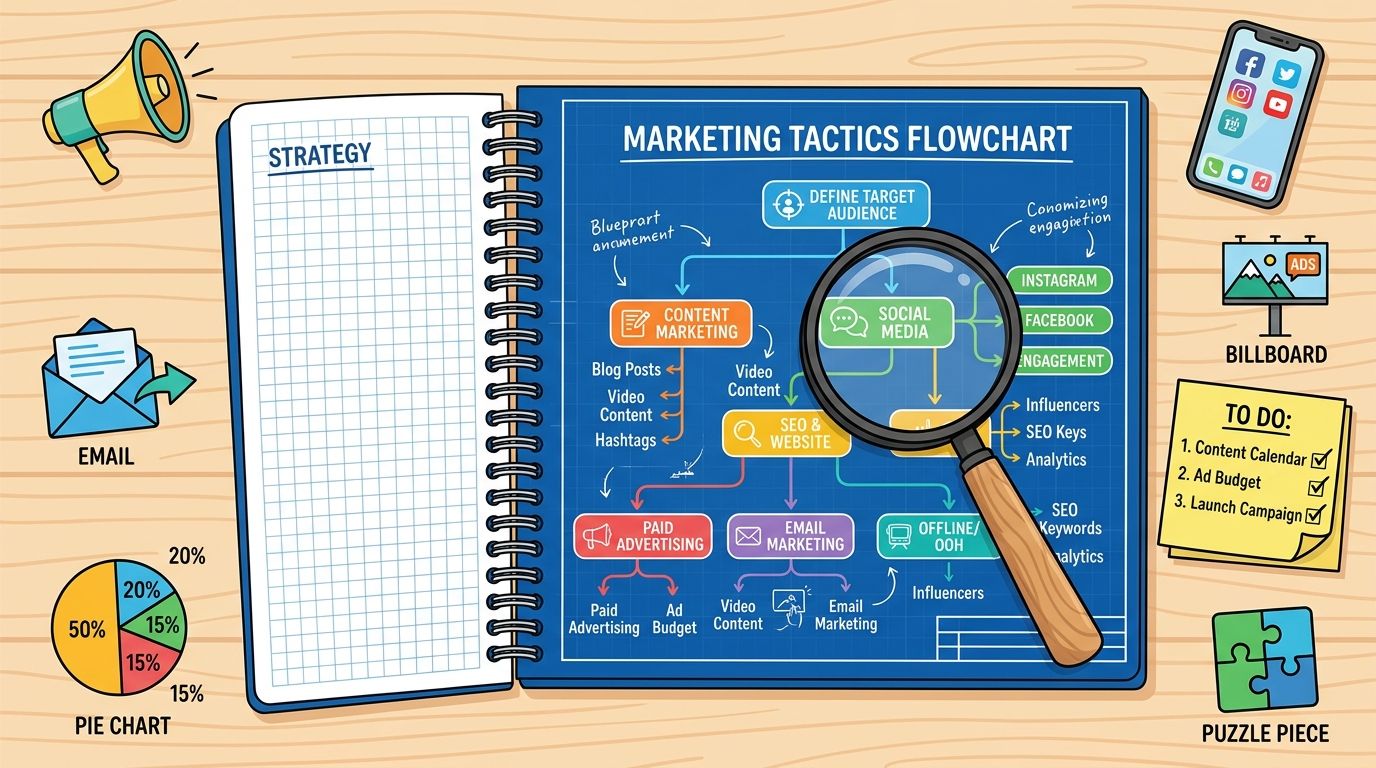
What makes a marketing campaign unforgettable? Marketers often answer with creative quality, media budget, or virality. Those matter, but they don't explain why one campaign becomes part of culture while another gets a temporary spike and disappears.
The durable campaigns do something harder. They attach the product to a belief, a behavior, or a story people want to repeat. They give audiences a role to play. They also stay coherent as channels change, which is why a slogan, a community idea, or a content system often outlasts any single ad.
That gap gets missed in a lot of roundups of marketing campaign examples. They celebrate the output, but skip the operating system underneath it. If you're building for a brand, a startup, or a growth team with real revenue pressure, admiration isn't enough. You need to know what to copy, what to avoid, and what only works when a brand already has cultural gravity.
This guide breaks down 10 campaign examples as practical blueprints: goal, strategy, execution, results, and takeaway. Some are iconic brand campaigns. Others are repeatable models for content, community, and direct response. If you want more inspiration on how companies shape launches and positioning, this curated product launches blog is also worth browsing.
1. Nike's Just Do It Campaign Evolution
Nike's genius wasn't the line itself. It was building a brand platform broad enough to survive decades of channel shifts, athlete cycles, and cultural change.
The original strength of "Just Do It" is that it doesn't describe a shoe. It describes an identity. That gave Nike room to move from elite performance into everyday motivation, then into social commentary, athlete storytelling, and digital participation without abandoning the core idea.
Blueprint breakdown
Goal: Make Nike mean more than sportswear.
Strategy: Own a universal human tension. Starting is hard. Discipline matters. Courage matters.
Execution: Nike consistently wraps product launches, athlete partnerships, and major moments inside that philosophy. The Colin Kaepernick work, the Dream Crazy storytelling, Olympic narratives, and social-first athlete content all feel different on the surface, but they all point back to effort, conviction, and ambition.
Results: Nike created one of the rare brand platforms that people can recognize instantly even when the product isn't centered in the message.
Practical rule: If your campaign line only works in an ad, it's too weak. If it can organize partnerships, packaging, content, hiring, and social voice, you've built a platform.
A lot of companies try to imitate Nike by chasing inspirational creative. That's the wrong lesson. Inspiration without a point of view turns generic fast. What works is choosing a belief your company can keep proving over time.
For smaller brands, the repeatable takeaway is simpler. Build one narrative spine first, then vary the expression. If you need help shaping that spine, these brand narrative examples show the difference between a slogan and a usable brand story.
2. Airbnb's Belong Anywhere Community-Driven Campaign
Airbnb didn't win by marketing inventory better. It won by reframing travel as human connection.
That shift matters because properties are easy to compare. Belonging is harder to commoditize. Campaigns like Belong Anywhere, host stories, and later community-led narratives gave Airbnb a way to talk about trust, place, and identity instead of square footage and nightly rates.
Where this campaign worked
Airbnb turned hosts and guests into the evidence. Instead of saying "our platform creates meaningful experiences," it showed real people opening homes, neighborhoods, and routines. That makes the message feel observed rather than invented.
The "Don't Go There. Live There" style of storytelling also gave Airbnb a strong content filter. If the story made travel feel local, relational, and specific, it fit. If it felt like generic tourism, it didn't.
- Goal: Move the brand from lodging utility to emotional travel brand.
- Strategy: Build the campaign around community proof, not polished brand claims.
- Execution: Host and guest stories across owned channels, social participation, localized storytelling, and values-led messaging during moments of public concern.
- Results: Airbnb built a recognizable emotional territory that competitors still struggle to own cleanly.
The trade-off is obvious. Community-led campaigns create authenticity, but they also expose the messiness of real communities. If service quality, trust, or safety wobbles, the campaign can start amplifying your weakest point.
What works here for most businesses is the structure. Let customers demonstrate the promise. Don't make them repeat your tagline. Give them a story format they can naturally fill in.
3. Old Spice's The Man Your Man Could Smell Like Viral Campaign

Old Spice is one of the clearest examples of entertainment doing strategic work.
Before the campaign, the brand felt dated. The breakthrough came from choosing a voice so exaggerated and self-aware that people wanted to repeat it. Isaiah Mustafa wasn't just a spokesperson. He became a delivery mechanism for the brand's personality.
Why the formula was effective
The ad worked because it was funny. The campaign worked because the team extended that humor into a responsive content system. The YouTube replies, social engagement, and character consistency turned a one-off hit into an ongoing conversation.
That's the difference a lot of marketers miss. Virality isn't a format. It's a payoff for having a strong enough premise that audiences want more from the same world.
Entertaining creative can revive a tired brand, but only if the follow-up content arrives fast and sounds like the same brand, not a committee trying to imitate the original ad.
Goal: Make an aging brand culturally relevant again.
Strategy: Use humor and a highly specific voice to create memorability and social replay value.
Execution: Launch with a high-concept ad, then expand through rapid-response videos, social replies, event tie-ins, and continued use of the same character logic.
Results: Old Spice became a modern reference point instead of a legacy product people ignored.
For many organizations, the caution is simple. Don't copy the absurdity without copying the discipline. The brand voice must stay recognizable across every reply, clip, and spin-off. If your team wants to engineer participation instead of hoping for it, this guide on how to create viral content is the more useful playbook.
4. Dove's Real Beauty Campaign
Dove changed the category conversation by addressing a tension the beauty industry helped create. Instead of perfecting aspiration, it challenged the definition of beauty itself.
That gave the brand a bigger role than product promotion. Real Beauty wasn't just a campaign theme. It became a long-running platform for films, education, community participation, and purpose-based messaging.
The strategic blueprint
Goal: Build trust and distinction in a category full of idealized imagery.
Strategy: Align the brand with a social truth many consumers already felt but rarely saw reflected in advertising.
Execution: Use real women, documentary-style storytelling, educational initiatives, and campaigns that invite audience reflection rather than just admiration.
Results: Dove became associated with self-esteem and authenticity, not only soap or body care.
What works here is that the purpose was legible. Consumers could quickly understand what the brand stood for. What doesn't work, especially for smaller brands, is borrowing purpose language without operational backing. If your casting, product design, customer service, and internal culture contradict the message, the campaign becomes a liability.
A practical takeaway is to test whether your purpose can survive specificity. Can you point to product choices, partnerships, and customer experiences that prove the belief? If not, keep refining before you launch.
5. Coca-Cola's Share a Coke Personalization Campaign

Share a Coke is one of the best marketing campaign examples of participation built directly into the product.
Coca-Cola didn't ask people to engage with a message sitting outside the purchase. It changed the packaging so the product itself became the media. Finding your name, your friend's name, or a giftable bottle created a reason to buy, share, post, and repeat.
What made it repeatable
The campaign lowered the participation threshold. You didn't need to understand a manifesto or join a challenge. You just needed to spot a bottle that felt personally relevant.
- Goal: Re-energize a mature product and make it socially shareable again.
- Strategy: Turn mass packaging into personal identity cues.
- Execution: Named bottles, social sharing prompts, digital extensions, localized naming, and collectible behavior.
- Results: Coca-Cola created a global participation mechanic that linked retail, gifting, and user-generated content.
The key lesson is that personalization works best when it changes behavior, not just appearance. Slapping a first name into an email subject line isn't the same as building a product interaction people want to show someone else.
This model works especially well when brands can combine physical touchpoints with social proof. If you're selling something tangible, ask whether the packaging, onboarding, or delivery moment can become the campaign.
6. HubSpot's Content Marketing and Thought Leadership Strategy
HubSpot's campaign model looks less glamorous than Nike or Coke, but it's more useful for most B2B teams because it's operationally repeatable.
Instead of treating content as support material for product marketing, HubSpot built content into the acquisition engine. Blogs, webinars, certifications, tools, reports, and educational assets all pointed toward the same strategic premise: teach first, earn trust, and let demand compound.
A useful example of the structure behind that growth is HubSpot's pillar-cluster model. According to an analysis of growth marketing case studies, that approach generated a 2x increase in organic blog visits over 18 months, and blog content accounted for approximately 75% of all inbound leads. The same analysis describes a system where each pillar page supports 10 to 20 cluster pages, creating a stronger internal linking network around a topic.
Why this strategy holds up
The strongest part of HubSpot's model is architectural, not stylistic. The company built content so each asset strengthened the discoverability and credibility of the rest.
Here is the video if you want the broad inbound framework in HubSpot's own format.
Working principle: Educational content performs best when it's tied to a distribution system, an SEO structure, and a clear path into product adoption.
Goal: Reduce dependence on paid acquisition and become the trusted teacher in the category.
Strategy: Build a content ecosystem around the full buyer journey.
Execution: Topic clusters, SEO-driven publishing, free tools, certification programs, community events, and sales enablement content.
Results: Sustained organic lead generation and a thought leadership position that reinforces product demand.
What doesn't work is copying the volume without the system. Publishing a lot of disconnected blog posts won't recreate this outcome. Topic authority requires structure.
7. Glossier's Direct-to-Consumer and Influencer Community Model
Glossier built demand by making customers feel close to the brand before they ever bought from it.
That sounds obvious now, but the model was sharper than most "community-first" claims. Glossier used Into the Gloss, creator aesthetics, customer routines, and social-native product storytelling to make the audience feel like collaborators. The brand looked like a beauty company built from conversation instead of top-down formulation.
The part most brands get wrong
They copy the surface signals. Soft visuals. casual product shots. creator seeding. That isn't the engine.
The engine is feedback visibility. Customers could see their preferences, routines, and language reflected back into product launches and content. When people feel they shaped the brand, they market it more naturally.
- Goal: Build a direct relationship strong enough to reduce reliance on traditional retail mediation.
- Strategy: Turn customers and creators into visible participants in brand building.
- Execution: Editorial-to-commerce storytelling, community-sourced content, creator partnerships, pop-ups, tutorials, and highly recognizable visual consistency.
- Results: Glossier became a brand people identified with, not just purchased from.
The trade-off is fragility. Community-led brands rise quickly when they feel intimate, but backlash spreads quickly too if the audience senses distance, sameness, or selective listening. That's why social listening and product feedback can't be side projects in this model. They are the campaign infrastructure.
8. GoPro's User-Generated Content and Adventure Community Strategy
GoPro's smartest decision was refusing to make the camera the hero. The footage was the hero.
That sounds small, but it changed everything. Instead of overexplaining features, GoPro let customers demonstrate the product in use. Surf clips, bike runs, cliff jumps, travel shots, and pet videos all worked as proof. The campaign ecosystem became an endless loop of aspiration, utility, and community recognition.
The blueprint in action
Goal: Show product value in the most credible way possible.
Strategy: Turn customers into creators and make their output central to brand media.
Execution: Submission programs, community spotlights, social contests, creator partnerships, event-based footage, and heavy curation across owned channels.
Results: GoPro built a content engine that scales with customer enthusiasm instead of depending entirely on studio production.
A lot of brands say they want user-generated content, then make submission hard, standards vague, and rewards invisible. GoPro succeeded because it gave people a clear role and made featured creators feel seen.
If you're designing a similar model, study strong user-generated content examples and notice the common pattern. The audience isn't just asked to post. They're given a reason, a format, and a payoff.
9. Red Bull's Content Marketing and Lifestyle Brand Ecosystem
Red Bull doesn't market like a beverage company. It operates like a media company attached to a beverage.
That distinction explains why its campaigns feel bigger than sponsorships. The brand built events, athlete narratives, music properties, and premium content that reinforce a worldview: energy belongs to intensity, risk, motion, and culture.
What marketers should copy, and what they shouldn't
Most companies can't copy Red Bull by funding major spectacles. They can copy the strategic logic. Red Bull chose a narrow emotional territory and kept producing content that deepened it.
The best content ecosystems don't chase every audience. They make one audience feel understood so consistently that the brand becomes part of the culture around the interest.
Goal: Escape product commoditization by owning a lifestyle territory.
Strategy: Create and distribute experiences that make the brand synonymous with a way of living.
Execution: Athlete sponsorships, owned events, media production, music and sports programming, and content partnerships.
Results: Red Bull earned a role in action sports and youth culture that extends far beyond the can.
The warning here is important. Lifestyle branding collapses fast when the brand rents culture instead of supporting it. Red Bull's model works because the investment looks long-term and category-consistent. Opportunistic brand tourism doesn't create the same effect.
10. Dollar Shave Club's Irreverent Viral Marketing and DTC Disruption
Dollar Shave Club launched with a founder-led video that cut through because it sounded like a real person talking, not a brand trying to sound "relatable."
That irreverence did more than entertain. It clarified the market position fast. Expensive razors, bloated messaging, and category seriousness were the enemy. Simplicity, convenience, and blunt honesty were the alternative.
Why the campaign broke through
The video was memorable, but the strategic strength was contrast. Viewers didn't need a long comparison chart to understand the offer. The tone carried the positioning.
A separate lesson comes from data-driven customization in digital campaigns more broadly. In one documented example, Abreva's team used machine learning to build 119 customized versions of a base ad, which drove a 41% lift in overall ad recall and a 342% lift in search interest across Google and YouTube, as described in these data-driven marketing examples. Dollar Shave Club's original breakout wasn't that kind of personalized execution, but the comparison is useful. Bold voice gets attention. Targeted distribution and message matching help sustain and scale it.
- Goal: Challenge incumbents and make the alternative instantly understandable.
- Strategy: Use founder energy and anti-category humor to frame the brand as the sane option.
- Execution: Launch video, consistent irreverent follow-up content, direct comparisons, customer proof, and transparent subscription framing.
- Results: Dollar Shave Club became memorable because the brand voice and the business model supported the same argument.
What works is sharpness. What fails is forced snark. If the product experience isn't actually simpler or better aligned to the promise, the tone becomes decoration.
Top 10 Iconic Marketing Campaigns Comparison
| Campaign | Implementation Complexity 🔄 | Resource Requirements ⚡ | Expected Outcomes 📊 | Ideal Use Cases 💡 | Key Advantages ⭐ |
|---|---|---|---|---|---|
| Nike, Just Do It Campaign Evolution | High, long-term cultural alignment, multi-channel coordination | Very high, premium production, talent partnerships, ongoing investment | Sustained brand equity, cultural relevance, earned media | Large brands with clear purpose and budgets for long-term brand building | ⭐ Deep emotional loyalty and multi-generational brand equity |
| Airbnb, Belong Anywhere (Community-Driven) | Medium‑High, UGC systems, localization, moderation | Moderate, leverages user content; needs community ops and data tools | Increased trust, organic growth, high shareability | Marketplaces, platforms, or services that benefit from peer stories | ⭐ Scalable UGC-driven trust and cost‑efficient reach |
| Old Spice, The Man Your Man Could Smell Like (Viral) | Medium, creative concept + rapid social response workflows | Low‑Medium, high creative idea, modest production, agile social team | Massive short-term reach, brand revitalization, younger demo engagement | Legacy or stagnant brands needing quick cultural relevancy boosts | ⭐ High virality and memorable brand personality |
| Dove, Real Beauty Campaign | High, research, cross-functional alignment, long-term commitments | High, research budgets, partnerships, sustained content investment | Improved brand trust and social credibility; cultural impact | Brands addressing social issues or seeking purposeful differentiation | ⭐ Credibility through research-backed, purpose-driven messaging |
| Coca‑Cola, Share a Coke (Personalization) | Medium, product personalization + retail coordination | Medium, manufacturing/labeling changes and retail ops | Sales uplift, social sharing, repeat purchases | Mass‑market consumer goods looking for simple activation lifts | ⭐ Simple personalization that drives purchase and social engagement |
| HubSpot, Content & Thought Leadership | Medium‑High, consistent content production and SEO discipline | Moderate, content teams, SEO tools, long-term time investment | Qualified leads, authority, compounding organic growth | B2B/SaaS and services focused on inbound lead generation | ⭐ Scalable lead generation and industry authority over time |
| Glossier, DTC & Influencer Community Model | Medium, social-first ops, community management, product feedback loops | Low‑Medium, primarily social content and micro‑influencer spend | High engagement, low CAC via word‑of‑mouth, strong product-market fit | DTC brands targeting digitally native consumers and community growth | ⭐ Authentic community ownership and rapid product insight loops |
| GoPro, UGC & Adventure Community | Medium, platforms for submission, curation, moderation | Moderate, community programs, editing/curation resources | Continuous authentic content stream, aspirational brand positioning | Products that enable user-created experiential content (video/photo) | ⭐ Endless authentic content demonstrating product in use |
| Red Bull, Content & Lifestyle Ecosystem | High, global events, owned media, sponsorships | Very high, event production, media house resources, talent deals | Premium brand prestige and cultural association beyond product | Brands aiming to become lifestyle icons through content/events | ⭐ Premium owned content and event-driven brand prestige |
| Dollar Shave Club, Irreverent Viral DTC | Low‑Medium, single bold creative plus DTC fulfillment setup | Low initial, viral creative, DTC logistics scale with growth | Rapid market share gains and subscription growth | Challenger brands disrupting incumbents with clear positioning | ⭐ Distinctive voice that drives fast earned media and DTC economics |
From Inspiration to Implementation Your Next Campaign
These marketing campaign examples have different budgets, channels, and creative styles, but the strategic patterns repeat. Nike sells belief. Airbnb sells belonging. Dove sells identity repair. Coca-Cola sells participation. HubSpot sells trust through education. Red Bull sells cultural proximity. The best campaigns aren't just messages pushed outward. They're systems that let people experience the brand's promise in a concrete way.
That's the part teams often underestimate. They focus on the visible artifact, the launch film, the social post, the hero page, and ignore the mechanics under it. Great campaigns usually combine four things. A sharp human insight. A distinctive strategic angle. A delivery system that fits how people behave. A follow-through plan strong enough to keep the idea alive after launch week.
For smaller brands and growth-stage companies, that means you shouldn't start by asking, "How do we make something viral?" Start by asking better operational questions.
- What belief can we defend repeatedly: A campaign platform needs more than novelty.
- What behavior are we trying to trigger: Sharing, subscribing, searching, buying, referring, creating, or returning.
- What proof will make the message credible: Customers, product experience, education, community participation, or public action.
- What can our team sustain: A good campaign that can run for months beats a brilliant concept that dies after one burst.
There are also clear caution signs across these examples. Purpose without proof creates skepticism. Humor without a content engine fizzles. Community branding without customer care backfires. Personalization without relevance feels gimmicky. Content volume without architecture becomes waste.
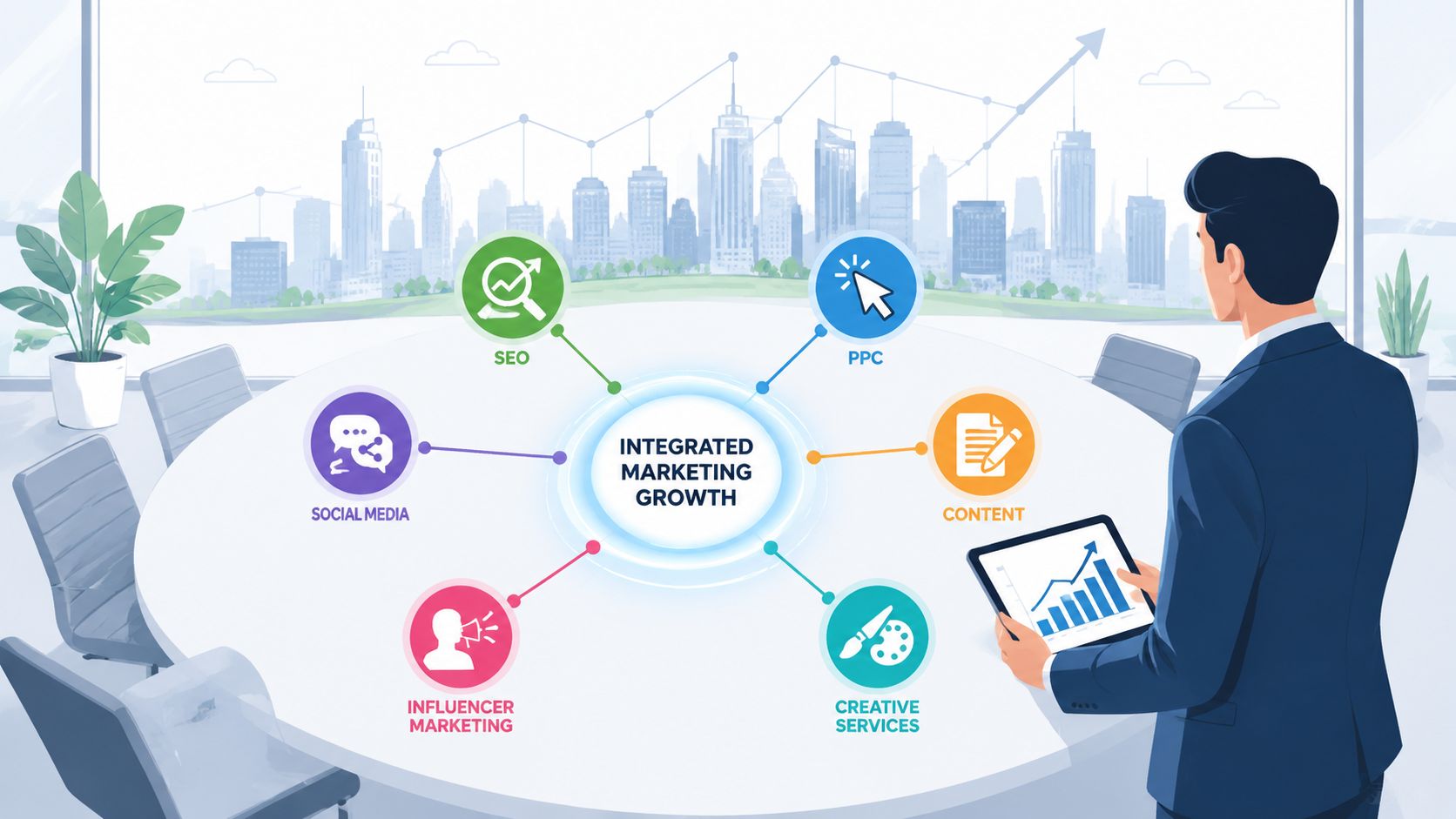
A strong campaign isn't one tactic. It's orchestration. That's especially true now, when buyers move between search, social, creators, email, landing pages, events, and peer recommendations without caring which team owns which channel. Your audience experiences one brand. Your campaign has to act like one system.
That's where specialist execution matters. At ReachLabs.ai, the advantage isn't just making creative assets or running media. It's combining strategy, content, distribution, and measurement into a campaign structure that moves from awareness into demand. If you're studying these examples because you need more than inspiration, this outside perspective on marketing campaign examples can help broaden the pattern recognition. Then the essential work starts. Choosing the idea your brand can own, building the right channel mix around it, and executing with enough consistency that the market remembers you.
ReachLabs.ai helps brands turn good campaign ideas into fully executed growth systems, with strategy, creative, content, influencer support, and lead generation working together. If you want a campaign that does more than look good in a deck, explore ReachLabs.ai.