
Ever feel like your content creation is just a frantic, last-minute scramble? One day you're rushing to get a blog post out, the next you're trying to remember if you posted on social media. This reactive approach is exhausting and, frankly, ineffective.
A content calendar is the antidote to that chaos. Think of it as the strategic blueprint for all your marketing efforts. It's a detailed schedule that lets you plan, organize, and publish every piece of content with intention. Instead of reacting, you start creating proactively, turning your content process into a smooth, well-oiled machine.
Your Marketing Blueprint: What Is a Content Calendar?
Imagine trying to build a house without architectural plans. You'd have materials scattered everywhere, teams working out of sync, and the final structure would be a mess. That's exactly what content marketing feels like without a plan.
A content calendar brings order to the chaos. At its heart, it’s a living document—maybe a simple spreadsheet or a sophisticated software tool—that gives you a high-level view of your entire content operation. It’s so much more than a list of dates; it's your command center.
More Than Just a Schedule
While scheduling is its main job, the real magic of a content calendar is how it aligns your team and drives your strategy. When everyone from writers and designers to your social media manager knows what's happening, when it's due, and why it matters, your entire operation levels up. This kind of clarity is a cornerstone of effective content marketing for business growth.
A solid calendar tracks all the important details, like:
- Content Topic: What's the specific subject of each piece?
- Format: Is it a blog post, a video, an infographic, or a social media update?
- Target Platform: Where will this be published? Your blog, Instagram, LinkedIn?
- Key Deadlines: Clear dates for drafting, reviewing, and publishing.
- Real-Time Status: A quick way to see if a piece is in progress, under review, or published.
By organizing these moving parts, a content calendar ensures every piece of content works together to tell a cohesive brand story and achieve your marketing goals. It's the difference between throwing content at a wall and building a strategic path to success.
The table below paints a clear picture of just how different these two approaches are.
At a Glance: Reactive vs. Proactive Content Planning
| Aspect | Without a Content Calendar (Reactive) | With a Content Calendar (Proactive) |
|---|---|---|
| Workflow | Scrambled, last-minute, and stressful. | Organized, planned, and predictable. |
| Consistency | Inconsistent posting, off-brand messaging. | Consistent schedule, cohesive brand voice. |
| Strategy | No clear goals; content is disconnected. | Aligned with marketing goals and campaigns. |
| Teamwork | siloed and chaotic; frequent miscommunication. | Collaborative and transparent; everyone is aligned. |
| Results | Hit-or-miss engagement, hard to measure ROI. | Improved engagement, easier to track performance. |
The difference is night and day. One path leads to burnout and mediocre results, while the other leads to sustainable growth.
For those heavily invested in social channels, it’s also incredibly helpful to create an effective social media content calendar to manage the fast-paced nature and unique needs of each platform. Ultimately, this tool is what turns your great ideas into a concrete, actionable plan that gets real results.
Anatomy of a High-Performing Content Calendar
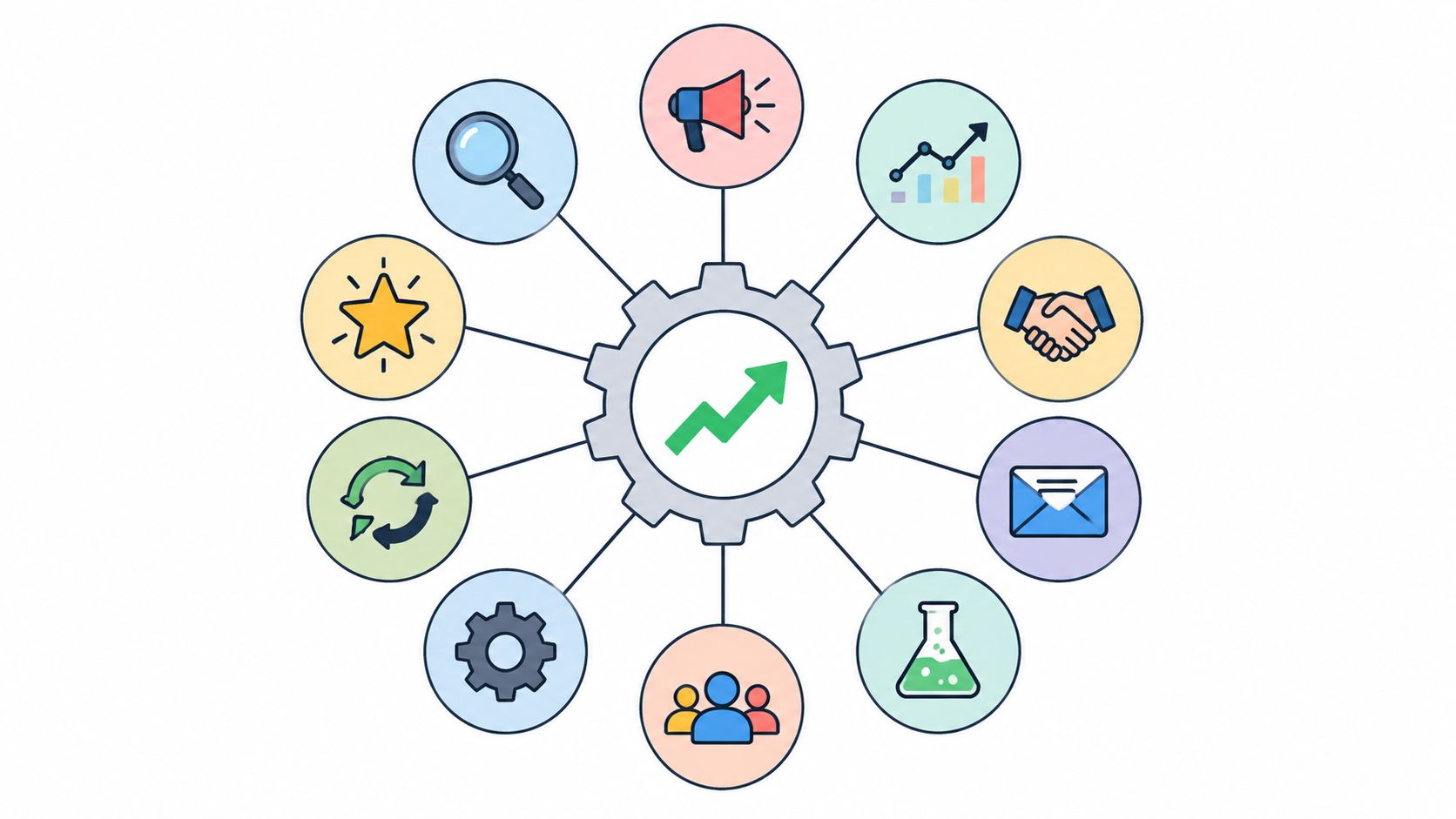
A great content calendar is so much more than a simple list of dates. It's the central nervous system for your entire content strategy—a living, breathing document that turns abstract ideas into published reality. Think of it as the detailed schematic that supports your larger marketing blueprint.
This visualization shows how the calendar acts as that central hub, connecting the dots between planning, organizing, and actually getting your content out the door.
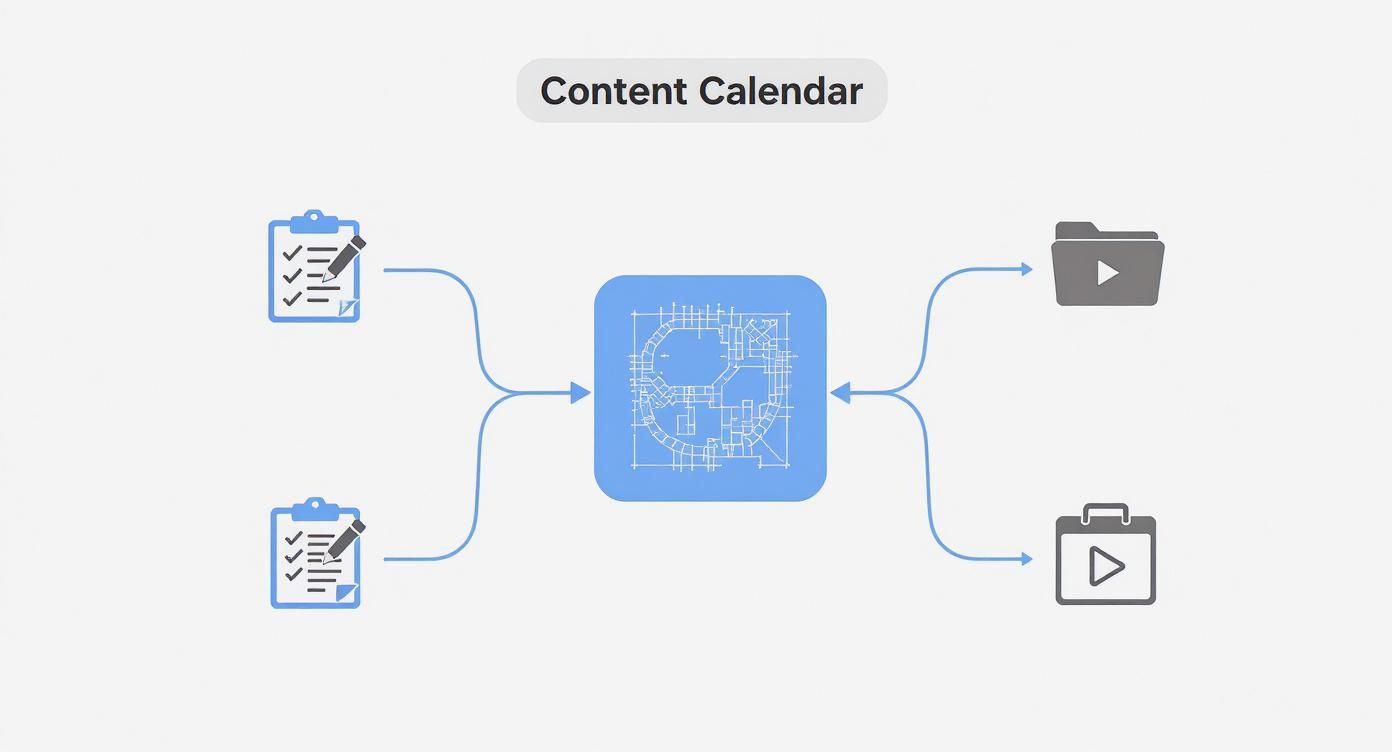
When every key piece of information lives here, you create a smooth, predictable process. Your calendar becomes the undisputed single source of truth for everyone on the team.
Core Calendar Components
So, what information does a calendar actually need to be useful? While you can customize it to fit your team's needs, every high-performing calendar I've ever seen includes these non-negotiable elements:
- Content Topic and Title: The core idea and the working headline for the piece.
- Content Format: Is this a blog post? A TikTok video? An infographic? A LinkedIn carousel?
- Target Platform: Where will this content live? The company blog, Instagram, YouTube, etc.
- Key Deadlines: The non-negotiable dates—first draft due, final review, and the all-important publish date.
- Assigned Team Members: Who is responsible for what? Name the writer, designer, editor, and final approver.
Having this level of clarity is a cornerstone of a solid content marketing workflow, as it removes ambiguity and keeps everyone accountable.
Tracking and Performance Metrics
The best calendars don't just stop at production details; they close the loop by tracking performance. In fact, over 70% of marketing teams now use their digital calendars to schedule content and monitor its results. This means they can see impressions, engagement, and conversions right inside the same tool they used for planning.
A truly effective content calendar must include a real-time status tracker. Simple labels like "In Progress," "Under Review," or "Published" provide instant visibility into your pipeline, preventing bottlenecks before they happen.
By building in these components, your calendar evolves from a simple schedule into the command center that ensures your team knows exactly what to do, when to do it, and who’s making it happen.
Why a Calendar Is Your Secret Marketing Weapon
So, we know what a content calendar is. But let's get to the important part: what it actually does for you. A content calendar is what separates random acts of content from a smart, deliberate strategy that actually gets results.
It's the difference between shouting into the void and having a real conversation. When your blog posts, social media updates, and email newsletters are all planned in one place, they start working together. They tell a single, powerful story that builds trust and makes your brand instantly recognizable.
Building a Rhythm for Growth
Ever notice how the brands you follow most consistently just show up? That's not an accident. Consistency is the bedrock of audience engagement. Posting erratically confuses your audience and tanks your visibility in most algorithms. A steady, predictable rhythm keeps you top-of-mind.
The data backs this up, too. Companies that start using a content calendar often end up increasing their posting frequency by an average of 40%. That’s not just busy work—it translates directly into better audience retention and brand awareness. It’s simple, really: a schedule isn't just for organizing, it's for growing. You can dig into more stats on this over at Social Firm.
A content calendar helps you see the whole board. You can spot content gaps, line up your posts with big company announcements or holidays, and get everyone on the team pulling in the same direction.
Stop Wasting Time, Start Creating
Without a central plan, marketing teams are doomed to a life of endless meetings, back-and-forth emails, and redundant work. A shared calendar cuts right through that chaos. It becomes the single source of truth, making it crystal clear who's doing what and when it's due.
This isn't just about feeling less stressed (though that's a nice perk). When you clear away all that administrative junk, you free up your team to do what they were hired for: creating amazing content that connects with people. The calendar handles the logistics so your team can handle the creativity. That’s why it’s a non-negotiable tool for any marketing team that's serious about growth.
How to Build Your First Content Calendar

Jumping in and creating a content calendar can feel like a massive undertaking, but it’s actually more straightforward than you might imagine. The goal isn't to map out a flawless, year-long strategy right out of the gate. It's about building a practical, living document that brings some much-needed order to your content chaos, starting now.
First things first, you need to decide where this calendar will live. You don't need to splurge on fancy software; honestly, a simple spreadsheet can be a game-changer when you're starting out. As your content operation gets more complex, you can always graduate to dedicated project management tools, but there's no shame in keeping it simple.
Define Your Core Content Pillars
Before you can start penciling in topics, you need to know what you're actually going to talk about. This is where content pillars come in. These are the 2-4 big-picture themes or topics that your brand owns. Think of them as the main highways your content will travel on.
For instance, if you're a marketing agency, your pillars might look something like this:
- SEO Strategy
- Social Media Marketing
- Email Campaigns
- Paid Advertising
These pillars are your guardrails. They ensure every blog post, video, or social update you create is directly tied to your brand's expertise and serves your audience. This focus keeps you from wandering into irrelevant territory and helps establish you as a go-to authority in your space.
A content calendar without clear pillars is just a random collection of ideas. Defining these core topics first gives your content a purpose and direction, making the rest of the planning process much smoother.
Choosing Your Content Calendar Tool
The tool you choose will shape your workflow, so it's worth thinking about what you really need. A solo creator has different requirements than a ten-person marketing team. Here’s a quick breakdown of the most common options.
| Tool Type | Best For | Key Advantages | Potential Drawbacks |
|---|---|---|---|
| Spreadsheets (Google Sheets, Excel) | Individuals and small teams just starting out. | Highly customizable, no cost, and easy to share. | Lacks automation and can become cluttered quickly. |
| Project Management Tools (Trello, Asana, Monday) | Growing teams needing collaboration and workflow tracking. | Kanban boards, task assignments, and integrations. | Can have a learning curve and recurring subscription costs. |
| Dedicated Content Platforms (CoSchedule, Airtable) | Marketing teams looking for an all-in-one solution. | Built-in analytics, social media scheduling, and approval workflows. | Often more expensive and can be overly complex for simple needs. |
Don't overthink it at the start. Pick the tool that feels most intuitive and solves your immediate organizational problems. You can always switch later as your needs evolve.
Establish a Realistic Publishing Cadence
With your pillars in place, the next step is to figure out your publishing rhythm. And I have to be clear here: consistency trumps volume every single time. It is far better to publish one fantastic blog post every single week than it is to publish five in one week and then disappear for a month.
Take an honest look at your resources—your time, your budget, and your team's bandwidth. From there, set a schedule you can genuinely stick to. This cadence becomes the skeleton of your calendar, giving you empty slots just waiting to be filled with great ideas.
Once you have your pillars and a steady cadence, you can finally start populating the calendar. Brainstorm specific topics that fit neatly under each pillar and start assigning them to your publishing dates. That’s it. This simple, step-by-step approach is all you need to build a functional and effective what is a content calendar that will completely change how you work.
Content Calendar Examples for Different Goals
A content calendar is never a one-size-fits-all solution. In fact, its real magic comes from its flexibility. The best calendars are custom-built to serve a specific purpose, whether that's boosting brand awareness, pulling in new leads, or driving sales.
To really get a feel for this, let's look at how different teams might build their calendars to hit their unique goals.
This example from Asana gives a great visual overview. It tracks all the essential details like the content's status, its format, and when it’s scheduled to go live.

Having a layout like this gives you a bird's-eye view of your entire content pipeline. It makes it incredibly easy to spot gaps in your schedule or identify where a piece of content might be getting stuck.
For the B2B Blog Focused on SEO
Imagine a B2B company that wants to dominate organic search. Their content calendar is going to be far more than just a list of dates; it's a strategic SEO command center.
This kind of calendar is packed with data. Key fields would probably include:
- Target Keyword: The main search phrase the article is trying to rank for.
- Search Volume: How many people are searching for that keyword each month.
- Funnel Stage: Is this content for someone just discovering the problem (awareness) or someone ready to buy (decision)?
- Call-to-Action (CTA): What’s the next step for the reader? Maybe it’s downloading a guide or booking a demo.
This approach transforms every blog post from a simple article into a strategic asset built to attract a specific audience. For teams laser-focused on a single platform, a dedicated LinkedIn content calendar can amplify these efforts even further.
For the Solo Entrepreneur on Social Media
Now, let's shift gears to a solo entrepreneur. Their main challenge is staying consistent and engaging their audience without getting completely bogged down. Their calendar needs to be lean, mean, and built for speed.
You can dive deeper into this in our guide on building a powerful social media content calendar.
A solo creator’s calendar might simply include the post copy, a link to the visual, the right hashtags, and the exact time it needs to go live. Efficiency is everything.
This stripped-down view helps them quickly plan a healthy mix of content—promotions, personal stories, customer shout-outs—all without the overhead of a massive project management tool. It’s all about maintaining that steady, authentic presence.
Frequently Asked Questions About Content Calendars
As you start using a content calendar, a few questions always seem to pop up. Let's tackle some of the most common ones to help you get your calendar running smoothly.
What’s the Difference Between a Content Calendar and a Content Strategy?
It's a classic mix-up, but they play very different roles.
Think of your content strategy as the blueprint for building a house. It answers the big questions—the "why" and the "who." It defines your goals, who you're trying to reach, and the core messages you want to get across. It’s your high-level vision.
The content calendar, on the other hand, is the actual construction schedule. It gets into the nitty-gritty, answering the "what," "when," and "where." It lays out the specific articles, social posts, and videos you'll create to turn that grand vision into reality. It's the hands-on tool for executing the strategy.
In short, your strategy is the master plan. Your calendar is the day-to-day action that brings it to life. You can't have one without the other.
How Far Ahead Should I Plan My Content?
There’s no single right answer for everyone, but a good starting point is to plan out individual content pieces at least one month in advance. This gives your team enough breathing room to create high-quality work without feeling rushed, but it’s still flexible enough to adapt.
For your bigger tentpole content—like major blog series, video launches, or campaign themes—it’s smart to look a full quarter ahead. This helps you align content with broader business goals, product launches, or seasonal trends. The trick is to find a balance that allows for thoughtful planning while leaving room to jump on trending topics or unexpected opportunities.
Should I Use a Spreadsheet or a Dedicated Tool?
This really comes down to your team's size and how complex your content operation is.
- Spreadsheets (like Google Sheets): For solo creators or small teams just getting started, a spreadsheet is perfect. It's free, completely customizable, and easy to share. It's an excellent way to build your process from the ground up.
- Dedicated Tools (like Asana, Trello, or CoSchedule): As your team and content volume grow, these tools become a lifesaver. They offer things spreadsheets can't, like task automation, built-in approval workflows, and better collaboration features that ensure nothing falls through the cracks.
My advice? Start with a simple spreadsheet. When you feel like you’re spending more time managing the sheet than creating content, that’s your signal to upgrade to a dedicated tool.
At ReachLabs.ai, we turn your content strategy into a growth machine. Our team builds and manages data-driven content plans designed to deliver real business results. Find out how we can help elevate your brand by visiting us at https://www.reachlabs.ai.