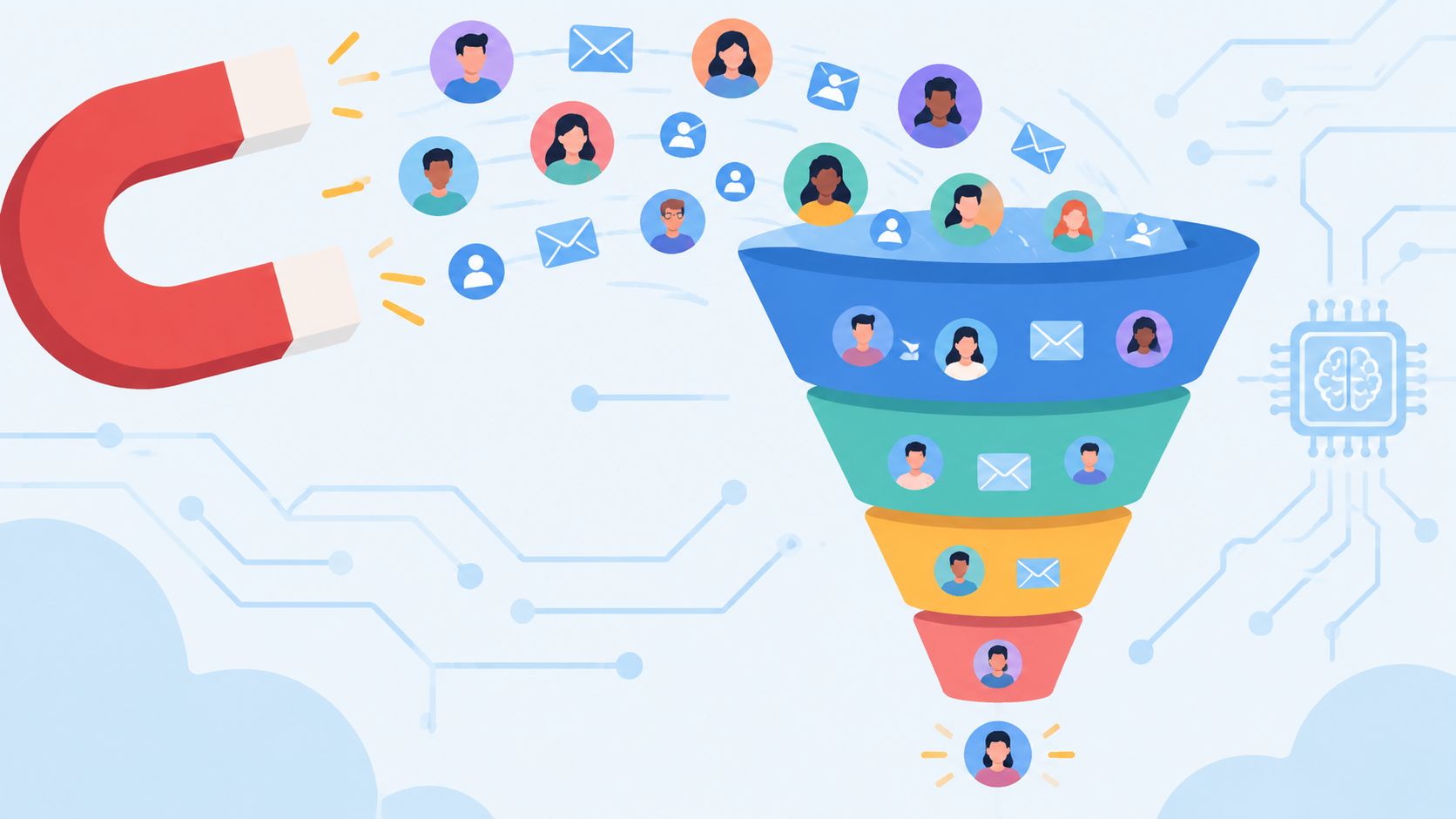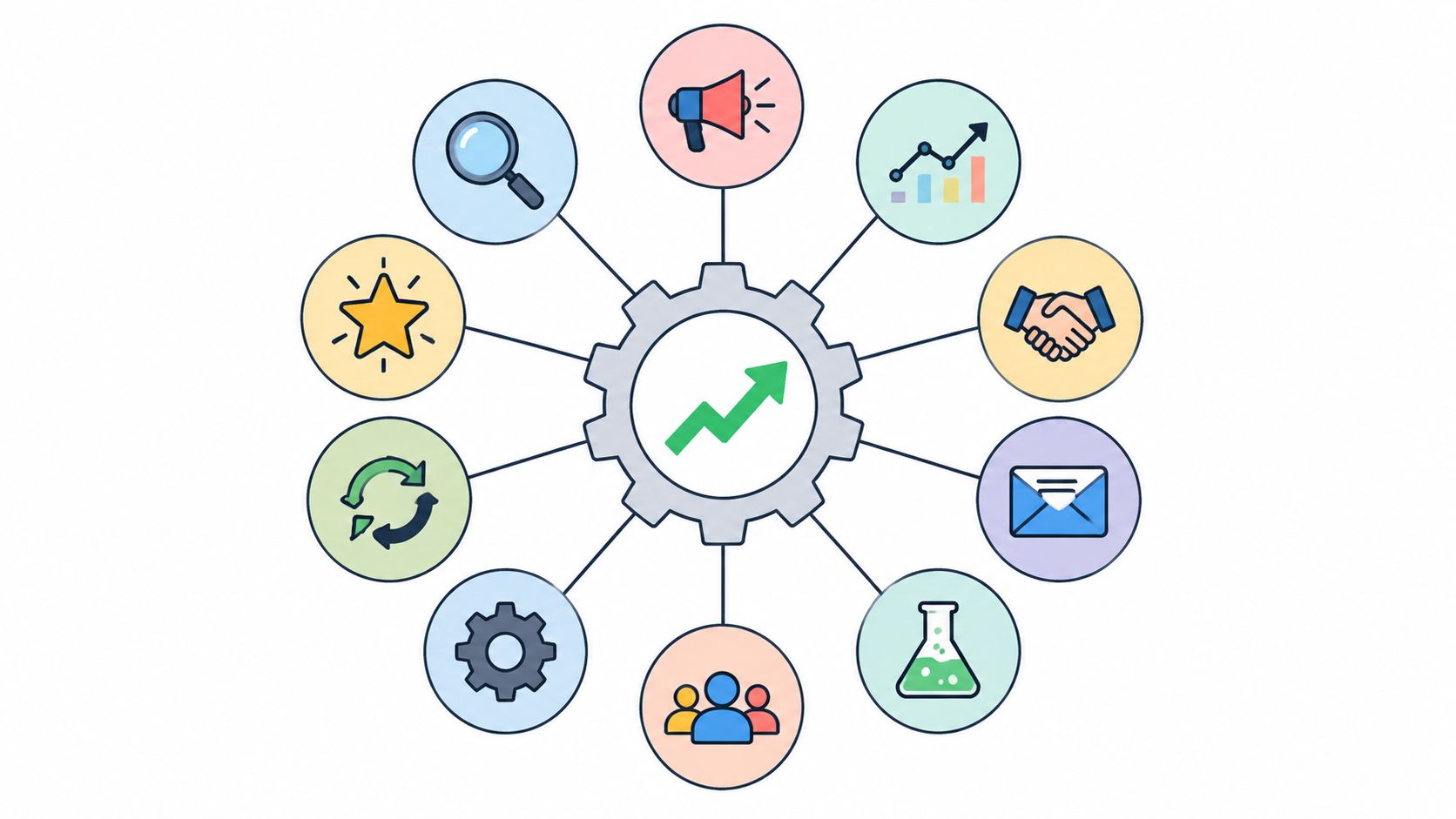

Influencer marketing has evolved far beyond a simple numbers game of sponsored posts and follower counts. In today's market, success is not measured by reach alone but by resonance, authenticity, and tangible business outcomes. While many brands still chase vanity metrics, the real return on investment lies in a more sophisticated, multi-faceted approach. This guide unpacks the essential influencer marketing best practices that separate fleeting trends from sustainable, long-term growth.
We will move past the basics to provide a strategic framework for building campaigns that not only capture attention but also foster genuine connections with target audiences. To effectively master these new rules, a thorough understanding of influencer outreach is paramount. Mastering this initial step sets the foundation for the meaningful collaborations we will explore.
This comprehensive listicle is designed for marketing professionals, business owners, and creators looking to elevate their strategies. We will cover everything from data-driven influencer selection and ensuring FTC compliance to fostering long-term partnerships and measuring true performance. Whether you are refining an existing program or building one from the ground up, these 10 core principles will equip you to navigate the complexities of modern influencer marketing and turn influence into measurable impact. By focusing on audience alignment, authentic storytelling, and strategic execution, you can build powerful campaigns that drive real results. Let's dive into the practices that define successful influencer collaborations today.
1. Audience Alignment and Authenticity
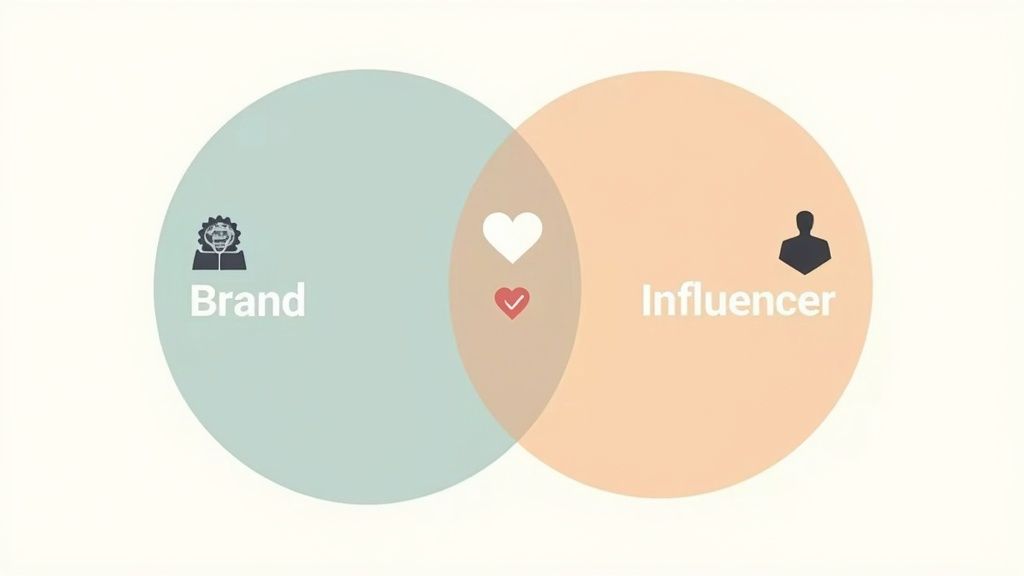
The cornerstone of all successful influencer marketing best practices is the principle of audience alignment. This goes beyond simply matching an influencer’s follower count to your budget; it involves a deep analysis to ensure their audience demographics, psychographics, values, and interests are a near-perfect match for your target customer. When this alignment is achieved, the partnership feels organic and authentic, fostering genuine trust and connection.
Authenticity is the currency of influencer marketing. Today’s audiences are highly perceptive and can easily spot a forced or disingenuous endorsement. A mismatch between an influencer's typical content and a sponsored post can not only damage the influencer's credibility but also create a negative brand association for your company, leading to poor engagement and a wasted investment.
Why This Practice Is Crucial
Prioritizing authentic alignment is essential because it directly impacts campaign performance and brand perception. A partnership with a truly aligned influencer means you are reaching a pre-qualified, receptive audience. This leads to higher engagement rates, more meaningful conversations in the comments, and ultimately, a better return on investment. It's the difference between shouting your message into a crowded room and having a trusted friend recommend it to the right people.
For example, the outdoor apparel brand Patagonia consistently partners with environmental activists and adventurers whose personal brands are built on sustainability and a love for nature. This synergy makes their collaborations feel like a natural extension of both parties' core missions, not just a paid advertisement.
How to Implement This Strategy
To ensure genuine alignment, you must move beyond surface-level metrics. Vetting an influencer requires a strategic, data-driven approach.
Actionable Tips for Vetting Influencers:
- Request a Media Kit: Ask for an up-to-date media kit that includes detailed audience analytics, such as age, gender, location, and interests. Compare this data directly against your ideal customer persona.
- Analyze Past Partnerships: Scrutinize their previous brand collaborations. Do they align with your brand's values? An influencer who promotes fast fashion one week and a sustainable brand the next may lack the authenticity your campaign needs.
- Study Audience Engagement: Don't just look at likes; read the comments. Are followers genuinely engaged, or are the comments generic and bot-like? Authentic engagement indicates a loyal and trusting community.
- Conduct Value-Alignment Interviews: Schedule a brief call to discuss your brand’s mission and values. This conversation can reveal whether the influencer is genuinely passionate about what your brand stands for.
2. Micro-Influencer Strategy
While macro-influencers and celebrities offer massive reach, one of the most effective influencer marketing best practices is to focus on a micro-influencer strategy. This approach involves partnering with creators who have smaller, more dedicated followings, typically in the 10,000 to 100,000 range. These influencers often cultivate highly engaged, niche communities built on trust and a shared passion, making their endorsements feel more like a genuine recommendation from a knowledgeable friend.
Because of their specialized focus, micro-influencers often deliver higher engagement rates and more authentic connections than their larger counterparts. This strategy allows brands to execute highly targeted campaigns that resonate deeply within specific communities, from local food scenes to sustainable fashion circles, often at a fraction of the cost.

Why This Practice Is Crucial
A micro-influencer strategy is crucial because it prioritizes engagement and trust over sheer follower numbers. These creators have a closer relationship with their audience, leading to more meaningful interactions and a higher likelihood of conversion. For brands in niche markets or those looking to build community-driven growth, this approach provides a direct line to a pre-vetted, passionate audience that is more likely to listen and act.
For example, a direct-to-consumer skincare brand can achieve a significant ROI by collaborating with a handful of beauty creators with 50,000 followers who specialize in cruelty-free products. Their collective impact can often outperform a single, expensive partnership with a general lifestyle macro-influencer whose audience may be too broad.
How to Implement This Strategy
Successfully implementing a micro-influencer strategy requires a shift in focus from reach to resonance. The goal is to build a network of authentic brand advocates rather than securing a single, high-profile endorsement.
Actionable Tips for Vetting Influencers:
- Prioritize Engagement Rate: Look beyond the follower count and analyze the engagement rate (likes, comments, shares). A high rate indicates a healthy, active community that values the influencer's content.
- Grant Creative Freedom: Micro-influencers know their audience best. Provide them with key messaging and objectives but allow them the creative freedom to produce content in their authentic voice and style.
- Build a Scalable Program: Instead of one-off partnerships, aim to build long-term relationships with multiple micro-influencers. Tiered campaigns with different creator groups can amplify your message effectively.
- Use Discovery Platforms: Leverage tools to streamline your search. You can find micro-influencers on reachlabs.ai and similar platforms that help identify creators in your specific niche and analyze their audience data.
3. Clear Contract Terms and Deliverables
A handshake agreement isn't enough in the professional landscape of influencer marketing. One of the most critical influencer marketing best practices is establishing a detailed, legally sound contract that leaves no room for ambiguity. This agreement serves as the foundational document for the partnership, clearly outlining every expectation, from creative specifics to compensation and legal obligations, protecting both the brand and the creator.
A well-defined contract prevents misunderstandings, scope creep, and potential disputes down the line. It transforms a casual collaboration into a professional business transaction, ensuring that campaign goals are met, content is delivered on time, and all parties understand their rights and responsibilities. This formalization is key to building sustainable, long-term influencer relationships.
Why This Practice Is Crucial
Formalizing your partnership with a clear contract is essential for risk management and campaign execution. It ensures that deliverables, timelines, and payment terms are mutually agreed upon, preventing confusion that could derail a campaign. This document also legally secures content usage rights, allowing your brand to repurpose influencer-generated content across other marketing channels, maximizing its value. Without it, you risk disputes over content ownership, missed deadlines, or misaligned creative output.
For instance, a tech company launching a new app can use a contract to specify that an influencer must demonstrate three key features in their video review. This contractual obligation guarantees that the most important marketing messages are communicated, rather than leaving it to the creator’s discretion.
How to Implement This Strategy
Implementing a standardized yet customizable contracting process is key to scaling your influencer marketing efforts efficiently and safely. A robust template is your best starting point.
Actionable Tips for Vetting Influencers:
- Define All Deliverables: Specify the exact number and type of content pieces (e.g., one Instagram Reel, three Stories, one blog post). Include details on format, length, and any required calls-to-action.
- Outline Content and Posting Schedules: Include specific posting dates and even optimal times. Detail any approval or revision processes, clearly stating how many rounds of edits are included (typically one or two).
- Clarify Usage Rights: Explicitly state how and where your brand can use the influencer's content (e.g., on your website, in paid ads, on social media) and for how long. This is crucial for maximizing your ROI.
- Include Clear Compliance Language: Mandate the use of proper FTC disclosures, such as
#ador#sponsored, in a prominent location. Specify required hashtags, @mentions, and swipe-up links to ensure consistent branding and tracking.
4. Long-Term Partnerships Over One-Off Campaigns
While one-off campaigns can provide a quick promotional boost, one of the most impactful influencer marketing best practices is shifting focus toward building long-term, ongoing relationships. This approach transforms influencers from temporary advertisers into genuine brand ambassadors. An extended partnership allows for deeper storytelling and a more authentic integration of your brand into the influencer's content ecosystem.
This strategic pivot builds sustained momentum and trust. Audiences see a brand appear consistently and organically over time, which reinforces credibility and fosters stronger brand recall than a single, isolated post. It signals a genuine belief in the product, not just a transactional endorsement, leading to a more loyal and engaged community for both the brand and the influencer.
Why This Practice Is Crucial
Prioritizing long-term partnerships is essential for moving beyond fleeting awareness to build lasting brand equity. Repeated exposure from a trusted source is far more effective at driving consideration and loyalty than a one-time mention. These relationships often become more cost-effective over time, as the initial investment in sourcing and onboarding is spread across multiple campaigns, and partners become more efficient at creating high-performing content.
For instance, the fitness apparel brand Gymshark built its empire by cultivating long-term relationships with fitness athletes and creators. These ambassadors, like Lexx Little and David Laid, don't just post once; they live in the brand's apparel, making Gymshark an authentic and integral part of their fitness journey, which resonates deeply with their followers.
How to Implement This Strategy
Successfully building a lasting partnership requires a structured yet flexible approach that benefits both parties. It’s about creating a true collaborative environment rather than a purely transactional one.
Actionable Tips for Building Ambassador Programs:
- Start with a Trial Period: Propose an initial 3 to 6-month partnership to ensure the collaboration is a good fit before committing to a longer-term agreement.
- Establish Performance Checkpoints: Schedule quarterly reviews to discuss what’s working, what isn’t, and how you can collaboratively improve campaign performance.
- Plan a Collaborative Content Calendar: Work with the influencer to map out key themes, product launches, and promotional periods, allowing them to integrate your brand into their content plan authentically.
- Provide Exclusive Perks: Offer early access to new products, invitations to brand events, or unique discount codes for their community to make them feel like true insiders.
- Create Ambassador Tiers: Develop a structured program with different levels of commitment and rewards. This provides a clear path for growth and incentivizes top-performing partners.
5. Authentic Storytelling and Creative Freedom
One of the most impactful influencer marketing best practices involves shifting from rigid scripts to empowering creators with creative freedom. This approach recognizes that an influencer's true value lies in their unique voice and the authentic relationship they have cultivated with their audience. By allowing them to integrate your product or service into their native storytelling style, the resulting content feels less like an advertisement and more like a trusted recommendation.
Micromanaging creative direction and enforcing strict scripts can strip away the very authenticity that makes an influencer effective. Audiences follow creators for their personality, humor, and perspective. When a sponsored post deviates sharply from their usual content, it raises red flags and can harm the credibility of both the influencer and the brand. Granting creative control ensures the message is delivered in a way that resonates organically with their community.
Why This Practice Is Crucial
Empowering influencers with creative freedom directly translates to higher engagement and greater audience trust. Content that is genuinely conceived and produced by the influencer performs better because it aligns with their followers' expectations. This method avoids the "ad blindness" that often accompanies overly polished or corporate-feeling content, leading to more authentic conversations and a stronger, more memorable brand impact.
For instance, Airbnb’s strategy often involves letting travel creators share their genuine, unscripted experiences staying at their properties. Instead of providing a list of features to recite, they allow influencers to document their unique journeys, resulting in powerful, personal stories that inspire wanderlust and build an emotional connection to the brand.
How to Implement This Strategy
Successfully implementing this practice requires a balance between providing clear brand guidelines and allowing for creative interpretation. The goal is to guide, not to control.
Actionable Tips for Granting Creative Freedom:
- Provide Key Talking Points, Not Scripts: Equip influencers with the essential messages, features, and benefits, but let them weave these points into their own narrative.
- Establish Clear "Dos and Don'ts": Share your brand guidelines and highlight any non-negotiable elements, such as specific compliance phrases or things to avoid, while leaving the creative style flexible.
- Encourage Personal Stories: Ask influencers how your product or service fits into their life. This encourages them to share personal anecdotes and authentic use cases, which are far more compelling than a generic review. You can discover how to build a powerful brand storytelling framework to better guide these narratives.
- Review for Brand Fit, Not Creative Style: When reviewing draft content, provide feedback based on brand alignment and accuracy rather than dictating changes to their creative or editing style.
6. Data-Driven Selection, Analytics & Performance Measurement
Transitioning from intuition-based choices to a data-first approach is a critical influencer marketing best practice. This involves leveraging comprehensive analytics not just to measure results but to inform every stage of the process, from identification and vetting to final performance analysis. Relying solely on follower counts is obsolete; modern strategies demand a deep dive into engagement rates, audience quality, sentiment, and fraud detection to ensure partnerships are built on a solid foundation.
This analytical rigor allows brands to move beyond vanity metrics and focus on what truly drives business results. By implementing clear, KPI-based measurement, you can definitively attribute conversions, track ROI, and identify which influencers are genuinely moving the needle for your brand. This transforms influencer marketing from a speculative spend into a predictable, optimizable, and highly effective growth channel.
Why This Practice Is Crucial
A data-driven strategy mitigates risk and maximizes return. Analytics tools can uncover fraudulent activity, such as an influencer with a high follower count but suspiciously low engagement or an audience composed largely of bots. This prevents wasted budget and protects brand reputation. Furthermore, precise performance measurement provides the insights needed to refine future campaigns, re-invest in high-performing partners, and demonstrate the tangible value of your marketing efforts to stakeholders.
For instance, an e-commerce brand can use unique UTM parameters and discount codes for each influencer. By tracking these, they can see exactly which partner drove the most traffic and sales, allowing them to calculate a precise ROI for each collaboration instead of guessing at the campaign's overall impact. To truly master performance, a thorough understanding of influencer marketing KPIs and key metrics to track is indispensable for optimizing campaigns.
How to Implement This Strategy
Integrating data into your workflow requires the right tools and a clear measurement framework established before the campaign launch. This ensures every action is measurable and aligned with business objectives.
Actionable Tips for Data-Driven Campaigns:
- Use Analytics Platforms: Employ tools like HypeAudience or similar platforms to vet influencers. Analyze their audience demographics, check for follower authenticity, and benchmark their engagement rates against industry standards.
- Implement Robust Tracking: Assign unique UTM parameters to every influencer link to track website traffic and behavior in Google Analytics. For e-commerce, provide unique, trackable discount codes to attribute sales directly.
- Define KPIs Upfront: Before outreach, define what success looks like. Is it brand awareness (impressions, reach), consideration (clicks, engagement), or conversion (sales, sign-ups)? Set specific, measurable goals for each.
- Monitor in Real-Time: Use a campaign dashboard to track performance as it happens. This allows you to identify what's working and make agile adjustments, rather than waiting until the campaign is over to analyze results. Discover more about proving your campaign's worth by measuring influencer marketing ROI.
7. Multi-Platform and Format Strategy
Relying on a single platform or content format significantly limits your campaign's reach and impact. An effective multi-platform and format strategy involves distributing your message across various channels, such as Instagram, TikTok, YouTube, and LinkedIn, while tailoring the content to each platform's unique audience behavior and algorithmic preferences. This approach maximizes visibility and engages different segments of your audience where they are most active.
Today's digital landscape is fragmented; your audience consumes content differently on each platform. A long-form tutorial excels on YouTube, a quick visual trend thrives on TikTok Reels, and a polished image performs well on an Instagram feed. Simply cross-posting the same asset everywhere is an outdated practice that ignores these nuances and leads to subpar engagement.

Why This Practice Is Crucial
A multi-platform approach is vital for achieving comprehensive audience penetration and mitigating risk. By diversifying your presence, you aren't vulnerable to a single platform's algorithm changes. This is one of the most critical influencer marketing best practices for building resilience and ensuring your message connects with users through their preferred content formats, which deepens engagement and reinforces brand recall.
For instance, a fitness brand might collaborate with an influencer to create a full-length workout video for YouTube, a 30-second exercise challenge for TikTok, and a carousel post with workout tips for Instagram. Each piece of content uses a native format to deliver value, capturing different audience intentions and strengthening the overall campaign narrative.
How to Implement This Strategy
Deploying a successful multi-platform strategy requires thoughtful planning and an understanding of each channel’s strengths. It’s about creating cohesive yet distinct experiences across the digital ecosystem.
Actionable Tips for a Multi-Platform Approach:
- Audit Audience Presence: Use analytics and market research to identify which platforms your target demographic uses most frequently. Focus your efforts where your audience is already engaged.
- Embrace Native Formats: Instead of cross-posting, adapt your core message for each platform. Leverage vertical video for TikTok and Reels, high-quality images for Instagram feeds, and ephemeral content for Stories.
- Repurpose Content Intelligently: A long-form YouTube video can be broken down into dozens of smaller assets. Create short clips for Reels, pull-quotes for Twitter, and behind-the-scenes photos for Instagram Stories to maximize your investment.
- Allocate Budget Based on Performance: Track analytics for each platform separately. Identify which channels and formats deliver the highest ROI and adjust your budget allocation accordingly to double down on what works.
8. Transparent Disclosure and FTC Compliance
In an era where authenticity reigns, transparency is non-negotiable. One of the most critical influencer marketing best practices is ensuring strict adherence to disclosure guidelines set by regulatory bodies like the Federal Trade Commission (FTC). Proper disclosure involves clearly and conspicuously communicating the commercial relationship between an influencer and a brand, which is essential for maintaining audience trust and legal compliance.
Failing to disclose a paid partnership is not only unethical but also illegal, putting both the brand and the influencer at risk of significant penalties. Audiences appreciate honesty; when they see a clear disclosure like #ad or a platform's paid partnership label, it reinforces the influencer's credibility rather than diminishing it. This transparency ensures the audience can properly evaluate the endorsement, preserving the integrity of the influencer-follower relationship.
Why This Practice Is Crucial
Legal compliance is the most obvious reason this practice is essential, but the benefits extend far beyond avoiding fines. Transparent disclosures build and maintain audience trust, which is the foundation of effective influencer marketing. When followers know a post is sponsored, they can process the information accordingly, and this honesty strengthens their connection to the influencer. It protects your brand's reputation by demonstrating a commitment to ethical marketing practices.
For example, a beauty influencer using Instagram's "Paid partnership with [Brand]" label on a makeup tutorial is being upfront about the collaboration. This built-in tool is clear and universally understood, leaving no room for ambiguity. This simple action tells followers the influencer was compensated, allowing them to trust the creator's opinion while being fully aware of the commercial context.
How to Implement This Strategy
Integrating compliance into your campaign workflow from the start is the most effective way to manage disclosures. Make it a mandatory, non-negotiable component of every influencer agreement and content review process.
Actionable Tips for Ensuring Compliance:
- Mandate Disclosure in Contracts: Your influencer agreement must explicitly state the requirement for FTC-compliant disclosures. Specify the exact wording (e.g., #ad, #sponsored) and placement (e.g., within the first two lines of a caption).
- Use Platform-Native Tools: Prioritize using built-in disclosure features, such as Instagram’s Paid Partnership label or YouTube’s sponsorship notification. These tools are designed for compliance and are highly visible to users.
- Provide Clear Guidelines: Do not assume influencers know the rules. Provide them with a simple one-sheet or a clause in their brief detailing your brand's specific disclosure requirements, including examples of correct and incorrect placement.
- Audit Content Pre-Publication: As part of your content approval process, create a compliance checkpoint. A dedicated team member should verify that the correct disclosure is present and properly placed before the content goes live.
9. Community Engagement and Two-Way Communication
Effective influencer marketing transcends one-way broadcasting and evolves into a genuine dialogue. The practice of fostering community engagement and two-way communication is about treating campaign content as a conversation starter, not a monologue. It involves both the brand and the influencer actively participating in the comments, answering questions, and acknowledging audience feedback to build a loyal, interactive community.
This approach transforms passive viewers into active participants. When an audience feels seen and heard, their connection to both the influencer and the sponsored brand deepens significantly. This dynamic nurtures trust and transforms a transactional endorsement into a relationship, creating a powerful foundation for brand advocacy and long-term loyalty.
Why This Practice Is Crucial
Prioritizing two-way communication is a critical influencer marketing best practice because it directly boosts engagement metrics and provides invaluable consumer insights. Posts with active comment sections are favored by social media algorithms, increasing their reach and visibility. More importantly, this interaction shows that the brand cares about its customers' opinions, humanizing the company and building stronger affinity.
For instance, a beauty brand collaborating with an influencer for a live Q&A on Instagram can address real-time questions about product ingredients, application techniques, and shade matching. This not only educates potential customers but also creates a memorable, interactive experience that drives immediate consideration and sales far more effectively than a static post.
How to Implement This Strategy
To cultivate a thriving community, brands must proactively build engagement requirements and opportunities into their campaign framework from the outset.
Actionable Tips for Fostering Engagement:
- Set Contractual Expectations: Clearly outline in your influencer agreement the expectation for them to respond to a certain percentage of comments and DMs, especially within the first few hours after a post goes live.
- Host Interactive Live Sessions: Co-host Q&A sessions, tutorials, or behind-the-scenes events on platforms like Instagram Live or TikTok Live. This real-time format encourages direct interaction and makes the audience feel involved.
- Run Community-Centric Campaigns: Launch user-generated content (UGC) campaigns that encourage followers to share their own experiences with your product. Feature the best submissions on your brand's and the influencer's channels.
- Utilize Interactive Story Features: Encourage influencers to use polls, quizzes, and question stickers in their stories. This provides an easy, low-friction way for the audience to engage and gives you direct feedback.
10. Diversity and Inclusive Influencer Partnerships
A modern and essential component of influencer marketing best practices is the commitment to diversity and inclusion. This involves intentionally partnering with creators from varied backgrounds, demographics, abilities, and perspectives to ensure your brand message resonates with a broad and realistic representation of society. This practice moves beyond superficial tokenism to foster genuine inclusion, reflecting the real world and connecting with previously untapped audience segments.
Embracing diversity demonstrates that your brand's values align with modern consumer expectations. Audiences today are not only more diverse than ever but are also actively looking to support brands that champion representation and inclusivity. A failure to do so can make a brand appear out of touch, while a genuine commitment can build powerful community loyalty and brand affinity.
Why This Practice Is Crucial
Prioritizing inclusive partnerships is crucial for relevance, reach, and brand integrity. It allows your brand to build authentic connections with diverse communities, showing them they are seen, valued, and understood. This leads to increased market share, enhanced brand perception, and more innovative and culturally relevant campaign narratives. It's the difference between marketing to a demographic and becoming a genuine part of their community conversation.
For instance, beauty brands like Fenty Beauty have built their entire marketing strategy around inclusivity, consistently partnering with influencers of all skin tones, genders, and sizes. This approach has not only disrupted the industry but has also cultivated an intensely loyal customer base that feels truly represented by the brand.
How to Implement This Strategy
To implement this strategy effectively, you must embed inclusivity into the core of your influencer selection process, not treat it as a checkbox exercise. This requires a thoughtful and sustained effort to identify and build relationships with a wide range of creators.
Actionable Tips for Inclusive Partnerships:
- Go Beyond One-Off Campaigns: Integrate diversity into your year-round marketing strategy, not just during designated heritage or awareness months. Consistent representation shows genuine commitment.
- Ensure Equitable Compensation: Offer fair and equal pay to all influencer partners, regardless of their background. Pay gaps can exist in the creator economy, and addressing this is a key part of ethical practice.
- Amplify Authentic Voices: Partner with influencers who are genuinely part of the communities you want to reach. Allow them the creative freedom to speak to their audience in a way that feels natural and authentic.
- Build Long-Term Relationships: Instead of one-off collaborations, focus on building lasting partnerships with diverse creators. This allows for deeper storytelling and demonstrates a long-term investment in their communities.
10-Point Influencer Marketing Best Practices Comparison
| Strategy | Implementation (🔄) | Resources & Speed (⚡) | Expected Outcomes (📊) | Ideal Use Cases (💡) | Key Advantages (⭐) |
|---|---|---|---|---|---|
| Audience Alignment and Authenticity | 🔄🔄🔄 — thorough vetting & audience analysis | ⚡⚡ — analytics tools & time; can delay launch | 📊↑, ⭐⭐⭐ — higher conversion & trust | Niche or reputation-sensitive campaigns | Authentic partnerships, lower brand-safety risk |
| Micro-Influencer Strategy | 🔄🔄 — coordinate many creators | ⚡⚡ — lower cost per creator but management-heavy | 📊↑, ⭐⭐⭐ — high engagement & strong ROI | Targeted, community-driven, testing campaigns | Cost-efficient reach, high engagement, authentic advocacy |
| Clear Contract Terms and Deliverables | 🔄🔄🔄 — legal and operational clarity needed | ⚡⚡ — legal review slows negotiations | 📊↔, ⭐⭐ — predictable execution; fewer disputes | Large-scale, regulated, or multi-influencer programs | Legal protection, clear expectations, compliance |
| Long-Term Partnerships Over One-Off Campaigns | 🔄🔄🔄 — ongoing relationship management | ⚡⚡ — sustained budget & coordination | 📊↑, ⭐⭐⭐ — improved loyalty & long-term ROI | Brand-building, ambassador programs | Deeper advocacy, lower per-content cost, consistency |
| Authentic Storytelling and Creative Freedom | 🔄🔄 — trust-based, looser briefs | ⚡⚡⚡ — faster creative flow; lower production burden | 📊↑, ⭐⭐⭐ — higher engagement, relatable content | Lifestyle, D2C, products benefiting from testimonials | Natural-feeling content, better platform performance |
| Data-Driven Selection, Analytics & Performance Measurement | 🔄🔄🔄🔄 — technical setup & attribution complexity | ⚡⚡ — tool investment and analyst time | 📊↑↑, ⭐⭐⭐ — measurable ROI; fraud detection | Performance marketing, e‑commerce, large budgets | Clear attribution, optimization, budget justification |
| Multi-Platform and Format Strategy | 🔄🔄🔄 — platform-specific planning | ⚡⚡ — higher production and management costs | 📊↑, ⭐⭐ — broader reach; reduced platform dependency | Campaigns targeting diverse audiences across channels | Diversified reach, better native-format performance |
| Transparent Disclosure and FTC Compliance | 🔄🔄 — policy alignment and monitoring | ⚡⚡⚡ — low tech cost but needs oversight/training | 📊↔, ⭐⭐ — legal safety and audience trust | Any paid partnerships; regulated products | Legal compliance, audience trust, reputation protection |
| Community Engagement and Two-Way Communication | 🔄🔄🔄 — moderation & response workflows | ⚡⚡ — time-intensive ongoing engagement | 📊↑, ⭐⭐ — higher loyalty and organic amplification | Community-focused brands, feedback-driven strategies | Better retention, customer insights, algorithm boost |
| Diversity and Inclusive Influencer Partnerships | 🔄🔄🔄 — intentional sourcing & cultural competence | ⚡⚡ — research and long-term commitment | 📊↑, ⭐⭐ — broader relevance and improved perception | Brands prioritizing representation and new segments | Expanded audiences, authentic representation, stronger brand values |
Putting It All Together: Your Blueprint for Influencer Success
Navigating the dynamic landscape of influencer marketing can feel like assembling a complex puzzle. Each piece, from initial strategy to final analysis, is crucial for creating a complete and impactful picture. The ten best practices we've explored serve as your foundational blueprint, guiding you away from transactional, one-off promotions and toward building a sustainable, authentic, and high-performing program. This is not just a list of tips; it's a strategic framework for cultivating genuine connections in an increasingly crowded digital space.
The core message woven through each of these principles is a shift in mindset. Effective influencer marketing is no longer about simply renting an audience; it's about earning trust by partnering with creators who genuinely align with your brand's values and mission. It’s about moving from broad reach to deep, meaningful engagement.
Recapping Your Path to Mastery
Let’s quickly distill the most critical takeaways from our guide on influencer marketing best practices:
- Authenticity is Non-Negotiable: The cornerstone of any successful campaign is the genuine connection between an influencer, their audience, and your brand. This starts with meticulous audience alignment and prioritizing partners whose values mirror your own.
- Strategy Over Tactics: A scattergun approach is destined to fail. Success is born from clear goals, data-driven selection, detailed contracts, and a commitment to long-term partnerships over fleeting, one-off campaigns.
- Empowerment Drives Performance: The best content comes from granting creators the creative freedom to speak in their own voice. Micromanagement stifles the very authenticity you seek. Trust the partners you've chosen and let them do what they do best: connect with their community.
- Compliance and Measurement are Paramount: In a regulated and data-rich environment, overlooking FTC guidelines or failing to track performance is a critical misstep. Transparency builds trust with consumers, while robust analytics prove ROI and inform future strategies.
Your Actionable Next Steps
Mastering these concepts requires a commitment to continuous learning and adaptation. The digital landscape is constantly evolving, and so should your approach. Your immediate next step is to conduct a thorough audit of your current influencer marketing efforts against the principles outlined in this article.
Where are the gaps? Are you overly reliant on vanity metrics? Are your contracts airtight? Is your influencer roster diverse and inclusive? An honest assessment is the first step toward building a more resilient and effective program. From there, prioritize implementing one or two of these best practices at a time. Perhaps you start by refining your influencer vetting process to focus more on micro-influencers or by establishing a more robust system for tracking conversion-focused KPIs.
Ultimately, embracing these influencer marketing best practices is about playing the long game. It’s an investment in building brand equity, fostering genuine community, and creating a powerful marketing channel that delivers measurable, sustainable growth. By treating your influencer partners as true collaborators and your audience as a valued community, you will not only achieve your campaign goals but also build a brand that people genuinely want to connect with.
Ready to transform your influencer strategy from a series of campaigns into a powerful growth engine? The experts at ReachLabs.ai specialize in implementing these data-driven best practices to build and scale bespoke influencer programs that deliver authentic engagement and measurable business results. Visit ReachLabs.ai to learn how we can build your blueprint for success.