In a digital landscape where attention is the new currency, simply posting content isn't enough. The key to unlocking genuine growth lies in mastering the right social media type of content for the right platform and audience. Gone are the days of a one-size-fits-all approach; today's top-performing brands are strategic chameleons, fluently speaking the language of TikTok's short-form videos, LinkedIn's thought leadership, and Instagram's visual storytelling. Success isn't about being everywhere, but about being effective where it matters most.
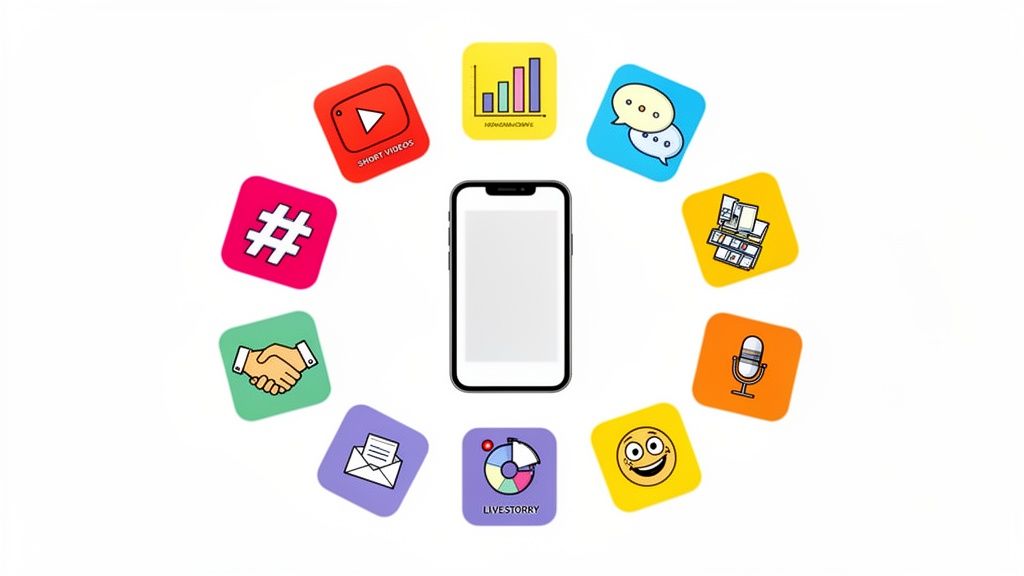
This comprehensive guide moves beyond generic advice to provide a strategic blueprint for the 12 most essential content types that drive engagement and conversions. We are bypassing the fluff to give you a direct, actionable playbook. For each format, you will find a detailed breakdown covering:
- Best Use-Cases: Understand the strategic goal each content type achieves, from building brand awareness to driving sales.
- Platform Fit: Discover which platforms (like Instagram, TikTok, LinkedIn, or Facebook) are best suited for each format.
- Actionable Tips: Get clear, practical production tips and templates you can implement immediately.
- Real Examples: See how successful brands are using these formats to inspire your own creative process.
This article is designed to be your go-to resource for diversifying your content strategy and ensuring your efforts are not just visible, but valuable. Whether you're a solo creator aiming to build a personal brand or a marketing team striving for measurable ROI, this is your roadmap to creating content that doesn't just get seen, it gets results. Let's explore the formats that will define your brand's success.
1. Carousel Posts (Multi-slide Content)
Carousel posts are a versatile social media type of content that packages multiple images or videos into a single, swipeable unit. This format transforms a standard post into an interactive experience, allowing brands to tell a sequential story, break down complex information, or showcase a product from multiple angles. By encouraging users to swipe, carousels increase dwell time, a key metric that many platform algorithms favor.
This format excels at maintaining audience engagement through a structured narrative. Instead of cramming information into one image or a long caption, each slide can focus on a single, digestible point. This controlled reveal keeps users curious and invested, compelling them to swipe through to the conclusion.

Best Use-Cases & Platform Fit
- Instagram: Ideal for visual storytelling, how-to guides, and before-and-after reveals. The visual-first interface makes carousels a native and highly effective format.
- LinkedIn: Excellent for sharing data, breaking down business concepts, and presenting customer case studies. Text-heavy carousels (often made from PDFs) perform very well here.
- Facebook: Effective for product catalogs, event highlights, and step-by-step tutorials that combine images and videos.
Quick Production Tips
- Hook with the First Slide: Your first image or video must be compelling enough to stop the scroll and encourage a swipe. Use a bold headline or a striking visual.
- Guide the Narrative: Use visual cues like arrows or phrases such as "Swipe for more" to prompt users to continue. Use the caption to add context to each slide.
- End with a CTA: The final slide is prime real estate. Use it to ask a question, direct users to a link in your bio, or encourage them to save or share the post.
- Maintain Brand Consistency: Ensure all slides follow a consistent design language with your brand's fonts, colors, and logo to create a cohesive and professional look.
2. Short-Form Video Content (Reels & TikToks)
Short-form video is a dominant social media type of content, characterized by brief, vertical videos designed for high engagement and viral potential. Platforms like TikTok, Instagram Reels, and YouTube Shorts have made this format the epicenter of digital culture, prioritizing entertainment, authenticity, and rapid-fire storytelling. Its algorithm-driven nature allows brands and creators to achieve massive reach far beyond their existing follower base.
This format thrives on capturing attention within the first three seconds. Successful short-form videos often leverage trending audio, creative editing, and relatable humor or educational value to stop the scroll. By presenting content in a highly digestible and often unpolished manner, brands can connect with audiences, particularly younger demographics, on a more human and authentic level.
Best Use-Cases & Platform Fit
- TikTok: The epicenter of trends. Perfect for brand personality content, user-generated content campaigns, and hopping on viral challenges.
- Instagram Reels: Ideal for showcasing products in action, sharing behind-the-scenes glimpses, and creating quick, educational tutorials that integrate with your broader Instagram strategy.
- YouTube Shorts: Excellent for repurposing longer video content into bite-sized clips, reaching a new audience, and driving traffic back to your main YouTube channel.
Quick Production Tips
- Hook Immediately: The first 3 seconds are crucial. Start with a bold statement, a surprising visual, or a question to grab attention instantly.
- Leverage Trends: Strategically use trending audio and formats, but adapt them to fit your brand's unique voice and message. Don't just copy; contribute.
- Optimize for Sound-Off Viewing: Use clear on-screen text overlays and captions to convey your message, as many users watch videos without sound.
- End with a Clear CTA: Tell viewers exactly what to do next: "Follow for more," "Comment your thoughts," or "Check the link in bio." When creating these dynamic clips, remember to check the specific Instagram video limits for Reels, Stories, and Live to ensure your content is optimized for the platform.
3. Long-Form Educational Content (Thought Leadership Posts)
Long-form educational content is a powerful social media type of content designed to establish expertise and build trust with an audience. Unlike quick-hit posts, this format dives deep into a topic with comprehensive articles, detailed guides, or in-depth analyses, positioning the author or brand as a credible authority. This approach moves beyond simple engagement to provide genuine, lasting value, which is essential for B2B brands and individual experts aiming to build a loyal following.
This format thrives on substance, offering original research, data-backed insights, and actionable advice that can't be found elsewhere. By investing the time to create and share this level of detail, you attract a more dedicated audience that is genuinely interested in your industry. This builds not just brand awareness but deep-seated credibility, making your brand the go-to resource for reliable information.
Best Use-Cases & Platform Fit
- LinkedIn: The premier platform for thought leadership. LinkedIn Articles are ideal for publishing industry analyses, professional development guides, and detailed case studies to a business-focused audience.
- Blogs (Shared on all platforms): A dedicated blog is the best home for your most in-depth content. Promote these posts across all social channels (X, Facebook, LinkedIn) to drive traffic and showcase your expertise.
- Facebook: Useful for sharing long-form content with community-oriented groups or pages, especially when breaking down complex topics for a broader consumer audience.
Quick Production Tips
- Anchor with Data: Back up your claims with original research, statistics, and verifiable data to add weight and credibility to your arguments.
- Structure for Readability: Use clear H2 and H3 headings, bullet points, and short paragraphs to break up long blocks of text and make the content easy to scan.
- Optimize for Discovery: Craft a compelling, keyword-rich headline that is optimized for both social sharing and search engine visibility.
- Promote Strategically: Don't just post it once. Break down the long-form piece into smaller, bite-sized posts (quotes, stats, key takeaways) to share across your channels for weeks, maximizing its reach. For a deeper understanding of this strategy, explore these insights on what thought leadership marketing entails.
4. Stories & Ephemeral Content
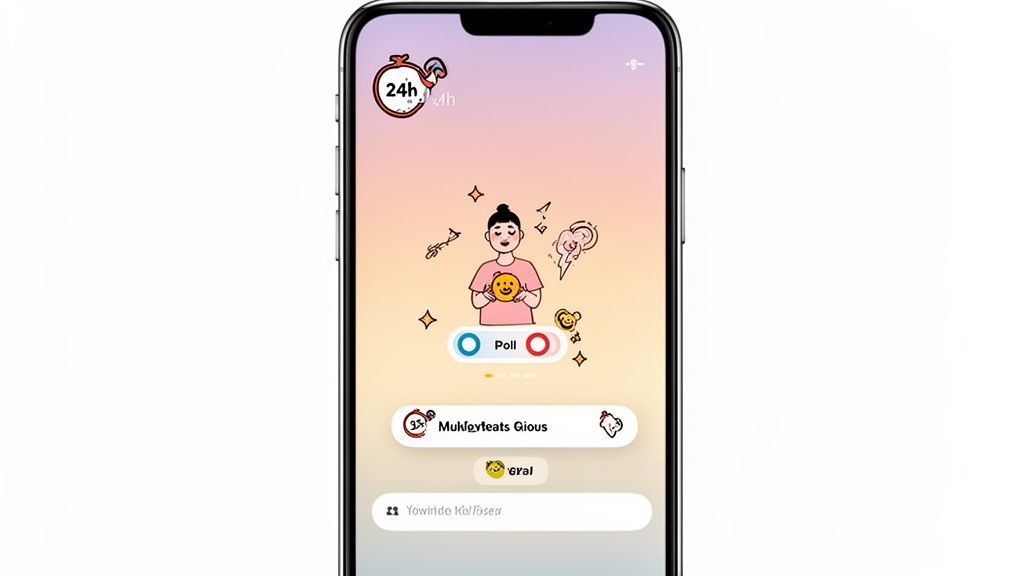
Stories are a short-lived social media type of content that disappears after a set period, typically 24 hours. This ephemeral format, popularized by Snapchat and adopted by platforms like Instagram and Facebook, thrives on authenticity and immediacy. It creates a sense of urgency (FOMO or "fear of missing out"), encouraging followers to tune in daily for unfiltered, behind-the-scenes glimpses, real-time updates, and interactive moments.
This format excels at building a more personal and dynamic connection with an audience. Because the content isn't permanent, there's less pressure for high-production polish, allowing brands and creators to be more spontaneous and relatable. It serves as a secondary, high-frequency channel to complement the more curated content on the main feed, keeping a brand top-of-mind.
Best Use-Cases & Platform Fit
- Instagram: The dominant platform for Stories. Perfect for interactive polls, Q&As, behind-the-scenes looks, influencer takeovers, and promoting new feed posts.
- Facebook: Ideal for reaching an older demographic with daily updates, event promotions, and limited-time offers that mirror Instagram's content strategy.
- LinkedIn: Suited for professional contexts, like sharing live event coverage, quick industry insights, or day-in-the-life content to humanize a corporate brand.
Quick Production Tips
- Leverage Interactive Features: Use stickers like polls, quizzes, question boxes, and sliders to actively engage viewers and gather direct feedback.
- Create Urgency: Announce flash sales, limited-time offers, or exclusive content that disappears, driving immediate action from your audience.
- Tell a Sequential Story: Post multiple slides in a narrative sequence to build a story arc that keeps viewers tapping through to the end.
- Show the Human Side: Go beyond promotional content by sharing team culture, behind-the-scenes footage, and user-generated content to build authenticity and trust.
5. User-Generated Content (UGC) & Customer Testimonials
User-Generated Content (UGC) is a powerful social media type of content created organically by customers, clients, or community members rather than the brand itself. This includes everything from photo submissions and unboxing videos to detailed product reviews and video testimonials, acting as authentic social proof that builds trust and boosts credibility far more effectively than branded messaging.
By highlighting real people's experiences, UGC transforms your audience from passive consumers into active brand advocates. This authentic validation resonates deeply with potential customers, as it provides unbiased, relatable proof of your product's value and impact in the real world. Many brands find inspiration by reviewing successful user-generated content examples from other industries.

Best Use-Cases & Platform Fit
- Instagram: Ideal for visual UGC like customer photos with your product. Use branded hashtags (e.g., #ShareYourStory) and feature submissions on Stories and your main feed.
- TikTok: Perfect for authentic, unpolished video reviews, how-to's, and creative user challenges that can quickly go viral.
- Facebook: Great for collecting and sharing longer-form written testimonials and reviews within community groups or on your brand page.
- LinkedIn: Best for professional video testimonials from B2B clients and detailed case studies highlighting customer success with your service or software.
Quick Production Tips
- Launch a Hashtag Campaign: Create a simple, memorable hashtag and encourage your audience to use it when they post about your brand for easy tracking.
- Always Get Permission: Before reposting any user's content, reach out directly and get their explicit consent. Give proper credit in the caption by tagging their account.
- Incentivize Submissions: Encourage participation by offering a chance to be featured, a small discount, or entry into a giveaway for those who share content.
- Repurpose Across Channels: Use standout UGC not just on your social feed but also on your website, in email newsletters, and even in retargeting ads to maximize its impact.
6. Live Video Streaming (Instagram Live, LinkedIn Live, YouTube Live)
Live video streaming is a powerful social media type of content that involves broadcasting unedited, real-time video directly to an audience. This format creates a sense of immediacy and authenticity, as followers can engage with the host through live comments, questions, and reactions. By breaking down the barrier between creator and consumer, live streams foster a strong sense of community and build powerful parasocial relationships.
This unscripted approach offers a raw, behind-the-scenes feel that polished, pre-recorded content cannot replicate. It’s perfect for generating excitement around launches, offering transparent Q&A sessions, or providing exclusive access to events. The direct interaction keeps viewers engaged for longer periods, signaling strong audience interest to platform algorithms.
Best Use-Cases & Platform Fit
- Instagram Live: Ideal for influencer Q&As, behind-the-scenes tours, product tutorials, and collaborative streams with other creators. The casual nature of the platform suits spontaneous and personal interactions.
- LinkedIn Live: Excellent for hosting expert interviews, panel discussions, corporate announcements, and industry-specific webinars. It’s a professional setting for thought leadership.
- YouTube Live: Best for longer-form content like workshops, product launch events, gaming streams, and live performances where high-quality production is often expected.
- Facebook Live: Versatile for community-building events, local news coverage, and interactive sessions within Facebook Groups, reaching a broad demographic.
Quick Production Tips
- Promote in Advance: Announce your live stream several days or even a week ahead of time to build anticipation. Use countdown stickers and posts to remind your audience.
- Test Your Setup: Go through a full technical check of your camera, microphone, and internet connection at least 30 minutes before going live to prevent disruptive issues.
- Engage Actively: Acknowledge viewers by name, answer their questions in real-time, and respond to their comments. This direct interaction is the core appeal of live video.
- Repurpose the Content: After the broadcast ends, save the video. Announce where the replay will be available and edit the best moments into short clips, Reels, or Shorts for future posts.
7. Interactive Content (Polls, Quizzes, Surveys)
Interactive content is a powerful social media type of content that gamifies the user experience by inviting direct participation. This format includes everything from simple polls and quizzes to more in-depth surveys, transforming passive scrolling into an active dialogue. By asking for an opinion or a click, you give your audience a low-barrier way to engage, significantly boosting interaction rates and providing valuable, direct feedback.
This format thrives because it taps into the human desire to share opinions and test knowledge. It creates a two-way conversation that makes followers feel seen and heard, strengthening community bonds. The data gathered from these interactions is marketing gold, offering direct insights into audience preferences, pain points, and desires, which can inform future content strategy and product development.
Best Use-Cases & Platform Fit
- Instagram Stories: Perfect for quick "This or That" polls, Q&A sessions using the question sticker, and fun personality quizzes that drive shares.
- LinkedIn: Excellent for professional polls to gauge industry sentiment, gather feedback on business concepts, or start a debate on a trending topic.
- Twitter/X: The native polling feature is ideal for settling debates, asking for quick opinions on current events, and crowd-sourcing ideas.
- Facebook: Works well in Groups to survey community members or on Pages to ask for product feedback and gauge interest in upcoming events.
Quick Production Tips
- Keep it Simple and Relevant: For polls, limit options to 2-3 choices to maximize participation. Ensure the questions align with your audience's interests and your brand's niche.
- Create Anticipation: Build excitement by announcing, "Results coming tomorrow!" This encourages followers to check back, increasing your brand's touchpoints.
- Share the Results: Always follow up by sharing the poll or quiz results. Add your own insights or analysis to close the loop and spark further discussion in the comments.
- Inform Future Content: Use the data you collect to make strategic decisions. If a poll shows high interest in a specific topic, create a more in-depth piece of content about it.
8. Infographics & Data Visualization
Infographics are a powerful social media type of content that translates complex data, statistics, and information into a visually compelling and easily shareable format. This approach combines design elements, text, and charts to tell a story that would otherwise be lost in dense paragraphs. By simplifying information, infographics make data accessible and memorable, positioning the creator as an authority on the topic.
This format excels at capturing attention in a crowded feed and driving shares. People are naturally drawn to visual content, and a well-designed infographic can convey key insights in seconds. Their high shareability means they can travel far beyond your initial audience, extending brand reach and driving referral traffic from platforms like Pinterest and LinkedIn.
Best Use-Cases & Platform Fit
- LinkedIn: Perfect for sharing industry trends, survey results, and business process flowcharts. The professional audience values data-backed insights presented clearly.
- Pinterest: A primary platform for infographics due to its vertical format and focus on discoverability. Topics like marketing, health, and finance perform exceptionally well.
- Instagram Stories & Reels: Snippets or animated versions of infographics can be shared as individual slides or short videos to make data engaging.
- X (formerly Twitter): A condensed infographic can stand out in the fast-moving feed, summarizing key statistics from a report or study.
Quick Production Tips
- Start with a Strong Data Story: Base your infographic on compelling data, a surprising statistic, or a clear narrative. The visual design should support the information, not overshadow it.
- Focus on Brevity: Limit the content to 3-5 key data points to maintain clarity and prevent overwhelming your audience. Use icons and illustrations to replace text where possible.
- Optimize for Vertical Viewing: Design with mobile users in mind. A tall, vertical layout is easier to read on phones and performs best on platforms like Pinterest and Instagram Stories.
- Cite Your Sources: Include source citations at the bottom to build credibility and trust. This small detail validates your information and reinforces your authority.
9. Influencer Collaborations & Sponsored Content
Influencer collaborations are a powerful social media type of content where brands partner with creators to leverage their audience and credibility. This format includes everything from a single sponsored post to a long-term brand ambassadorship, harnessing the trust an influencer has built with their followers to drive brand awareness, engagement, and sales. By integrating a product or service into an influencer's native content, brands can achieve authentic endorsements that resonate far more effectively than traditional ads.
This approach capitalizes on the creator's unique voice and established community connection. Instead of the brand speaking about itself, a trusted third-party vouches for its value, which can significantly enhance perception and overcome audience skepticism. The content feels less like an advertisement and more like a genuine recommendation from a respected source.
Best Use-Cases & Platform Fit
- Instagram & TikTok: Ideal for lifestyle, beauty, fashion, and fitness brands. The visual and personality-driven nature of these platforms makes them perfect for sponsored posts, Stories, Reels, and affiliate marketing.
- YouTube: Excellent for in-depth product reviews, tutorials, and "day-in-the-life" vlogs where a product is featured naturally. Tech and gaming brands thrive here.
- LinkedIn: Best for B2B partnerships with industry thought leaders to co-create articles, host webinars, or promote professional services, enhancing corporate credibility.
Quick Production Tips
- Prioritize Alignment Over Reach: Partner with influencers whose values and audience demographics genuinely align with your brand. High engagement rates are often more valuable than a massive follower count.
- Grant Creative Freedom: Provide clear guidelines and goals, but allow the influencer creative control to ensure the content feels authentic to their style and audience.
- Establish Clear Deliverables: Define expectations for the number of posts, content formats, usage rights, and timelines in a formal agreement. Use unique promo codes or affiliate links to track ROI.
- Ensure Full Disclosure: Comply with advertising standards by requiring influencers to clearly disclose the partnership using hashtags like #ad or #sponsored to maintain transparency and trust. To dive deeper, you can learn how to create an influencer marketing strategy that aligns with these principles.
10. Behind-the-Scenes & Company Culture Content
Behind-the-scenes (BTS) content is a powerful social media type of content that pulls back the curtain on your business, revealing the people, processes, and values that drive it. This authentic, often unpolished, format humanizes your brand, transforming it from a faceless entity into a relatable group of individuals. By showcasing your team, workspace, and day-to-day operations, you build trust and foster a deeper emotional connection with your audience.
This approach excels at building community and brand loyalty. Instead of solely promoting products, it tells the story of your brand's mission and the people who make it happen. Content like employee spotlights, office celebrations, or a glimpse into the creation process makes your audience feel like insiders, strengthening their affinity and encouraging organic advocacy.
Best Use-Cases & Platform Fit
- Instagram (Stories & Reels): Perfect for informal, in-the-moment clips of office life, team outings, or quick "day in the life" videos. The ephemeral nature of Stories encourages authenticity.
- LinkedIn: Ideal for showcasing professional development, company milestones, employee spotlights, and thought leadership from team members. It reinforces your employer brand.
- TikTok: Excellent for lighthearted, trend-based videos featuring employees, office humor, and satisfying process clips that have viral potential.
Quick Production Tips
- Spotlight Your Team: Regularly feature employees through interviews, Q&As, or "takeovers." This celebrates your team and puts a human face to your brand.
- Show the Process, Not Just the Product: Document how your product is made or how your service is delivered. This adds value and transparency that customers appreciate.
- Embrace Imperfection: Overly polished BTS content can feel staged and inauthentic. Use a smartphone to capture genuine moments; the raw quality is part of the appeal.
- Highlight Your Values in Action: Don't just state your company values; show them. Feature volunteer days, team collaborations, or sustainability initiatives to prove your commitment.
11. Webinars & Educational Workshops
Webinars and educational workshops are a powerful social media type of content that deliver in-depth knowledge to an audience in a live or pre-recorded format. Typically lasting 45-90 minutes, these sessions are designed to teach valuable skills or provide expert insights on a specific topic. They function as a high-value content offer, often promoted across social media to capture leads through a registration process.
This format excels at building authority and generating qualified leads. By offering deep-dive educational content for free, brands like HubSpot and Salesforce position themselves as industry leaders and establish trust. The registration requirement transforms passive followers into engaged contacts, making webinars a cornerstone of many B2B marketing and sales funnels.
Best Use-Cases & Platform Fit
- LinkedIn: The premier platform for promoting B2B webinars. Use LinkedIn Events and targeted ads to reach a professional audience interested in skill development and industry trends.
- Facebook: Ideal for community-focused workshops. Use Facebook Events and Groups to promote sessions aimed at a broader consumer or small business audience.
- Email Marketing: While not a social platform, email is crucial for promoting the webinar to your existing audience and sending reminders to registrants.
Quick Production Tips
- Solve a Specific Pain Point: Choose a topic that directly addresses a common challenge or question your target audience faces. This ensures high perceived value and drives registrations.
- Promote Extensively: Begin promotion 2-3 weeks in advance across all channels. Use short video clips, speaker highlights, and testimonials to build anticipation.
- Incorporate Interaction: Use live polls, Q&A sessions, and chat features to keep the audience engaged. This breaks up the presentation and makes the experience more dynamic.
- Repurpose Everything: Record the session and repurpose it into smaller content pieces. Create short video clips for TikTok and Reels, quote graphics for Instagram, and a summary blog post.
12. Memes & Humor Content
Memes and humor are a powerful social media type of content designed to build relatability and drive shares through entertainment. This approach leverages current internet trends, cultural moments, and often self-deprecating wit to create a strong emotional connection with audiences. When executed well, humor humanizes a brand, making it more memorable and approachable than its competitors.
The core value of this format lies in its viral potential. A successful meme taps into a shared cultural understanding, prompting users to tag friends and share it across their networks. This organic reach can significantly outperform standard promotional content, as seen with brands like Wendy's and Duolingo, who have built entire brand personalities around witty and timely humor.
Best Use-Cases & Platform Fit
- X (formerly Twitter): Perfect for real-time, text-based humor, sarcastic commentary, and engaging in witty banter with other brands and users.
- TikTok & Instagram Reels: Ideal for video-based memes, leveraging trending audio, and creating absurd or relatable skits that align with platform culture.
- Facebook: Effective for sharing image-based memes that appeal to a broad demographic, often focusing on universally relatable life moments.
Quick Production Tips
- Know Your Audience's Humor: Deeply understand what your community finds funny. Misaligned humor can alienate your audience and damage your brand's reputation.
- Act Quickly on Trends: Meme culture moves fast. Monitor emerging formats and cultural moments, but ensure they are relevant to your brand before jumping in.
- Add a Brand-Specific Twist: Don't just copy a popular meme. Adapt the format to reflect your brand's unique voice, products, or industry pain points.
- Prioritize Relatability Over Selling: The goal is connection, not conversion. A good meme feels authentic and entertaining, not like a forced advertisement. To streamline the creation of engaging humor, consider utilizing an AI meme generator.
12 Social Media Content Types Comparison
| Content Type | Implementation Complexity 🔄 | Resource Requirements ⚡ | Expected Outcomes 📊 | Ideal Use Cases 💡 | Key Advantages ⭐ |
|---|---|---|---|---|---|
| Carousel Posts (Multi-slide Content) | Medium 🔄 — design & sequencing for 3–7 slides | Medium ⚡ — images, copy, design time | 📊 Higher engagement & time-on-post; ⭐⭐⭐⭐ | Product showcases, tutorials, step-by-step stories | ⭐ Multi-message in one post; algorithm-friendly; cost-effective |
| Short-Form Video Content (Reels & TikToks) | Medium 🔄 — editing + trend alignment | Low–Medium ⚡ — smartphone, editor, audio | 📊 Very high reach & virality; organic growth; ⭐⭐⭐⭐⭐ | Brand awareness, quick demos, trend-based outreach | ⭐ Max organic reach; highly shareable; fast production |
| Long-Form Educational Content (Thought Leadership) | High 🔄 — research, writing, editing | High ⚡ — expert time, research, SEO | 📊 Authority, leads, SEO value; long-term traffic; ⭐⭐⭐⭐ | B2B thought leadership, in-depth guides, lead gen | ⭐ Establishes credibility; attracts high-quality leads; evergreen |
| Stories & Ephemeral Content | Low–Medium 🔄 — frequent quick posts | Low ⚡ — mobile shots, brief edits | 📊 Immediate visibility & short-term engagement; ⭐⭐⭐ | Behind-the-scenes, flash offers, daily updates | ⭐ Urgency & authenticity; interactive features boost engagement |
| User-Generated Content (UGC) & Testimonials | Low–Medium 🔄 — collection, moderation, permissions | Low ⚡ — community management, incentives | 📊 High trust and conversion lift; social proof; ⭐⭐⭐⭐ | Product pages, retargeting, social proof campaigns | ⭐ Highest trust factor; cost-effective; boosts conversions |
| Live Video Streaming | Medium–High 🔄 — tech setup, moderation, promotion | Medium ⚡ — stable internet, host, promotion | 📊 Real-time engagement & stronger community ties; ⭐⭐⭐ | Q&A, product launches, interviews, event coverage | ⭐ Authentic interaction; live-prioritized algorithms; replayable |
| Interactive Content (Polls, Quizzes, Surveys) | Low 🔄 — quick native setups | Low ⚡ — minimal design, platform tools | 📊 Higher engagement + audience insights; ⭐⭐⭐⭐ | Feedback, product research, content direction | ⭐ Direct feedback and data; gamified engagement |
| Infographics & Data Visualization | Medium–High 🔄 — data synthesis + design | Medium–High ⚡ — designer, data sources | 📊 High shareability, clarity, backlinks; long shelf-life; ⭐⭐⭐⭐ | Thought leadership, reports, complex explainers | ⭐ Simplifies complexity; drives shares and backlinks |
| Influencer Collaborations & Sponsored Content | Medium 🔄 — vetting, contracts, coordination | Medium–High ⚡ — budget, management | 📊 Expanded reach & credibility; measurable ROI (varies); ⭐⭐⭐⭐ | Product launches, niche targeting, awareness campaigns | ⭐ Access to trusted audiences; scalable ROI with micro-influencers |
| Behind-the-Scenes & Company Culture Content | Low 🔄 — informal capture & scheduling | Low ⚡ — employee participation, basic recording | 📊 Improves brand favorability & recruitment; ⭐⭐⭐ | Employer branding, recruitment, authenticity campaigns | ⭐ Humanizes brand; boosts employee advocacy and trust |
| Webinars & Educational Workshops | High 🔄 — planning, speakers, tech, follow-up | High ⚡ — platform, presenters, promotion | 📊 Captures high-intent leads; deep engagement; conversion lift; ⭐⭐⭐⭐ | Lead generation, product training, certification | ⭐ Strong lead capture and authority building; repurposeable |
| Memes & Humor Content | Low–Medium 🔄 — cultural timing & sensitivity | Low ⚡ — rapid creative, agility | 📊 High shareability & viral potential; variable brand fit; ⭐⭐⭐ | Community building, viral reach, youth-focused campaigns | ⭐ High virality at low cost; builds relatability when on-brand |
From Plan to Action: Implementing Your Content Strategy
Navigating the expansive universe of social media content can feel like learning a new language. We have explored a dozen distinct formats, from the engaging, multi-slide narrative of Carousel Posts to the raw, immediate connection of Live Video Streaming. We've seen how Short-Form Video can capture fleeting attention on TikTok and Reels, while Long-Form Educational Content builds deep authority on platforms like LinkedIn. Each social media type of content serves a unique purpose, acting as a specialized tool in your digital marketing toolkit.
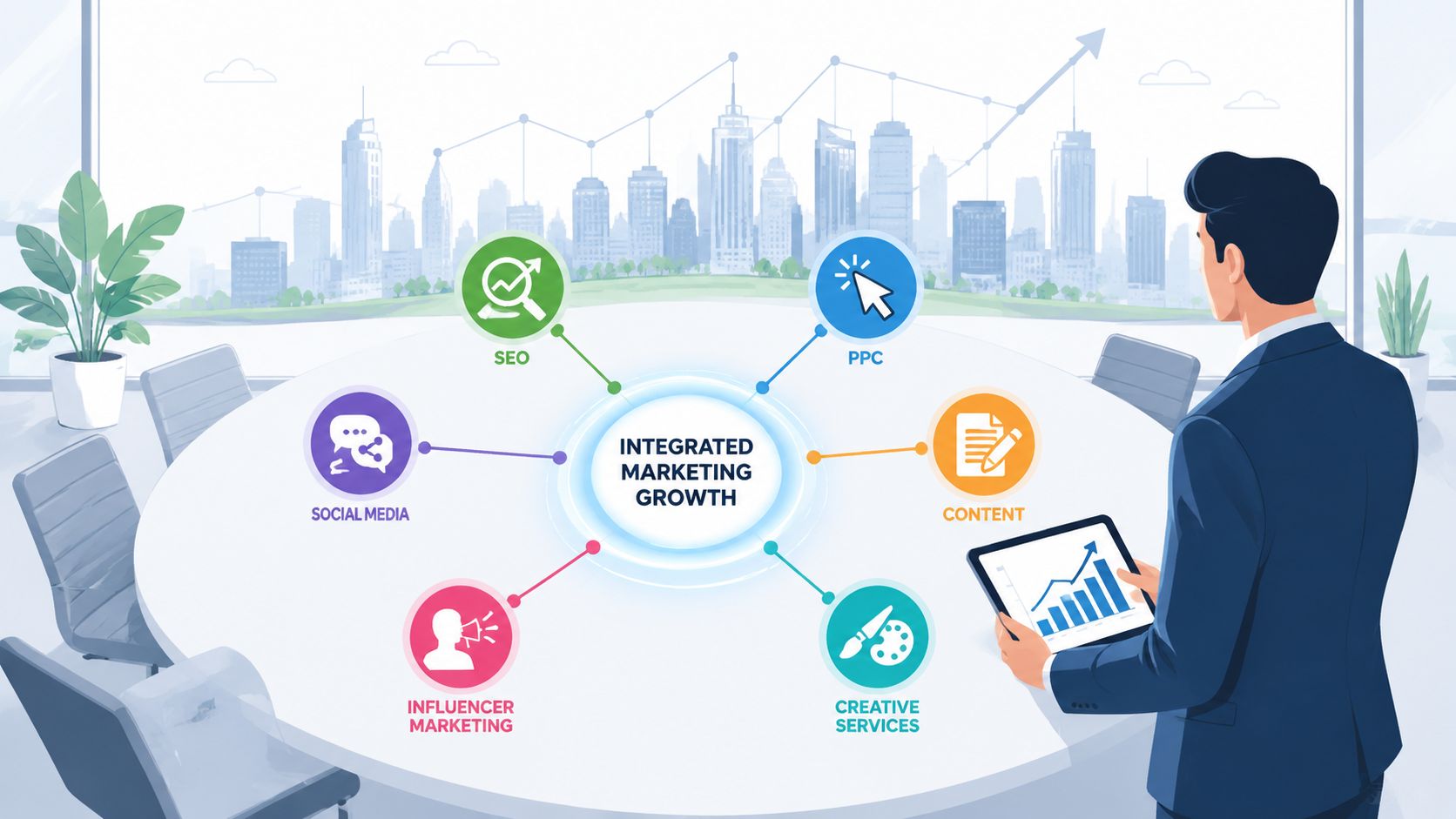
The true takeaway, however, isn't just knowing what an infographic is or how to run a poll. The strategic power lies in understanding how these different content types intersect and support one another to create a cohesive, high-performing content ecosystem. Your goal is not to master one format but to become a skilled conductor, orchestrating various content pieces to guide your audience seamlessly through their journey with your brand. Think of it as a relay race: a viral Reel might grab the baton first, passing it to an educational carousel that deepens understanding, which then hands off to a piece of user-generated content that builds trust, and finally to a webinar that drives conversion.
Bridging Knowledge and Execution
Mastering this diverse content landscape is what separates fleeting social media success from sustainable, long-term growth. It’s the difference between posting content and building a community, between getting likes and generating leads. The value comes from moving beyond random acts of content and into a structured, goal-oriented approach where every post has a purpose.
Key Insight: A successful content strategy isn't about using every content type. It's about selecting the right content types for your specific goals, audience, and platforms, and then making them work in harmony.
To translate this comprehensive guide into tangible results, here are your actionable next steps:
- Conduct a Content Audit: Review your last 30-60 days of posts. Which formats did you use? Which performed best for engagement, reach, and conversions? Identify gaps where a new social media type of content, like interactive polls or behind-the-scenes stories, could have been more effective.
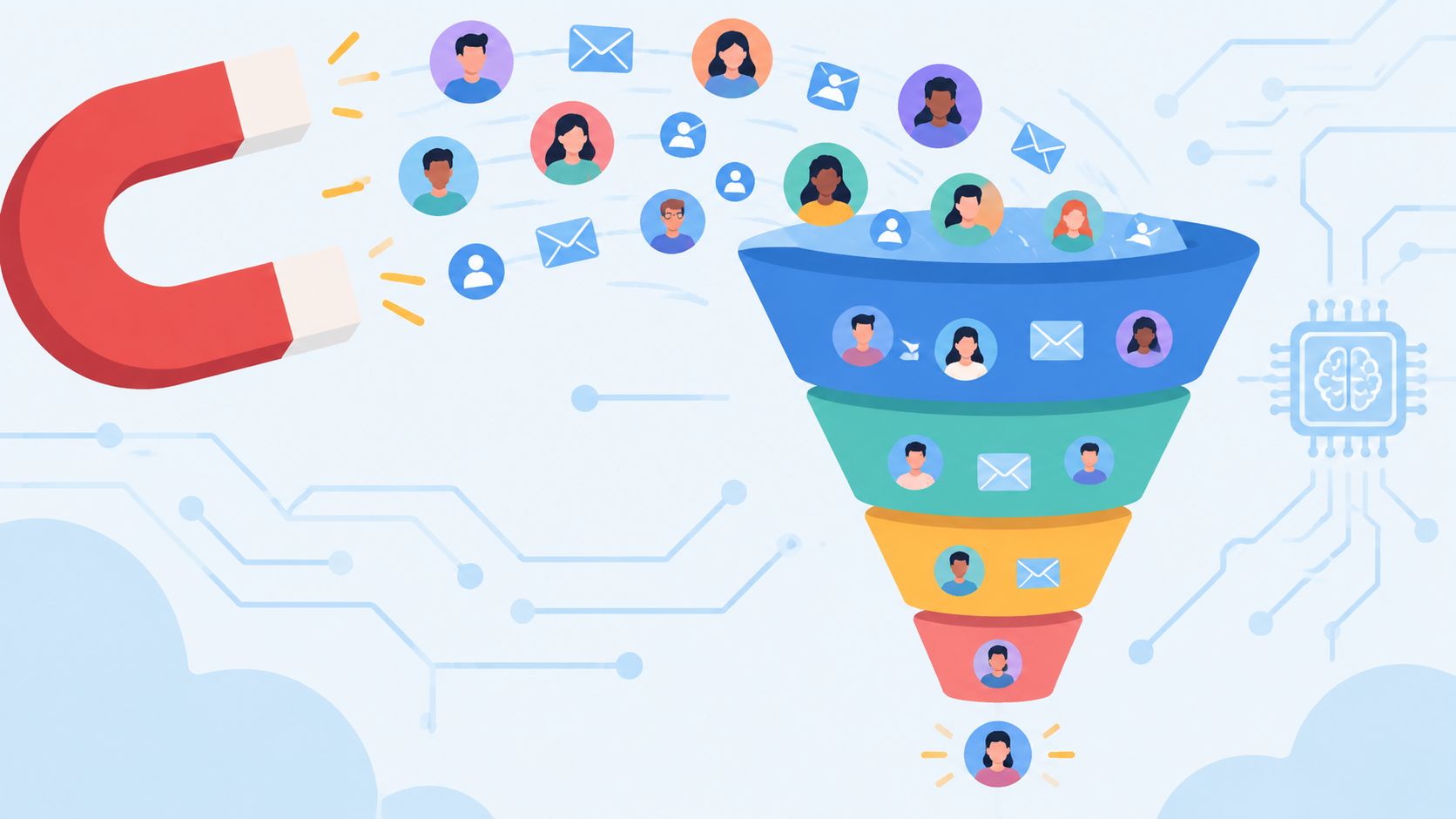
- Map Content to Your Funnel: Take a piece of paper and draw your customer journey, from awareness to advocacy. Now, assign at least two content types from our list to each stage. For example:
- Awareness: Short-form videos, memes, infographics.
- Consideration: Carousels, webinars, customer testimonials (UGC).
- Conversion: Live Q&A streams, case studies, long-form educational posts.
- Loyalty & Advocacy: Behind-the-scenes content, community polls, celebrating UGC.
- Start Small with One New Format: Don't try to implement everything at once. Choose one new content type that aligns with an immediate business goal. If your goal is to build more trust, focus on sourcing and promoting User-Generated Content. If it's to generate qualified leads, plan and execute a Webinar. Master its production and promotion before adding another new format to your mix.
- Establish a Feedback Loop: Your audience and your analytics are your best guides. After publishing a new content type, pay close attention to the data. Did the video’s watch time exceed your average? Did the poll receive more interactions than a standard image post? Use this data not just to judge success, but to refine your next attempt.
The digital landscape is in constant motion, but the principles of effective communication remain. By arming yourself with a versatile knowledge of each social media type of content, you are no longer just a participant in the digital conversation; you are an architect of it. You now have the blueprint to build a powerful content engine that not only captures attention but also drives meaningful business outcomes.
Feeling overwhelmed by the possibilities? Building a sophisticated, multi-format content strategy that delivers measurable results requires expertise and resources. ReachLabs.ai specializes in transforming these concepts into a powerful growth engine for your brand, handling everything from strategic planning to creative execution.
Schedule a free strategy call with ReachLabs.ai today to discover how our team can build a custom content ecosystem designed to hit your most ambitious goals.