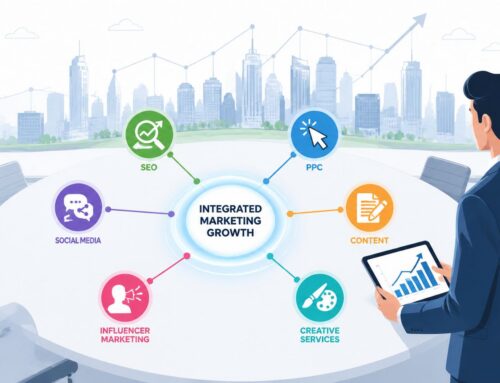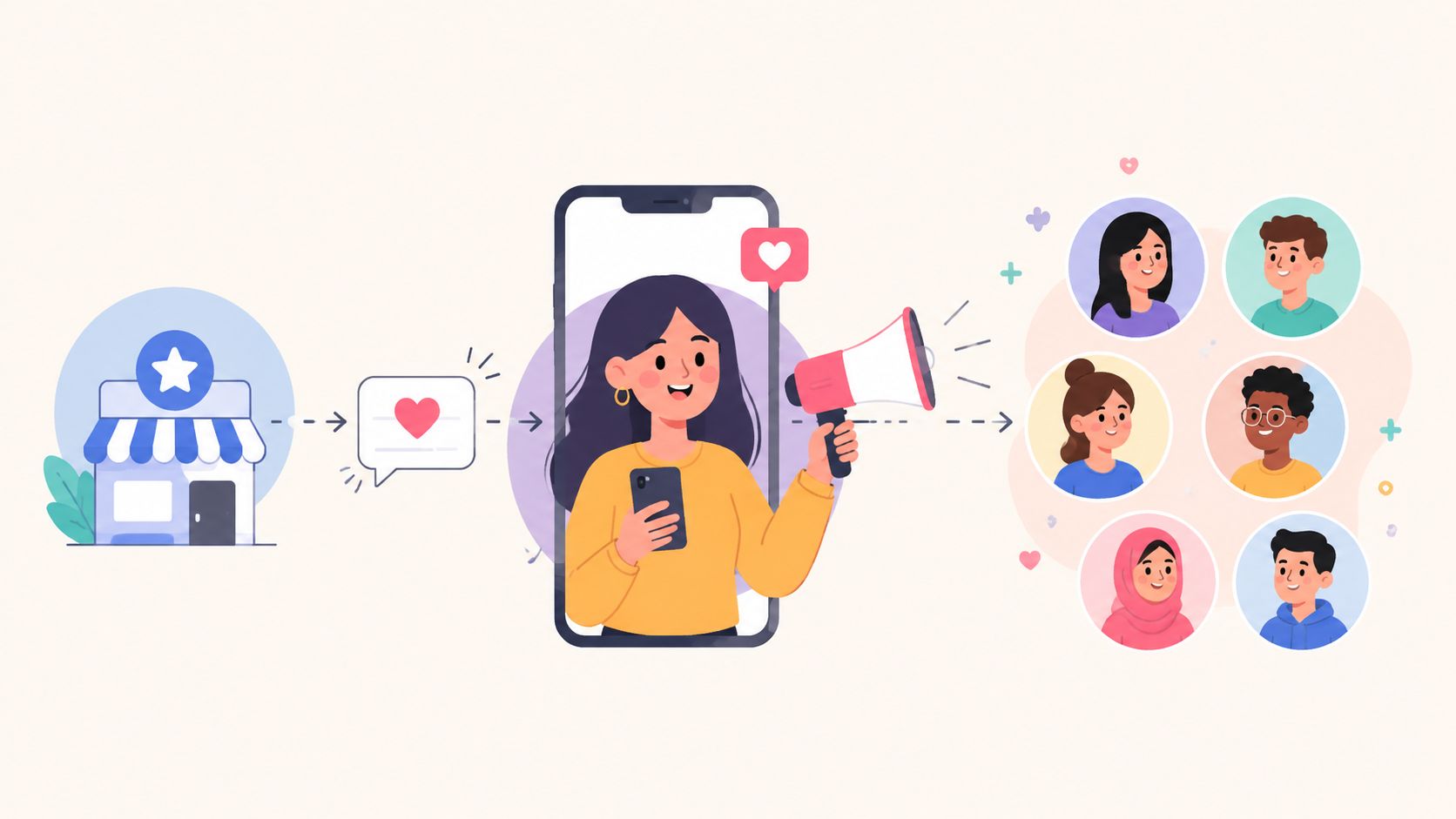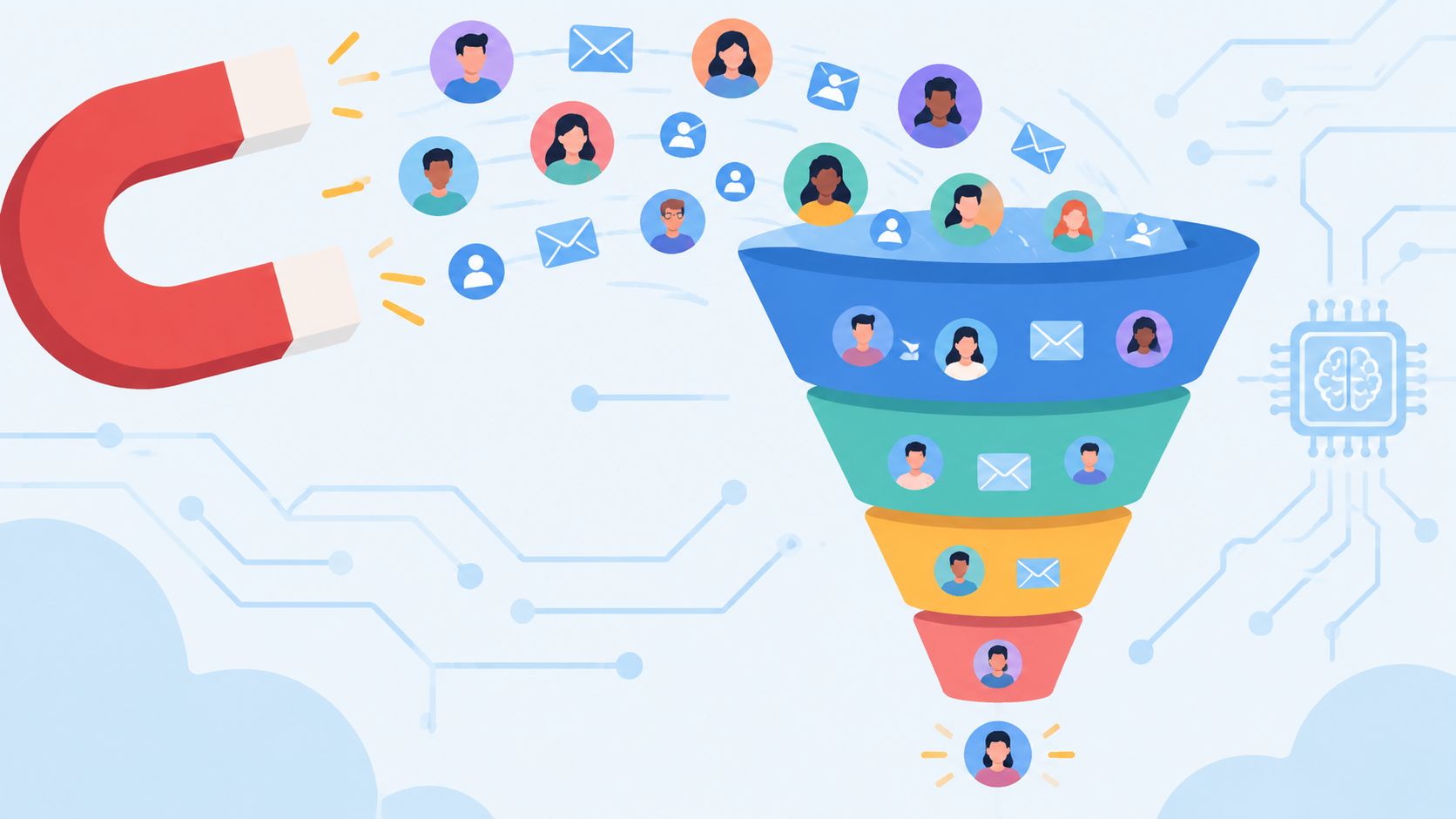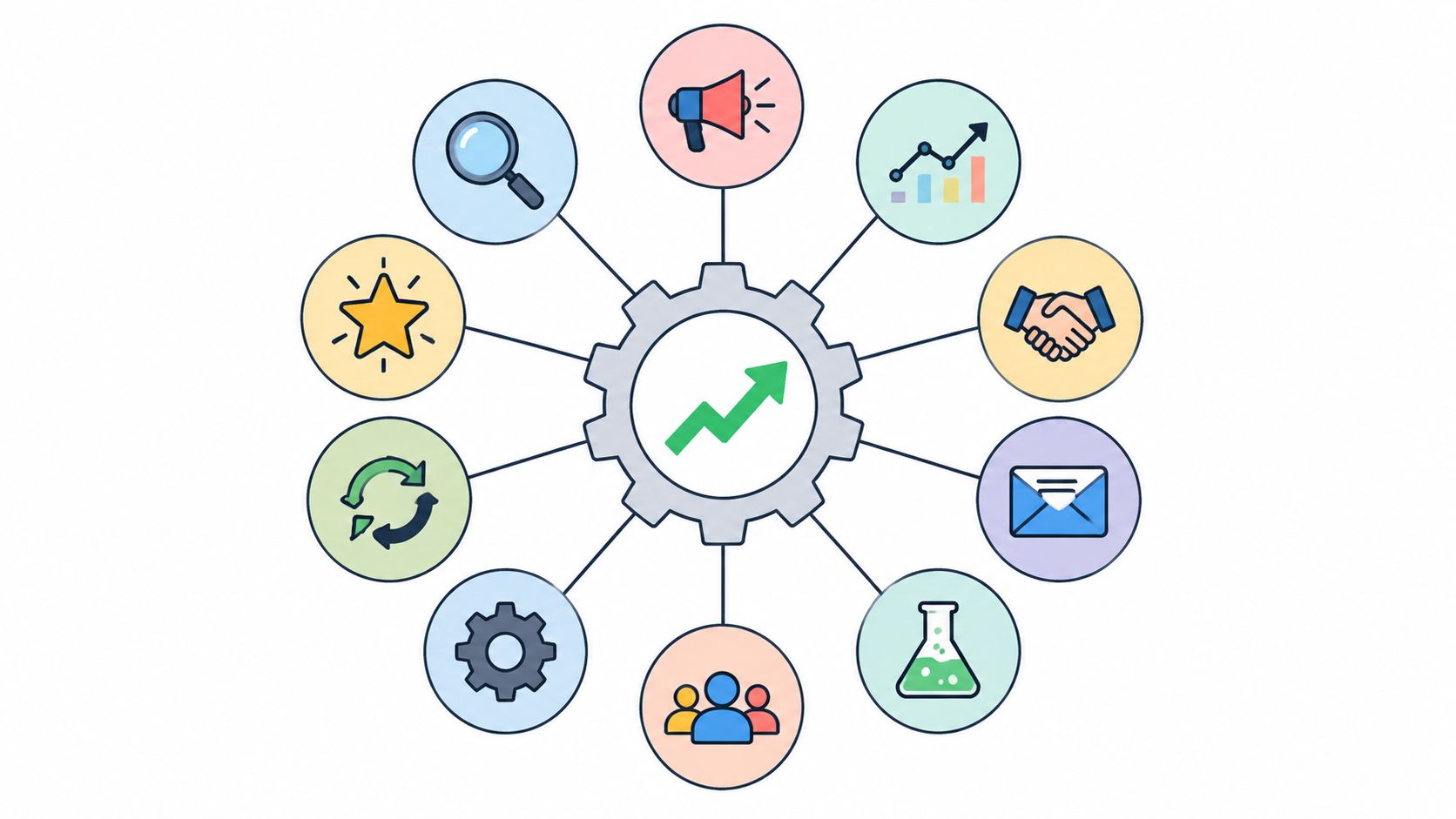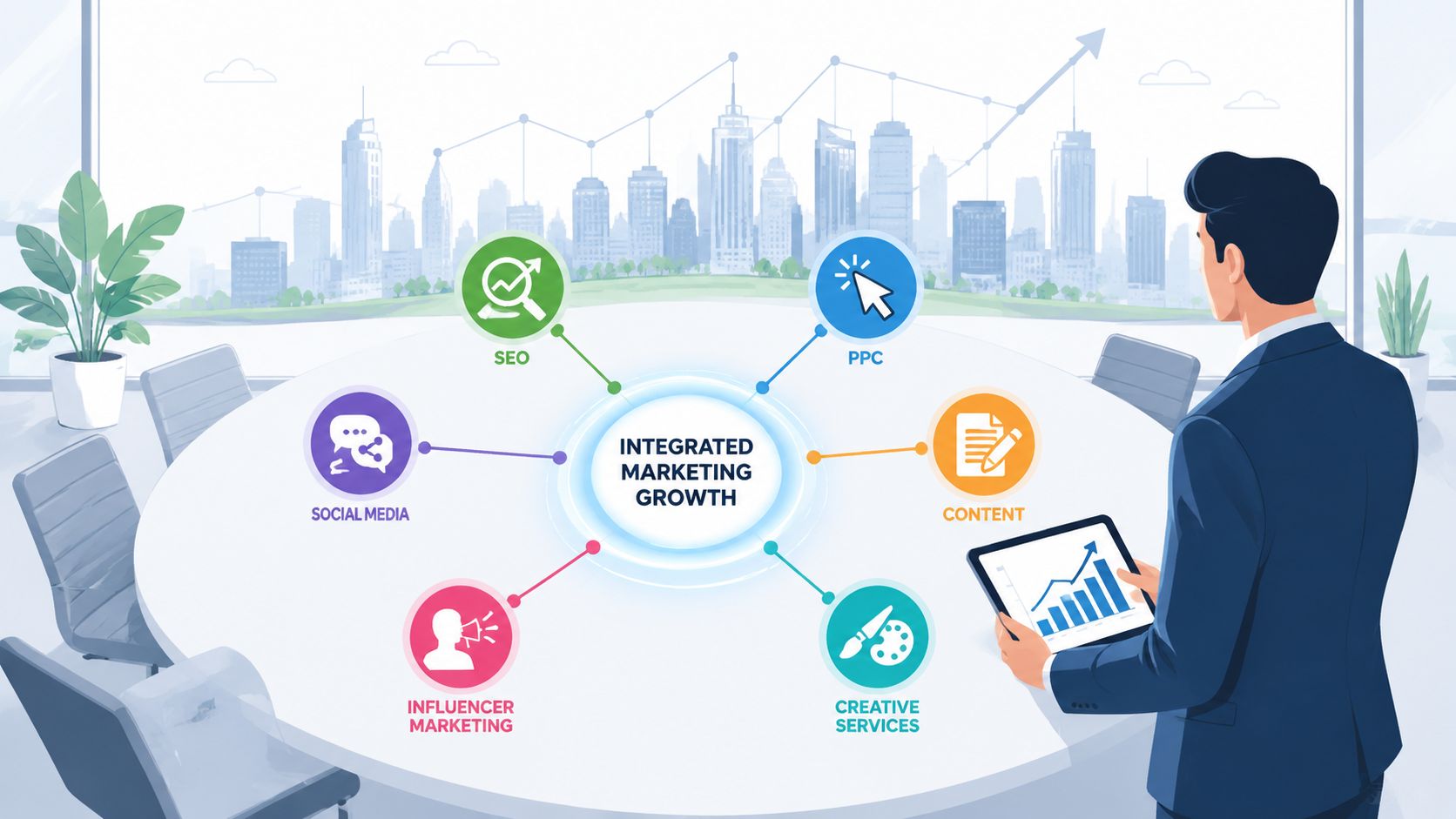

Integrated marketing isn't just about being everywhere; it's about being consistent, coherent, and compelling across every touchpoint. A truly integrated campaign weaves a single, powerful narrative through diverse channels. It connects everything from a viral social media video to an in-store display, creating a seamless brand experience that captivates audiences and drives measurable results.
But how do the world's top brands orchestrate such complex, multi-layered initiatives? This article moves beyond surface-level praise to dissect the strategic architecture of ten legendary integrated marketing campaign examples. We will deconstruct the specific objectives, channel mixes, and creative executions that made them successful. This blueprint requires a deep understanding of how to make each component work, particularly through mastering marketing channel effectiveness across all touchpoints.
Forget generic success stories. Instead, you will find a detailed breakdown of the tactical decisions behind campaigns from brands like Nike, Coca-Cola, and Apple. Our analysis focuses on providing actionable takeaways and replicable strategies you can adapt for your own marketing efforts. Get ready to see how a symphony of coordinated efforts across digital, social, and traditional media turns a good idea into an unforgettable brand movement. We will explore the precise methods that transformed these campaigns into benchmarks for omnichannel excellence.
1. Coca-Cola's 'Share a Coke' Campaign
The 'Share a Coke' campaign is one of the most iconic integrated marketing campaign examples, masterfully blending mass production with personalization. Launched initially in Australia in 2011, the core idea was simple yet revolutionary: replace the iconic Coca-Cola logo on bottles with popular first names, encouraging consumers to find their name or the names of friends and family. This transformed a disposable product into a personal keepsake and a social token.

The campaign’s genius lay in its seamless integration across multiple channels. It wasn't just about the packaging; it was a holistic experience. Point-of-sale displays in retail stores created a "treasure hunt" atmosphere. Traditional media, including TV commercials and billboards, showcased the concept, while digital kiosks allowed consumers to create custom bottles. The true catalyst was social media, where the hashtag #ShareACoke became a global phenomenon, fueled by user-generated content of people sharing their personalized bottles.
Strategic Breakdown
The campaign's success hinged on its ability to tap into the fundamental human desires for identity, connection, and sharing. By putting a person's name on a bottle, Coca-Cola made its global brand feel deeply personal. This strategy not only boosted sales but also revitalized brand affinity among a younger demographic that craved authentic, shareable experiences. The Australian launch alone generated over 250 million impressions, and its US rollout led to a 2% sales increase, a significant lift for a mature brand. This is a powerful example of how creative brand awareness strategies can directly impact the bottom line. You can learn more about developing similar brand-building tactics here.
Actionable Takeaways
- Integrate Physical and Digital: The physical product (the bottle) was the trigger for digital engagement (social sharing). Marketers should find ways to create tangible items that encourage online interaction.
- Empower User-Generated Content: Design campaigns with a clear call-to-action that makes sharing easy and fun. The #ShareACoke hashtag was simple, memorable, and provided a central hub for all user content.
- Personalization at Scale: Leverage technology to offer personalized experiences. While complex, the payoff in customer loyalty and engagement is substantial. Ensure your backend systems can handle the demand for customization.
2. Old Spice's 'The Man Your Man Could Smell Like' Campaign
Old Spice's 2010 "The Man Your Man Could Smell Like" campaign is a legendary example of how to revitalize a legacy brand for a new generation. The campaign, featuring actor Isaiah Mustafa in a series of surreal and humorous scenarios, brilliantly combined traditional media with groundbreaking real-time digital engagement. It started with a high-production TV commercial and exploded into an interactive social media phenomenon.
The campaign's integration was its masterstroke. The initial TV spot, which aired during the Super Bowl, drove massive online buzz. Wieden+Kennedy, the agency behind the campaign, then leveraged this momentum by creating a series of over 180 personalized video responses on YouTube. The "Old Spice Guy" directly answered questions and comments from social media users, including celebrities and regular fans on Twitter and Facebook, all in near real-time. This created an unprecedented level of direct brand-consumer interaction that was both entertaining and deeply engaging.
Strategic Breakdown
The campaign's strategy was to shift the brand conversation from being about men to being for the women who often purchase grooming products for them. The slogan, "The Man Your Man Could Smell Like," directly addressed this target audience. The real-time video responses transformed a one-way broadcast message into a two-way conversation, making Old Spice a dominant cultural topic. The results were staggering: the campaign generated over a billion YouTube views, and body wash sales skyrocketed by over 100% in the months following its launch, cementing it as one of the most effective integrated marketing campaign examples in history.
Actionable Takeaways
- Bridge Traditional and Digital Media: Use high-impact traditional media like TV to create initial awareness and drive traffic to interactive digital channels where deeper engagement can occur.
- Invest in Real-Time Interaction: If a campaign invites public conversation, be prepared to engage in real-time. This requires a dedicated and well-briefed social media team ready to act quickly and stay on-brand.
- Create Entertainment, Not Just Ads: The Old Spice videos were genuinely entertaining content that people wanted to watch and share, regardless of the product. Focus on creating value for the audience beyond a simple sales pitch.
3. Nike's 'Just Do It' Long-Form Integrated Campaign
Nike's 'Just Do It' is the quintessential example of a long-form integrated marketing campaign, evolving from a simple 1988 tagline into a global brand philosophy. Rather than focusing on single, short-term promotions, Nike has built a decades-long narrative that champions determination, resilience, and athletic achievement. This ethos is consistently woven through every marketing channel, creating a powerful and unified brand identity.
The campaign’s longevity and success lie in its ability to adapt while staying true to its core message. It integrates high-profile athlete partnerships, such as those with LeBron James and Colin Kaepernick, across television commercials, massive billboards, and digital content. These individual activations are then amplified through social media movements, immersive retail experiences, and event sponsorships like the Olympics. Each piece, from a 30-second TV spot to a tweet, reinforces the central 'Just Do It' mantra, making it one of the most cohesive integrated marketing campaign examples in history.
Strategic Breakdown
Nike’s strategy is built on selling an ideal, not just a product. The 'Just Do It' campaign attaches the brand to powerful human stories of overcoming adversity. The 2018 Colin Kaepernick "Dream Crazy" ad is a prime example. By taking a bold, controversial stance, Nike reinvigorated its connection with a younger, socially-conscious demographic, resulting in a reported 31% sales increase and a $6 billion brand value boost despite initial backlash. This proves that a long-term integrated strategy can build enough brand equity to turn potential crises into massive wins.
Actionable Takeaways
- Build a Brand Philosophy: Don't just create a campaign, create a creed. Establish a core message that can be consistently applied and adapted across all channels and over many years.
- Use Major Events as Tentpoles: Leverage global moments like the Olympics or World Cup to launch major integrated activations. This provides a natural platform to amplify your message on a massive scale.
- Align with Authentic Voices: Partner with athletes and influencers who genuinely embody your brand's values. The authenticity of figures like Kaepernick and LeBron James makes the brand message more credible and impactful.
4. Absolut Vodka's Multi-Channel Artist Collaboration Campaign
Absolut Vodka transformed its bottle from a mere container into a cultural canvas, pioneering an integrated marketing strategy centered on artist collaborations. Beginning with Andy Warhol in 1985, Absolut positioned itself not just as a spirit, but as a patron of contemporary art. This approach fused product design, high culture, and mass media into a cohesive and aspirational brand identity.
The campaign’s brilliance lies in its multi-channel execution, where each element reinforces the others. The artist-designed, limited-edition bottles became collectible items, driving retail traffic. These designs were then amplified through iconic print ads in high-fashion and culture magazines. The campaign extended into the physical world with gallery exhibitions and experiential events in major cities, creating exclusive touchpoints for consumers. Digital channels and social media were used to share the creative process, behind-the-scenes content, and artist interviews, deepening the narrative and engaging a global audience.
Strategic Breakdown
Absolut's strategy was to elevate its brand by associating it with the creativity, prestige, and cultural relevance of the art world. By commissioning renowned artists like Keith Haring and Damien Hirst, the brand borrowed their cultural capital, making the vodka bottle a symbol of sophistication and artistic taste. This long-term commitment to the arts built a powerful brand halo that differentiated Absolut in a crowded market. The campaign created scarcity and desire through limited-edition releases, turning a consumer good into a collector's item and generating significant earned media in art and lifestyle publications.
Actionable Takeaways
- Align with a Cultural Niche: Identify a cultural space, like art, music, or fashion, that aligns with your brand values. A long-term, authentic commitment is more powerful than a one-off sponsorship.
- Transform Product into Platform: Think of your product or packaging as a medium for creative expression. This can create a tangible, shareable brand asset that drives both sales and conversation.
- Create a Multi-Layered Experience: Coordinate retail, print, digital, and experiential touchpoints. An exclusive gallery event, for example, should be supported by social media content and in-store displays featuring the collaboration.
5. GoPro's User-Generated Content Integrated Strategy
GoPro built its brand not just by selling cameras, but by selling a lifestyle, and it did so by turning its customers into its primary content creators. This integrated marketing approach centers entirely on user-generated content (UGC), transforming authentic customer experiences into a powerful, multi-channel marketing engine. The strategy empowers users to become brand ambassadors by capturing and sharing their adventures, effectively making the product the hero of every story.
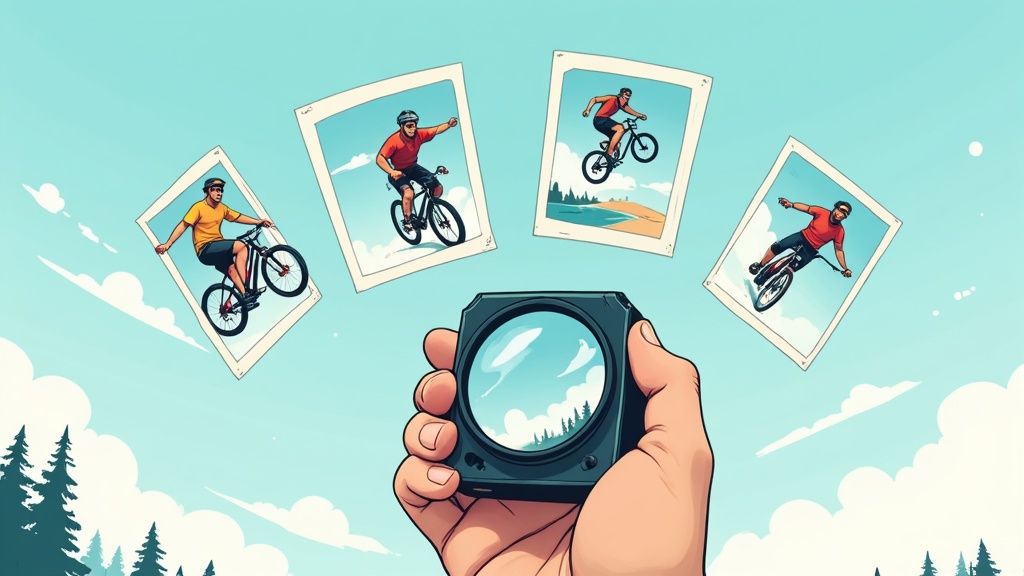
The campaign’s brilliance is in its seamless content ecosystem. It begins with the user capturing footage, which is then shared across social media using hashtags like #GoPro. The best content is curated and professionally edited by GoPro's team, then amplified across the brand’s massive digital channels, including a YouTube channel with billions of views. This user footage is then integrated into high-production TV commercials, digital ads, and even print media, blurring the lines between customer content and official brand advertising. Experiential marketing, through sponsorships of extreme sports events, further fuels this content pipeline.
Strategic Breakdown
GoPro’s strategy succeeded by building a community around a shared passion for adventure, rather than just focusing on product features. By celebrating its users' creativity, the company fostered immense brand loyalty and generated a near-infinite supply of authentic marketing material at a fraction of the cost of traditional production. This approach demonstrates a deep understanding of its target audience, who value authenticity and peer validation over polished corporate messaging. The result is a self-sustaining marketing loop where product use directly fuels brand growth, making it one of the most effective integrated marketing campaign examples for a modern, digital-first audience. Discover more about how brands leverage customer content here.
Actionable Takeaways
- Build a Content Ecosystem: Create simple and clear pathways for users to submit their content. Promote a central hashtag and host contests to incentivize participation across all your channels.
- Curate and Elevate: Don't just reshare user content; invest in elevating the best submissions. Professional editing can turn raw footage into compelling brand stories that fit high-production channels like TV.
- Give Credit and Build Community: Always credit the original creator. This not only encourages more submissions but also builds a loyal community that feels seen and valued by the brand.
6. Red Bull's Multi-Platform Extreme Sports Integrated Campaign
Red Bull has transcended beverage sales to become a global media powerhouse, a prime example of an integrated marketing campaign that is always on. Instead of traditional advertising, Red Bull creates and owns the culture around extreme sports. The brand doesn't just sponsor events like the Cliff Diving World Series or the Rampage mountain bike competition; it produces, broadcasts, and promotes them as its own proprietary content.
This strategy is executed flawlessly across an enormous ecosystem. The Red Bull Media House creates feature-length films and documentaries. Its YouTube channel engages tens of millions of subscribers with high-octane videos. Experiential marketing is at the core, with live events providing the raw material for digital content, social media engagement, and even traditional print media. The legendary Stratos space jump, which saw Felix Baumgartner break the sound barrier, wasn't just a stunt; it was a global media event, meticulously documented and broadcast, reaching billions and cementing Red Bull’s association with pushing human limits.
Strategic Breakdown
Red Bull’s success comes from a commitment to authentic storytelling and content ownership. They don’t interrupt the entertainment; they are the entertainment. By becoming the publisher, they control the narrative and build a direct relationship with their audience, associating the brand with adrenaline, achievement, and passion. This content-first approach creates a self-sustaining marketing engine where live events fuel digital content, which in turn promotes future events and reinforces the brand's lifestyle image. The result is a brand that feels less like a product and more like a badge of honor for its community.
Actionable Takeaways
- Become the Publisher: Create content that provides genuine value and entertainment to your target audience, independent of your product. Think like a media company, not just a marketer.
- Own Your Niche: Identify a specific subculture or passion point relevant to your brand and invest deeply in it. Authentic integration builds more credibility than broad, superficial advertising.
- Create a Content Flywheel: Design your marketing activities so that each one feeds the next. A live event should generate video content, social media stories, blog posts, and promotional material for future initiatives.
7. Airbnb's #BelongAnywhere Integrated Global Campaign
Airbnb’s #BelongAnywhere campaign masterfully shifted the company’s narrative from a simple accommodation provider to a global community fostering human connection and cultural experiences. The campaign's core concept was to celebrate the idea that through Airbnb, travelers could do more than just visit a place; they could truly live there and feel a sense of belonging. This powerful, emotion-driven message was designed to resonate on a deeply personal level.
The campaign's success was rooted in its authentic, multi-channel execution. It combined high-production TV spots, often aired during major cultural events like the Olympics, with a powerful grassroots digital strategy. User-generated content was at the heart of the digital push, with the #BelongAnywhere hashtag encouraging travelers to share their unique, local experiences. The campaign also leveraged influencer partnerships and experiential events to bring the brand's promise to life, creating a cohesive story across every touchpoint.
Strategic Breakdown
The strategy behind #BelongAnywhere was to build a brand identity centered on authentic human stories rather than on property features. By focusing on connection and community, Airbnb differentiated itself from traditional hotels and tapped into the modern traveler's desire for genuine experiences. This approach transformed the brand into a lifestyle phenomenon, generating billions of impressions and reaching over a billion people in its first year. This is a prime example of an integrated marketing campaign that builds a powerful brand identity by leading with emotion and community.
Actionable Takeaways
- Lead with Human Stories: Center your campaign around authentic user experiences and emotional connections rather than just product benefits. This builds a more resilient and relatable brand identity.
- Coordinate Across Key Moments: Align your television, digital, and social media efforts around major events or cultural moments to maximize reach and impact, as Airbnb did with the Olympics.
- Empower Micro-Influencers: Partner with influencers who have smaller but highly engaged audiences. Their authentic storytelling can be more powerful and credible than celebrity endorsements for building community trust.
8. Apple's Ecosystem Integration Campaign Strategy
Apple's approach is less a single campaign and more a continuous, long-term integrated marketing strategy built around its seamless product ecosystem. Instead of marketing products in isolation, Apple promotes an interconnected lifestyle where its devices (iPhone, Mac, Apple Watch, AirPods) work together flawlessly. This strategy transforms individual purchases into an investment in a larger, unified digital experience.
This philosophy is executed with precision across every channel. A new iPhone launch isn't just a TV ad; it's an orchestrated event streamed globally, followed by hands-on demonstrations in over 500 retail stores, supported by digital content showing how it syncs with an Apple Watch, and reinforced by print ads with a consistent, minimalist aesthetic. The messaging is always centered on user benefits and creative potential, not just technical specs, making it one of the most powerful integrated marketing campaign examples in modern business.
Strategic Breakdown
The core of Apple's success is building a "walled garden" that is so convenient and elegantly designed that customers have little incentive to leave. The strategy focuses on demonstrating how the whole ecosystem is greater than the sum of its parts. By highlighting features like Handoff (starting a task on one device and finishing on another) or the instant pairing of AirPods, Apple sells a promise of simplicity and efficiency that competitors struggle to replicate across a fragmented hardware and software landscape. This creates immense brand loyalty and a high barrier to exit for consumers.
Actionable Takeaways
- Market the Ecosystem, Not Just the Product: Focus messaging on how your products work together to solve a larger problem or create a better experience. Showcase the synergistic value rather than individual features.
- Create Consistent Visual and Verbal Language: Apple's clean design and simple, benefit-driven copy are instantly recognizable. Ensure your branding is uniform across all touchpoints, from packaging to your website to your social media posts.
- Build Immersive Retail Experiences: Use physical spaces to let customers experience the ecosystem firsthand. Apple Stores are not just stores; they are interactive showrooms designed to demonstrate seamless integration in a tangible way.
9. Spotify's Artist Integration and Playlist Marketing Campaign
Spotify has revolutionized music discovery not just with its algorithm, but with a deeply integrated marketing approach that blurs the lines between content, promotion, and user experience. The core of its strategy is leveraging its own platform to create cultural moments, turning curated playlists, artist collaborations, and user data into powerful marketing assets. This transforms the service from a simple utility into an indispensable part of music culture.
The campaign's strength lies in its ecosystem-wide integration. It begins with data-driven playlist curation, like "RapCaviar," which becomes a brand in itself. This is amplified through artist partnerships, where getting featured on a key playlist is a major promotional win. Experiential events, social media campaigns, and out-of-home advertising (like massive billboards celebrating artists) all tie back to driving listeners to the platform. The annual #SpotifyWrapped campaign is the pinnacle of this strategy, turning individual listening data into billions of user-generated social media impressions.
Strategic Breakdown
Spotify’s success is built on making its product the primary marketing channel. By turning user data into personalized, shareable content (#SpotifyWrapped) and elevating its playlists into influential brands, it creates a self-sustaining promotional loop. This approach fosters a deep sense of community and personal connection, making users feel seen and understood. The strategy effectively turns listeners into brand advocates and artists into marketing partners, creating a powerful network effect that other integrated marketing campaign examples strive to achieve.
Actionable Takeaways
- Make Your Product the Marketing Channel: Find ways to turn user engagement with your product or service into shareable content. Data-driven, personalized roundups or achievements can be powerful UGC drivers.
- Build Brands Within Your Brand: Identify key features or content streams (like Spotify's playlists) and develop them into distinct brands with their own following and marketing support. This creates multiple entry points for new users.
- Leverage Data for Emotional Connection: Use personalization not just for functionality but to create moments of delight and self-expression. Spotify Wrapped works because it tells a story about the user's year, making data feel personal and meaningful.
10. Dove's 'Campaign for Real Beauty' Multi-Channel Initiative
Dove's 'Campaign for Real Beauty' is a landmark integrated marketing campaign that has redefined beauty advertising for over two decades. Launched in 2004, the initiative’s core mission was to challenge narrow, stereotypical beauty standards and foster a broader, more inclusive definition of beauty. By featuring real women of diverse ages, sizes, and ethnicities, Dove moved away from aspirational advertising to start a global conversation.

The campaign's longevity and impact stem from its seamless integration across numerous touchpoints. It began with traditional billboards and print ads featuring real women, which sparked media debate. This was followed by powerful digital content, like the viral "Evolution" video, which exposed the digital manipulation in beauty ads. Subsequent viral hits like "Real Beauty Sketches" continued the narrative, generating massive organic reach on social media. The campaign also extended into education through partnerships with organizations like the Girl Scouts, creating workshops to build self-esteem in young girls.
Strategic Breakdown
The campaign's success is rooted in its authentic commitment to a powerful social mission, transforming Dove from a simple soap brand into a cultural advocate. Instead of focusing on product features, the strategy centered on an emotional, value-driven brand narrative. This approach resonated deeply with consumers who felt unrepresented by the traditional beauty industry. By consistently executing this message across TV, digital video, social media, and educational programs, Dove built immense brand loyalty and trust. This is a masterclass in how a powerful brand narrative can drive long-term engagement.
Actionable Takeaways
- Lead with Authentic Values: Build your campaign around a core belief that genuinely aligns with your brand. Consumers can spot inauthenticity, so ensure your message is backed by real action and long-term commitment.
- Leverage Emotional Storytelling: Create content that connects with human emotion. Dove's videos went viral not because they sold soap, but because they told relatable stories that made people feel seen and understood.
- Maintain Long-Term Consistency: A successful integrated campaign isn't a one-off event. Dove has maintained its core message for years, adapting its execution to new channels while keeping its purpose consistent.
Top 10 Integrated Marketing Campaigns Comparison
| Campaign | Implementation Complexity 🔄 | Resource Requirements ⚡ | Expected Outcomes ⭐📊 | Ideal Use Cases 💡 | Key Advantages 📊 |
|---|---|---|---|---|---|
| Coca-Cola — "Share a Coke" | 🔄 Medium–High: personalization + multi-channel coordination | ⚡ High: custom packaging production, marketing spend, logistics | ⭐⭐⭐⭐ Strong engagement & viral UGC; measurable short-term sales lift | 💡 Consumer CPG brands seeking personalization and social buzz | 📊 Scalable globally, emotional connection, high social amplification |
| Old Spice — "The Man Your Man Could Smell Like" | 🔄 Medium: high-production creative plus real-time social ops | ⚡ Medium–High: TV production and dedicated social team | ⭐⭐⭐⭐ High viral reach, rapid brand relevance and sales spikes | 💡 Brands targeting younger audiences aiming for viral creative impact | 📊 Memorable creative, real-time engagement, earned media value |
| Nike — "Just Do It" (long-form) | 🔄 High: decades-long coordination across channels & partners | ⚡ Very High: celebrity deals, global media, retail integration | ⭐⭐⭐⭐⭐ Deep brand equity, long-term loyalty; flexible ROI over time | 💡 Market leaders building enduring brand philosophy and culture | 📊 Unparalleled consistency, emotional connection, extensibility |
| Absolut — Artist Collaborations | 🔄 Medium: artist curation, limited editions, experiential logistics | ⚡ Medium: collaboration fees, event and collectible production | ⭐⭐⭐ Niche premium positioning; earned media in cultural circles | 💡 Premium brands seeking cultural cachet and collectible products | 📊 Differentiation via cultural association; collectible appeal |
| GoPro — UGC Strategy | 🔄 Low–Medium: platform design plus content curation/moderation | ⚡ Low–Medium: community management, tech for curation | ⭐⭐⭐⭐ Authentic reach and cost-effective content at scale | 💡 Product-focused brands with engaged users creating content | 📊 Endless content supply, authenticity, low production costs |
| Red Bull — Extreme Sports Integration | 🔄 High: global event production + in-house media operations | ⚡ Very High: events, media studio, athlete sponsorships | ⭐⭐⭐⭐⭐ Strong niche dominance, multi-channel monetizable content | 💡 Lifestyle brands aiming to own a cultural niche via events | 📊 Authentic audience connection, premium positioning, content revenue |
| Airbnb — #BelongAnywhere | 🔄 Medium–High: global storytelling and UGC coordination | ⚡ High: influencer trips, TV buys, moderation resources | ⭐⭐⭐⭐ Builds affinity, global reach, community trust and bookings | 💡 Platforms emphasizing community, trust and real experiences | 📊 Scalable UGC, emotional storytelling, strong cultural resonance |
| Apple — Ecosystem Integration | 🔄 Very High: cross-product, retail and event synchronization | ⚡ Very High: R&D, product launches, retail environments | ⭐⭐⭐⭐⭐ Ecosystem lock-in, high CLV, premium brand positioning | 💡 Tech companies building integrated product ecosystems | 📊 Network effects, consistent premium experience, loyalty |
| Spotify — Artist & Playlist Marketing | 🔄 Medium: data-driven curation plus artist partnerships | ⚡ Medium: platform infrastructure, data systems, partnerships | ⭐⭐⭐⭐ Drives discovery, retention and viral moments (e.g., Wrapped) | 💡 Platforms leveraging data to personalize discovery & sharing | 📊 Data-driven personalization, shareable moments, artist collaborations |
| Dove — "Campaign for Real Beauty" | 🔄 Medium–High: sustained values-based messaging & partnerships | ⚡ High: production, educational programs, advocacy partnerships | ⭐⭐⭐⭐ Strong differentiation, earned media, long-term brand trust | 💡 Brands seeking values-driven positioning and social impact | 📊 Emotional resonance, CSR alignment, sustained consumer loyalty |
Crafting Your Own Integrated Masterpiece: Key Principles for Success
From Coca-Cola’s personalized bottles to Nike's decades-long "Just Do It" ethos, the integrated marketing campaign examples we've explored share a common DNA. They are not merely collections of tactics but are living, breathing ecosystems built around a singular, powerful truth that connects with a specific audience on a deeply emotional level. Success isn’t born from using every channel; it’s born from using the right channels in perfect harmony.
The campaigns that resonate most profoundly, like Dove's "Campaign for Real Beauty" or Airbnb's "#BelongAnywhere," demonstrate that a powerful idea can transcend its marketing origins to become a genuine cultural conversation. This is the ultimate goal of integration: to create a brand narrative so cohesive and compelling that it feels less like an advertisement and more like a shared experience. Each touchpoint, from an elaborate Red Bull stunt to a simple Spotify playlist, serves as a deliberate entry point into a unified brand world.
Distilling the Core Tenets of Integration
As we look back at these iconic strategies, several key principles emerge as non-negotiable for anyone aspiring to create their own integrated success story. These are the foundational pillars that support the most ambitious and effective campaigns.
-
The Unifying Big Idea: Every successful campaign starts with a core concept that is simple, emotionally resonant, and endlessly flexible. Old Spice’s "The Man Your Man Could Smell Like" wasn't just a TV spot; it was a character and a tone that could be adapted for interactive social media, print, and beyond. Your big idea must be the gravitational center holding all your channels in orbit.
-
Audience-Centric Channel Selection: Apple doesn't just market products; it curates an ecosystem experience. Their channel mix is meticulously chosen to align with how their audience lives, works, and communicates. Instead of a blanket approach, they focus on platforms where they can deepen the user's relationship with the brand, proving that where you say something is just as important as what you say.
-
Consistent Creative Execution: Consistency is the glue of an integrated campaign. Whether it’s the rugged, user-shot aesthetic of GoPro or the clean, minimalist design language of Apple, a consistent visual and tonal identity ensures the brand is instantly recognizable. This creative discipline builds trust and makes the brand feel reliable and authentic across every interaction.
Turning Inspiration into Actionable Strategy
Studying these integrated marketing campaign examples is the first step; the next is building your own. The journey from concept to execution requires rigorous organization and a clear vision. Start by defining a single, measurable objective for your campaign. Is it to drive sales, build brand awareness, or foster community engagement? Your objective will dictate your creative direction and channel mix.
Next, translate your big idea into a messaging framework that can be adapted without losing its core essence. To organize these moving parts effectively, a solid strategic framework can be found in a practical marketing campaign planning template. This will help you map out your customer journey, assign roles to each channel, and ensure every piece of content contributes to the overarching goal.
Ultimately, the power of an integrated campaign lies in its ability to create a seamless brand narrative that envelops the consumer. It’s about building a universe where every touchpoint feels connected, intentional, and valuable. By focusing on a central idea, understanding your audience's behavior, and maintaining creative consistency, you can transform your marketing efforts from a series of disparate activities into a singular, unforgettable brand masterpiece.
Ready to move from studying great campaigns to building your own? ReachLabs.ai specializes in orchestrating complex, data-driven integrated marketing campaigns that deliver measurable results. Let our team of strategists and creatives help you unify your brand's message across every channel to create an impactful, cohesive customer experience.