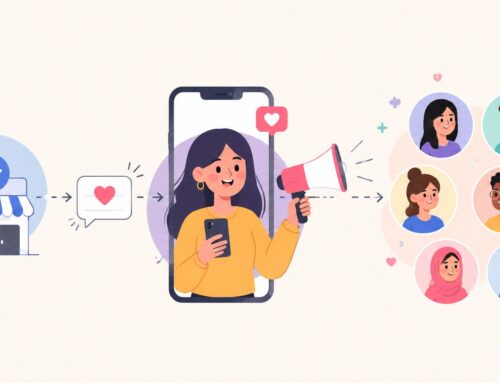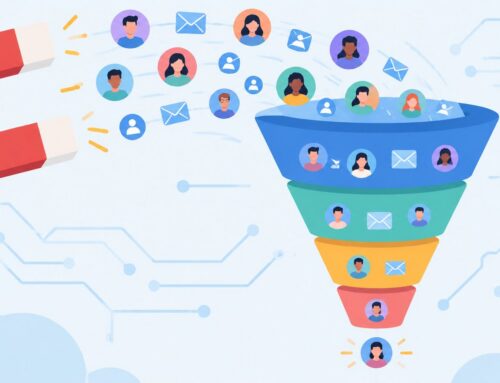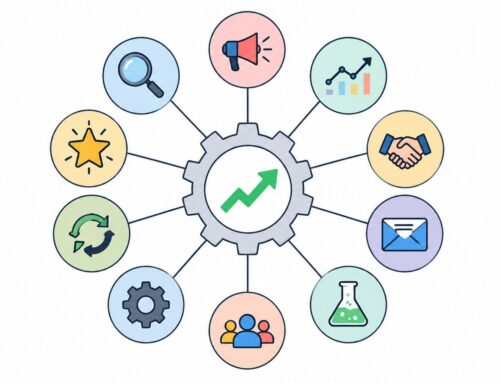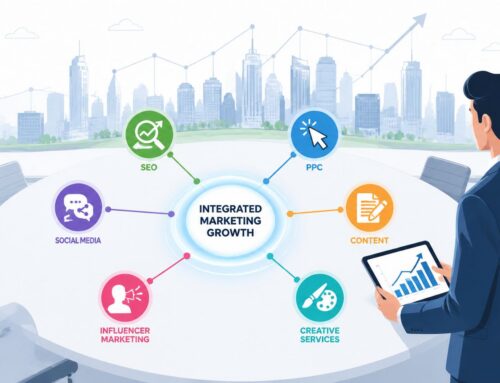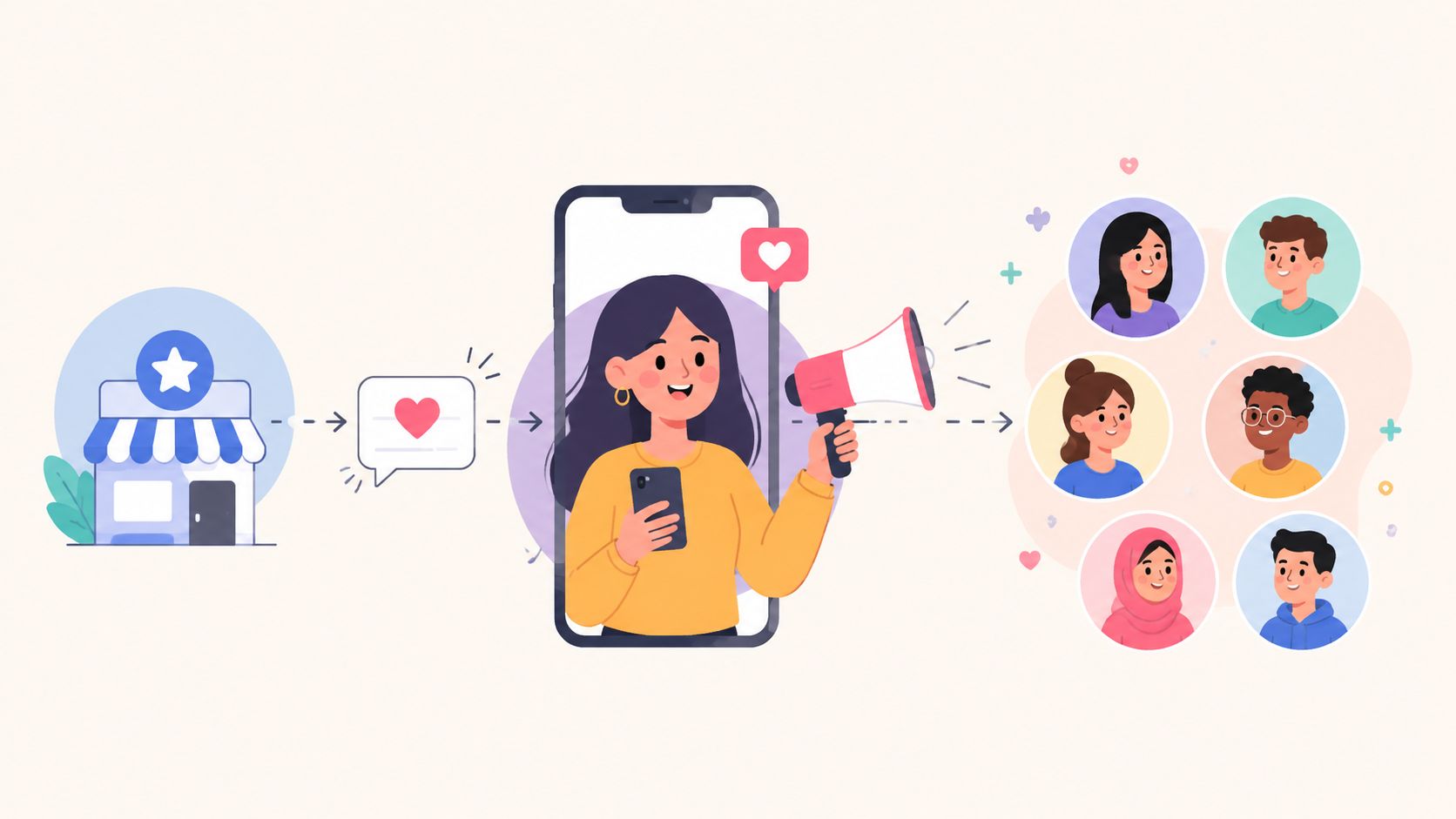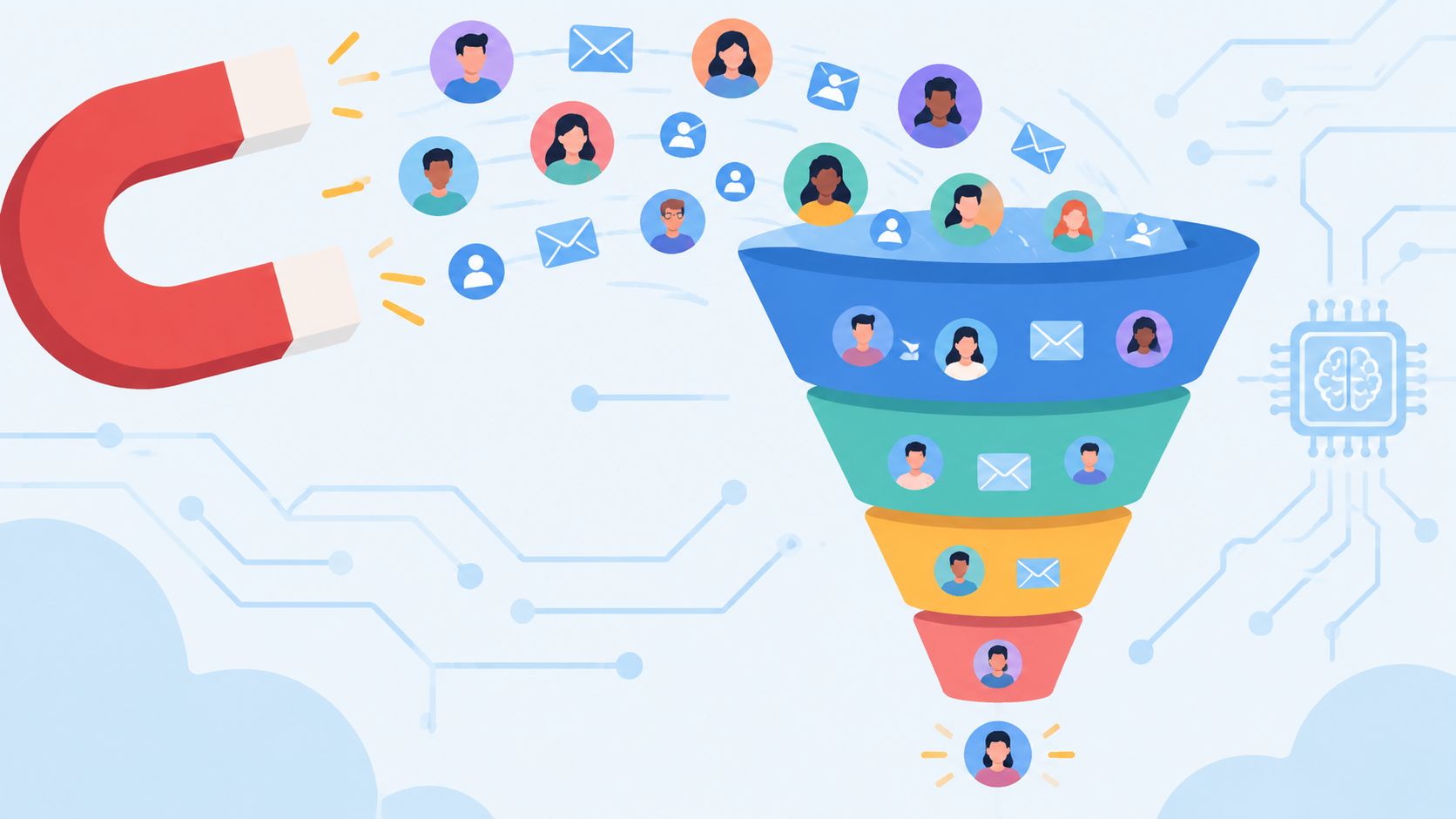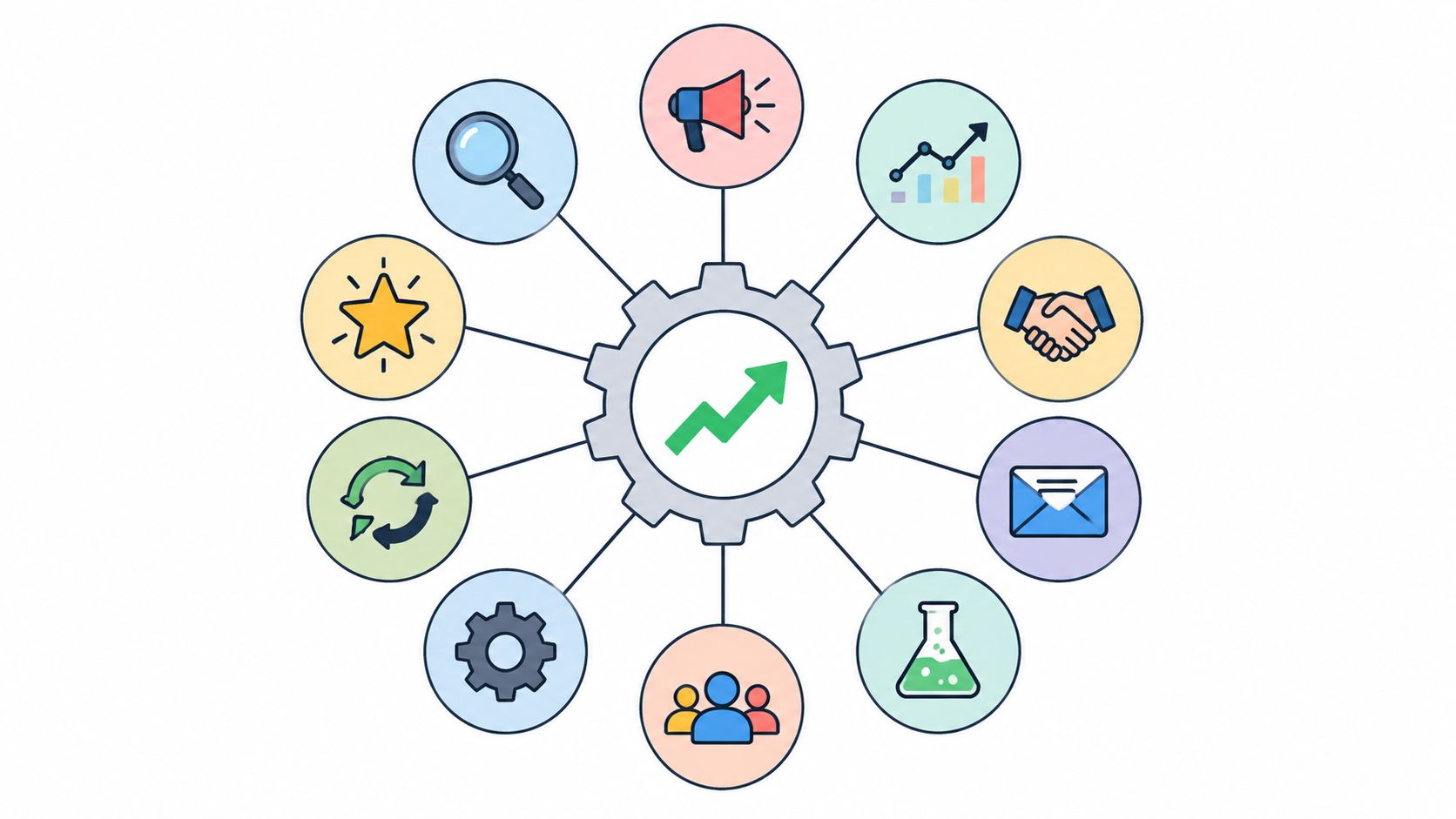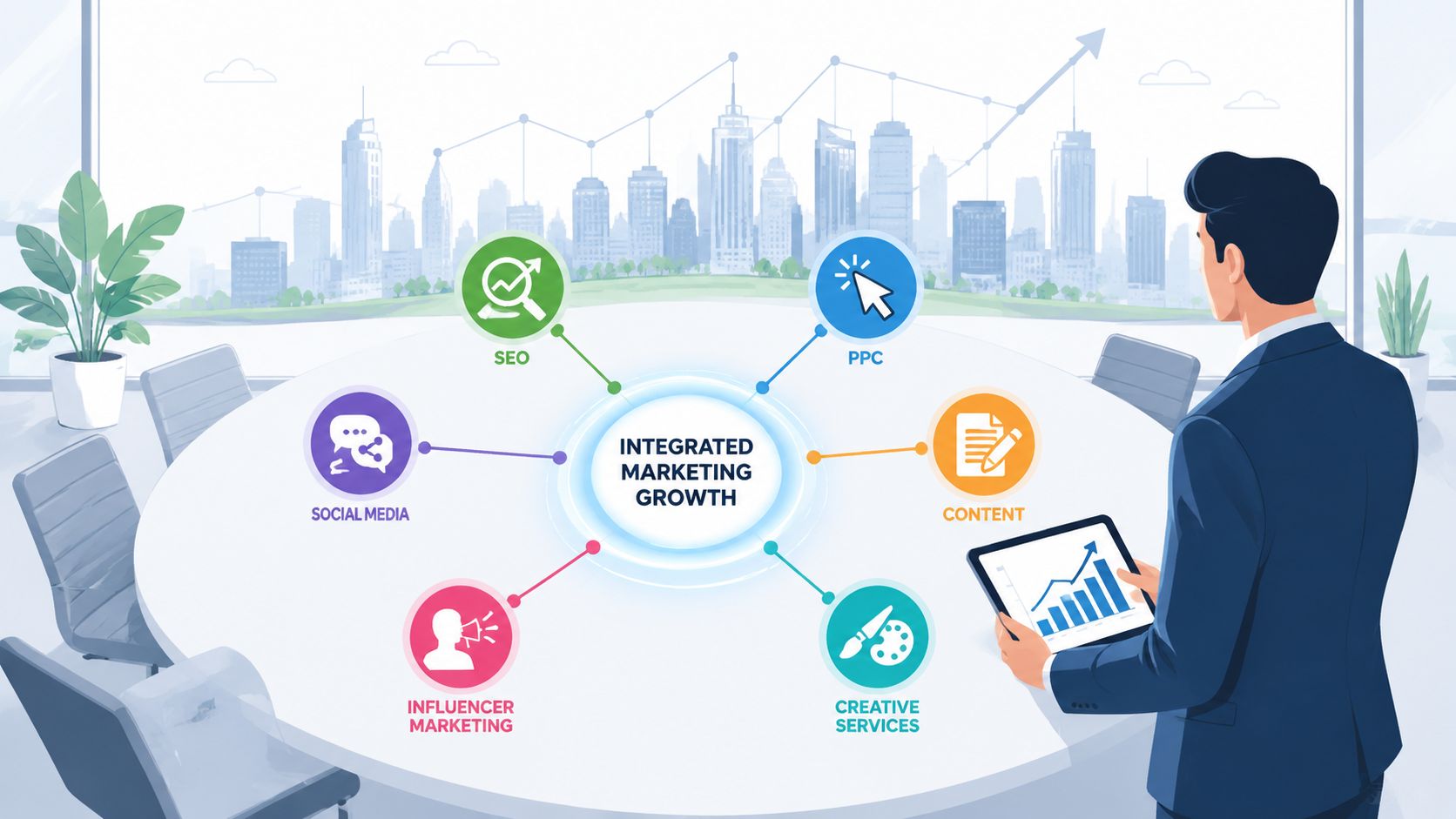
In a saturated marketplace, simply being seen is no longer enough. True brand awareness is about creating a lasting impression that connects with your ideal audience, turning passive observers into loyal advocates. It’s the critical difference between a fleeting social media click and a long-term customer relationship. While many tactics promise instant visibility, sustainable growth demands a more thoughtful and multi-faceted approach. Building a memorable brand is the foundation for market relevance, customer trust, and ultimately, a stronger bottom line.
This guide moves beyond generic advice to deliver nine powerful and actionable brand awareness strategies designed to build recognition, foster genuine connection, and drive measurable results. Forget abstract theories; we are focusing on practical implementation. You will learn how to leverage everything from strategic content marketing and community engagement to impactful influencer partnerships and targeted paid advertising. Each strategy is broken down into clear steps, supported by real-world examples, and presented with fresh perspectives to help you build a brand that not only gets noticed but becomes impossible to forget. Let's dive into the tactics that create real, lasting impact.
1. Content Marketing
Content marketing is a strategic approach focused on creating and distributing valuable, relevant, and consistent content to attract and retain a specific audience. Unlike direct advertising, which interrupts, content marketing provides genuine utility, positioning your brand as a trusted authority and an indispensable resource in your industry. This is one of the most effective brand awareness strategies because it builds a relationship with potential customers before they are even ready to buy, establishing trust and familiarity.

This method works by addressing your audience's pain points, questions, and interests through various formats like blog posts, videos, podcasts, and ebooks. For example, HubSpot’s extensive marketing blog offers free, high-quality information, making them the go-to resource for marketers. Similarly, Patagonia tells compelling stories about environmental activism, connecting with customers on shared values rather than just selling jackets.
Actionable Steps for Implementation
- Define Your Audience: Create detailed buyer personas to understand who you are creating content for. What are their goals, challenges, and preferred content channels?
- Focus on Value: Your primary goal should be to educate, entertain, or inspire. Center your content around solving your audience's problems, not just promoting your products.
- Maintain Consistency: Develop a content calendar to plan and maintain a regular publishing schedule. Consistency is key to building an engaged audience. You can get help by checking out this guide on how to create a content calendar.
- Repurpose and Distribute: Maximize your efforts by repurposing a single piece of content into multiple formats. A blog post can become a video, an infographic, or a series of social media updates. Promote your content across all relevant channels to expand its reach.
2. Social Media Marketing
Social media marketing is the strategic use of platforms like Instagram, Twitter, and LinkedIn to connect with your audience, build your brand’s personality, and drive engagement. Rather than simply broadcasting messages, this approach leverages the interactive nature of social media to foster communities and facilitate direct communication with consumers. It stands as one of the most powerful brand awareness strategies because it allows brands to meet customers where they are, participating in cultural conversations and building authentic relationships in real time.

This method works by creating and sharing content that resonates with a specific audience, encouraging likes, shares, and comments. For instance, Wendy's has gained massive recognition through its witty and humorous Twitter presence, while brands like Nike use Instagram for powerful visual storytelling that inspires its followers. On professional networks, companies like Microsoft use LinkedIn to establish thought leadership and engage with an industry-specific audience.
Actionable Steps for Implementation
- Select the Right Platforms: Don't try to be everywhere at once. Focus your efforts on the social media channels where your target audience is most active and engaged.
- Develop a Consistent Voice: Define your brand’s personality, whether it's humorous, professional, or inspiring, and maintain that voice consistently across all posts and interactions.
- Engage Authentically: Go beyond just posting content. Respond to comments, answer questions, and participate in relevant conversations to build a loyal community around your brand.
- Leverage Platform-Specific Features: Utilize features like Instagram Stories, TikTok videos, and LinkedIn articles to create diverse and engaging content. To enhance your brand's presence on professional platforms, consider implementing these Top Strategies to Grow LinkedIn Followers.
3. Influencer Partnerships
Influencer partnerships involve collaborating with individuals who have established credibility and an audience in a specific niche. This approach leverages the trust and reach of influencers to introduce your brand to new, highly engaged audiences through authentic endorsements. As one of the most effective brand awareness strategies, it taps into the power of word-of-mouth marketing at scale, allowing your brand's message to be delivered by a trusted voice rather than a direct advertisement.

This method works by integrating your product or service naturally into an influencer's content. For instance, Gymshark built its empire by partnering with prominent fitness influencers who authentically wore and promoted its apparel. Similarly, Daniel Wellington famously executed massive campaigns with micro-influencers, flooding social media feeds with its watches and creating a sense of widespread popularity and desirability. These collaborations feel less like ads and more like genuine recommendations.
Actionable Steps for Implementation
- Choose Aligned Influencers: Select partners whose values, aesthetics, and audience demographics align with your brand. A mismatched partnership can feel inauthentic and damage credibility.
- Focus on Engagement: Look beyond follower count and analyze an influencer's engagement rates (likes, comments, shares). High engagement often indicates a more loyal and receptive audience.
- Allow Creative Freedom: Provide clear campaign guidelines and objectives, but give influencers the creative freedom to present your brand in their own unique voice. This ensures the content feels genuine to their followers.
- Build Long-Term Relationships: Prioritize long-term ambassador programs over one-off sponsored posts. Sustained partnerships build deeper trust and brand association with the influencer's audience. You can learn how to find micro-influencers to start building these connections.
4. Search Engine Optimization (SEO)
Search Engine Optimization (SEO) is the practice of enhancing your website to increase its visibility when people search for products, services, or information related to your business in search engines like Google. By ranking higher in search results, you place your brand directly in front of an audience actively seeking solutions you provide. This makes SEO one of the most powerful organic brand awareness strategies, as it captures high-intent users and builds authority and trust by offering relevant answers at the exact moment of need.

This method involves a combination of technical, on-page, and off-page optimizations that signal to search engines that your content is valuable and authoritative. For instance, Home Depot dominates search results not just for products but also for "how-to" DIY guides, positioning itself as the go-to expert for home improvement. Similarly, Moz built its entire brand by creating exceptional educational content about SEO, ranking for the very terms its software helps others target. These brands become synonymous with their industry through consistent search visibility.
Actionable Steps for Implementation
- Conduct In-Depth Keyword Research: Use tools like Ahrefs or SEMrush to identify the terms and questions your target audience is searching for. Focus on understanding their search intent, whether it's informational, transactional, or navigational.
- Create High-Quality, Comprehensive Content: Develop content that thoroughly answers the user's query better than any competitor. This includes blog posts, guides, and product pages that are well-written, structured, and informative.
- Optimize Technical and On-Page Elements: Ensure your website is fast, mobile-friendly, and easy to navigate. Optimize title tags, meta descriptions, and headers with your target keywords to improve relevance.
- Build Authoritative Backlinks: Earn links from reputable, relevant websites in your industry. Quality backlinks act as a vote of confidence, significantly boosting your site's authority and search engine ranking over time. You can learn more about effective link-building from experts like Brian Dean at Backlinko.
5. Public relations and Media Coverage
Public relations (PR) is a strategic communication process that builds mutually beneficial relationships between organizations and their publics. Instead of paying for placement, PR earns media coverage through newsworthy stories, thought leadership, and positive brand narratives. It is one of the most powerful brand awareness strategies because third-party validation from reputable media outlets builds credibility and trust that advertising simply cannot buy.
This method works by getting your brand featured in articles, news segments, podcasts, and other media without directly paying for the space. For instance, Patagonia's environmental activism campaigns consistently earn widespread media attention, reinforcing its brand values and reaching a massive audience. Similarly, Ben & Jerry's bold stances on social justice issues generate significant media buzz, keeping the brand relevant and in the public conversation far beyond just its ice cream.
Actionable Steps for Implementation
- Develop Newsworthy Stories: Craft compelling narratives that go beyond a product announcement. Focus on unique data, human interest stories, or a strong company mission that journalists will find interesting.
- Build Media Relationships: Identify and cultivate relationships with key journalists, bloggers, and influencers in your industry. Offer them exclusive insights or expert commentary to become a trusted source.
- Time Your Outreach Strategically: Align your PR pitches with current events, trends, or relevant industry news to increase your chances of getting picked up. A timely story is a relevant story. You can learn more about effective media outreach from resources like the PRSA (Public Relations Society of America).
- Prepare for the Spotlight: Ensure your company spokespeople are media-trained and equipped with clear, consistent key messages. Being prepared allows you to capitalize on every media opportunity effectively.
6. Event Marketing and Experiential Campaigns
Event marketing and experiential campaigns move beyond passive advertising to create immersive, memorable moments that connect brands directly with their target audience. This hands-on approach builds strong emotional connections and generates powerful word-of-mouth buzz by allowing consumers to interact with a brand in a physical space. These are potent brand awareness strategies because they create lasting impressions that are more impactful than a fleeting digital ad, turning attendees into genuine brand advocates.
This method works by transforming brand messaging into a tangible experience. Think of Red Bull's high-octane extreme sports events, which embody their "gives you wings" slogan, or IKEA's pop-up apartment experiences in major cities, which allow people to visualize the brand's products in a realistic home setting. These activations are not just about showcasing products; they are about creating a shareable, engaging narrative that resonates deeply with attendees and lives on through social media.
Actionable Steps for Implementation
- Align Themes with Brand Values: Ensure your event’s concept, theme, and activities directly reflect your brand’s core values and resonate with your target audience’s interests. The experience should feel authentic to who you are as a brand.
- Create Shareable Moments: Design "Instagram-worthy" installations, photo booths, or unique activities that encourage attendees to capture and share their experience on social media, amplifying your reach organically.
- Focus on Post-Event Engagement: Collect attendee information through registrations or on-site sign-ups to build your marketing list. Follow up with thank-you messages, exclusive content, or special offers to continue the conversation. For a deep dive into successful event execution, explore these Top Event Marketing Strategies to Boost Your 2025 Events.
- Document and Repurpose Content: Thoroughly document the event with professional photos and videos. This footage can be repurposed into valuable marketing assets for your website, social media channels, and future promotional materials.
7. Strategic Partnerships and Collaborations
Strategic partnerships involve forming mutually beneficial relationships with other brands, organizations, or influencers to tap into their audience and leverage their credibility. Instead of building an audience from scratch, you gain access to an established community that trusts your partner. This is one of the most powerful brand awareness strategies because it creates a "halo effect," where the positive association with a partner brand is transferred to your own.
This method works by finding a non-competing partner whose audience aligns with your target demographic. The collaboration can take many forms, from co-hosted events and co-branded products to integrated services. A classic example is the partnership between GoPro and Red Bull, which combines a camera brand with an energy drink's high-octane events to create thrilling content that benefits both. Similarly, Spotify and Uber's integration allowed riders to control the music, enhancing the experience for both user bases.
Actionable Steps for Implementation
- Identify Complementary Partners: Look for brands that share your target audience but are not direct competitors. Their products or services should complement yours.
- Establish Clear Goals: Before reaching out, define what success looks like. Is it increased social media followers, lead generation, or direct sales? Set clear, measurable KPIs.
- Ensure Value Alignment: A successful partnership depends on shared values and quality standards. A misalignment can damage both brands' reputations.
- Create a Formal Agreement: Outline roles, responsibilities, timelines, and success metrics in a detailed agreement to ensure both parties are on the same page. You can review some great examples of strategic alliances to get inspiration.
- Promote the Partnership Jointly: Maximize reach by co-promoting the collaboration across all marketing channels. A joint effort will produce far better results than working in silos.
8. Paid Advertising and Media Buying
Paid advertising is the process of purchasing ad space across various media channels to instantly boost brand visibility and reach highly targeted audiences. Unlike organic strategies that build momentum over time, paid media provides immediate exposure, making it one of the most powerful brand awareness strategies for rapid growth. By placing your brand in front of potential customers where they already spend their time, you can control the narrative and accelerate familiarity.
This strategy works by leveraging platforms like Google Ads, social media networks, and programmatic advertising to deliver tailored messages. For instance, Dollar Shave Club’s viral video ad campaign catapulted them into the mainstream, while Geico’s consistent, multi-channel presence has made their brand a household name. Similarly, Amazon uses sophisticated display and search advertising to maintain top-of-mind awareness for millions of products, ensuring they are visible at every stage of the customer journey.
Actionable Steps for Implementation
- Define Clear Objectives: Start by defining what you want to achieve. Is it website traffic, video views, or simply impressions? Your objective will determine your campaign setup, bidding strategy, and key performance indicators (KPIs).
- Segment Your Audience: Use the detailed targeting options available on advertising platforms to reach your ideal customer. Segment by demographics, interests, behaviors, and location to ensure your message resonates.
- Test and Iterate: Don't commit your entire budget to a single ad creative or message. A/B test different ad formats, headlines, images, and calls to action to identify what performs best and optimize for better results.
- Implement Retargeting: Use retargeting to re-engage users who have previously interacted with your brand but didn't convert. These warm leads are often more likely to respond, making retargeting a highly efficient tactic for building brand recall. Explore a platform like AdRoll to manage campaigns across multiple networks.
9. Community Building and Engagement
Community building is the strategic practice of creating and nurturing a network of customers, fans, and advocates around your brand. This approach shifts the focus from transactional relationships to fostering genuine connections based on shared interests, values, and goals. It is one of the most powerful brand awareness strategies because an engaged community becomes a self-sustaining ecosystem of brand advocacy, support, and valuable feedback.
This method works by providing a dedicated space, whether a forum, social media group, or an exclusive program, where members can interact with the brand and each other. For example, Sephora's Beauty Insider community offers a platform for makeup enthusiasts to share tips and product reviews, strengthening their loyalty. Similarly, Peloton has cultivated a fiercely dedicated following by connecting users through leaderboards, high-fives, and instructor-led groups, transforming a solo workout into a shared experience.
Actionable Steps for Implementation
- Define Your Community's Purpose: Clearly establish why your community exists. Is it for product support, sharing user-generated content, networking, or providing exclusive access? This purpose will guide your content and engagement efforts.
- Provide Exclusive Value: Give members a reason to join and stay active. Offer exclusive content, early access to products, special discounts, or direct access to your team.
- Facilitate Member-to-Member Connections: Your role is often that of a facilitator, not just a broadcaster. Encourage discussions, create events, and use features that help members connect with one another, strengthening the community's bonds.
- Recognize and Reward Contributors: Actively listen to your community and acknowledge valuable contributors. Spotlight top members, reward helpful feedback, and implement their suggestions to show that their voices are heard and valued. This fosters a sense of ownership and loyalty.
Brand Awareness Strategies Comparison Matrix
| Marketing Strategy | Implementation Complexity 🔄 | Resource Requirements ⚡ | Expected Outcomes 📊 | Ideal Use Cases 💡 | Key Advantages ⭐ |
|---|---|---|---|---|---|
| Content Marketing | Medium – requires consistent content creation and expertise | Moderate – content creators, SEO tools | Long-term brand authority, improved SEO and qualified leads | Brands aiming for thought leadership and organic growth | Builds trust, cost-effective, long-term ROI |
| Social Media Marketing | High – requires real-time monitoring and frequent posting | Moderate to high – content creators, social managers | Real-time engagement, viral reach, brand personality | Brands targeting active social platform users | Direct audience access, cost-effective, viral potential |
| Influencer Partnerships | Medium to high – managing relationships and campaigns | Variable – influencer fees and coordination | Authentic endorsements, expanded niche audiences | Brands seeking credibility through trusted voices | Builds credibility, user-generated content |
| Search Engine Optimization (SEO) | High – ongoing technical and content optimization | Moderate – SEO expertise, tools | Sustainable organic traffic, measurable visibility | Brands focusing on search discovery and long-term growth | Cost-effective, builds authority, measurable results |
| Public Relations and Media Coverage | High – requires media relations and strategic storytelling | Moderate – PR specialists, media contacts | Credibility via third-party validation, broad media reach | Brands managing reputation or aiming for thought leadership | Earned media, cost-effective, reputation building |
| Event Marketing and Experiential Campaigns | High – extensive planning and coordination | High – venue, staff, production costs | Emotional connections, immediate engagement | Brands focusing on memorable in-person or hybrid experiences | Strong emotional impact, social buzz |
| Strategic Partnerships and Collaborations | High – complex negotiation and alignment | Moderate – management and coordination | Expanded reach, shared resources | Brands looking for co-marketing and extended audience | Access to new customers, shared costs, enhanced credibility |
| Paid Advertising and Media Buying | Medium – campaign setup and ongoing optimization | High – budget dependent on reach and platforms | Immediate traffic and visibility | Brands needing quick, scalable audience targeting | Measurable ROI, precise targeting, scalable |
| Community Building and Engagement | High – continuous engagement and moderation | Moderate to high – community managers, platform tools | Loyal advocates, user-generated content | Brands aiming for deep customer relationships | Builds loyalty, authentic feedback, viral growth |
From Awareness to Advocacy: Your Next Steps
You've just explored a comprehensive toolkit of powerful brand awareness strategies, from the foundational pillars of content marketing and SEO to the dynamic worlds of influencer partnerships and experiential events. We've moved beyond theory, providing you with actionable frameworks and real-world examples to guide your efforts. The journey from obscurity to recognition is built on a series of deliberate, strategic actions, and you now have the blueprint.
The most critical takeaway is that these strategies are not isolated tactics to be deployed randomly. Instead, they are interconnected components of a holistic brand-building ecosystem. The synergy between a strong SEO foundation, compelling social media content, and strategic PR outreach creates a compounding effect that a single-channel approach can never achieve.
Weaving Your Brand's Narrative
True brand awareness isn't just about getting your logo seen; it's about embedding your brand's story and values into the minds of your audience. Each strategy, whether it's a community engagement initiative or a carefully crafted paid ad campaign, serves as a thread in this narrative. Your goal is to create a consistent, authentic, and memorable experience across every touchpoint.
Remember, the ultimate objective is to transition consumers from simple awareness to genuine brand advocacy. This happens when they not only recognize your brand but also trust it, prefer it, and are willing to recommend it to others.
Your Action Plan for Building a Lasting Brand
To transform this knowledge into tangible results, avoid the trap of trying to do everything at once. Instead, adopt a focused, incremental approach.
- Audit and Prioritize: Begin by assessing your current resources, budget, and team capabilities. Which two or three brand awareness strategies align most closely with your target audience and business goals right now? A B2B tech company might prioritize SEO and strategic partnerships, while a direct-to-consumer fashion brand might focus on social media and influencer marketing.
- Execute with Consistency: Choose your starting strategies and commit to executing them consistently. Brand building is a marathon, not a sprint. Sporadic efforts will yield sporadic results, so dedicate the necessary time and resources to maintain momentum.
- Measure, Learn, and Iterate: Establish clear key performance indicators (KPIs) to track your progress. Monitor metrics like website traffic, social media engagement, share of voice, and direct brand mentions. Use this data to refine your approach, double down on what works, and pivot away from what doesn't.
By thoughtfully implementing these strategies, you're not just increasing visibility; you're building a resilient brand that can weather market shifts and cultivate a loyal customer base. You are creating an asset that stands out, commands respect, and endures.
Executing these multifaceted campaigns requires a blend of creativity, data analysis, and strategic expertise. If you're ready to amplify your brand's voice and achieve measurable results, the collective of world-class talent at ReachLabs.ai can help you design and implement the perfect brand awareness strategies for your unique goals. Explore how our data-driven approach can elevate your brand at ReachLabs.ai.