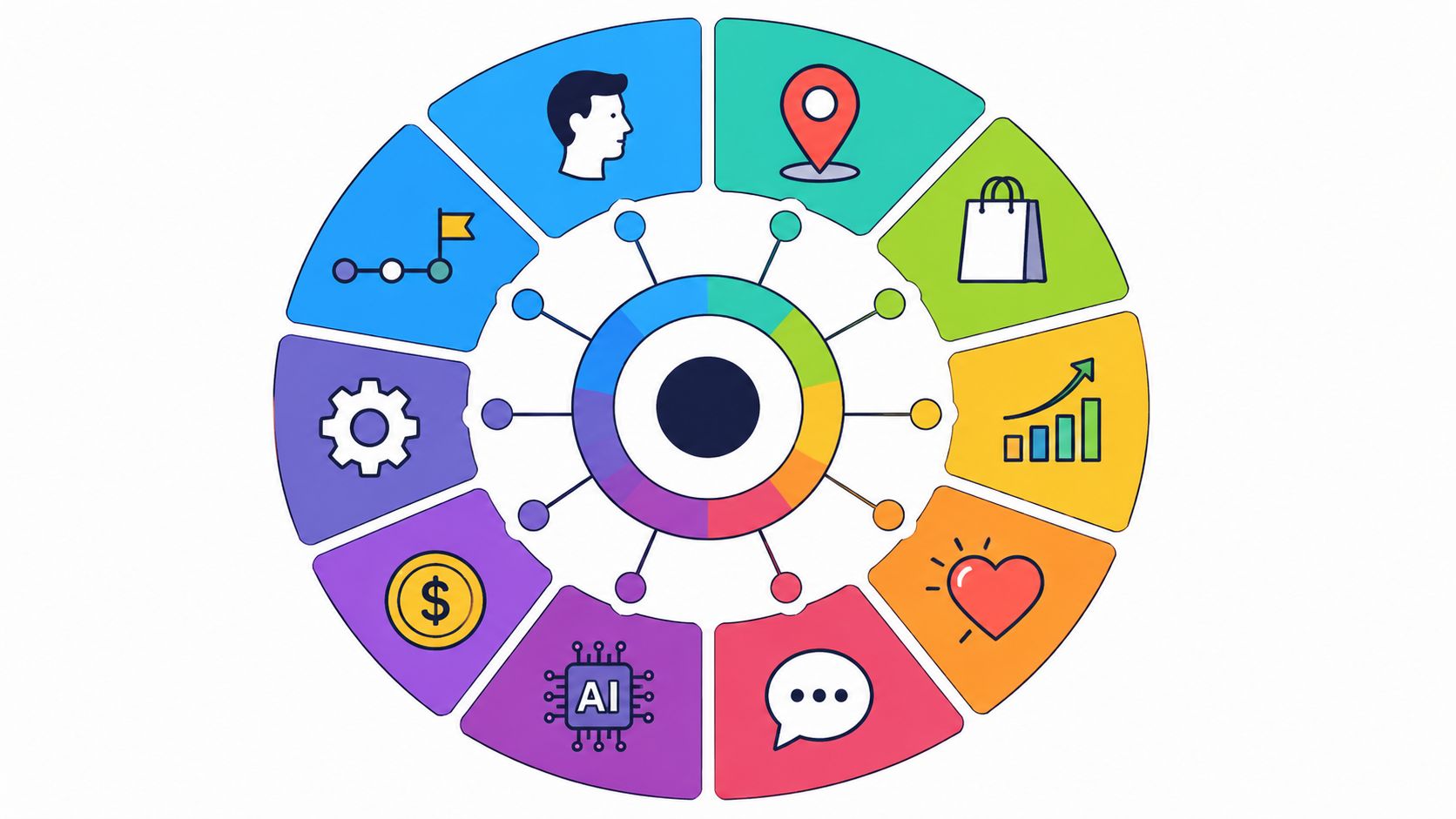
76% of marketers already use segmentation in some form, and 86% of companies say customer segmentation is essential for growth, yet 48% still segment primarily by demographics (customer segmentation statistics). That gap explains why so many campaigns still feel generic. Teams have embraced segmentation as a standard operating practice, but many are still using only the easiest variable instead of building segments that change messaging, offer design, and channel activation.
Marketers who go deeper can make segmentation do more than sort a list. Segmented campaigns have been credited with 14.31% higher open rates and 101% more clicks than non-segmented campaigns, and segmented, targeted, triggered campaigns were credited with 77% of marketing ROI in widely cited benchmarks (segmentation campaign benchmarks). Other research in the same stream reports segmented email programs can drive a 760% increase in revenue (segmentation campaign benchmarks). The lesson for agency teams is simple, generic messaging wastes attention, while well-built segments help you align the right offer, the right moment, and the right creative system.
Marketing segmentation strategies work best when they answer three questions at once, who the customer is, why they buy, and how they prefer to engage. That means mixing foundational inputs like demographics with behavioral, psychographic, firmographic, and predictive layers. If you want a starting point for the broader framework, this guide to market segmentation is a useful companion read.
1. Demographic Segmentation
Demographic segmentation is still the starting point for many teams because it's easy to collect and easy to activate. Age, income, education, family size, profession, and similar attributes can be pulled from forms, CRM records, and audience tools, then used to shape offers, creative, and budget allocation. The mistake is treating demographics as the strategy instead of the scaffold.

A practical example is LinkedIn targeting professionals with stronger purchasing power for B2B SaaS, or fashion brands separating audiences by life stage and disposable income. Financial services teams also use income tiers to match product complexity to affordability and risk tolerance. These are not clever segments, but they're often useful enough to stop waste.
Make demographics earn a second layer
The strongest use of demographic segmentation comes when you pair it with psychographic or behavioral signals. A 28-year-old founder and a 28-year-old sales manager may share age, but their buying triggers are different, so the message should be different too.
- Validate demographic assumptions with first-party data: Collect job role, budget range, household status, or product goals through forms and surveys instead of guessing from platform defaults.
- Build tiered creative paths: Create different landing pages, email hooks, and ad angles for each demographic band.
- Refresh the data regularly: Demographic records go stale fast, especially in B2B where roles, income, and company size change often.
- Test against unexpected winners: Sometimes the segment you assume is secondary becomes the strongest converter once the offer is specific enough.
Practical rule: If a demographic segment can't justify a different offer, different proof, or a different landing page, it probably doesn't deserve its own campaign.
For persona development, the internal buyer persona framework is a useful companion when you need to turn raw demographic fields into something a creative team can use.
2. Psychographic and Personality-Based Segmentation
Psychographic segmentation explains why a purchase happens. It groups people by values, beliefs, interests, attitudes, and lifestyle choices, while personality-based approaches account for decision style, from analytical and cautious to experimental and status-driven. That mix matters when two audiences look similar on paper but respond to very different messages.
An outdoor brand can build one segment around environmentally conscious customers and another around high-energy adventure seekers. A luxury brand may emphasize achievement, exclusivity, and polish for highly conscientious buyers, while a startup brand can focus on experimentation and speed for high-openness audiences. The same product can sit in very different emotional frames, depending on what motivates the buyer.
Use language that matches the mindset
Psychographic segments are often found through interviews, listening, and pattern recognition rather than hardcoded fields. That makes them more fragile than demographic segments, but also more useful when the message needs to feel personal instead of merely relevant.
People don't buy only the product. They buy the identity, outcome, or self-image the product helps them protect.
Use personality quizzes carefully if you use them at all, and be transparent about why you're asking. A quiz can work as a lead magnet for a wellness brand, but it can feel invasive if the data use isn't clear. Social listening also helps, because values often show up in public language before they show up in a survey response.
Agency teams often get better results by pairing influencer voice with audience psychology. An innovation-focused creator may fit early adopters, while a calm expert voice may work better for a high-caution audience. The key is matching tone, tempo, and proof style to the segment's decision habits.
For teams building segmented prospect personas, this layer is where the profile becomes actionable. A cautious buyer may need more process detail, risk reduction, and third-party proof. A status-driven buyer may respond better to exclusivity, recognition, and polished visuals. A highly experimental buyer usually wants novelty, faster access, and a lower-friction path to try the offer.
3. Behavioral Segmentation
Behavioral segmentation is where strategy gets much sharper because it uses what people do. Purchase history, browsing patterns, frequency of engagement, product usage, loyalty, and churn signals tell you more than self-reported intent in many campaigns. This is why behavioral data usually outperforms assumptions when timing and personalization matter.
E-commerce teams use it to identify repeat buyers for early access drops. SaaS teams use it to separate power users from dormant accounts, then trigger feature education or win-back sequences. Content platforms use it to recommend topics based on what users already consume, not what marketers hope they'll like.
Build the segment around actions, not labels
Event tracking has to be clean before behavioral segmentation can work. If your events are inconsistent, your audience logic will be noisy, and your automation will trigger at the wrong time.
- Track the full digital path: Capture page views, product interactions, checkout steps, email engagement, and feature use consistently across touchpoints.
- Use recency, frequency, and monetary value together: RFM analysis helps teams separate casual buyers from high-value customers without overcomplicating the model.
- Trigger campaigns on behavior change: A drop in logins, repeated cart abandonment, or reduced content depth can signal a segment shift before churn becomes obvious.
- Split new and returning audiences: First-time buyers need reassurance, while repeat buyers need efficiency, upgrades, or exclusivity.
For agencies running lifecycle work, behavioral segmentation is often the fastest route to measurable gains because it connects directly to timing, channel selection, and offer sequencing. It also supports premium services, since high-value repeat customers usually deserve a different retention path than one-time purchasers.
4. Geographic Segmentation
Geographic segmentation looks simple until a brand tries to scale nationally or globally. Country, region, city, climate, local culture, and even time zone can change how a campaign performs, because people don't experience the same product in the same context. A winter coat, a compliance message, and a store promo all need different local logic.
Restaurant brands are a strong example, because menu and promotion choices often change by region. Climate-control companies naturally segment heating and cooling offers by weather patterns. Financial services firms can also use geographic segmentation to align product availability and compliance messaging with local rules.
Localize more than just the copy
Translation alone is not localization. The stronger approach is to adapt the offer, imagery, references, proof points, and even send time so the campaign feels native to the market.
- Use regional creators and micro-influencers: Local voices often understand cultural nuance better than national spokespeople.
- Build location-specific landing pages: Local offers, local testimonials, and local shipping or service details reduce friction.
- Schedule by time zone: Sending at the wrong local hour can make a strong message look weak.
- Watch weather and seasonality: Regional timing changes demand, especially in categories tied to climate, travel, or events.
Practical rule: If a customer needs to mentally “translate” your campaign into their market, the segment isn't localized enough.
For agencies, geographic segmentation is also a useful way to manage media efficiency. You can prioritize regions with stronger demand signals, then adjust creative and offers based on what's moving in each area.
5. Firmographic Segmentation
Firmographic segmentation is the B2B version of demographic segmentation, and it's essential for account-based work. Industry, company size, revenue band, employee count, location, business model, and maturity stage all shape what a company needs, how quickly it buys, and how many people are involved in the decision. A startup and an enterprise can want the same software for completely different reasons.
Data platforms like ZoomInfo, Apollo, and Hunter become practical, not just convenient. They help teams build cleaner company lists, but the core value comes from using those lists to create different motions for small businesses, mid-market buyers, and enterprise accounts. One pitch doesn't fit every buying committee.
Segment by complexity, not only by size
A small firm may move quickly but have fewer resources. A larger enterprise may have more budget but a longer approval chain and more friction around compliance, procurement, and implementation.
- Create industry-specific proof: Case studies land better when the reader can see their own regulatory, operational, or market context.
- Use growth signals as triggers: Hiring, funding, expansion, and new leadership can all signal timing.
- Tailor the sales motion: Smaller firms often need simpler positioning, while larger firms usually need integration, governance, and ROI detail.
- Map decision-maker density: The more people involved, the more your content has to support internal consensus.
For B2B marketers, technographic segmentation can sit inside firmographic logic, because stack maturity often matters as much as company size. If a buyer already uses a certain CRM or automation platform, your integration story becomes much more relevant than a generic feature pitch.
6. Needs-Based Segmentation
Needs-based segmentation is one of the most useful approaches for agencies because it focuses on the problem, not the profile. Instead of asking who the customer is, you ask what they're trying to solve, what's blocking progress, and what outcome they're trying to reach. That shift usually produces cleaner positioning than broad persona labels.
A company struggling with pipeline generation needs a different message than a company that already gets leads but lacks content capacity. A startup preparing for fundraising cares about investor communication, while a mature brand losing share wants visibility and differentiation. Each problem deserves its own offer language.
Start with pain points, then translate them into offers
Customer interviews are the fastest way to uncover needs-based segments, especially when the same product or service can serve very different jobs. Journey mapping helps too, because the same pain point may surface at awareness, consideration, or renewal.
The customer's wording matters more than the internal category label. Use the phrases buyers use, not the terminology your team prefers.
Messaging becomes sharper. A lead generation service should not lead with process details if the buyer is worried about pipeline uncertainty. A content service should not lead with deliverables if the buyer wants to save time, reduce dependency, or improve brand authority.
Strong needs-based segments also create better landing pages. Instead of one generic service page, build separate pages for the main pain point, then match proof, CTA, and objection handling to that need. That structure usually makes paid traffic and outbound follow-up more effective because the user sees themselves immediately.
7. Channel and Device Segmentation
Channel and device segmentation changes how the message is delivered, not just what the message says. Email, SMS, social, phone, mobile, desktop, and tablet all create different user expectations, so a campaign that looks polished on desktop can fail on mobile if the format is wrong. Device behavior also reveals intent, because a buyer on mobile often wants speed, while a desktop user may be willing to read deeper.
Mobile-first email layouts, single-column design, and large calls to action make sense for people reading on phones. Desktop-heavy B2B audiences often engage more with long-form LinkedIn content, comparison pages, and webinar follow-up. TikTok and Instagram demand very different pacing than email or search.
Build creative for the channel, not just the audience
If you reuse the same asset everywhere, the channel ends up working against you. The smarter approach is to shape the format around the platform's native behavior.
- Use platform-specific formats: Stories, articles, short video, and SMS each need different pacing.
- Test across devices before launch: Broken layouts and tiny CTAs kill otherwise strong campaigns.
- Watch cross-device journeys: The first click may happen on mobile, while the conversion happens later on desktop.
- Allocate spend by engagement context: Put more budget where the audience responds, not where the media plan is easiest to manage.
For agencies, this segment type is especially useful when creative teams and media teams need a common operating language. It prevents the common mistake of judging a message's performance without considering whether the channel fit was weak from the start.
8. Customer Journey Stage Segmentation
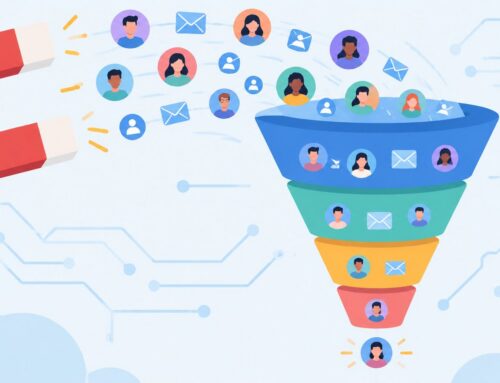
Customer journey stage segmentation groups audiences by readiness, from early awareness through consideration, decision, retention, and advocacy. A person who has only just recognized a problem needs education. A person comparing vendors needs proof. A current customer needs support, adoption guidance, or an expansion path. The same offer can miss badly at one stage and perform well at another.
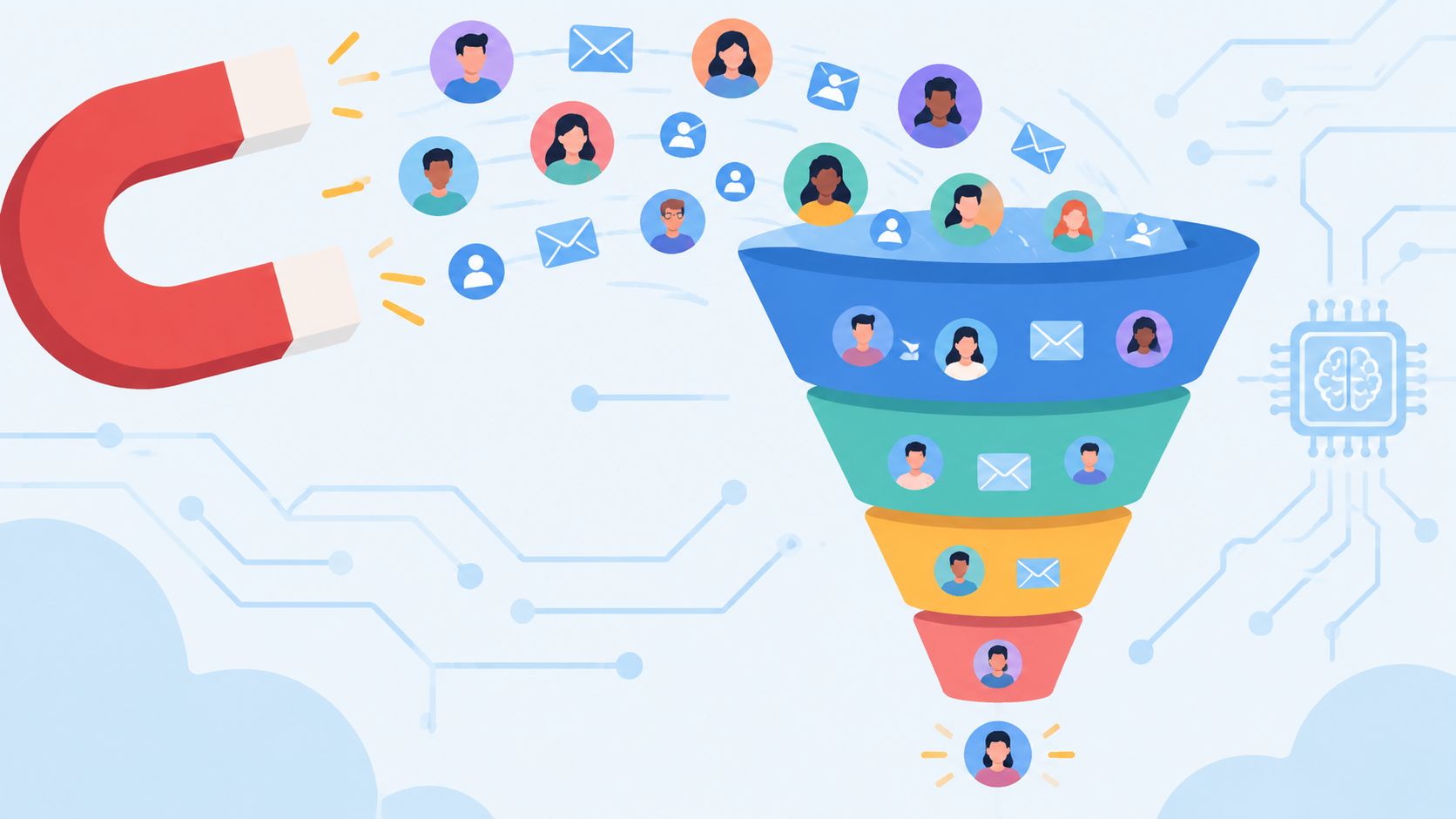
That is why content funnels still matter. Blog posts, guides, whitepapers, case studies, demos, testimonials, and onboarding sequences each serve a different job in the buyer's progression. Journey-stage logic keeps teams from sending decision-stage material to people who are still trying to define the problem.
For a cleaner view of how stage, content, and conversion path fit together, the customer journey mapping templates resource can help teams organize the handoff from awareness to action.
A useful way to segment by journey stage is to start with the signal, then choose the message. Page depth, repeat visits, the content type consumed, and form interactions all show how far a prospect has moved. A single webinar registration does not mean the same thing as a pricing-page visit, so the stage rule should reflect the level of intent, not just the last click.
Awareness calls for educational content and clear problem framing. Consideration works better with comparison guides, expert explanations, and detailed proof. Decision-stage campaigns should show demos, case studies, testimonials, and implementation detail. Retention and advocacy work better with onboarding, customer education, renewal support, and referral prompts. A practical rule helps keep the sequence clean. If someone is still asking “What is this?”, do not send “Why us?” content yet.
For agencies, journey stage segmentation is one of the fastest ways to improve nurture performance because it aligns the message with the buyer's current level of certainty. It also gives content, paid media, and sales outreach a shared operating model, which reduces wasted impressions and makes follow-up more relevant.
9. Social and Influencer-Based Segmentation
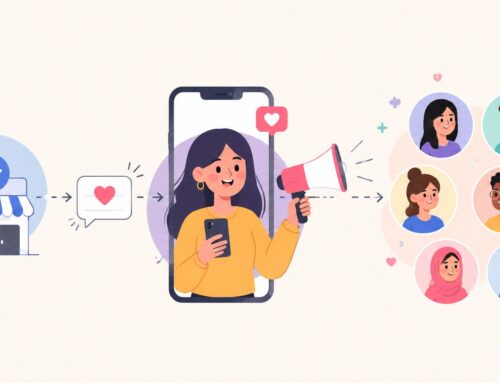
Social and influencer-based segmentation groups people by how they behave in social settings and whose opinions they trust. Some audiences respond to trendsetters, some follow community amplifiers, and some wait until they see repeated social proof. That difference shapes both creative and channel choice.
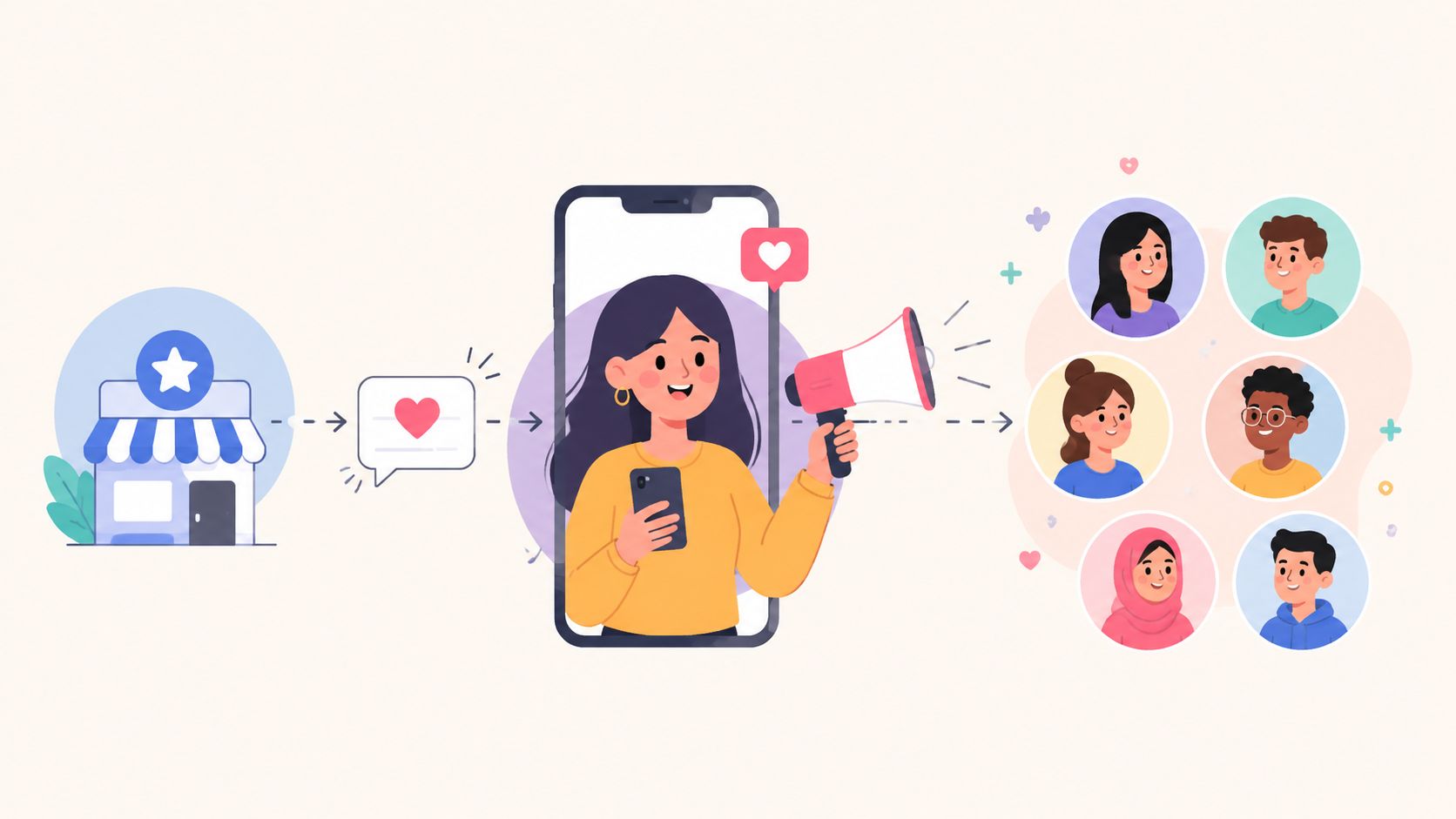
A B2B thought leader on LinkedIn can build credibility more effectively than a broad creator with a larger following. A niche community leader can outperform a general influencer when the audience cares more about expertise than reach. For consumer launches, the gap between a creator-led lift and a weak rollout often comes down to audience fit, message credibility, and whether the audience sees the recommendation as believable.
Brandwatch, Sprout Social, and Hootsuite can help teams identify voices already shaping conversation in a category. The useful filter is not follower count alone. Look at topic alignment, comment quality, repeat engagement, and how often the creator drives discussion among the exact segment you want to reach.
One practical approach is to map influence to the role it plays in the buying process. Some voices introduce the problem. Some validate the shortlist. Others create social proof at the point of decision. In agency work, that separation helps prevent the common mistake of paying for visibility when what the campaign really needs is trust.
- Find advocates inside your customer base: Loyal customers with strong social credibility can become effective ambassadors, especially in categories where peer recommendation carries weight.
- Match influencer identity to segment identity: The audience should recognize the creator as someone who reflects their world, language, and priorities.
- Use referral loops carefully: Incentives work best when they support natural sharing, not forced promotion that feels scripted or transactional.
- Watch sentiment continuously: Brand-safety checks need to continue after launch, because a creator's audience and reputation can change during a campaign.
The lead generation AI resource also fits here when social signals need to feed acquisition workflows. Agencies can use it to connect influencer activity with lead scoring, audience expansion, or account prioritization without relying on static lists alone.
Social segmentation also helps agencies build community around shared values instead of only around products. That approach works especially well in categories where trust, identity, and peer recommendation matter more than feature comparison.
10. Data-Driven Predictive and Lookalike Segmentation
Predictive segmentation uses historical behavior and machine learning to estimate what people are likely to do next. Lookalike segmentation takes the traits of your best customers and searches for new audiences that match those patterns. The shift is simple, but significant. Segmentation stops describing who already converted and starts pointing to who is most likely to convert next.
For agencies, that matters when lead generation has to scale without wasting spend, when account priority needs to reflect real intent, or when media buys need tighter efficiency. The practical issue is not whether the model sounds advanced enough. It is whether the inputs are clean, the definition of success is clear, and the team can act on the output without guessing. A strong model can still fail if the source data is messy or the business question is vague.
The lead generation AI resource fits well here for teams building predictive or lookalike workflows for acquisition. It helps connect scoring, audience expansion, and activation so marketers are not stuck working from static lists alone.
Keep the model useful, not just impressive
Start with a model the team can explain. Logistic regression or decision trees often surface enough signal for early use, especially when marketers need fast activation and a clear reason behind each segment. More complex models can wait until the team has reliable data, a stable workflow, and a way to monitor drift.
Clean inputs matter because bad records create bad predictions quickly. Validate each segment against real outcomes, not just model confidence, so you can see whether the audience behaves the way the model expects. Retrain on a regular cadence, since customer behavior changes and old patterns lose value. Watch for bias as well, because predictive systems can repeat weak historical assumptions if nobody reviews the output.
Use lookalike audiences beyond retargeting. They work for cold outreach, prospecting, and expansion campaigns when the source audience is strong enough to justify the match. For B2C, that can mean finding likely repeat buyers, future cross-sell prospects, or customers at risk of churn. For B2B, it can mean scoring accounts by fit, engagement, and readiness, then using those scores to guide outreach order, creative depth, and follow-up timing. A predictive segment should be small enough to act on and clear enough for a marketer to trust.
10 Segmentation Strategies Compared
| Segmentation | 🔄 Implementation complexity | 💡 Resource requirements | 📊 Expected outcomes | ⚡ Ideal use cases | ⭐ Key advantages |
|---|---|---|---|---|---|
| Demographic Segmentation | 🔄 Low, platform-ready targeting | 💡 Low, public & ad-platform data | 📊 Predictable reach; moderate conversion lift | ⚡ Broad-reach campaigns, media buying, budget allocation | ⭐ Simple, scalable, quick to deploy |
| Psychographic & Personality-Based Segmentation | 🔄 High, surveys + psychometrics | 💡 High, primary research, assessment tools | 📊 Deep engagement & brand loyalty; high resonance | ⚡ Brand storytelling, premium positioning, long-term retention | ⭐ Emotionally resonant, highly personalized messaging |
| Behavioral Segmentation | 🔄 Medium–High, tracking + integration | 💡 Medium–High, analytics, CDP, events | 📊 Strong purchase prediction; high conversion optimization | ⚡ Personalization, automation, retention, e‑commerce | ⭐ Data-driven timing and tailored experiences |
| Geographic Segmentation | 🔄 Low–Medium, location rules + localization | 💡 Medium, local research and creative adaptation | 📊 Improved regional relevance; moderate uplift | ⚡ Local campaigns, international launches, seasonal offers | ⭐ Cultural relevance and optimized regional spend |
| Firmographic Segmentation | 🔄 Medium, B2B data alignment | 💡 Medium–High, B2B databases, CRM integration | 📊 Better ICP targeting; higher sales efficiency in B2B | ⚡ ABM, enterprise outreach, sales prioritization | ⭐ Precise company-level targeting and resource focus |
| Needs-Based Segmentation | 🔄 Medium–High, problem mapping & validation | 💡 High, interviews, journey research, CX input | 📊 High relevance and conversion when matched | ⚡ Consultative selling, solution positioning, onboarding | ⭐ Clear value propositions tied to customer pain points |
| Channel and Device Segmentation | 🔄 Medium, cross-device tracking & variants | 💡 Medium, analytics, creative formats | 📊 Improved engagement and UX; reduced channel waste | ⚡ Mobile-first campaigns, omnichannel optimization | ⭐ Platform-optimized messaging and delivery |
| Customer Journey Stage Segmentation | 🔄 Medium, stage detection & orchestration | 💡 Medium, content, automation workflows | 📊 Better funnel progression and conversion rates | ⚡ Nurture flows, content funnels, lead qualification | ⭐ Timely, stage-appropriate communication |
| Social and Influencer-Based Segmentation | 🔄 Medium–High, social listening + vetting | 💡 Medium, monitoring tools, influencer management | 📊 Increased authentic reach and advocacy; high engagement potential | ⚡ Product launches, ambassador programs, viral campaigns | ⭐ Leverages peer trust and network effects |
| Data-Driven Predictive & Lookalike Segmentation | 🔄 Very High, ML models & pipelines | 💡 Very High, historical data, data science, infra | 📊 High ROI via predictive targeting; strong acquisition efficiency | ⚡ Scalable acquisition, lookalike expansion, budget optimization | ⭐ Uncovers high-potential segments and optimizes spend |
From Strategy to Action Building Your Segmentation Model
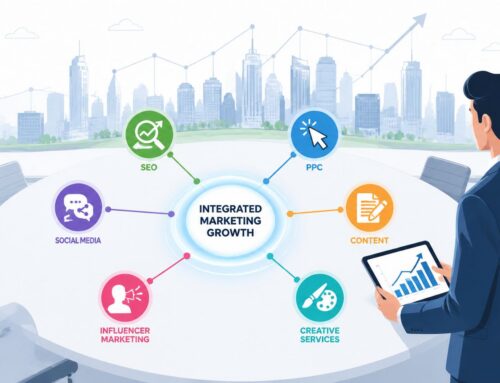
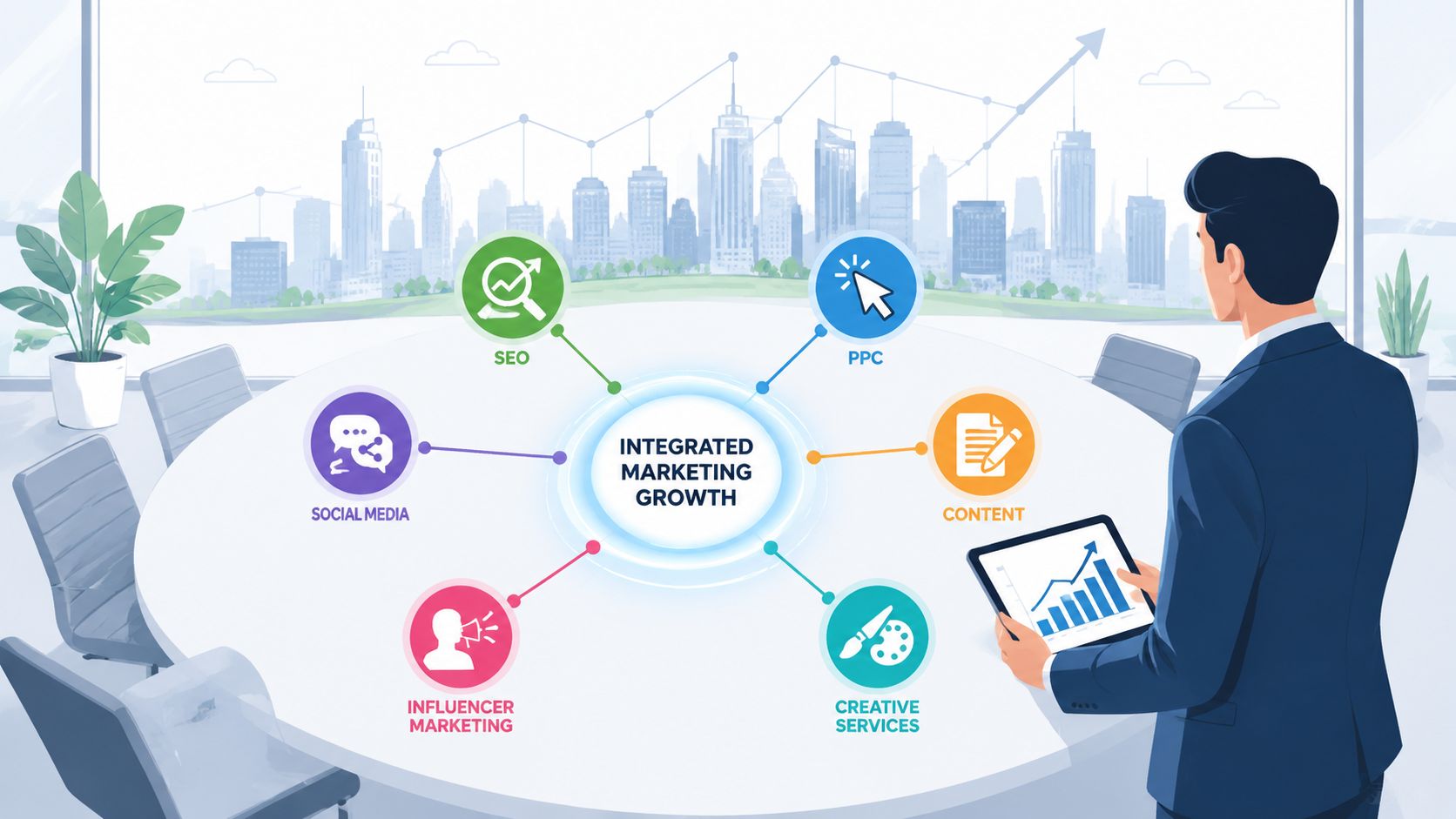
Mastering marketing segmentation strategies means moving beyond isolated tactics and building a layered model that fits how people buy. The strongest programs usually start with demographic and behavioral data, then add psychographic insight, then refine with journey stage, channel preference, firmographics, and predictive scoring. That combination gives you a much better chance of delivering the right message at the right time, instead of forcing every audience into the same funnel.
The core trade-off is between simplicity and usefulness. Simple segments are easier to explain and activate, but they often flatten meaningful differences between buyers. More advanced segments can drive better relevance, but they need better data hygiene, better orchestration, and more discipline across creative, media, and sales. That's why the most effective agencies don't chase complexity for its own sake, they build segment logic that the whole team can use.
A good operating model starts with one question, which segments are measurable, accessible, substantial, distinct, and stable enough to justify dedicated effort. If a segment fails that test, it shouldn't get its own budget line or nurture path. If it passes, it deserves a clear offer, a channel plan, and a reporting layer that tracks performance by segment instead of averaging everything together.
For B2B teams, firmographic and technographic signals often decide whether the account is worth pursuing now or later. For B2C teams, behavior, needs, and geography often matter more because consumer intent changes faster and at a more granular level. In both cases, the best segmentation programs connect data to activation instead of leaving it in a dashboard.
ReachLabs.ai is a relevant option if you need an agency partner that can turn segmentation into campaigns, creative, and outreach systems across lead generation, brand visibility, content, influencer work, and LinkedIn activation. The practical value is not in having more segments, it's in using the right ones consistently across every touchpoint.
If you want to turn audience data into campaigns that perform, ReachLabs.ai can help you build and activate segmentation across content, paid media, influencer marketing, and outbound outreach. Visit ReachLabs.ai to see how their team approaches data-driven marketing with creative execution that fits real buyer behavior.