
At its simplest, multi-channel marketing is about giving your customers multiple ways to connect with you. The idea is to cast a wide net, making your brand available wherever your audience might be, whether that’s through email, on social media, in a physical store, or via a mobile app. Each channel operates independently, serving as a distinct path for a customer to find you.
Breaking Down Multi Channel Marketing
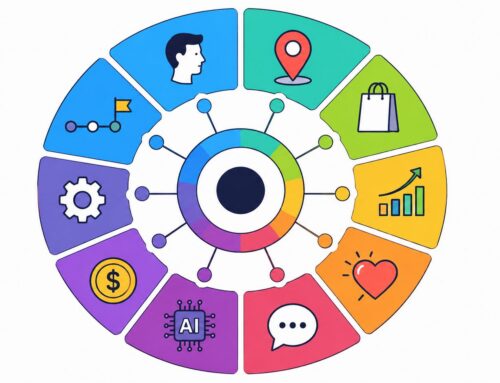
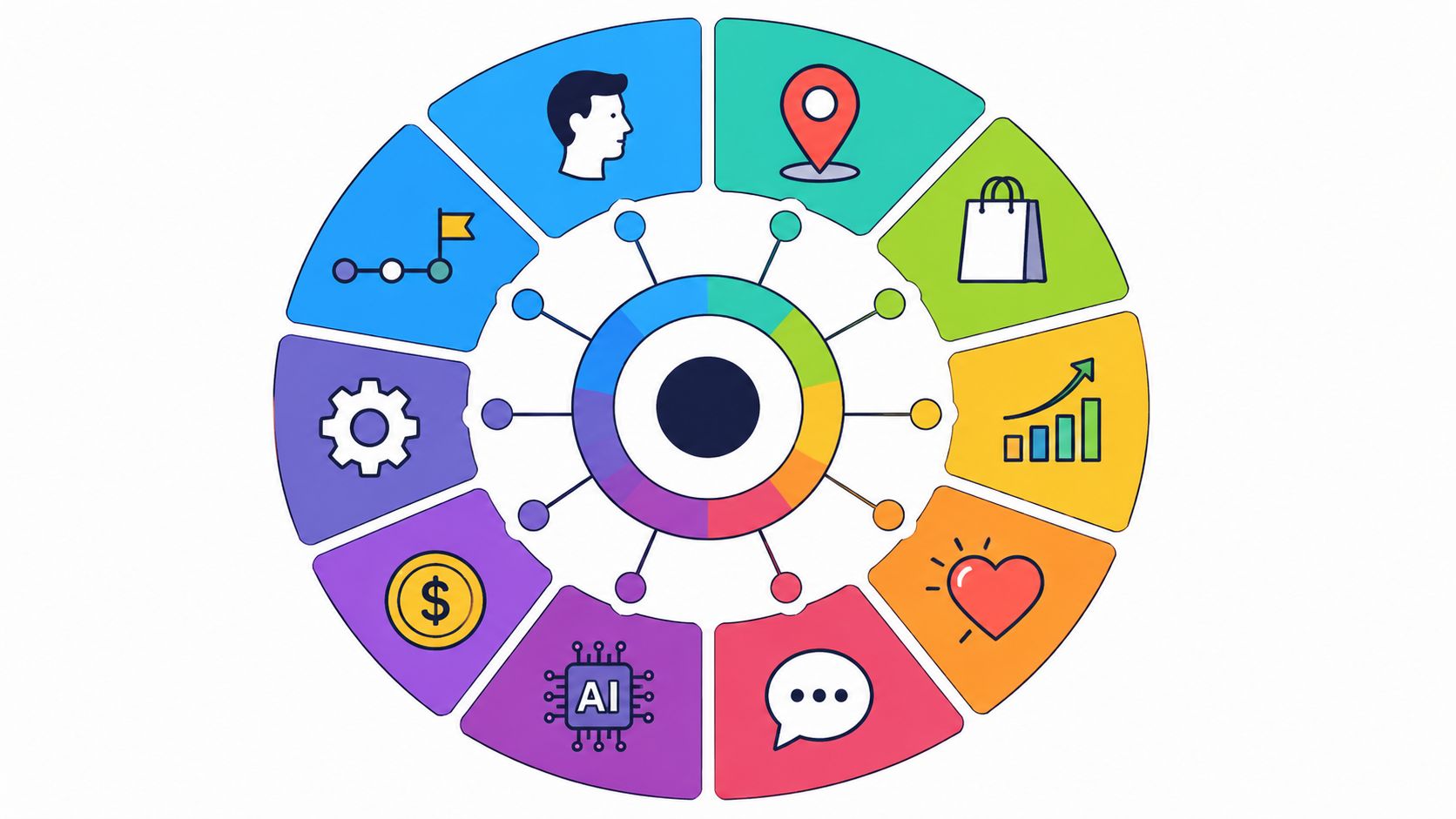
Think of it like a wheel with spokes. Your business is the hub at the center, and each of your marketing channels—social media, email, your storefront—is a separate spoke. Each spoke connects directly back to your business, but they don't connect to each other. The goal isn't to create a seamless journey between the spokes, but to have as many spokes as possible reaching out in different directions.

A local band trying to sell tickets for a show is a perfect real-world example of this in action. They might:
- Put up posters around the neighborhood.
- Run a quick ad on a local radio station.
- Send an email blast to their mailing list with a link to buy tickets.
- Post daily updates and stories on their Instagram account.
Each of these efforts is a standalone campaign. Someone might see the poster downtown but never hear the radio ad. A fan might follow them on Instagram but miss the email. The channels don't talk to each other; their sole purpose is to collectively reach as many potential concert-goers as possible, from as many angles as possible.
The Core Philosophy: Product Over Customer Journey
When you get right down to it, multi-channel marketing is a product-centric strategy. The main focus is on broadcasting the message and making the product or service available on various platforms where people are already spending their time.
This approach really shines when your main goal is to maximize brand presence and give customers plenty of choices on how to engage. It lets you tailor your message to fit the platform you're on. For instance, a visually rich campaign on Instagram is going to feel completely different from a text-heavy, informative email newsletter—and that’s by design.
The philosophy is pretty straightforward: be where your customers are. By showing up on multiple channels, you increase the chances of being seen and making a sale, even if the experience isn't perfectly connected from one platform to the next.
This method gives marketers the freedom to experiment. You can run a discount offer on Facebook while simultaneously promoting a new feature on your blog, all without the headache of trying to weave them into one unified customer journey. This flexibility makes it a practical choice for businesses that want to put their resources into the channels that perform best, individually.
Key Characteristics of a Multi Channel Strategy
To really understand multi-channel marketing, you have to look at its defining traits. It’s not just about being on more than one platform; it’s about how those platforms work in relation to your business and to each other.
This table breaks down the fundamental components of multi channel marketing, helping you quickly grasp the core concepts.
Key Characteristics of a Multi Channel Strategy
| Component | Description | Primary Goal |
|---|---|---|
| Channel Independence | Each channel (e.g., email, social, retail) operates with its own separate strategy and goals. | Optimize performance and messaging for each specific platform. |
| Brand Focus | The brand or product is the central point of the strategy, not the individual customer's journey. | To broadcast the brand’s message as widely as possible. |
| Maximized Reach | The aim is to be present on multiple platforms to increase the number of customer touchpoints. | Increase overall brand visibility and awareness. |
| Siloed Communication | Data and customer interactions are typically not shared between channels. An interaction on social media doesn't inform an email campaign. | Simplify campaign management by keeping channels separate. |
This structure makes multi-channel marketing a more direct and often simpler approach, especially when compared to its more integrated cousin, omnichannel marketing. It’s a solid way to diversify your efforts, avoid putting all your eggs in one basket, and ensure your message is reaching a broad audience through a variety of different avenues.
Exploring Your Multi-Channel Marketing Options

Alright, so you get the concept of multi-channel marketing. Now comes the important part: choosing your battlegrounds. I always tell people to think of each channel as a specific tool in your marketing shed—a hammer for one job, a wrench for another. Real success isn't about showing up everywhere; it’s about being in the right places with the right message.
Getting this mix right has never been more critical. The global multi-channel marketing market is expected to jump from $11.65 billion in 2025 to a whopping $14.66 billion in 2026. That’s not just a small bump; it’s a clear signal that businesses are banking on integrated, data-driven campaigns. This is why you see so many modern agencies pushing for a presence across multiple, carefully selected platforms.
So, let's look at some of the most reliable channels and what they actually do for you.
Digital Channels: The Modern Marketing Foundation
Today, digital platforms are the bedrock of nearly every multi-channel strategy. Why? They give you incredible reach and, more importantly, data you can actually track and act on. Each one plays a distinct role in how you connect with your audience.
Email Marketing: This is your direct line. It’s personal. It’s perfect for nurturing leads that aren’t ready to buy, sharing company updates, and driving repeat sales with exclusive offers. Think of it as having a quiet, one-on-one conversation in a very loud room.
Social Media Marketing: Platforms like Instagram, LinkedIn, Facebook, and TikTok are your brand’s public square. This is where you build a community, let your brand’s personality shine, and have real-time chats with customers and fans.
Content Marketing: Your blog, case studies, and guides are where you prove you know your stuff. This channel is all about building trust and establishing authority by giving away valuable information. It's the slow burn that attracts an audience organically through search engines.
Paid Advertising (PPC & Social Ads): Need to get in front of people right now? Paid ads are your best bet. They let you put your message directly in front of highly specific groups of people based on their interests, behaviors, and demographics.
Of course, to really get ahead, you have to stay on top of the latest methods. SEO is a huge part of content marketing, and using the best AI SEO tools for dominating search can give you a serious advantage.
Offline Channels: The Tangible Touchpoints
In our rush to go digital, it's easy to forget the power of real-world interactions. Offline channels create tangible, memorable experiences that a screen just can’t replicate. They add a whole other dimension to your marketing.
In a world saturated with digital noise, a physical interaction can create a lasting impression. Offline channels make your brand tangible, building a different kind of connection that often feels more personal and authentic.
These channels are fantastic for building deeper brand loyalty. For a full picture of how to blend these with your online efforts, our guide on effective https://www.reachlabs.ai/digital-marketing-strategies-for-business/ can help you connect the dots.
Here are a few classic offline channels that still deliver results:
- Events and Trade Shows: Whether you’re hosting a webinar, sponsoring a 5K, or setting up a booth at a trade show, you’re getting face-to-face with people. Nothing beats that for direct engagement, genuine networking, and collecting high-quality leads.
- Direct Mail: A sharp, well-designed postcard or a personalized letter can be a welcome surprise in a sea of bills and junk mail. It's a physical piece of your brand that someone can hold, which makes it incredibly effective for high-value offers or big announcements.
- Print Advertising: Don't sleep on print! An ad in a niche industry magazine or a local newspaper can be a bullseye for reaching a very specific audience. For a neighborhood cafe, one great ad in a local paper could do more than a broad social media campaign.
Choosing Your Channel Mix
There’s no magic formula here—the right mix is different for every single business. A B2B software company might pour its resources into LinkedIn, content marketing, and hyper-targeted PPC ads. Meanwhile, a local clothing boutique could find its sweet spot with Instagram, email newsletters, and sponsoring local fashion events.
The key is to start by figuring out where your audience actually spends their time. From there, match each channel to a specific business goal. When you do that, every platform you use has a purpose, and your multi-channel efforts become a coordinated force that truly drives growth.
Here is the rewritten section, crafted to sound like it was written by an experienced human expert.
The Real-World Benefits of a Multi-Channel Strategy
So, why go through the trouble of setting up a multi-channel strategy? It’s not just about being everywhere at once. It’s a smart play to build a brand that’s more visible, more engaging, and frankly, a lot more durable. Let's get past the buzzwords and look at the real advantages this gives you, especially if you're a small or medium-sized business trying to grow.
The first thing you'll notice is a huge boost in brand visibility. The logic is simple. If you're fishing, you wouldn't just use one line, would you? Casting multiple lines—your email list, a social media presence, maybe some paid ads—massively increases your odds of getting a bite from your ideal customer.
This broad presence does more than just get you seen; it keeps you top-of-mind. Imagine a potential customer sees one of your Instagram posts, gets a promo email from you a few days later, and then stumbles upon your blog in a Google search. Suddenly, your brand feels familiar. It feels credible. Each touchpoint builds on the last, creating a powerful sense of trust.
Meet Customers on Their Own Turf
People don't live on a single platform, and your marketing shouldn't either. They hop from email to Instagram to Google throughout their day, and a good multi-channel plan meets them right where they are. This simple bit of convenience makes a world of difference in how people engage with you.
Trying to force everyone down one marketing path just doesn't work. Some people love the visual stories on Instagram, while others want the nitty-gritty details they can only get from an email newsletter. When you offer different ways to connect, you're letting customers engage on their terms.
A brand that communicates on a customer's preferred platform isn't just being convenient; it's showing respect for their time and preferences. This builds a foundation of trust and encourages deeper, more meaningful engagement over time.
This also lets you play to the strengths of each channel. You can post fun, behind-the-scenes clips on TikTok, publish detailed case studies on your blog, and run quick flash sales through your email list. Every piece of content feels right for its environment, which means better results and a more interesting brand experience for your audience.
Create a More Resilient Marketing Engine
Putting all your marketing eggs in one basket is just plain risky. What if a social media algorithm changes overnight and tanks your reach? What if your go-to ad platform gets too expensive? A diversified, multi-channel approach is your best defense against this kind of volatility.
Think of it as a safety net for your business. If your organic reach on Facebook suddenly drops, your email list and paid search campaigns are there to pick up the slack. You get a much more stable and predictable stream of leads and sales, which is exactly what you need for long-term growth.
For marketers and business owners, this isn't just theory—it adds up to real money. For instance, businesses that commit to a strong multi-channel plan have seen 179% faster revenue growth compared to companies stuck in single-channel silos. You can review more findings about marketing strategy growth rates to see how the numbers break down.
This boost in performance comes from a few key things:
- Increased Touchpoints: More channels mean more chances to connect with someone before they make a purchase.
- Wider Audience Reach: You can tap into different groups of people who hang out on different platforms.
- Reinforced Messaging: Seeing your brand in multiple places builds familiarity and trust much faster.
By building out several ways to bring in customers, you create a marketing system that doesn’t have a single point of failure. This resilience lets you handle market shifts without panicking and keeps your business moving forward, which is what multi-channel marketing is all about.
Multi Channel vs. Omnichannel: Understanding The Difference
This is where many marketers get tripped up. It’s easy to confuse multi-channel marketing with its more sophisticated cousin, omnichannel. Both strategies involve using more than one platform to connect with customers, but their core approach—and the customer experience they create—are worlds apart.
Let’s use an analogy. Think of multi-channel marketing as a wheel with spokes. Your brand is the hub in the middle. Each channel—your email list, social media accounts, retail store—is a separate spoke reaching out from that hub. A customer can interact with any spoke, but the spokes themselves don't connect.
The Multi-Channel Approach Explained
With a multi-channel setup, each platform pretty much does its own thing. Your Instagram campaign is all about building brand awareness with beautiful visuals, while your email campaign is focused on driving sales with a discount code for existing customers. The experience a customer has on Instagram is totally separate from the one they have via email.
The focus here is really on the product. The main goal is to get your message out on as many channels as possible, making sure your product is available wherever a potential customer might be looking. It's a great way to cast a wide net and lets you tailor your message for what works best on each individual platform.
The Omnichannel Approach Explained
Now, let's flip that idea. Imagine omnichannel marketing not as a wheel, but as a seamless web. Here, every channel is interconnected, creating a single, continuous conversation that follows the customer wherever they go. The focus shifts completely from the product to the customer's journey.
An omnichannel strategy doesn't just put the customer first; it places them at the very center of the entire marketing ecosystem. Every channel works together to create a single, cohesive experience that adapts to the customer's behavior in real time.
For instance, someone might see a sponsored post for a pair of shoes on their phone, add it to their cart on a laptop later that day, and then get a friendly push notification on their phone reminding them to check out. This is the kind of smart, connected journey you'll see in these real-world omnichannel marketing examples.
This level of integration pays off. Research shows that omnichannel customers spend 4% more in-store and 10% more online for every extra channel they use. The data clearly shows that a more connected experience leads directly to more revenue.
The image below gives a simple visual of how a multi-channel strategy works to build visibility and engagement across different, independent platforms.

As you can see, the idea is to use separate channels to boost brand awareness and interaction independently, creating a stronger overall marketing presence.
Multi Channel vs Omnichannel: A Head-to-Head Comparison
To help you decide which path is right for you, let's put these two strategies side-by-side. This table breaks down the key differences in everything from customer experience to data management, so you can see where your business fits.
| Aspect | Multi Channel Marketing | Omnichannel Marketing |
|---|---|---|
| Primary Focus | The brand and its products are at the center. | The customer and their unique journey are at the center. |
| Channel Strategy | Each channel operates independently, often in a silo. | All channels are integrated to work together seamlessly. |
| Customer Experience | Inconsistent; the experience can feel different on each channel. | Consistent and unified, providing a smooth journey across all touchpoints. |
| Data Integration | Data is usually collected and analyzed separately for each channel. | Data is centralized to build a single, 360-degree view of the customer. |
| Complexity & Cost | Generally simpler and less expensive to implement and manage. | More complex and resource-intensive to set up and maintain properly. |
Ultimately, the right choice comes down to your company's resources, goals, and current capabilities. Multi-channel is an excellent starting point for any business looking to expand its reach. Omnichannel is the next evolution—a powerful strategy for creating truly memorable, customer-centric experiences that build long-term loyalty.
How to Build Your First Multi-Channel Campaign
Alright, let's move from theory to action. Building your first multi-channel campaign can feel like a huge undertaking, but it doesn’t have to be. The trick is to break it down into manageable steps. Think of this as your blueprint for getting started.
The very first step—and it's non-negotiable—is to deeply understand your ideal customer. I'm not just talking about age and location. You need to know their habits, what keeps them up at night, and, most importantly, where they hang out online. Are they scrolling Instagram for new products, reading professional articles on LinkedIn, or watching their inbox for a good deal?
Knowing this lets you pick your channels with purpose, not just by guessing. You're not casting a wide net; you're fishing exactly where you know the fish are. This simple insight saves you a ton of wasted time and money and makes sure your message actually gets seen by the right people.
Define Clear Goals for Each Channel
Once you know where to find your audience, you have to decide what you're trying to accomplish on each platform. One of the biggest mistakes I see is applying a one-size-fits-all goal to every channel. Don't do that. Instead, give each channel a specific job based on what it does best.
Here’s what that might look like in practice:
- Instagram: Your goal here is brand awareness and community building. Focus on eye-catching visuals and interactive Stories. It's less about immediate sales and more about creating a loyal following that loves what you do.
- Blog/Content Marketing: This is where you become the expert and generate leads. The objective is to pull in organic traffic from search engines and convince visitors to hand over their email address in exchange for your incredible content.
- Email Marketing: Now it's time to nurture those leads and drive sales. Email is perfect for building a direct relationship and pushing specific offers, like sending a reminder about an abandoned cart.
- Facebook Ads: Use this channel for highly targeted traffic and conversions. It’s ideal for retargeting people who've visited your site or reaching new, niche audiences with a direct call to action.
This approach transforms a scattered effort into a well-oiled marketing machine where every part plays a critical role.
Craft and Adapt Your Content
With your goals locked in, it's time to create your content. But hold on—don't just copy and paste the same message everywhere. To make this work, you have to adapt your core message for the unique format and audience expectations of each platform. This is the nitty-gritty of what is multi-channel marketing in the real world.
For instance, that in-depth case study you published on your blog can be sliced and diced into a dozen other pieces of content:
- Pull out the key stats and create a sharp infographic for Pinterest.
- Shoot a short video summarizing the results for LinkedIn.
- Turn the main takeaways into a series of bite-sized tips for Twitter.
- Send a concise summary to your email subscribers with a link back to the full study.
This isn't about creating more work; it's about working smarter. Your content will feel native and natural on every channel, all while reinforcing a single, consistent brand message. As you get more advanced, looking at marketing automation workflow examples can show you how to put much of this content distribution on autopilot.
The magic of multi-channel really happens when you connect the dots between your efforts. One study found that campaigns using three or more channels can achieve an engagement rate up to 494% higher than single-channel campaigns.
Set Up Analytics and Measure What Matters
Your job isn't done when the campaign goes live. The final—and continuous—step is to track your performance. If you aren't looking at the data, you're flying blind. Make sure you have tools like Google Analytics set up, and get familiar with the built-in analytics on your social media and email platforms.
Pay attention to the key performance indicators (KPIs) that actually line up with the goals you set for each channel. For your blog, that might be organic traffic and new email subscribers. For your Facebook ads, you'll be watching click-through rates (CTR) and cost per conversion.
This channel-specific measurement gives you a crystal-clear picture of what’s working and what isn’t. Over time, this data becomes your most valuable asset, helping you fine-tune your strategy and invest more in the channels that give you the best return.
Measuring Success and Optimizing Your Strategy
Launching a multi-channel campaign without tracking its performance is just guesswork. You're putting in the work, but you have no real idea what’s actually connecting with customers or driving sales. To make multi-channel marketing truly work, you have to connect your efforts to tangible business outcomes.
It all starts by tracking the right key performance indicators (KPIs) for each channel you’re using. Think of these as the vital signs for your marketing. They tell you exactly how each platform is performing on its own, signaling what's working and what needs a closer look.
A solid measurement plan doesn't just stop at isolated numbers, though. It ties everything back to your main business goals. Are you trying to generate more leads, boost brand awareness, or drive direct sales? Your KPIs need to be a direct reflection of those objectives.
Channel-Specific KPIs to Watch
Every channel has a different role to play, so it only makes sense to measure them differently. A great open rate on an email campaign is a win, but it’s a completely different kind of success signal than a low cost-per-lead from a paid ad. You can’t compare them apples-to-apples, but you can use them to judge how effective each channel is at its specific job.
Here are some of the most important KPIs to keep an eye on for your core channels:
- Email Marketing: Focus on Open Rate, Click-Through Rate (CTR), and Conversion Rate. These numbers tell you if your subject lines are grabbing attention, if your content is interesting enough to click, and if your offers are actually driving people to act.
- Content Marketing (Blog): Track Organic Traffic, Time on Page, and New Subscribers. This shows whether you're pulling in the right audience from search engines and if your content is valuable enough to hold their attention.
- Paid Advertising (PPC/Social): Keep your eyes on Cost Per Click (CPC), Cost Per Lead (CPL), and Return on Ad Spend (ROAS). These are the bottom-line metrics that reveal how financially efficient and profitable your ad campaigns really are.
- Social Media: Look at Engagement Rate (likes, comments, shares) and Follower Growth. These metrics indicate if you're successfully building an active and interested community around your brand.
Understanding Attribution and Optimizing Spend
Tracking individual channels is crucial, but the real magic happens when you understand how they all work together to influence a purchase. This is where attribution comes into play. Simply put, attribution is how you give credit to the various marketing touchpoints a customer interacts with on their way to buying something.
A customer might first discover your brand through a blog post, follow you on social media for a week, and finally make a purchase after getting a promotional email. Attribution helps you see the value of each of those steps, not just the very last click.
Understanding this full journey is how you get smart about your budget. It stops you from making the common mistake of cutting a channel that plays a vital "assist" role just because it doesn't get the final credit for the sale. If you want to go deeper, you can learn more about cross-channel attribution models and how to put them into practice.
This data-first approach lets you make much smarter decisions. You can confidently shift money away from underperforming channels and double down on the ones that are truly moving the needle. The results speak for themselves. In major markets like the US and Europe, companies using multi-channel tactics see 89% customer retention—a massive leap from the 33% retention rate for those sticking to a single channel. You can discover more insights about these retention findings from Martal.ca. By consistently measuring, analyzing, and optimizing, you turn your multi-channel strategy from a simple broadcast tool into a powerful engine for real, sustainable growth.
Frequently Asked Questions About Multi Channel Marketing
As you start exploring a multi-channel strategy, a few key questions almost always come up. Let's tackle some of the most common ones marketers ask so you can see how it all fits together for your business.
How Many Channels Should I Use?
This is probably the most common question we hear, and the answer isn't about hitting a specific number. The goal is quality over quantity. It’s much smarter to start with just two or three channels where you know your audience lives and breathe, and then completely nail your approach there.
Spreading yourself too thin is a classic mistake that just leads to weak performance everywhere. For example, a B2B software company might see the best results by focusing its energy on LinkedIn and a really solid, high-value blog. Once those are humming along and bringing in leads, they can branch out to something new, like targeted email campaigns.
Can a Small Business Really Do Multi Channel Marketing?
Absolutely. This isn't just a game for huge corporations with massive teams. Multi-channel marketing is incredibly flexible and works perfectly for small businesses because it's all about being strategic, not about having the biggest budget.
The whole point is to show up in more than one place to connect with your customers. Think about a local bakery—they could have a great multi-channel plan with just an active Instagram profile for their daily creations and a simple email newsletter for weekly deals. It’s all about picking the channels that give you the biggest bang for your buck.
A common misconception is that multi channel marketing is complex and expensive. In reality, it's about being strategic. Even a small, two-channel approach can significantly amplify a brand's presence and drive measurable growth without requiring a massive budget.
Is Multi Channel Outdated Compared to Omnichannel?
Not in the slightest. While omnichannel is a fantastic, deeply integrated ideal, multi-channel marketing is still a powerhouse strategy. For most businesses, it's the practical and essential foundation you need to build first.
Many companies do incredibly well with a strong multi-channel plan that lets them focus on what works for each specific platform. It doesn't require the complex tech and heavy investment of a true omnichannel setup, making it a highly relevant and effective way to get your message out there and grow your business.
Ready to build a marketing strategy that gets results? ReachLabs.ai uses data-driven insights and a team of specialists to create campaigns that move the needle. Let's build your brand's voice together.