Most Instagram advice is stuck on the wrong scoreboard. It tells brands to chase reach, likes, saves, and follower growth as if those signals automatically become pipeline. They don't. A post can perform well in the app and still fail the business.
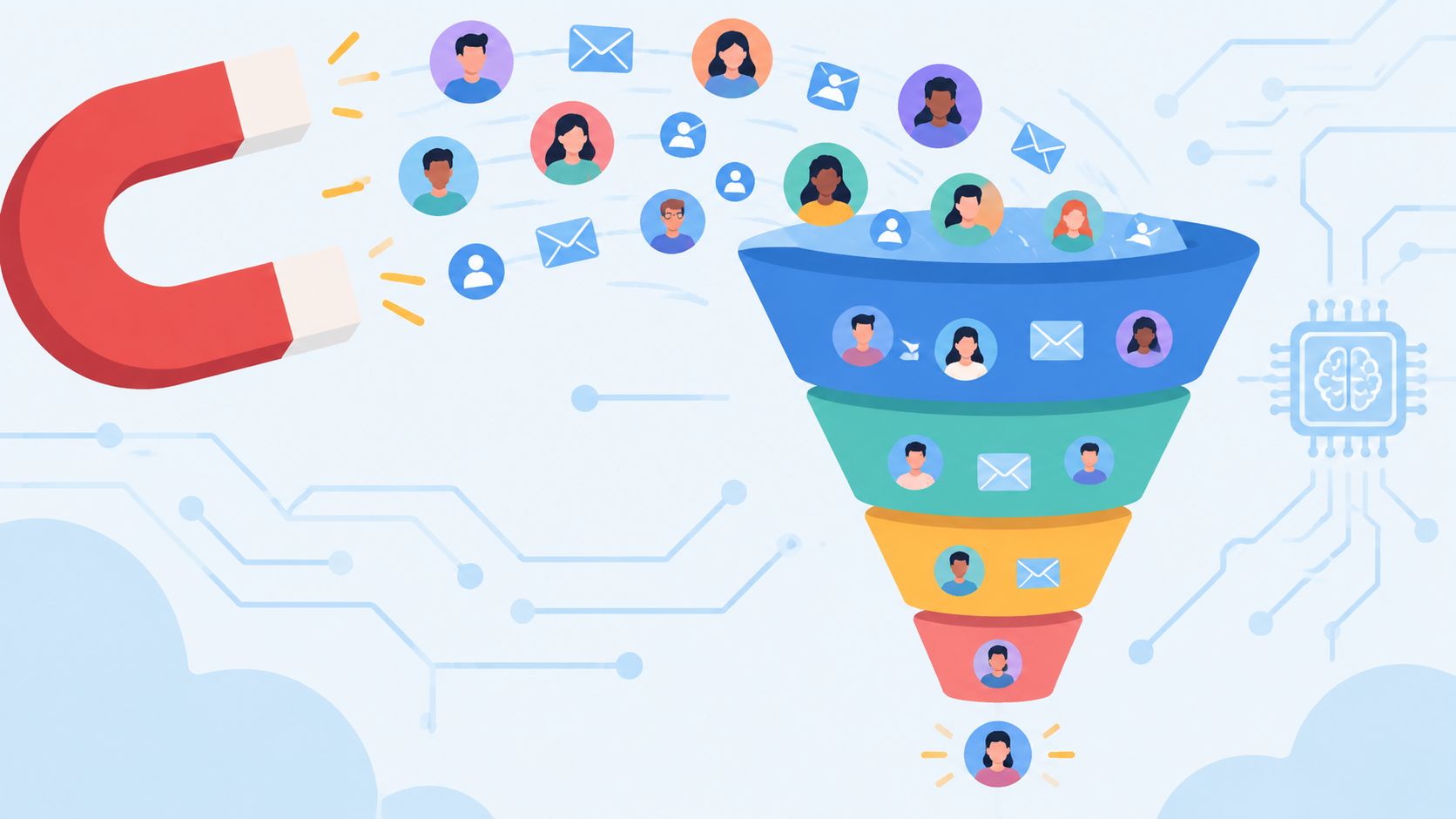
That's the mistake. Lead generation on Instagram isn't about publishing attractive content and hoping interested people figure out the next step. It's about building a connected system that moves someone from attention to intent, then from intent to capture, then from capture to qualification and follow-up. If those layers don't connect, you get noise instead of revenue.
That matters because Instagram is too large, and too commercially relevant, to treat casually. By early 2025, Instagram had over 2 billion monthly active users, with 1.74 billion reachable through ads, giving paid lead capture access to roughly 37% of the world's internet users according to Sked Social's Instagram statistics roundup. The same source notes that 90% of users follow at least one brand, which is why Instagram remains one of the clearest places to turn attention into demand.
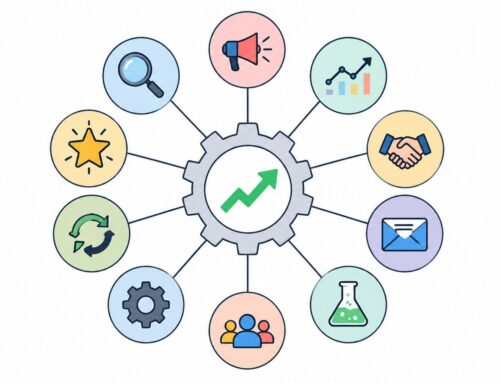
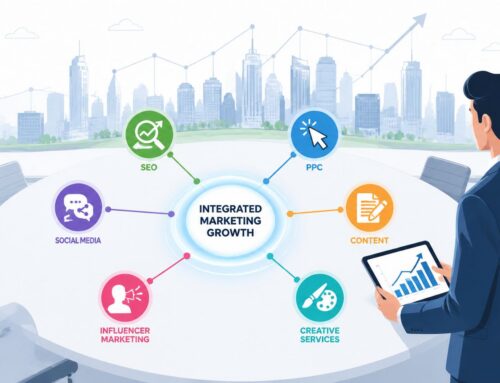
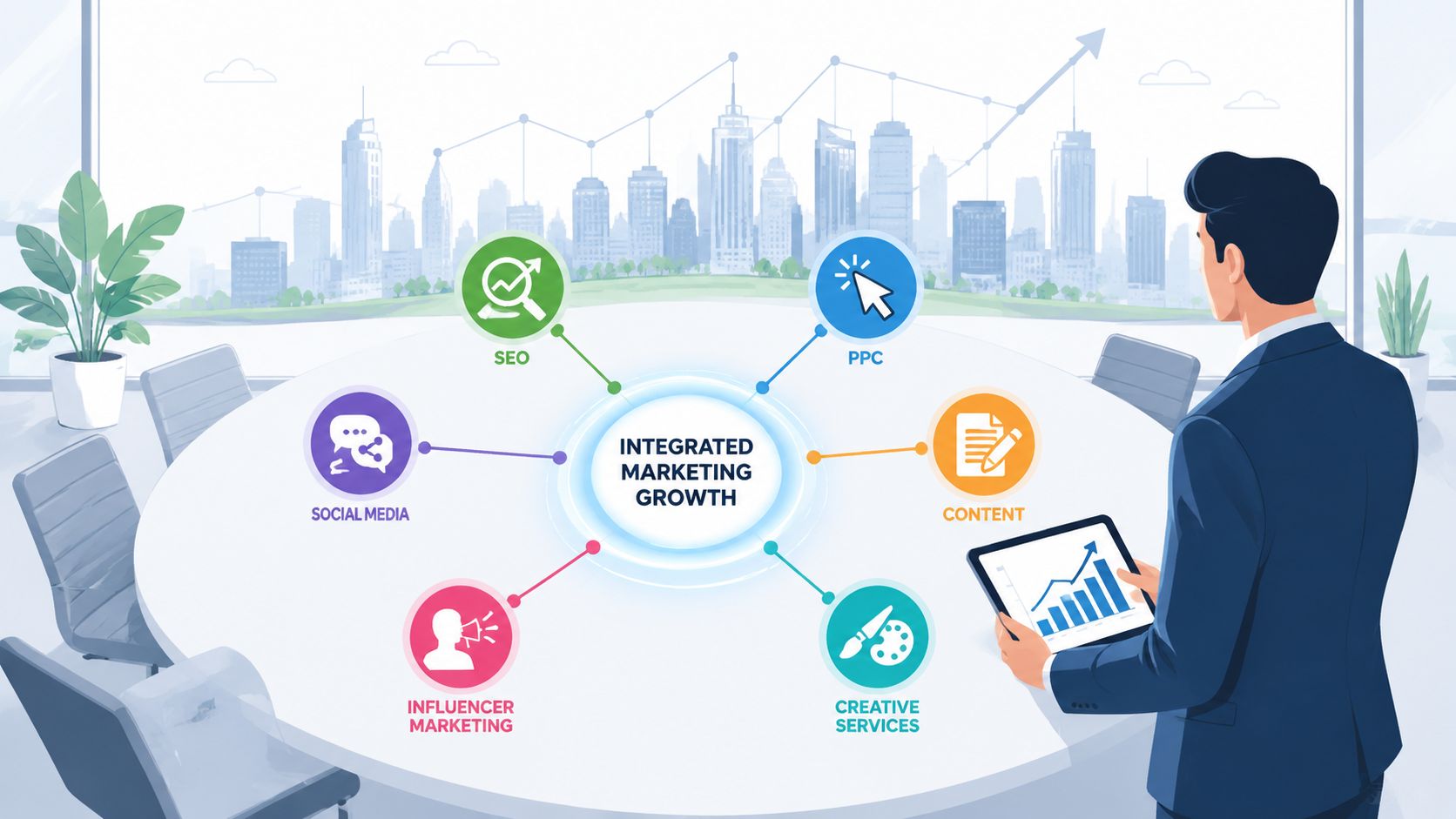
A lot of teams already know the surface tactics. They've read about bio links, lead magnets, story stickers, and ad forms. What usually gets missed is system design. The businesses that win here treat Instagram less like a content channel and more like a response engine. They combine organic content, DM automation, qualification logic, CRM routing, and paid distribution into one operating model. If you need a broader primer on multichannel thinking, these effective lead generation tactics are a useful companion read.
The Shift from Likes to Leads on Instagram
Likes are easy to admire because they're visible. Leads are what matter because they create work for sales, customer success, and revenue teams.
The shift starts when you stop asking, “Did this post perform?” and start asking, “Did this post produce identifiable buying intent?” Those are different questions. A Reel with broad entertainment value may spike engagement and still bring in weak prospects. A carousel that speaks to a narrow pain point may look quieter on the surface and produce far better conversations.
Why engagement-first thinking breaks down
Instagram rewards content people interact with, but your business doesn't get paid in comments alone. If there's no path from content to action, the account becomes a media property, not a lead engine.
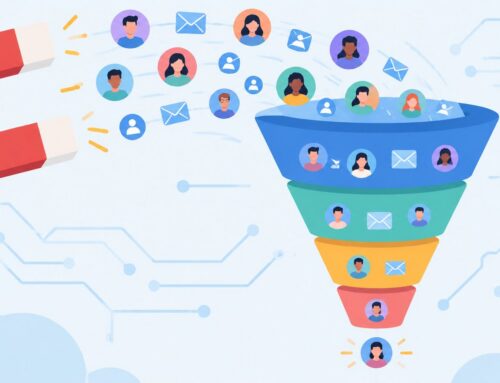
That's why we frame Instagram around four connected motions:
- Attention: Reels, carousels, stories, and creator content attract the right people.
- Intent: A specific CTA asks for a response, usually a keyword comment, story reply, or ad form submission.
- Capture: DM automation, native forms, or a landing page collects the lead.
- Routing: The lead goes somewhere usable, with context attached, so the team can qualify and follow up.
Instagram works best when content is designed to trigger a response, not just earn approval.
What a serious system looks like
A real Instagram lead system has clear handoffs. The content team knows the CTA. The automation layer knows what to send. The CRM knows where to store the lead. The sales team knows how to prioritize it.
That's where many brands stall. They capture attention, sometimes even contact information, but they don't define what should happen next. The result is familiar. Leads sit in DMs. Native form submissions lack context. Sales teams complain about quality. Marketing claims volume. Nobody trusts the channel.
When you fix that, Instagram becomes much more useful. Not because the app changed, but because your process did.
Optimize Your Profile for Lead Capture
Most profiles are built like brand billboards. A lead-generating profile should work like a landing page.
When someone lands on your Instagram profile, they should understand three things fast: who you help, what you help them do, and what action they should take next. If any of those are vague, curiosity dies at the profile level.
Turn the profile into a conversion surface
Start with the fields people overlook.
Your name field should help with search visibility and clarity. If your brand name is abstract, pair it with the category or offer people look for. Your bio should state the outcome, not just the identity of the business. “Helping service brands book more qualified demos” is stronger than a generic slogan because it tells the visitor what changes for them.
Your profile photo should reduce doubt. For founder-led brands, that often means a clean headshot. For companies, it usually means a recognizable logo with strong contrast at mobile size.
Use this simple profile test:
| Profile element | What it should answer |
|---|---|
| Name field | What do you do |
| Bio line one | Who do you help |
| Bio line two | What outcome do you create |
| CTA line | What should they do next |
| Link destination | Where does intent go now |
Build a link path, not just a link
The biggest profile mistake isn't weak design. It's dead-end navigation.
A visitor who taps your bio link should not land on a generic homepage and be forced to hunt. Send them to a focused destination: a scheduler, a short-form lead magnet page, a consultation page, or a mini hub with a small number of clear choices. Each option should map to a buyer state.
Practical rule: every profile CTA needs a matching destination with one obvious next action.
This is also where qualification starts. Many Instagram playbooks focus on capturing leads but don't show teams how to qualify and route them. As Folk notes in its Instagram lead generation guide, lead generation only works when each layer connects, including a clear path into a CRM so teams can track lead quality, not just volume.
Qualify before the inbox gets messy
Your profile shouldn't attract everyone. It should attract the right kind of inquiry.
That means your bio link structure and CTA copy should signal fit. If you serve local service businesses, say that. If you only work with ecommerce brands, make it visible. If your process starts with a brief intake form, use it to collect one useful qualifier before the conversation reaches sales.
For brands doing outbound enrichment or list-building alongside Instagram, it also helps to understand adjacent data workflows such as Instagram email scraping methods, especially if you're thinking about how profile and website data fit into broader prospecting systems. On the organic growth side, this guide on how to grow Instagram followers organically is useful because better audience quality makes every downstream lead action easier.
A strong profile doesn't close the deal. It keeps high-intent visitors from slipping away before the funnel even starts.
Content Strategies for High-Intent Leads
Content for lead generation should do more than teach or entertain. It should reveal who has a problem now.
That changes how you plan your calendar. Instead of asking what might go viral, ask what kind of content will make the right person self-identify. On Instagram, the best formats for this are usually Reels, Stories, and Carousels. Each one plays a different role in intent discovery.

Use Reels to pull the right problem into view
Reels are your broadest attention format, but they shouldn't be broad in message. The highest-quality Reels call out a specific pain point, bottleneck, or misconception your buyer already recognizes.
A few examples of useful Reel angles:
- Operational pain: why inbound leads go cold after the first reply
- Strategic pain: why low-friction forms create volume but weak sales conversations
- Tactical pain: what breaks when the CTA lives at the end of the caption instead of the beginning
The CTA matters as much as the hook. If you want a direct response, ask for one. “Comment GUIDE” or “Reply AUDIT” works better than vague awareness language because it turns passive consumption into a measurable signal.
Use Stories to segment interest in public
Stories are ideal for lightweight qualification because they let people raise their hand without much commitment. Polls, questions, sliders, and reply prompts make intent easier to spot before you push for a form fill or call booking.
The key is to write prompts that segment, not just entertain.
Try prompts like these:
- Problem-based poll: “Are your Instagram leads going into a CRM or staying in DMs?”
- Readiness-based question: “Need a checklist for your lead funnel?”
- Offer-based reply CTA: “Reply ‘form' if you want our lead ad setup template.”
These interactions give you context. A story reply from someone reacting to a specific problem is more useful than a generic like on a feed post.
Use Carousels to compress expertise
Carousels work well when you need to teach enough to build trust, then convert that trust into a next step. Think of them as micro-guides. Each slide should move the reader toward a practical conclusion that naturally opens the offer.
A simple structure works well:
- Slide one states the costly mistake.
- Middle slides explain the fix in plain language.
- Final slide offers a resource, template, audit, or checklist via comment or DM.
Good lead-gen content doesn't just prove you know the topic. It gives the prospect a reason to identify themselves.
Match format to intent
Not every piece of content should ask for the same action. As a result, many teams flatten performance by using one CTA for everything.
| Format | Best use | Strong response signal |
|---|---|---|
| Reels | Attention around a pain point | Keyword comment |
| Stories | Fast segmentation | Poll vote or reply |
| Carousels | Education and trust | DM for deeper resource |
The goal isn't to make every post feel salesy. It's to make sure your best content creates a path for people who are ready to act.
Build a High-Converting Automated DM Funnel
The cleanest organic lead system on Instagram today is usually a comment-to-DM workflow. Someone sees a post, comments with a keyword, receives an automated message, gets the promised asset or next step, and then moves into a follow-up sequence that qualifies them further.
That system works because it shortens the distance between interest and action while keeping the user inside Instagram for the first step.

The operating sequence that actually holds up
A technically sound Instagram DM funnel follows a four-stage sequence: attract attention, trigger intent, capture through automated DM, and nurture. A practical example from ReplyRush's Instagram lead generation workflow uses a keyword CTA in the first 125 characters of the caption, then a 3-message DM sequence sent immediately, again at 40 minutes, and again at 22 hours. The same workflow recommends checking trigger count, delivery rate, and link-click rate after the first 24 hours to find where the funnel is leaking.
That's the part teams often skip. They launch the automation, see some comments, and assume the system is working. It might not be. If the trigger fires but the message doesn't land well, the breakdown isn't content. It's delivery or message design.
Write DMs for continuation, not closure
The first DM should deliver the promised thing fast. Don't make people work for the asset they asked for.
A practical sequence looks like this:
Immediate message
Acknowledge the action, deliver the promised guide or link, and keep the language short.Second message at 40 minutes
Ask a lightweight question tied to the original problem. You begin qualification at this point.Third message at 22 hours
Re-open the conversation with a concrete next step, such as a call, form, or reply prompt.
Here's the strategic nuance. Not every lead should get the same path. Some offers need low friction because speed matters. Others need what I'd call positive friction, a small qualifier that improves sales efficiency.
Decide where to add friction
Low-friction capture often increases response volume. It also creates more noise. The trade-off matters.
Recent guidance on Instagram lead generation increasingly points to that tension. Frictionless capture through DMs and native forms is central to newer strategies, but better systems often add a small amount of qualification to improve sales efficiency rather than maximizing raw volume, as discussed in Sked Social's Instagram lead generation guide.
Use this decision table:
| Situation | Better choice |
|---|---|
| Broad top-of-funnel lead magnet | Direct link in first DM |
| Service inquiry with limited team capacity | Ask one qualifying question first |
| Higher-ticket offer | Route to intake form or scheduler |
| Simple productized service | Deliver offer, then ask about timing or need |
A single qualifier is often enough. Ask about use case, team size, service need, or timeline in plain English. Don't turn DMs into a long-form survey.
For teams building more advanced handoffs, this guide to marketing automation workflows is useful because the Instagram DM is only one node in the larger process.
This video gives a useful visual overview of how the DM motion can be structured in practice.
What breaks most DM funnels
The usual problems aren't technical bugs. They're setup choices.
- Weak trigger language: if the keyword ask is buried, fewer qualified people act.
- Overeager messaging: if the first DM feels like a hard sell, replies drop.
- No routing plan: if leads stay in Instagram with no CRM handoff, the team loses context.
- No diagnosis window: if you don't review trigger count, delivery rate, and link clicks early, you won't know what failed.
Treat the DM funnel like a sequence with checkpoints, not a one-time automation.
That mindset changes the outcome. A DM system isn't valuable because it automates outreach. It's valuable because it gives you a repeatable way to capture intent, qualify it, and move it into a process the business can manage.
Accelerate Growth with Paid Instagram Lead Ads
Organic systems help you learn what message and offer create response. Paid lead ads let you scale that learning.
The biggest paid mistake on Instagram is choosing the wrong campaign objective. Teams often run Traffic because they want site visits or Engagement because they want social proof. Both can create movement without creating leads. If the actual goal is contact capture, the campaign should say so.

Pick the objective that matches the job
For paid lead generation on Instagram, the most important technical lever is Meta's Lead Generation objective because it optimizes for form fills instead of clicks, according to Zeely's Instagram lead generation guide. The same workflow recommends starting with broad Advantage+ placements, then narrowing to Instagram Feed and Stories after you know where lead quality is coming from. It also advises using a short form with one qualifying question, capping frequency around three impressions per week, and keeping reporting consistent with a 7-day click / 1-day view attribution window.
That setup reflects how paid systems mature. In the beginning, you want signal from multiple placements. Later, you want cleaner control once the source mix is clear.
Build the form for quality, not just completion
Native lead forms are powerful because they reduce friction. They're also dangerous if you use them lazily.
A short form usually performs best, but short doesn't mean empty. Ask for the essential contact details, then include one qualifier that helps the next team make sense of the inquiry. This is especially important for service businesses, agencies, consultancies, and any offer where fit matters more than pure volume.
A strong form setup usually includes:
- A clear promise: what the user gets after submitting
- One qualifier: enough context to route or prioritize the lead
- A privacy line: short and direct
- A thank-you screen: tells the prospect what happens next
The thank-you screen shouldn't be filler. It should set the next expectation clearly.
Creative that feels native usually wins
The ad itself should feel close to what already works organically. If your organic Reels produce comments and DMs around a specific problem, adapt that framing into a paid asset. Don't jump straight into polished corporate creative if the audience responds better to direct, problem-led messaging.
Teams often overcomplicate things. The ad doesn't need to say everything. It needs to create enough relevance for the right person to submit.
A practical paid structure looks like this:
| Ad component | What to prioritize |
|---|---|
| Creative | Native-looking visual tied to one problem |
| Primary text | Short copy with one promise |
| Form | Minimal fields plus one qualifier |
| Thank-you screen | Immediate next step or expectation |
What not to do
Some choices raise lead costs without improving quality.
- Don't use Awareness for lead capture. The algorithm will optimize for attention, not submissions.
- Don't use Traffic if your primary goal is form fills. You'll usually attract clickers, not completers.
- Don't stuff the form with too many questions. You only need enough information to route and prioritize.
- Don't judge performance by lead count alone. Lead quality has to survive the handoff.
If you already have a validated offer, strong creative, and a clear routing process, paid Instagram lead ads can become the fastest way to scale what's already working.
Using Creators and Influencers for Leads
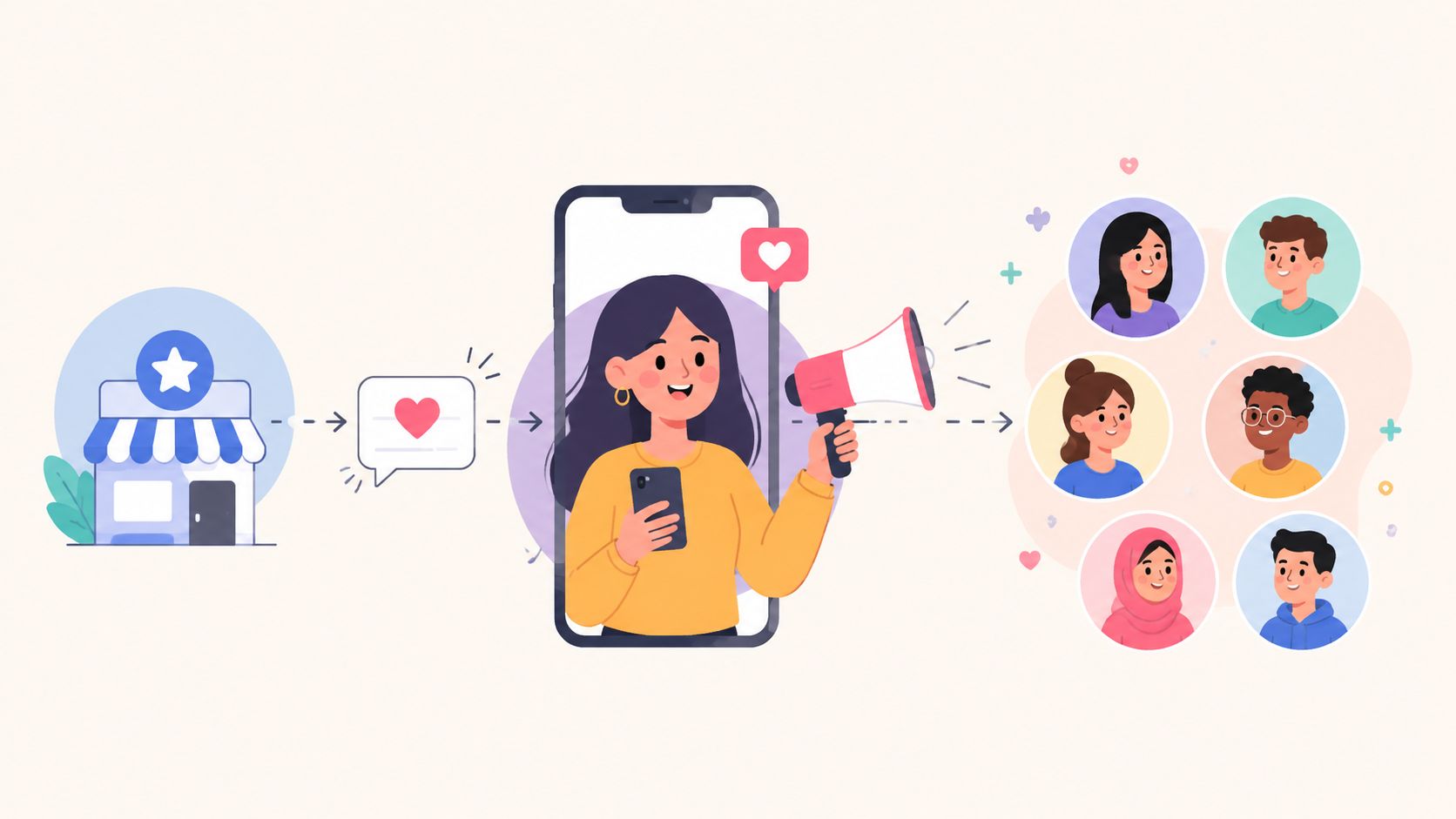
Most influencer campaigns fail as lead generation programs because they're built for exposure. The brand buys content, the creator posts it, and everyone stares at impressions. That's useful for awareness. It's weak for pipeline unless the collaboration is designed around an action.
A better approach is to treat creators as distribution partners for a specific lead path. The path might be a lead magnet, webinar registration, consultation request, product quiz, waitlist, or DM trigger. What matters is that the collaboration asks the audience to do something measurable.
Choose creators with the right audience behavior
Audience fit matters more than creator size.
The best partners aren't always the loudest or the most polished. They're the ones whose followers trust them enough to act. For lead generation on Instagram, I'd rather work with a creator whose audience regularly asks questions, replies to stories, and clicks through on practical recommendations than one with a flashy but passive following.
Use a few filters when evaluating creators:
- Relevance: does the creator speak to the problem your buyer already has
- Audience language: do comments show practical interest or just surface praise
- Offer fit: can the creator naturally introduce your resource or next step
- Friction tolerance: will this audience submit a form, or do they need a DM-based path first
The last point matters because there's a real trade-off between low-friction native capture and lead quality. Current guidance increasingly stresses that while DMs and native forms are central to newer Instagram strategies, stronger systems add small points of qualification to reduce noise and improve sales efficiency, as discussed in the earlier Sked Social reference.
Structure the partnership around a response
A creator brief should look more like a performance brief than a sponsorship memo.
Give the creator one offer, one audience angle, and one response path. If the campaign is built around a lead magnet, provide a dedicated landing page or tracked link. If the campaign is built around DMs, define the keyword and the automation sequence in advance. If the campaign is built around an event, make the registration path obvious and easy to explain on camera.
A few collaboration models work especially well:
| Model | Best for |
|---|---|
| Creator promotes lead magnet | Early-stage demand capture |
| Co-hosted live or webinar | Mid-intent education |
| Creator-led DM keyword CTA | Fast in-app response |
| Offer-specific landing page | Clear attribution and routing |
For teams building this channel more deliberately, this resource on how to create an influencer marketing strategy can help map creators to funnel roles rather than treating every partnership the same.
Pay for alignment, not just posting
Compensation should match the goal. Flat fees are fine when the creator's role is distribution and content production. If you're asking for a measurable action and can track it cleanly, performance-based structures can make sense too. The key is to avoid forcing a creator into a hard-sell script their audience won't trust.
A creator campaign becomes valuable when it produces qualified inquiries, not when it merely looks active on the feed.
Measure and Optimize Your Instagram Lead System
Most Instagram lead systems don't fail because the tactic was wrong. They fail because nobody measured the handoffs.
A usable dashboard should show where people drop between exposure, response, capture, qualification, and conversion. If you can't see the break, you can't fix it. That's why the health of the system matters more than any single vanity metric.

Track the funnel by stage
At minimum, monitor these layers:
- Top of funnel: reach, impressions, comments, story replies, poll responses
- Mid funnel: DM starts, message delivery, link clicks, form submissions
- Bottom of funnel: qualified leads, booked calls, sales conversations, closed customers
This doesn't require expensive tooling at the start. A spreadsheet can work if the team updates it consistently. A CRM is better once volume grows because it preserves source data and follow-up history.
Diagnose the leak, not just the symptom
A few examples make this easier:
- Strong content response, weak DM starts: the CTA is unclear or the trigger is buried.
- Good DM starts, weak clicks: the first message is confusing or the offer is weak.
- High form volume, poor qualification: the capture is too easy and the qualifier is missing.
- Good lead quality, weak close rate: the issue may be sales follow-up, not Instagram.
If the system produces attention but not usable opportunities, the problem is usually in the handoff between stages.
If you're testing ways to boost Instagram engagement, treat that as an input metric, not the final outcome. More engagement only helps if it increases the number of qualified responses entering your system.
The point of measurement isn't reporting. It's control. Once you know which layer is underperforming, Instagram stops feeling unpredictable and starts behaving like a channel you can optimize.
ReachLabs.ai helps brands build connected digital marketing systems that tie content, paid media, automation, and qualification together. If you need a practical setup for lead generation on Instagram that routes cleanly into sales and CRM workflows, ReachLabs.ai is one option to evaluate.