
So, you're thinking about hiring an Instagram ads agency. What do they actually do?
At its core, a specialized Instagram agency is your dedicated growth partner for the platform. They're a team of strategists, creatives, and data analysts who live and breathe the Instagram ecosystem. Their entire focus is on transforming your advertising budget into measurable profit, taking you far beyond simple post boosts and into the world of sophisticated, data-driven campaigns.
Why Bring in an Instagram Ads Agency?

If you've ever stared at Instagram's massive potential and felt a gap between its promise and your actual sales, you're not alone. This is exactly where an agency stops being a "cost" and becomes a strategic investment in your growth.
Let's be clear: navigating Instagram successfully in 2026 is a different ballgame. The days of simply hitting the "Boost Post" button and hoping for the best are long gone. It’s a full-blown commercial engine, and you need an expert at the controls.
The Sheer Scale of the Opportunity
The numbers don't lie. Instagram is a commercial juggernaut. In 2025, the platform pulled in an incredible $83.6 billion in revenue, which was a 25% leap from the previous year. Projections for 2026 are already pushing past $85 billion.
For U.S. businesses, the picture is even clearer. Ad revenue here is expected to hit $42.52 billion in 2026—potentially making up over half of Meta's total ad income. This isn't just passive scrolling; it's a hotbed of commercial activity driven by features like Reels and seamless in-app shopping. This is where your customers are. An agency knows how to make sure they find you.
To put this in perspective, here's a quick look at the metrics that truly matter for businesses on the platform today.
Key Instagram Metrics for Businesses in 2026
| Metric | Statistic | Business Implication |
|---|---|---|
| Daily Active Users | 1.4 Billion+ | Your audience is on Instagram every single day. Consistent, targeted ads can capture their attention during their routine. |
| Time Spent | Avg. 30+ minutes/day | You have a significant window to make an impression. Engaging creative is key to holding that attention. |
| In-App Shopping | ~44% of users shop weekly | Users are primed to buy directly on the platform. A frictionless path from ad to checkout is non-negotiable. |
| Ad Reach | ~2.5 Billion users | The potential to reach new audiences is vast, but requires sophisticated targeting to be cost-effective. |
These figures show that Instagram isn't just a social network; it's a global marketplace. An agency’s job is to turn that raw potential into your bottom line.
Moving Beyond Simple Metrics
One of the most common pitfalls I see is businesses celebrating likes and follows. While these "vanity metrics" feel good, they don't keep the lights on. The real challenge—and where a great agency proves its worth—is converting all that platform activity into tangible business outcomes.
An experienced Instagram ads agency shifts the entire conversation away from vanity metrics. They’re focused on answering the questions that matter: "How do we lower our cost per lead?" and "What is our actual return on ad spend (ROAS)?"
This requires a deep dive into analytics, a nuanced understanding of audience behavior, and a relentless commitment to testing creatives and messaging. Honestly, it’s a full-time job that demands a very specific skill set—one that many in-house teams simply don't have the bandwidth for. For a deeper look at this, you can explore the key differences between organic and paid social media strategies.
A top-tier agency handles the entire lifecycle of your campaigns:
- Strategic Planning: They start by aligning your ad campaigns with your core business goals, whether that's generating qualified leads for a B2B service, driving direct e-commerce sales, or boosting app downloads.
- Creative Excellence: They develop the visuals, videos, and copy that don't just stop the scroll but also compel a user to take a specific action.
- Audience Mastery: This is where the magic happens. They use advanced targeting to find your ideal customers, building everything from broad lookalike audiences to complex, multi-touch retargeting funnels.
- Constant Optimization: The work doesn't stop at launch. They are in the data every single day, making small tweaks and big pivots to ensure every dollar of your ad spend is working as efficiently as possible.
Ultimately, hiring an agency is about bringing in a team of specialists who are as committed to your growth as you are. They bring the experience, the tools, and the singular focus needed to unlock what Instagram can really do for your business. The question quickly changes from, "Can we afford this?" to, "How did we ever manage without it?"
How to Vet an Agency’s Creative and Targeting Skills

When you’re looking for the right Instagram ads agency, it all comes down to two things: their creative firepower and their targeting intelligence. Any agency can show you a slick portfolio. The real pros, however, can show you the process behind the posts.
You have to dig deeper than the highlight reel. The true value of a great agency is its knack for blending art and science—creating visuals that stop the scroll and aiming them with pinpoint accuracy at the people who will actually buy.
Let's walk through how you can kick the tires on both of these critical skills.
Evaluating Creative Strategy Beyond the Portfolio
A flashy portfolio is just the beginning. The real question isn't "Can you make pretty ads?" but "Can you explain the strategic thinking that made those ads work?" Your job is to uncover their system for creating and testing ads that don't just look good, but actually move the needle on your business goals.
Don't let them get away with vague answers. Push past the surface-level pitch with pointed questions that reveal how they really operate.
- "Show me a campaign where you had to balance strong branding with direct response goals. What was the outcome?" This question forces them to show they can build your brand while making you money.
- "Walk me through your creative testing methodology. How many concepts do you typically test before scaling a winner?" You’re looking for a structured, data-backed process, not just gut feelings and guesswork.
- "How do you approach creating ads for different placements like Reels, Stories, and the main Feed?" This separates the experts from the amateurs. A one-size-fits-all approach is a massive red flag.
Speaking of fundamentals, make sure they have a rock-solid grasp of the basics, like the correct Instagram post format for every placement. It’s a small detail that speaks volumes about their professionalism and attention to detail.
A great Instagram ads agency doesn’t just make pretty pictures. They build visual and copy systems designed for testing. They know that the first idea is rarely the best one, and they have a framework to iterate quickly toward what actually works.
Unpacking Advanced Targeting Capabilities
Now for the other side of the coin: targeting. This is where a good agency becomes a great one, and it’s what will ultimately drive the efficiency and profitability of your campaigns. While they won’t give away all their secret sauce, they should be able to speak fluently and confidently about their approach.
You need to know they can do more than just scratch the surface with basic interest targeting. Their expertise here directly impacts your cost per acquisition and return on ad spend (ROAS).
Key Targeting Tactics to Discuss
A true expert should be well-versed in these strategies. Ask for specific examples of how they’ve put these concepts to work for other clients.
Lookalike Audience Stacking
This is way more than just creating a lookalike from your master customer list. The best agencies "stack" their lookalikes by layering audiences from different high-value sources. Think about a lookalike audience built not just from purchasers, but from your top 25% video viewers, high-AOV customers, or engaged email subscribers. Ask them how they segment these source audiences to find new, highly qualified customers.
Multi-Layered Retargeting Funnels
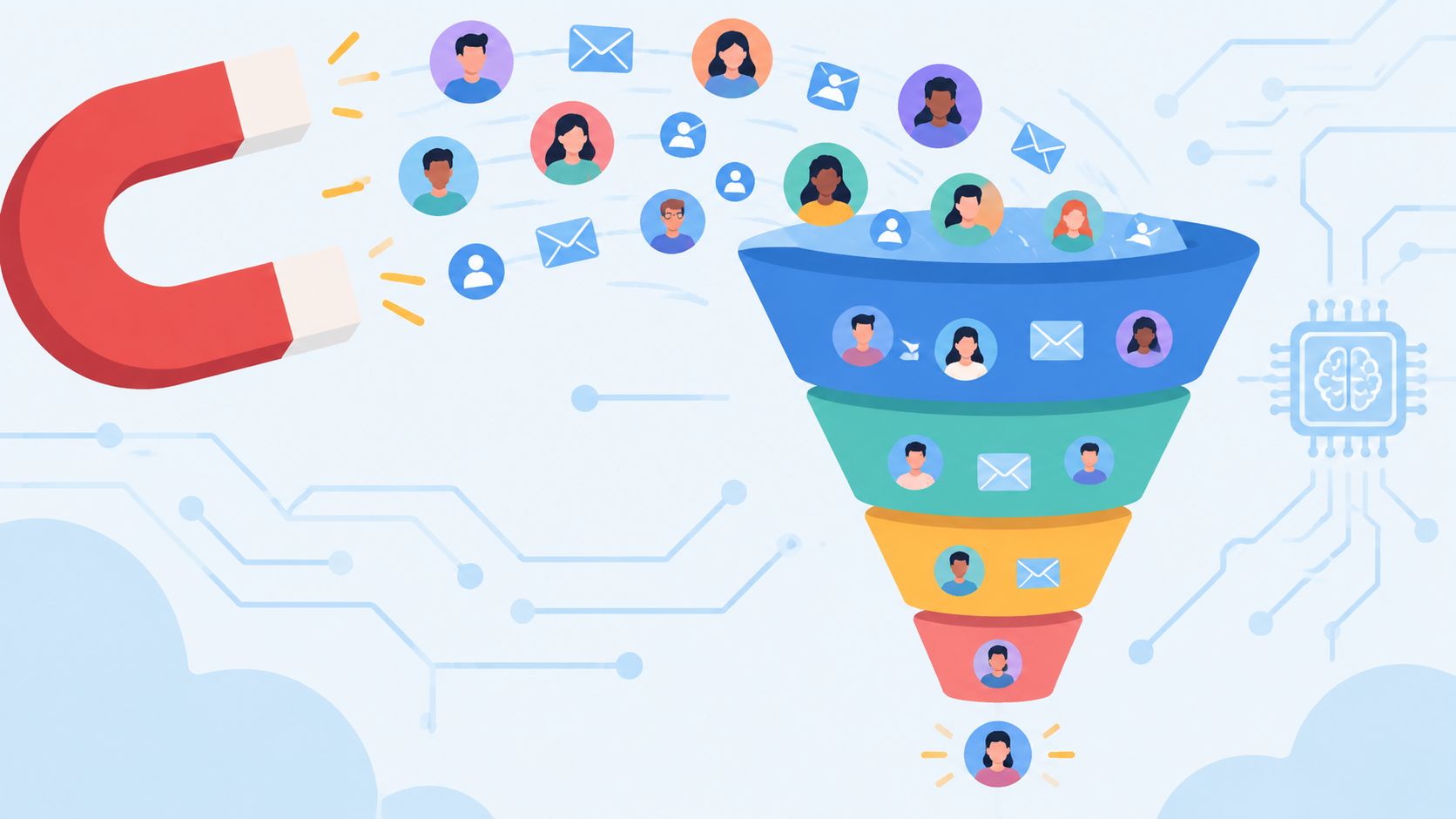
A single "website visitor" retargeting campaign is lazy. A sophisticated strategy involves building tiered funnels based on actual user behavior. For instance:
- Top of Funnel: People who engaged with an ad but never clicked through.
- Middle of Funnel: People who visited specific product pages but didn't add anything to their cart.
- Bottom of Funnel: Shoppers who abandoned their cart in the last 7 days.
Each of these segments needs a completely different message. Challenge them to sketch out a retargeting funnel they've built for a past client. For more on how data shapes these funnels, check out our deep dive on how to use Instagram Insights.
Granular Interest and Behavior Segmentation
Broad interests like "fitness" won't cut it. An expert will go deeper, combining niche interests (like "CrossFit" AND "organic supplements") with specific behaviors (like "Engaged Shoppers"). This creates a laser-focused profile of your ideal customer. Ask them about their research process for finding these powerful audience combinations.
By grilling a potential agency on these specifics, you shift the dynamic from a sales pitch to a strategic working session. How they handle that conversation is often the best preview of the results you can expect.
Essential Questions to Ask Before You Hire
Choosing the right Instagram ads agency is a huge decision. Get it right, and you’ve found a growth partner. Get it wrong, and you're looking at wasted budgets and missed opportunities.
The interview process is your chance to see beyond the slick sales deck. Forget asking vague questions like, "What results can you get me?" Anyone can promise the moon. Instead, you need to dig deep into their actual process, how they think strategically, and—most importantly—how they react when things go wrong.
These questions are designed to help you do just that. We've broken them down by category to help you run a focused interview that uncovers their true capabilities.
Questions About Strategy and Process
This is where you separate the real strategists from the button-pushers. A great campaign is built on a solid strategic foundation, so you need to understand exactly how an agency thinks and operates before you sign anything.
A truly confident agency will have no problem with these kinds of questions. In fact, they should welcome them.
"Walk me through a campaign that missed its initial KPIs. What happened, and how did you turn it around?"
This is my favorite question to ask. It immediately reveals their transparency, problem-solving ability, and how they perform under pressure. Advertising isn't always a straight line to success; failures happen. What you care about is how they learn and adapt."How do you decide on the initial ad spend for a new client's testing phase, and how do you justify that budget?"
A guess or a "standard package" price is a red flag. A smart answer will be rooted in data. They should be talking about your industry's average CPCs, your specific revenue goals, and what it takes to gather statistically significant data without burning through cash."What third-party tools do you rely on beyond Meta's own platform?"
This gives you a peek into their tech stack and operational maturity. An agency that invests in specialized software for advanced analytics, creative automation, or project management is usually more sophisticated and efficient.
Unpacking Reporting and Communication
A great agency relationship is built on trust, and trust is built on clear communication. You have to know precisely how they define success and how often (and how clearly) they'll be keeping you in the loop. Vague promises about reporting are a non-starter.
Don't just accept, "We send a monthly report." You need to know what's in it, who sends it, and what the day-to-day communication feels like.
The real value in reporting isn't the raw data; it's the story the data tells. A top-tier partner won't just email you a spreadsheet. They'll give you a clear narrative explaining what the numbers mean for your business and what the next strategic moves should be.
Here's how to get the clarity you need:
"Can you share a sanitized example of a client report?"
This is non-negotiable. It’s your only way to see what they actually track. Are they focused on real business metrics like ROAS and CPA, or are they trying to distract you with vanity metrics like likes and impressions?"What does your standard meeting and communication rhythm look like? And who will be my main point of contact?"
Set these expectations from day one. Are there weekly check-ins? Who do you call when something is urgent? Knowing you have a dedicated account manager, not a generic support email, can make all the difference."How do you handle budget changes mid-campaign? If we see something working, how fast can we scale up?"
This question tests their agility. You want an agency that's proactive, not reactive. They should have a clear process for doubling down on winning ads or pulling budget from underperformers on the fly. You can't afford to miss an opportunity or waste spend waiting for a monthly review.
Understanding Agency Pricing and Performance Metrics
Let's get down to brass tacks: the money. Choosing an Instagram ads agency is a significant investment, so it’s crucial to understand exactly how they structure their fees. Agency pricing can sometimes feel like a black box, but it doesn't have to be.
Knowing the different models helps you align the agency’s financial incentives with your own business goals. After all, you’re not just paying for a service; you’re paying for results.
Decoding Common Agency Pricing Models
Most agencies stick to a few core pricing structures. The right fit for you will really depend on your budget, your growth goals, and how much risk you're comfortable with. A flat retainer gives you predictability, whereas a performance model means the agency only makes big money when you do.
Percentage of Ad Spend: This is probably the most common model you'll see. The agency takes a cut of your monthly ad budget, usually somewhere between 15% to 30%. It’s simple to calculate, but you need to be sure the agency is focused on efficiency, not just on cranking up your spend.
Flat Monthly Retainer: Simple and predictable. You pay a fixed fee every month, no matter what your ad spend is. This is perfect for businesses that need consistent strategic input and want to lock in their monthly marketing costs.
Performance-Based Fees: Here, the agency’s pay is tied directly to results. This could be a percentage of the revenue they generate or a fixed bounty for every lead. It creates a powerful partnership, but it often comes with a higher base fee or a bigger potential payout if your campaigns take off.
An agency's internal efficiency can tell you a lot about its value. A team that runs like a well-oiled machine, often using tools like a dedicated creative agency project management software, can manage campaigns more effectively, which ultimately benefits your bottom line.
To make it easier to see how these stack up, here’s a quick comparison of the most common fee structures.
Comparing Instagram Ads Agency Pricing Models
This table breaks down what you can expect from each model, helping you decide which one aligns best with your company's needs.
| Pricing Model | How It Works | Best For | Potential Downside |
|---|---|---|---|
| Percentage of Ad Spend | Agency fee is 15-30% of your monthly ad budget. | Businesses with large, scaling budgets who trust the agency to manage spend efficiently. | Can incentivize increased spending rather than focusing purely on efficiency and ROAS. |
| Flat Monthly Retainer | You pay a fixed, predictable fee every month. | Companies needing consistent service and predictable monthly marketing expenses. | The fee is fixed even if ad spend is low or campaigns are paused for a period. |
| Performance-Based | Agency is paid based on results (e.g., % of sales, per lead). | Businesses with clear conversion goals and high confidence in their product/market fit. | Can be more complex to track and may lead to higher overall costs if campaigns are very successful. |
Choosing a model is about finding that sweet spot between risk and reward, for both you and your agency partner.
Setting Realistic Performance Benchmarks
Okay, you've sorted out the pricing. Now, how do you know if you're actually getting your money's worth? Without clear benchmarks, you're just flying blind. While performance varies from one industry to the next, having a solid grasp of key performance indicators (KPIs) is non-negotiable for evaluating proposals and setting goals with your agency.
Don't let an agency dazzle you with vanity metrics. The numbers that truly matter are those tied directly to your business objectives—Return on Ad Spend (ROAS) and Cost Per Acquisition (CPA).
Here are a few realistic benchmarks you can use as a starting point for 2026:
Click-Through Rate (CTR): For Instagram feed ads, an average CTR is usually between 0.8% and 1.5%. If you’re seeing anything above 2%, you’re in great shape.
Cost Per Click (CPC): This can be all over the map depending on your industry. A general average falls between $1.50 and $3.00, but don’t be shocked if it’s much higher in a really competitive space.
Cost Per Mille (CPM): Your cost to reach 1,000 people typically lands somewhere between $8 to $15. Your specific audience and the quality of your creative will push this number up or down.
Just remember, these are industry averages. A top-tier agency should be able to give you benchmarks tailored to your specific market—and then work like hell to beat them.
For a deeper dive into fee structures and what you can expect to pay, check out our complete guide on digital marketing agency pricing. The end goal is a transparent partnership built on clear financial terms and a shared drive for outstanding results.
What a Successful Onboarding Process Looks Like
Signing the contract is just the starting line. The first 90 days you spend with a new Instagram ads agency are absolutely critical—they set the tone and foundation for the entire partnership. A smooth, well-organized onboarding process isn't just a nice perk; it’s a direct reflection of the agency’s professionalism and strategic depth.
A great agency doesn't just hit the ground running. They build the runway first. This means getting all the technical and strategic pieces locked in before they touch a single dollar of your ad budget. Think of this initial phase as a period of deep alignment, access, and asset collection.
Kicking Things Off the Right Way
The very first move should be a formal kickoff meeting. This is not a quick "hello" call. It’s a deep-dive strategy session designed to get both teams perfectly in sync. Honestly, a well-run kickoff is one of the clearest signs you’ve hired a pro.
So, what should actually happen in this meeting?
- Goal Alignment: The agency should be able to play back your core business objectives (like "hit a 3x ROAS on our new collection" or "bring in 150 qualified leads per month for the sales team") to prove they understand the mission.
- Account Access: They will walk you through granting them "Partner Access" via your Meta Business Manager. This is key: they should never ask for your personal login details. If they do, that's a huge red flag.
- Asset Handoff: You’ll map out a plan for sharing all the essentials—logos, brand guidelines, past ad creatives that worked (and didn't), and product photography.
- Initial Testing Plan: A sharp agency will come prepared with a preliminary plan for the first 30 days. They should be able to outline the audiences and creative angles they want to test right out of the gate.
This meeting is all about ensuring everyone knows their role and what’s expected. Your main job here is to provide prompt feedback and deliver the assets the agency needs to get moving.
Technical Setup and Tracking Implementation
Before any campaigns go live, the technical foundation has to be flawless. This is a non-negotiable step and a major differentiator for any agency that’s serious about results. Without proper tracking, you can't measure success, and the agency can't optimize performance. It's that simple.
The agency will take the lead on implementing two crucial pieces of tech:
- The Meta Pixel: This little piece of code is what tracks actions on your website, from page views and 'Add to Cart' clicks all the way to a final purchase.
- Conversions API (CAPI): Think of this as a more powerful, direct data connection. It sends data from your server straight to Meta, which helps get around the tracking gaps caused by things like iOS privacy updates.
Getting this right is everything. Without clean, accurate data feeding back into the system, Meta's algorithm can't learn, and your campaigns will be flying blind.
A professional agency will have a clear, documented process for Pixel and CAPI installation. They should either give your developer step-by-step instructions or handle it themselves, followed by rigorous testing to confirm every single event is firing correctly.
Your 30-60-90 Day Roadmap
Once the technical setup is solid, the real fun begins. A successful partnership almost always follows a logical progression: test and learn, then optimize, and finally, scale. Here’s a high-level look at what your first three months should feel like.
The image below shows how different agency pricing models are structured. It's good to keep these in mind, as they can influence how an agency approaches your campaign roadmap.

Whether they’re on retainer or a performance model, a good agency will follow a similar path to find what works.
Days 1-30: The Testing Phase
The first month is all about gathering data. Your agency will launch several small, controlled campaigns to test a variety of audiences (broad, interest-based, lookalikes) and creative concepts (static images, user-generated videos, different headline angles). You’ll see activity and initial data, but the focus isn’t on big profits just yet—it's on finding what resonates with your customers.
Days 31-60: The Optimization Phase
Armed with a month's worth of data, the agency starts refining its approach. This is where they begin shutting off underperforming ads and audiences and reallocating the budget to the early winners. You should start to see key metrics like Cost Per Acquisition (CPA) go down and Return on Ad Spend (ROAS) trend up. This phase is all about sharpening the strategy.
Days 61-90: The Scaling Phase
By now, the agency has identified some winning ad-and-audience combinations. The focus shifts from finding winners to scaling them. They will start to carefully increase the budget on proven campaigns, expand successful audiences, and introduce fresh creatives to keep performance strong and prevent ad fatigue. This is when you should begin seeing consistent, predictable results that line up with your larger business goals.
With over 1.6 billion users on the platform spending more than 30 minutes a day, Instagram is a goldmine. A significant number of those users are actively discovering new products. An experienced agency knows how to tap into this engaged audience, using industry benchmarks like an average CTR of 0.8–1.5% and the proven power of carousel ads to drive real results. If you want to dig deeper, you can discover more insights about Instagram ad statistics.
A structured onboarding process like this one takes the guesswork out of the equation. It sets a clear, collaborative tone from day one and paves the way for a profitable, long-term partnership.
Common Questions About Working With an Agency
Alright, you’ve vetted a few agencies, and you're close to making a call. This is usually when the real, practical questions start popping up. It's totally normal—you're about to make a significant investment, and you need to know what to expect.
Let's get straight to the questions we hear most often from business owners just like you. No fluff, just direct answers based on years of experience.
How Long Until I See Real Results?
This is always the first question, and for good reason. Any agency worth its salt will be upfront about this: you'll see activity right away, but real, optimized results take a bit of patience.
Think of the first 30 days as a dedicated discovery phase. We're spending your budget to learn. We’re testing audiences, different creative hooks, and ad copy to see what resonates. While you’ll see metrics flowing in, it usually takes 60 to 90 days to dial things in and achieve a consistent, positive Return on Ad Spend (ROAS).
If an agency promises you the moon overnight, run. Sustainable success is built on data, not magic. A good partner will set clear expectations from the very first conversation.
What Is a Realistic Starting Budget?
Technically, you can boost a post for pocket change. But to get an agency's expertise and see meaningful results, you need to give them enough fuel to work with.
For most businesses, a realistic starting ad spend is between $1,500 and $3,000 per month. This is separate from the agency’s management fee. This budget gives them enough runway to test multiple campaigns and audiences, gather statistically significant data, and actually start optimizing.
Can you start with less? Sometimes. A hyper-local business with a tiny service area might get by on a smaller budget. But for most e-commerce brands or companies looking to generate leads at scale, this is the budget needed to get the engine running properly.
What KPIs Actually Matter for Success?
It’s incredibly easy to get lost in a sea of metrics. A great agency will cut through the noise and focus on the numbers that directly impact your bank account.
Vanity metrics like likes, comments, and follower growth are nice, but they don't pay the bills. Your reports and strategy sessions should revolve around these core business drivers:
- Return on Ad Spend (ROAS): The gold standard for e-commerce. For every dollar you spend, how many are you getting back in sales?
- Cost Per Acquisition (CPA): Essential for sales and lead generation. What does it cost, on average, to land a new customer or a qualified lead?
- Customer Lifetime Value (CLV) to CPA Ratio: This is next-level thinking. A top-tier agency will help you figure out if you're acquiring customers who are profitable in the long run, not just on the first purchase.
The reports you get should tell a clear story, connecting these big-picture numbers to the daily campaign work and showing you the plan to improve them over time.
Do I Have to Give Them My Password?
No. Absolutely not. A professional agency will never ask for your personal Instagram or Facebook password. This is a massive red flag that screams "amateur" or, even worse, "scammer."
The correct and secure way to provide access is through your Meta Business Manager. Your agency will request "Partner Access" to your ad account, Pixel, and product catalog.
This gives them the permissions they need to do their job effectively while you maintain 100% ownership and control over all your assets. You can grant or revoke their access yourself in seconds, giving you total security and peace of mind.
At ReachLabs.ai, we build partnerships on transparency and real-world results. Our integrated, data-driven approach means every question gets a straight answer, not just at the start, but for as long as we work together. Ready to see what a true growth partner can do? Learn more about our process.