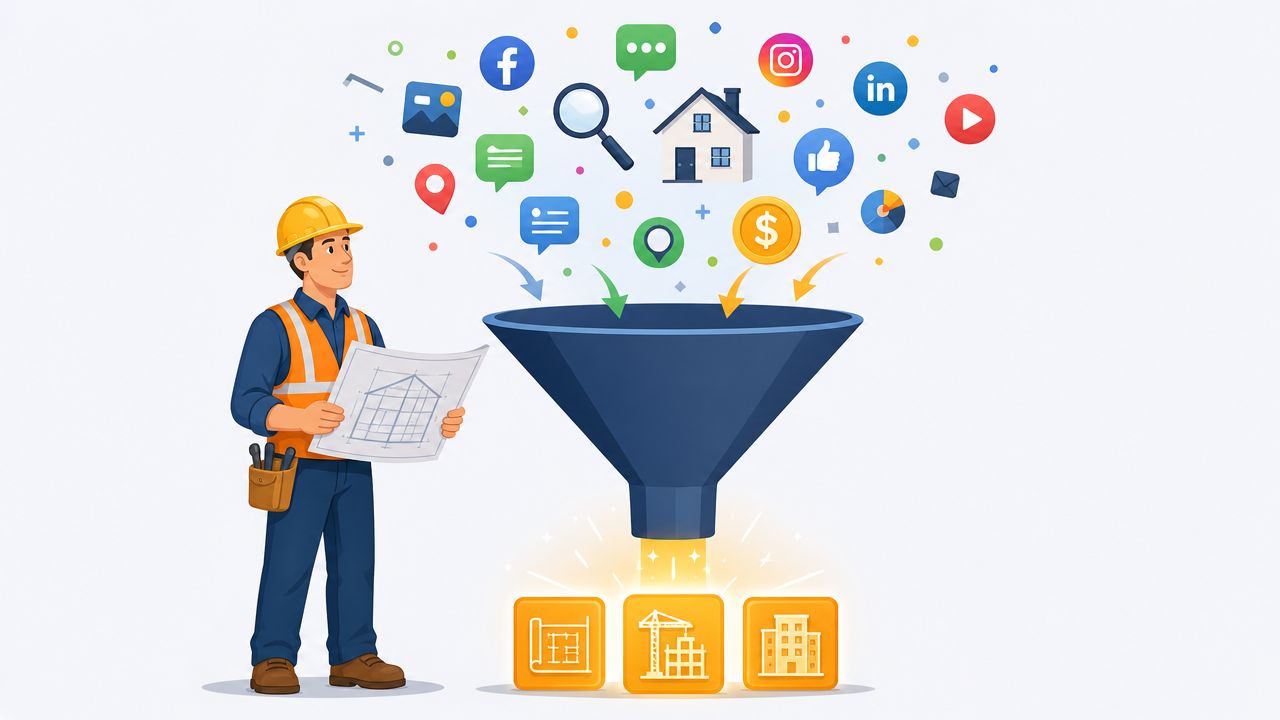
Some weeks the phone won't stop ringing. Crews are booked, estimators are buried, and every inbound call feels like one more fire to put out. Then the schedule opens up, the pipeline looks thin, and suddenly every marketing pitch about “more leads” starts sounding tempting.
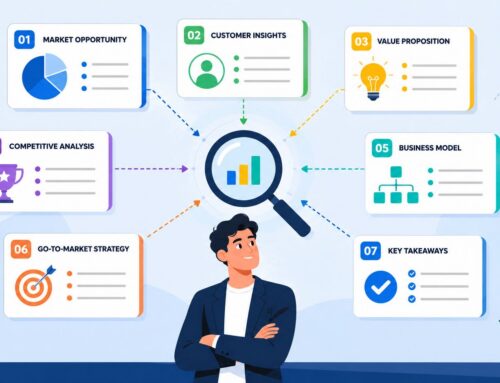
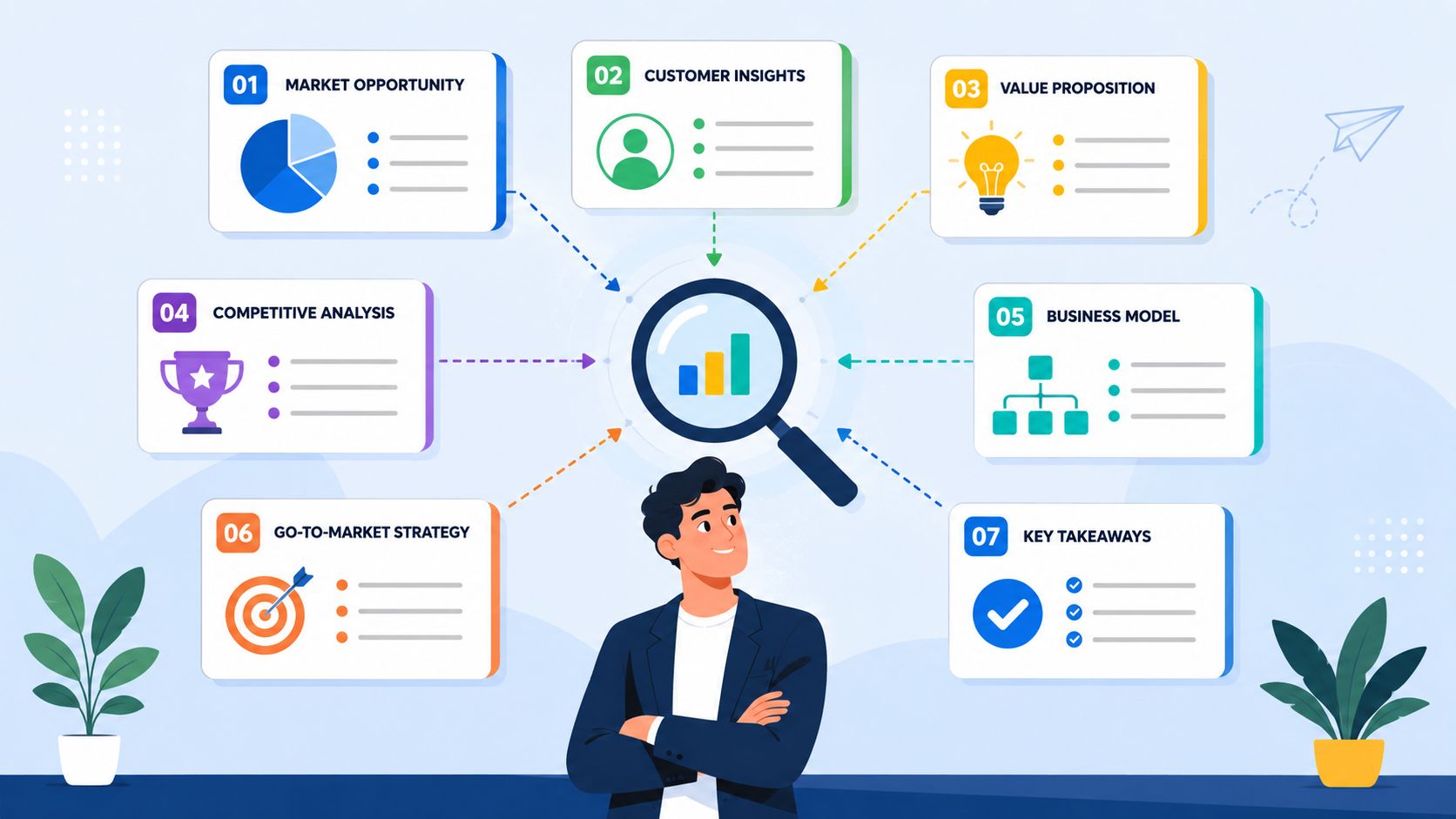
That feast-or-famine pattern is what pushes many contractors toward lead vendors, directories, and ad agencies. The problem is that a lot of those offers sell activity, not pipeline. A stack of names in a spreadsheet isn't the same as a bidding calendar you can trust. If you want steadier revenue, contractor lead generation services have to be evaluated as a system that produces qualified opportunities, routes them fast, and turns them into booked jobs.
Moving Beyond Feast or Famine
Most contractors don't have a lead problem in the abstract. They have a predictability problem.
They know how to sell when the right prospect gets on the phone. They know how to estimate work, manage crews, and deliver the project. What breaks down is the gap between today's sold jobs and next month's backlog. That gap is where bad marketing decisions usually happen.
In the broader market, lead generation has moved to the top of the priority list. In a January 2025 roundup, 91% of marketers ranked lead generation as their top priority, 58% of B2B marketers said high-quality lead generation was their biggest challenge, and 68% of businesses reported increasing budgets for lead generation technology, according to Reach Marketing's January 2025 lead generation statistics roundup. That matters for contractors because demand for qualified leads is rising, while patience for junk leads is shrinking.
What stability actually looks like
A stable pipeline usually has three parts working together:
- Demand capture: You show up when someone is already looking for your service.
- Demand creation: You stay visible before a prospect starts calling around.
- Lead handling: You respond, qualify, book, and follow up without delay.
If one of those pieces is weak, revenue gets choppy. A company can have a great website and still lose jobs because nobody follows up fast. Another can buy plenty of leads and still miss payroll pressure because half the opportunities were never a fit.
Practical rule: Don't buy leads to solve a scheduling problem. Build a system that matches lead volume, lead quality, and follow-up capacity.
That's the mindset shift. Good contractor lead generation services don't just send inquiries. They create a repeatable way to move from market demand to actual estimates and signed work. If you want a useful reference point for what that looks like, this overview of a lead generation system for businesses is closer to the right model than the usual “we'll get you more calls” pitch.
What to stop asking first
Too many buying decisions start with one question: “What's your cost per lead?”
That question matters, but it's rarely the first one that should drive the deal. A cheap lead that never books an estimate is expensive. A pricier lead that turns into a profitable project may be the better investment. Contractors grow when they buy for conversion efficiency, not for raw lead count.
What Are Contractor Lead Generation Services Really
A lot of people hear “contractor lead generation services” and think of a broker selling contact info. That's the market version of buying fish at the dock. You get whatever was caught, sorted, and sold to you.
A real lead generation service is closer to owning the boat, the sonar, the nets, and the process for deciding where to fish. It defines the right prospect, identifies buying signals, puts offers in front of them, captures the response, and qualifies the lead before your sales team burns time on it.

The system behind the lead
A functioning system usually includes:
- Market definition: Which trade, which service line, which ZIP codes, which job sizes.
- Offer design: Free estimate, emergency dispatch, inspection, consultation, financing conversation, or project review.
- Capture infrastructure: Landing pages, forms, call tracking, CRM intake, text follow-up, and scheduling.
- Qualification rules: Service type, location, timing, and whether the lead fits your crew capacity and margin targets.
- Nurture and routing: Fast handoff to the estimator, office manager, or sales rep who can move it forward.
That's why good providers ask uncomfortable questions up front. Which jobs are most profitable. Which neighborhoods close better. Which service calls should be filtered out. If they never ask, they're probably selling volume.
Why trigger-based targeting beats static lists
The biggest difference between old-school prospecting and modern contractor lead generation services is timing. Static lists tell you who exists. Trigger-based systems tell you who may be entering the market now.
One useful example is permit-driven prospecting. As explained in Shovels.ai's guide to construction leads using permit data, lead generation improves when it's built around current project signals instead of a stale database. That guide notes that permit data can surface in-market projects earlier, and that prioritizing prospects with at least one permit in the past 60 days improves lead quality before enrichment. It also outlines a segmentation model that ranks targets as Tier 1 with 3+ permits in the past 30 days, Tier 2 with recent activity but lower value or partial contact data, and Tier 3 for moderate activity.
That matters because it ties outreach to real project movement. A commercial painter, roofer, electrician, or remodeling firm can spend less time guessing who might need help and more time focusing on organizations already showing intent.
The strongest lead generation systems don't start with a list. They start with a reason this prospect should be contacted now.
Paid traffic still needs structure
Paid search can be part of the engine, but not the whole engine. If you want a grounded explanation of how ad campaigns fit into prospect capture and qualification, this guide on PPC for lead generation strategies is a useful companion to what contractors should expect from a real service model.
Without strategy, ad spend just buys clicks. With strategy, it feeds a pipeline.
The Most Effective Lead Generation Channels for Contractors
No single channel carries a contractor for long. Markets shift, bidding pressure changes, and buyer behavior moves between search, maps, reviews, inboxes, and social platforms. The strongest contractor lead generation services use a channel mix that fits the trade, the job size, and the sales cycle.
Start with the reality that speed matters. A 2025 home-services guide reported that contractors who respond within 5 minutes convert at rates 400% higher, according to Website Depot's 2025 home-services lead generation guide. That same source says 76% of marketers rely on content marketing for lead generation, 48% consider email the most effective lead channel, and 79% of B2B marketers use LinkedIn for lead generation. For contractors, that points to a multi-channel setup, not a one-trick tactic.
Here's the channel map most firms should evaluate.

Local search and Google Business Profile
For residential trades, local search often captures the buyer who already has a problem and wants help soon. That includes your website's local service pages, your Google Business Profile, and the review footprint around both.
A good local search strategy focuses on service-specific pages, accurate service-area information, review generation, and intake paths that make it easy to call or book. A weak strategy chases vague ranking promises while ignoring whether the incoming jobs are profitable.
If you want a practical outside resource on construction-focused search visibility, AI Tools for Local SEO's guide offers a useful overview of how SEO needs to reflect local service intent, not generic traffic goals.
Paid search and Local Services Ads
Paid search works when you need faster demand capture. It's useful for urgent services, high-intent terms, and markets where waiting on organic visibility isn't realistic. But ad campaigns only pay off when the service filters low-intent traffic before the phone rings.
That means tighter keyword control, job-type filters, and landing pages built around service, geography, and timing. For HVAC businesses, this kind of setup often determines whether paid traffic becomes booked calls or wasted budget. The same principles show up in this overview of digital marketing for HVAC companies, especially around matching offers to urgency and service area.
A common mistake is running search ads like a billboard. Search isn't awareness media. It's a response channel. The lead should know what you do, where you serve, and what the next step is within seconds.
A short example helps:
- Emergency plumbing callouts need immediate routing and phone-first conversion.
- Kitchen remodel campaigns need stronger qualification and scheduling controls.
- Commercial trades often need a longer intake flow because scope and decision-making are more complex.
After paid search, it helps to see the broader demand-gen picture in motion.
Email, social, and LinkedIn outreach
Email doesn't get enough attention in contractor marketing because people assume it only matters for software or ecommerce. In practice, it's useful for estimate follow-up, dormant lead reactivation, referral prompts, service reminders, and post-quote nurture.
Social works differently. For residential services, Facebook and Instagram can create demand before a homeowner starts comparing bids. The best campaigns use jobsite photos, clear offers, tight geographic targeting, and simple landing pages. The worst ones send cold traffic to a generic homepage and hope for the best.
For commercial contractors, LinkedIn matters more than many firms realize. Facility managers, developers, property groups, and operations leaders often sit there long before they fill out a form. That's why outreach, thought leadership, and retargeting can support pipeline even when search volume is limited.
The right channel depends on when the buyer recognizes the need, not on which platform the agency prefers to sell.
Partnerships and referrals still matter
Not every lead source is digital. Property managers, real estate professionals, suppliers, adjacent trades, and past clients can all produce strong opportunities when referral requests are operationalized instead of left to chance.
The important point is integration. Referrals feed credibility. Search captures demand. Paid media fills urgency gaps. Email keeps prospects warm. LinkedIn supports commercial outreach. Together, they create steadier bid flow.
Understanding Service Models and Pricing
Pricing structures shape behavior. If you don't understand how a lead generation partner gets paid, you won't understand why they make certain decisions with your budget.
The common models
Here's the simple breakdown:
| Model | How it works | Where it fits | Main risk |
|---|---|---|---|
| Pay per lead | You pay for each lead delivered | Contractors who want variable spend | Volume can be prioritized over fit |
| Monthly retainer | Flat fee for strategy, management, and execution | Firms building a long-term engine | You need clear accountability |
| Percent of ad spend | Fee rises with media budget | Larger paid programs | Incentive can tilt toward spending more |
| Hybrid | Combination of management fee and performance terms | Businesses that want balance | Complexity can hide true economics |
No model is automatically bad. The issue is alignment. A pay-per-lead vendor may be motivated to maximize lead count. A retainer-based agency may focus on broader infrastructure, but that only helps if reporting is tight and the service improves pipeline quality.
Shared leads versus exclusive leads
Many contractors routinely lose margin.
Independent coverage summarized in Construction Lead Pro's review of lead generation companies for contractors notes that major marketplaces and directories often send the same lead to several contractors at once. That changes the economics immediately. You are no longer just paying for access to a prospect. You are entering a speed contest where multiple companies are calling the same person.
Shared leads can work in short bursts, especially if your office is disciplined and your team answers fast. But they tend to push the sale toward whoever responds first, quotes fastest, or drops price hardest. That can be rough on smaller firms trying to protect margin and maintain process.
Exclusive leads cost more up front in many cases, but they often produce cleaner sales conversations. The homeowner or buyer isn't juggling calls from several vendors at the same moment. Your team has space to qualify properly and sell on fit, trust, and scope.
If a lead source makes you compete like a commodity, it's usually not helping you build a durable business.
Budget reality matters
The same contractor-focused guide notes that Google Local Services Ads budgets usually start around $1,500 per month. That number is useful because it reminds contractors that paid acquisition has a real entry cost. Too many proposals minimize the true capital required to test a channel well enough to judge it.
When comparing providers, ask three direct questions:
- Are the leads shared, exclusive, or first-party inbound?
- Who owns the landing pages, ad accounts, and data?
- What happens if the relationship ends?
Those answers tell you more than the headline price.
How to Measure Your Return on Investment
Contractors get in trouble when they judge marketing the same way they judge office supplies. A lead source is not “cheap” because the invoice is low. It's efficient only if it turns into profitable work.
That's why cost per lead is a weak primary metric. It tells you almost nothing about whether the leads fit your business, whether your team can close them, or whether the jobs they produce are worth pursuing.

What to track instead
Focus on the numbers that connect marketing to revenue:
- Lead-to-appointment rate: Of the leads you receive, how many become real conversations or site visits?
- Appointment-to-estimate rate: How many qualified opportunities turn into a proposal?
- Lead-to-close rate: Which channels produce sold jobs, not just inquiries?
- Customer acquisition cost: What did you spend to win a paying customer?
- Revenue by source: Which channels are producing the kinds of projects you want more of?
A lead source that sends fewer inquiries but more sold jobs is often the better buy.
Why closed-loop reporting matters
Paid lead generation gets stronger when the ad platform learns from actual downstream outcomes, not just clicks. As explained in LeadsBridge's overview of contractor lead generation systems, search ads and lead forms can qualify traffic by collecting service type, ZIP code, and timeframe. Once captured, leads should sync into a CRM and route through SMS, email, and automated assignment so conversion data can flow back into the ad platform. That closed-loop setup improves targeting quality because the system learns from real conversions, not just form submissions.
In plain terms, this is what separates a campaign from a learning system. If your provider only reports calls and form fills, they may be optimizing for noise. If they can track which leads became estimates and which estimates became revenue, they can improve the quality of future leads.
A practical resource for framing that conversation internally is this guide on how to calculate marketing ROI. It's useful when you need to move the discussion from “How many leads did we get?” to “What did those leads produce?”
Judge marketing the way you judge a sales rep. By closed business, not by activity.
Choosing the Right Lead Generation Partner
Most vendors sound competent on a sales call. The difference shows up in the questions they ask, the assets they want access to, and the way they talk about qualification.
A reliable partner treats contractor lead generation services like operations, not like magic. They want to know service lines, territory boundaries, job-size minimums, seasonality, close rates, and crew capacity. If the conversation stays at the level of “we'll get you more exposure,” keep looking.

The evaluation checklist
Use this when you're reviewing proposals or interviewing agencies:
- Industry fluency: They should understand the difference between emergency service work, replacement jobs, and longer-cycle commercial bidding.
- Reporting discipline: Ask to see a sample dashboard. You want lead source, qualification status, booked appointments, and closed revenue if available.
- Ownership clarity: Your company should know who controls ad accounts, CRM data, landing pages, call tracking numbers, and creative assets.
- Process for bad leads: Every channel produces some noise. What matters is whether the provider has clear filtering, dispute handling, and refinement rules.
- Communication rhythm: Weekly check-ins are common early on. The important part is that someone is reviewing lead quality, not just campaign delivery.
- Customization: A remodeler, roofer, and commercial flooring contractor should not all receive the same playbook.
What onboarding should feel like
A good engagement usually unfolds in phases, even if the exact timeline differs.
Early on, expect strategy and setup. That includes market definition, offer selection, CRM and tracking work, intake scripting, and channel planning. If nothing operational happens and you only hear about “awareness,” the foundation may be too thin.
The next phase should involve launch and validation. Traffic starts coming in. Calls get reviewed. Forms are checked for quality. Routing gets adjusted. Sales feedback matters a lot here because early lead patterns tell you whether targeting and qualification are pointed in the right direction.
Then comes refinement. That means cutting weak terms, tightening geography, improving follow-up, revising landing pages, or shifting budget toward the best-performing services. The partner should be able to explain changes in business terms, not platform jargon.
Questions worth asking on the first call
A few direct questions expose whether a provider knows what they're doing:
- How do you define a qualified lead for my trade?
- How do you prevent the sales team from wasting time on poor-fit inquiries?
- What happens if we pause the engagement?
- How do you connect marketing data to sold jobs?
- Which parts of the system improve over time, and how?
A provider that answers clearly is usually thinking like an operator. One that dodges those questions is usually selling a package.
From Plan to Pipeline Real-World Examples and Next Steps
The principles become easier to trust when you map them to actual business situations.
A residential contractor with inconsistent inbound demand often doesn't need “more marketing” in the abstract. They need cleaner intake, faster response, and fewer low-fit leads. In practice, that can mean combining local search visibility with tighter paid campaigns and immediate text-plus-call follow-up from the office. The service mix matters less than the system connecting it.
A commercial contractor usually has a different issue. Search volume may be limited, and many opportunities don't start with a homeowner filling out a form. In those cases, pipeline growth often comes from better account targeting, permit or project-signal monitoring, LinkedIn outreach, and disciplined follow-up around property groups, developers, and facilities teams.
Two common scenarios
- Residential service firm: The phone rings, but too many calls are price shoppers, out-of-area requests, or poor-fit jobs. The fix is usually tighter filtering, stronger local presence, and a response workflow that books fast.
- Commercial specialty contractor: The business has a solid reputation, but not enough proactive outreach into active projects. The fix is usually a trigger-based prospecting model tied to project activity, plus a follow-up process that keeps the company visible before bid invitations go out.
Better pipeline management usually comes from removing friction, not from flooding the business with more names.
Immediate next steps for owners and teams
If you own the business, do these first:
- Audit current lead sources: Write down where the last several closed jobs came from.
- Define your ideal job: Service type, geography, margin profile, and minimum project size.
- Set a response standard: Decide who answers, how fast, and what happens after first contact.
If you run marketing in-house, focus here:
- Map the tech stack: Forms, call tracking, CRM, scheduling, and reporting.
- Identify blind spots: Where are leads getting lost between inquiry and estimate?
- Run a controlled test: Pick one service line, one market, one offer, and one follow-up workflow.
For local appointment-driven service businesses, it also helps to study niche examples of conversion flow. For instance, this piece on how to boost your Naples garage appointments is useful because it frames lead generation around booked appointments and response handling, not just traffic.
The goal isn't to buy leads forever. It's to build a pipeline you can predict, tune, and scale.
If you want a partner to help structure that kind of system, ReachLabs.ai offers digital marketing services that support lead generation, visibility, and channel execution with a data-driven approach. The right fit depends on your trade, market, and sales process, but the important move is to stop treating lead generation as a list purchase and start treating it like revenue infrastructure.