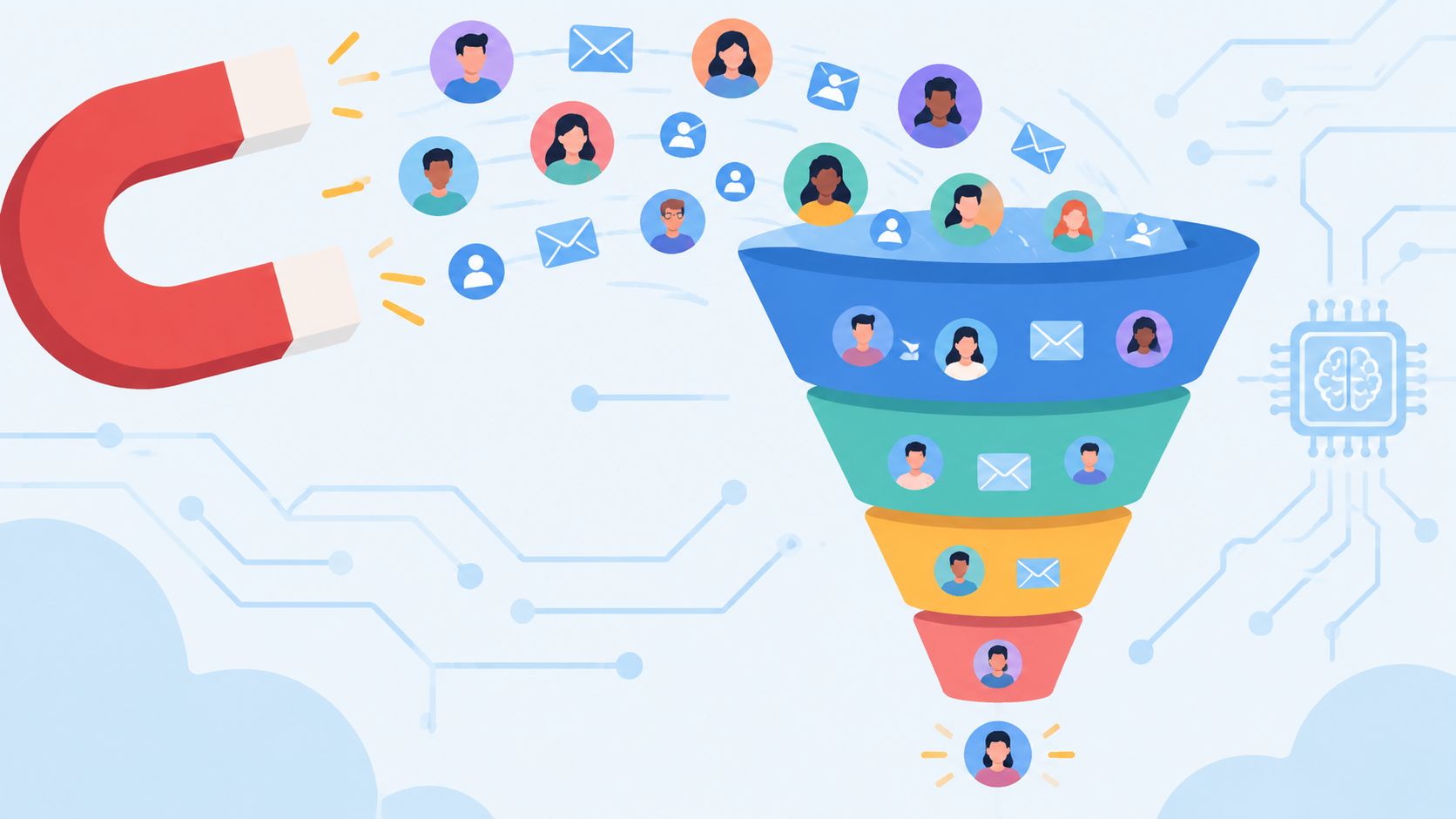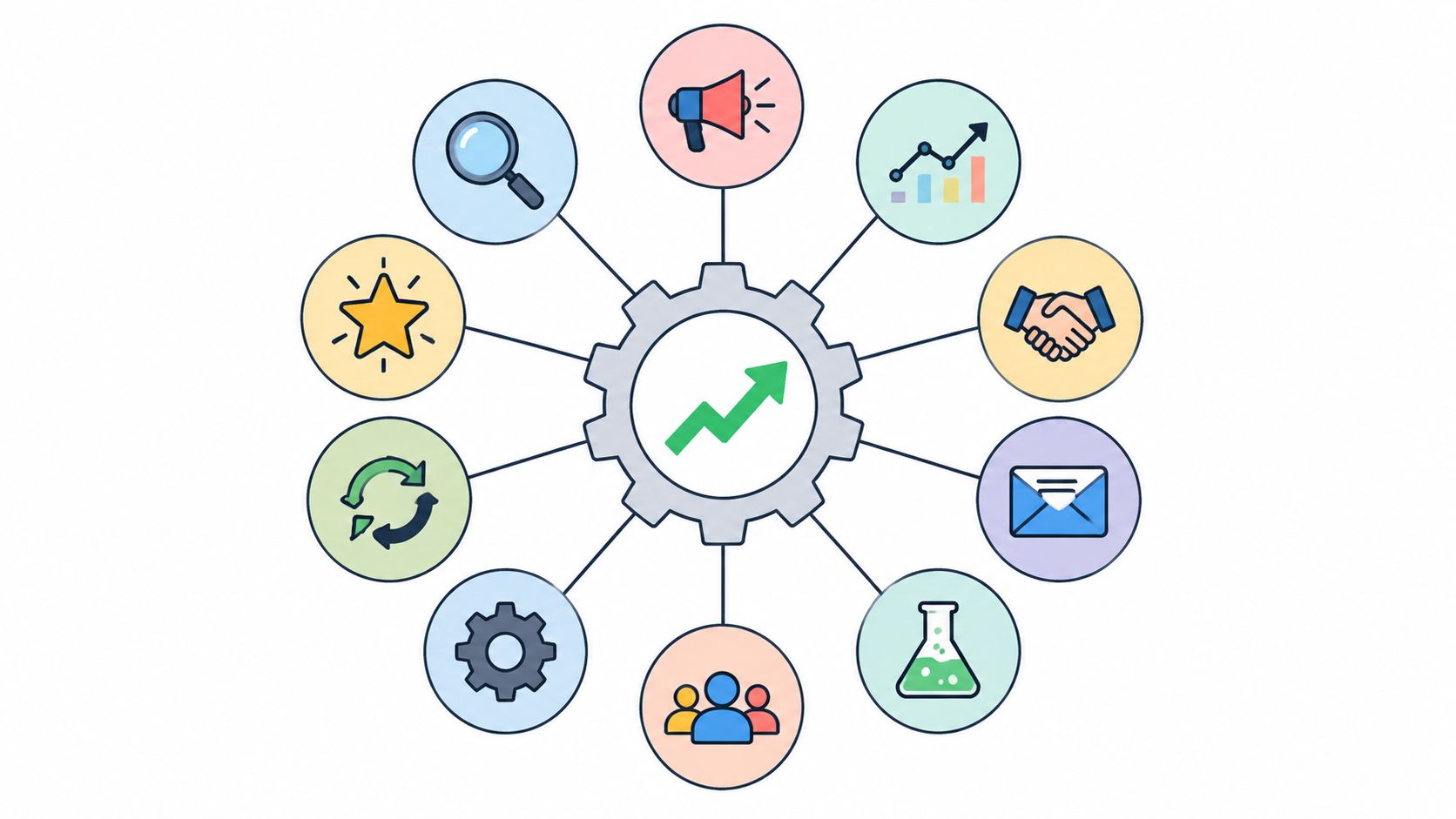
Getting a steady stream of customers is all about connecting the right message with the right people. This starts with a surprisingly simple—but often overlooked—step: truly understanding who your ideal audience is and what makes them tick. Nail this, and you've built the foundation for marketing that actually works.
Defining the Customers You Actually Want to Attract
Before you spend a single dollar on ads or an hour on content, you have to get crystal clear on who you're talking to. Too many businesses fall into the trap of casting a wide net, hoping to appeal to everyone. This doesn't just waste money; it waters down your message until it resonates with no one.
The real goal isn't just to get more customers. It’s to attract the right ones—the people who get the most from what you offer, are a dream to work with, and stick around for the long haul. That’s where building a data-backed Ideal Customer Profile (ICP) comes in.
Analyze Your Current Best Customers
Your existing customer list is a treasure trove of insights. Seriously. Start by pulling your top 10% of customers. These are your most profitable accounts, the ones with the highest lifetime value, or your most vocal brand champions.
With that list in hand, it’s time to play detective. Look for the common threads that tie them together.
- Demographics: What’s their age, location, or job title?
- Firmographics (for B2B): What’s the company size, industry, or even the tech they use?
- Psychographics: What are their biggest professional goals and frustrations? What motivates them?
- Behaviors: How did they find you in the first place? Which blog posts or emails did they engage with before they bought?
This isn't about creating a fluffy, imaginary persona like "Marketing Mary." It's about building a profile based on real data from the people who already see incredible value in your work. For a step-by-step guide on this, check out our deep dive on how to create buyer personas that actually drive results.
Craft a Value Proposition That Clicks
Once you know exactly who your best customer is and the problems that keep them up at night, you can craft a Unique Value Proposition (UVP) that speaks directly to them. Your UVP is a short, sharp statement that makes it obvious why you’re the best solution out there. It’s the answer to their question: "Why should I choose you?"
A great UVP immediately tells your ideal customer:
- How you solve their problem.
- The specific benefits they’ll get.
- Why you’re a better choice than the competition.
A killer value proposition is never about a list of features. It’s about translating those features into tangible outcomes your ideal customer desperately wants. Instead of saying, “We sell a cloud-based CRM,” try: “We help you close more deals by keeping all your customer data in one organized place.” See the difference?
This entire process is a strategic flow: you analyze your data, create sharp customer profiles, and figure out where you fit in the market.

When you see it laid out like this, it becomes clear that every marketing decision should be filtered through the lens of your ideal customer. Understanding who you're targeting is crucial, and it helps to know the different ways you can segment a market. Exploring the 10 Key Target Market Types can give you a much clearer picture.
Think of this initial work as your strategic filter. It ensures every piece of content you create and every ad you run is aimed squarely at high-value prospects, turning your marketing from a guessing game into a predictable engine for growth.
Alright, you've figured out who you're talking to. Now, let's build the channels that bring them right to your digital doorstep. While you can always throw money at paid ads for a quick traffic spike, the real, sustainable growth comes from organic acquisition. This is how you create a brand that works for you around the clock, drawing in the right people without a constant ad spend.
The secret isn't a complex algorithm; it’s about being genuinely, ridiculously helpful. You need to shift your mindset from "selling" to "serving." Forget the salesy fluff and create content that answers your audience's most pressing questions.

Uncover Your Audience’s Core Problems
Your entire organic strategy hinges on one thing: solving real problems. Before you even think about writing, you have to get inside your customers' heads and understand what they're actually typing into Google. This goes way beyond basic keyword research. It’s about grasping the intent behind the search.
Think about it. When a marketing manager searches for "how to track social media ROI," they aren't just looking for a definition. They’re likely under pressure to justify their budget or prove their team's value to the C-suite. That’s the real pain point.
So, how do you find these little goldmines of intent?
- Google's "People Also Ask": Type a broad term from your industry into Google. The questions that pop up are a direct line into what real people are curious about.
- Forum Deep Dives: Spend some time on sites like Reddit or Quora. Find the subreddits or topics where your ideal customers hang out. Pay attention to their frustrations, the questions they ask repeatedly, and the exact language they use.
- Talk to Your Customers: This one is simple but so often overlooked. Ask your best clients what they were struggling with right before they found you. What did they search for? What were their biggest headaches?
When you focus on the problem instead of just the keyword, you can craft content that provides a genuine solution. That’s what positions you as an expert and attracts people who are actively looking for help.
Create Content That Serves and Converts
Once you have a list of problems, you can start building out your content. I'm a big fan of the "content pillar" model. This is where you create a massive, in-depth piece of content—like an ultimate guide or a comprehensive tutorial—on a core topic. From that pillar, you can then break off smaller pieces like blog posts, short videos, or social media graphics that all point back to the main resource.
This strategy does wonders for building topical authority, which is a fancy way of saying it shows search engines you’re the go-to expert on a subject.
I’ve always found the secret to content that wins is just to be more generous than everyone else. If your competitor wrote a "Top 5 Tips" list, you need to create the definitive guide with 20 actionable strategies, complete with templates and real-world examples.
Don’t forget to mix up your formats. A busy CEO might only have time for a skimmable article, but a junior marketer might love a detailed video tutorial. Creating a variety of content ensures you're meeting people where they are. If you want to get tactical about creating offers that convert visitors, our guide on what a lead magnet is is a great place to start.
Use Social Media for Community, Not Broadcasting
So many businesses get this wrong. They treat social media like a megaphone for their own marketing messages. That's a huge missed opportunity. To really attract customers, you have to use these platforms to build a genuine community.
Stop just posting links to your blog. Start conversations. Ask thoughtful questions, share a behind-the-scenes look at your process, and make a point to reply to every single comment. The goal is to make your audience feel like they're part of something.
For instance, a B2B software company could start a dedicated LinkedIn group for professionals in its niche. Instead of just plugging their product, they could spark discussions about industry trends, share interesting articles from other sources, and host live Q&As with experts. This approach builds trust and positions them as a helpful hub—not just another vendor. In the long run, that trust is what turns into high-quality inbound leads and fiercely loyal customers.
Accelerating Growth With Paid Ads and Influencer Marketing
While organic marketing builds a fantastic, long-term foundation, sometimes you just need to get customers in the door right now. This is where paid advertising and influencer marketing come into play. Think of them as the turbo-boost for the customer acquisition engine you’re already building.
When you get them right, paid strategies are so much more than just throwing money at clicks. They’re about precision targeting, powerful creative, and results you can actually measure. You can put your message directly in front of the exact people who fit your ideal customer profile, achieving a level of focus that organic methods can take months, or even years, to match.

Launching Paid Ad Campaigns That Convert
Diving into paid ads can feel like a lot, but the core idea is simple: pay to show the right ad to the right person at just the right moment. Platforms like Google Ads and LinkedIn Ads are so effective because they let you target people based on their job titles, interests, demographics, and even their recent search history.
A classic mistake I see all the time is jumping straight into ad creation without a clear goal or budget. Before you spend a single dollar, you have to define what a "win" looks like for you. Is it website traffic? Lead form sign-ups? Direct sales? Your answer shapes the entire campaign.
For instance, a B2B SaaS company might run a LinkedIn campaign targeting Marketing Directors at mid-sized tech companies. The ad could offer a free guide on "The Future of AI in Marketing," sending them to a landing page to swap their email for the download. That's a textbook lead generation play that works.
Your ad copy and creative have to be a perfect match for the value proposition you've already defined. Stop listing features and start highlighting the transformation. Instead of, "Our software has a new dashboard," go with, "Finally, see all your marketing KPIs in one place and make decisions twice as fast."
Once your campaigns are live, the real work begins. The secret to profitable paid advertising is constant optimization. Keep a close eye on your click-through rates (CTR), cost per click (CPC), and of course, your conversion rates. If an ad is a dud, don’t be afraid to kill it and test a new headline, a different image, or a stronger call to action.
Tapping Into Trust With Influencer Marketing
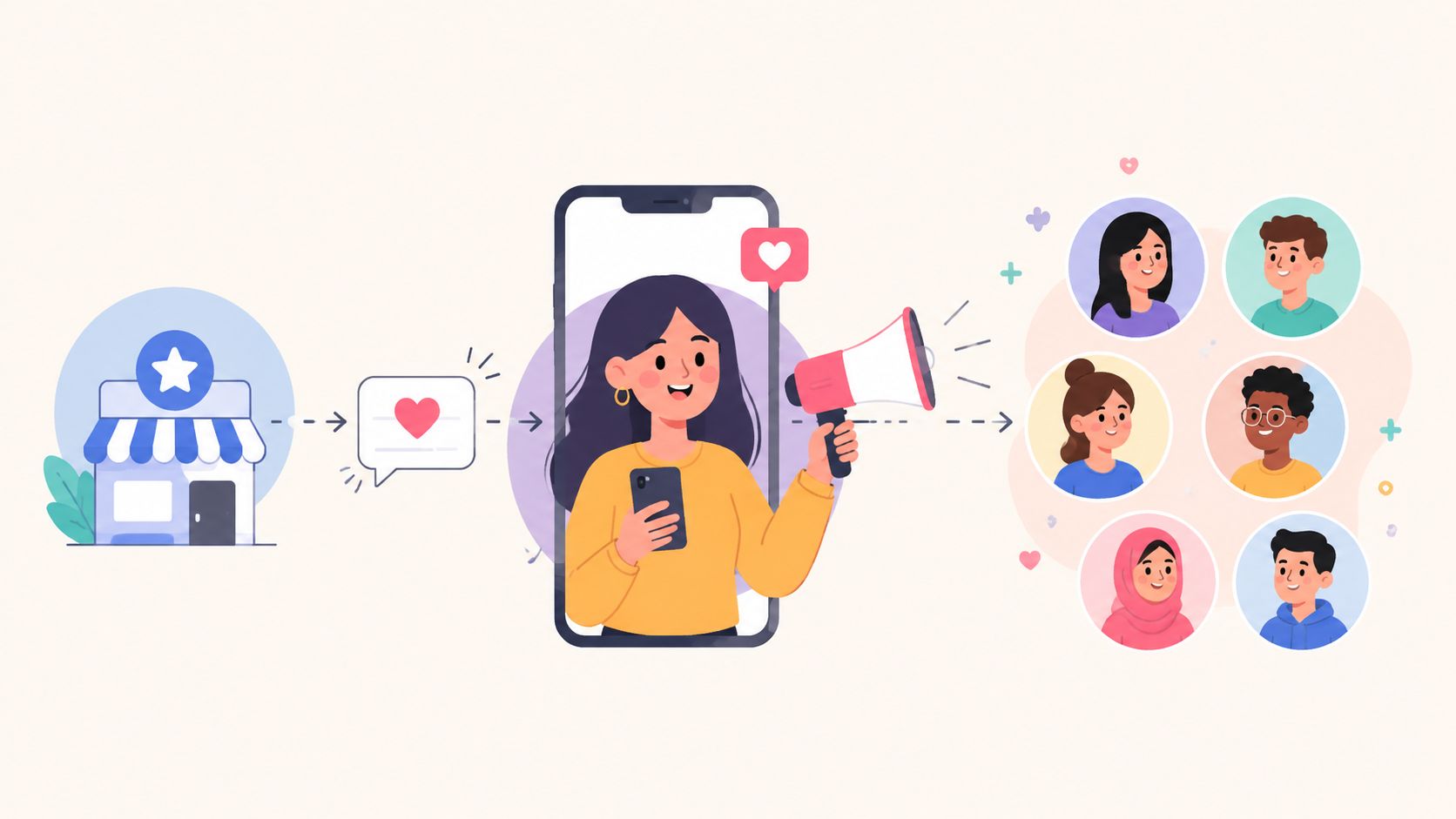
Influencer marketing is another incredible way to hit the accelerator. It’s really just word-of-mouth marketing for the digital age, but at a massive scale. When you partner with a creator whose audience genuinely trusts them, you aren't just buying eyeballs—you're borrowing credibility. In a crowded market, that's priceless.
Finding the right influencers is by far the most critical part. Forget about just chasing follower counts. The real gold is in audience alignment. A micro-influencer with 10,000 super-engaged followers in your specific niche will almost always deliver better results than a celebrity with a million generic followers.
Use platform searches on Instagram or TikTok, or dedicated tools, to find creators who check these boxes:
- Their personal brand and values feel like a good fit for yours.
- They produce high-quality content that speaks directly to your ideal customer.
- Their community is alive and kicking—look at the comments, not just the vanity metrics.
When you reach out, make it personal. Show them you've actually watched their content and explain why a partnership makes sense for their audience. A generic, copy-paste email is a one-way ticket to the trash folder. If you need a solid blueprint for this, we detail the entire process in our guide to creating an influencer marketing strategy.
How the Top Channels Stack Up
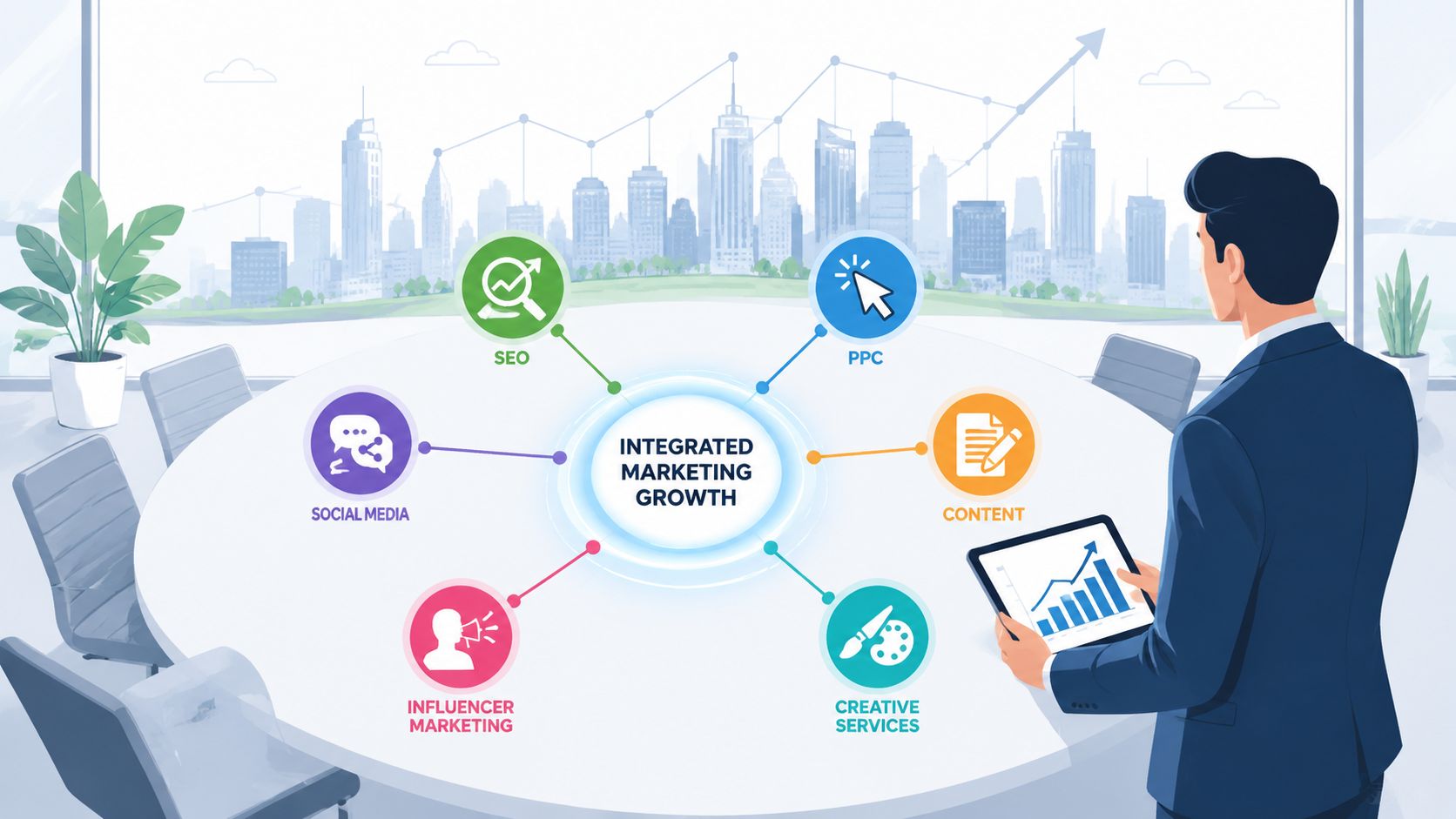
The most effective customer acquisition strategies don't put channels in separate silos; they weave them together. A look at the data for 2025 makes it clear just how vital a multi-channel digital approach has become.
A recent survey of businesses across major markets sheds light on which channels are delivering the best results right now. Here’s a quick breakdown of how marketing leaders ranked their top acquisition methods.
Customer Acquisition Channel Performance in 2025
| Channel | Ranked as Top Method By | Key Trend for 2026 |
|---|---|---|
| Social Media | 31% of businesses | Authenticity is king; user-generated content and creator partnerships will drive conversions. |
| Email Marketing | 29% of businesses | Hyper-personalization and segmentation are becoming non-negotiable for engagement. |
| Paid Advertising | 21% of businesses | AI-driven optimization and targeting will become standard practice for maximizing ROI. |
| Content Marketing/SEO | 19% of businesses | Focus will shift to long-form, expert-driven content that builds authority and trust. |
This data paints a very clear picture: no single channel dominates completely. The smartest marketers are building a cohesive strategy that blends paid reach with authentic engagement.
Imagine running a targeted ad campaign on LinkedIn while, at the same time, a trusted influencer in that exact niche is reviewing your product on their channel. The synergy between those two touchpoints builds credibility and drives action far more effectively than either could on its own. This integrated approach is at the heart of what we do at ReachLabs.ai, turning ad spend and partnerships into predictable growth.
Going Direct: Building Relationships Through Email and Outreach
While organic content and paid ads are great for casting a wide net, some of your absolute best customers will come from a more personal touch. This is where direct outreach, especially email, comes into play. It’s your chance to cut through the noise and talk directly to those high-value prospects you’ve already identified.
When you get this right, it stops feeling like marketing and starts feeling like a genuine, helpful conversation. You’re not just broadcasting a message; you’re building a relationship, one person at a time.
Start with an Email List You Can Trust
Let's get one thing straight right away: never, ever buy an email list. It’s a fast track to destroying your sender reputation, landing in spam folders, and talking to a wall of people who never asked to hear from you. Real success with email starts with a list of people who have willingly opted in.
This means you have to earn their email address by offering something genuinely valuable in return.
- Valuable Lead Magnets: Think about what your ideal customer is struggling with. Create a resource—a detailed guide, a video tutorial, a practical checklist—that solves that specific problem.
- Clear Opt-In Forms: Don't hide your sign-up forms. Place them strategically across your site—on your blog, your homepage, and in the footer. Make it easy for people to say yes.
- Smart Pop-ups: An exit-intent pop-up can be a great way to catch a visitor's attention just before they leave. Offer them one last chance to grab that valuable resource you created.
When you build your list this way, you start with an audience that's already engaged. They’ve raised their hands and shown they’re interested in what you have to say.
The Power of Smart Segmentation
Okay, so you've got a list of subscribers. The biggest mistake you can make now is blasting the same generic message to everyone. The real impact comes from segmentation—dividing your list into smaller, more focused groups based on who they are or what they’ve done.
For instance, a marketing agency might segment its list by:
- Industry: Sending e-commerce-specific case studies only to subscribers who run online stores.
- Engagement: Creating a special re-engagement offer for people who haven't opened an email in the last 90 days.
- Past Behavior: Following up with content about SEO services for someone who just downloaded a guide on keyword research.
This kind of personalization makes your subscribers feel understood. It transforms your email from potential junk into a welcome, valuable piece of communication. That’s how you attract customers who will actually stick around.
Email marketing is an absolute powerhouse. It's projected to bring in a staggering $40 for every $1 spent in 2025. This is especially critical when you consider that customer acquisition costs in e-commerce have jumped 40% since 2023, now averaging $70. In this environment, email’s efficiency is a game-changer.
Of course, none of this matters if your emails land in the junk folder. To make sure your hard work pays off, you have to regularly check if your emails go to spam and keep a close eye on your sender reputation.
How to Do Outreach on LinkedIn (Without Being Spammy)
Outside of email, LinkedIn gives you a direct line to decision-makers in a professional setting. The problem is, most people get it completely wrong. They send generic, self-serving connection requests that are immediately ignored or deleted. The secret is to lead with value, not a sales pitch.
Your goal isn't to close a deal in the first message. It's simply to start a conversation.
- Pinpoint Your Prospects: Use tools like LinkedIn Sales Navigator or the platform's advanced search filters to find professionals who are a perfect fit for your ideal customer profile.
- Personalize Your Request: Ditch the default "I'd like to connect" message. It’s lazy. Instead, reference a recent post they shared, a mutual connection, or an article they wrote. Show them you’ve actually done a bit of research.
- Give Before You Ask: Once you're connected, hold off on the pitch. Your first move should be to provide value. Share a relevant article, offer a quick tip, or introduce them to someone who could be a good connection for them.
This "give first" approach builds trust and immediately positions you as a helpful expert, not just another salesperson. When the time is right to talk business, the conversation will feel natural and welcome, because you've already laid the groundwork for a real professional relationship.
Using Data and AI to Sharpen Your Strategy
Let's be honest: spraying money on marketing campaigns and hoping something sticks is a fast way to burn through your budget. I’ve seen it happen too many times. Winning at customer acquisition today isn't about luck or just having a great creative team; it's about making smart, data-backed decisions that continuously improve your results.
This doesn't mean you need to become a data scientist overnight or get lost in a sea of spreadsheets. It’s about focusing on the handful of metrics that actually signal business health and tell you what’s working, what isn’t, and where to put your next dollar.
Focusing on the Numbers That Actually Move the Needle
To make those smart decisions, you have to track the right things. It's so easy to get distracted by vanity metrics like social media likes or impressions. While they might feel good, they don’t pay the bills or tell you if your marketing is profitable.
Instead, let's zero in on the core key performance indicators that tie your marketing spend directly to revenue.
- Customer Acquisition Cost (CAC): This is your all-in cost to get one new customer. It includes everything from ad spend to the salaries of your marketing team. If your CAC is creeping up, it’s a red flag that something in your strategy needs a tune-up.
- Customer Lifetime Value (CLV): This is the total profit you can expect to make from a single customer over the entire time they do business with you. It’s the ultimate measure of how valuable your customers are.
- Channel-Specific Conversion Rates: Don't settle for a single, blended conversion rate. You need to know that your LinkedIn ads are converting at 5% while your organic search traffic converts at 2%. This is where you find opportunities to double down or fix a leaky funnel.
The real insight comes from looking at these numbers together. For a healthy, scalable business, you should be aiming for a CLV-to-CAC ratio of at least 3:1. This means for every dollar you spend bringing in a customer, you get three dollars back. If your ratio is closer to 1:1, you’re basically breaking even on a customer, which leaves no room for profit or growth.
A simple analytics dashboard is your best friend here. Tools like Google Analytics, combined with your CRM and ad platform data, can give you a clear, centralized view. The goal isn't complexity; it's clarity.
This focus on hard numbers is more critical than ever. We've seen customer acquisition costs absolutely explode, jumping a staggering 222% in the last eight years. With the average ecommerce CAC now hitting $70, you can't afford to guess. Businesses using AI to predictively target customers can slash these costs by up to 25%. It's become a mission-critical tool for efficient growth. You can discover more insights about rising acquisition costs and see how data is changing the game.
Putting AI to Work for You
Artificial intelligence isn't some futuristic concept reserved for tech giants anymore. It’s a practical, accessible set of tools that gives you a massive advantage in finding and converting the right customers. Think of AI as the ultimate assistant—one that automates tedious work and uncovers patterns a human simply couldn't spot.
Here are a few ways we see businesses putting AI into action right now:
- Smarter Prospecting with Predictive Analytics: AI can analyze the profiles of your best customers—the ones with the highest CLV—and build a "lookalike" model. It then finds people across the web with similar characteristics, so your ads are shown to prospects who are pre-qualified to be a great fit.
- Instant Lead Qualification with AI Chatbots: An intelligent chatbot on your website can work for you 24/7. It can engage visitors, ask key qualifying questions ("What's your company size?" "What's your biggest challenge?"), and route high-intent leads directly to a sales rep's calendar. No more missed opportunities.
- Dynamic Content That Adapts to the User: Instead of showing everyone the same message, AI can personalize the experience. A first-time visitor might see a welcome offer, while a returning visitor from the manufacturing industry sees a case study specific to their field. It makes your marketing feel relevant and personal.
At ReachLabs.ai, we live and breathe this stuff. We work with everyone from creative agencies to brand strategists, and this level of precision is non-negotiable. It’s how we deliver digital strategies that don't just generate a list of names, but attract high-value partners ready to do business. By blending our own human expertise with AI-powered insights, we make sure every bit of marketing effort is geared toward one thing: sustainable, profitable growth.
Common Questions About Attracting Customers

After walking dozens of companies through this process, I’ve found that a few key questions always come up. Let’s tackle them right now, because getting these answers straight will give you the confidence to move forward effectively.
What Is the Most Effective Way to Attract New Customers?
Everyone wants to know the single "best" way to get customers, but the honest answer is: it completely depends on who you're trying to attract. The perfect strategy for a D2C brand selling skincare on TikTok would be a total waste of money for a B2B firm selling cybersecurity solutions to banks.
The most effective approach is always the one that meets your ideal customer where they already are. Before you spend a dime, you have to get inside their head. Once you know who they are and where they hang out online, you can choose the right channels.
- Content Marketing & SEO: Perfect for when your customers are actively searching for answers and solutions to their problems.
- Paid Social Ads: Ideal for reaching very specific audiences based on demographics and interests with compelling, visual offers.
- LinkedIn Outreach: Unbeatable for connecting directly with decision-makers at specific companies in a professional B2B context.
Your best bet is usually a mix of channels. This creates multiple touchpoints, building familiarity and trust long before they're ready to buy.
How Much Should I Spend on Customer Acquisition?
This is the million-dollar question, isn't it? The good news is that you don't need to pull a number out of thin air. The answer is found in your own business metrics, specifically the relationship between your Customer Lifetime Value (CLV) and Customer Acquisition Cost (CAC).
For a business to be healthy and scalable, you want a CLV:CAC ratio of at least 3:1.
A 3:1 ratio means that for every $1 you spend to bring in a new customer, you can expect to get $3 back in profit over the course of your relationship with them. If your ratio is down at 1:1, you're on a treadmill—spending just as much to get a customer as they'll ever be worth to you. That’s not a growth model; it's a survival model.
So, instead of guessing at a budget, work backward. Figure out what your average customer is worth (CLV). Then, decide on a target CAC that keeps your 3:1 ratio intact. Now you have a clear, data-backed budget to allocate to the channels that can deliver customers at or below that target cost.
How Long Does It Take to See Results?
The timeline for seeing a return really comes down to the channels you're using. Some are a sprint, others are a marathon. Knowing what to expect is key to managing your own (and your boss's) expectations.
- Paid Advertising: This is your fast lane. You can start seeing leads and even sales within days or hours of a campaign launch. The catch? The moment you stop paying, the leads dry up.
- Content & SEO: This is the long game. It often takes a good 6-12 months of consistent work to gain traction and start ranking for valuable keywords. The payoff, however, is huge: sustainable, compounding organic traffic that works for you 24/7.
- Direct Outreach: This can produce results within weeks. Its success depends entirely on the accuracy of your prospect list and how much effort you put into personalizing your outreach.
Ready to stop guessing and start implementing a data-driven strategy to attract your ideal customers? ReachLabs.ai combines expert talent with powerful insights to build digital marketing campaigns that deliver real results. Discover how we can help you grow.