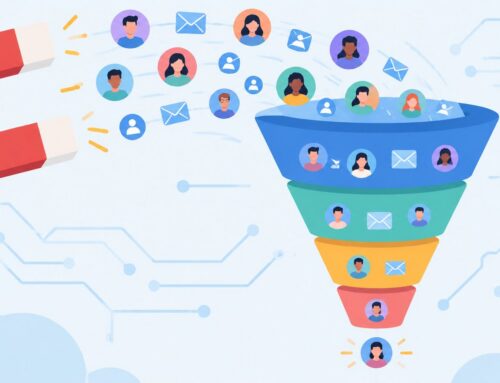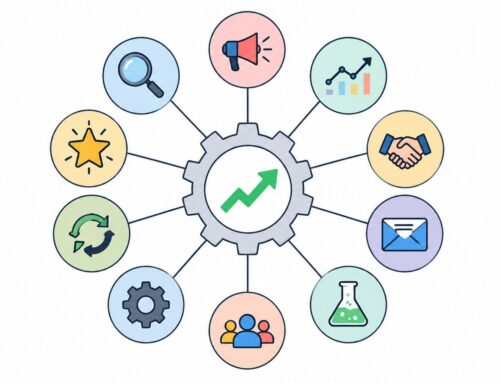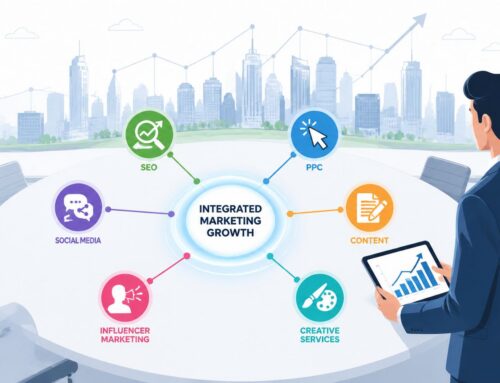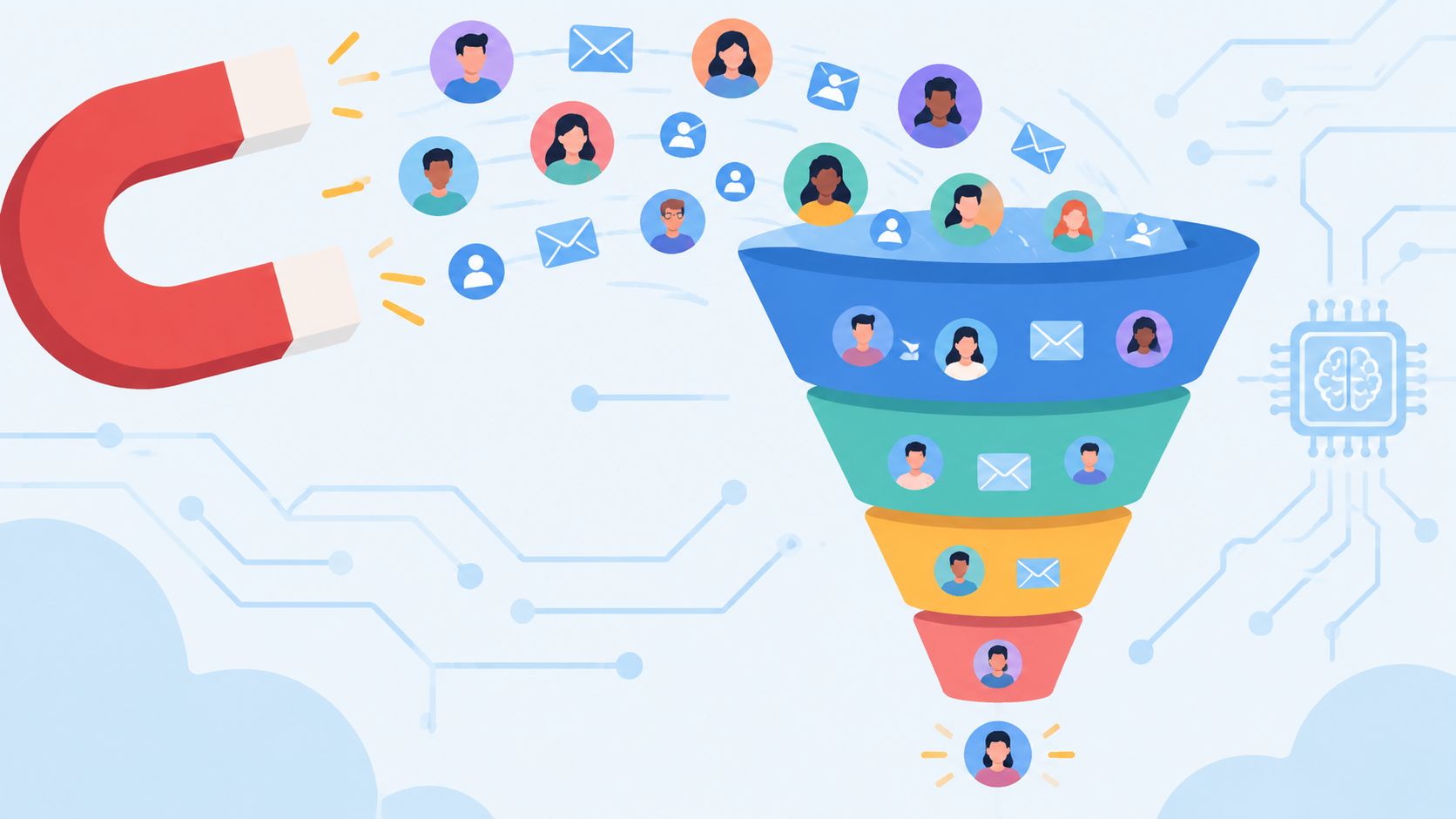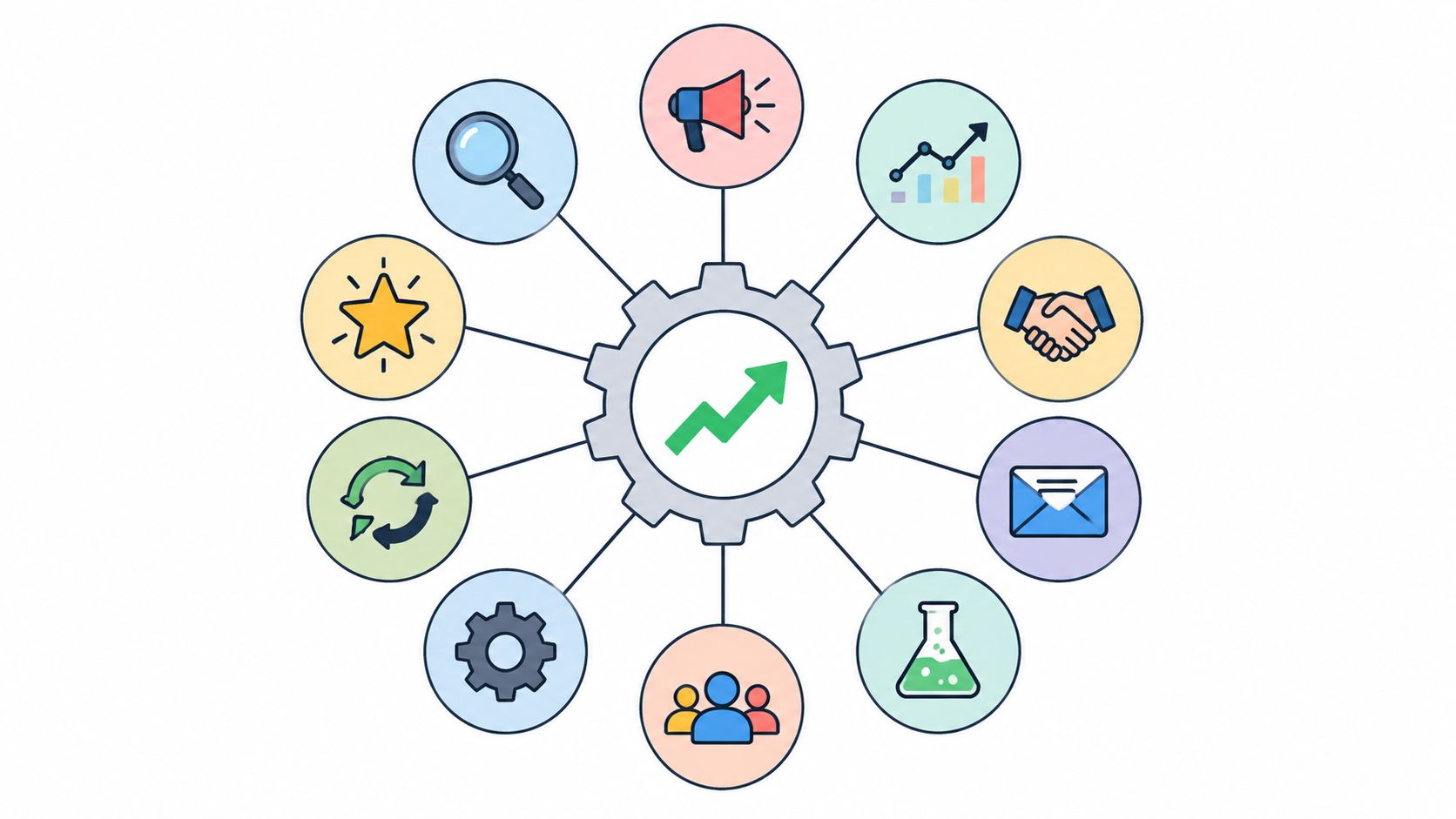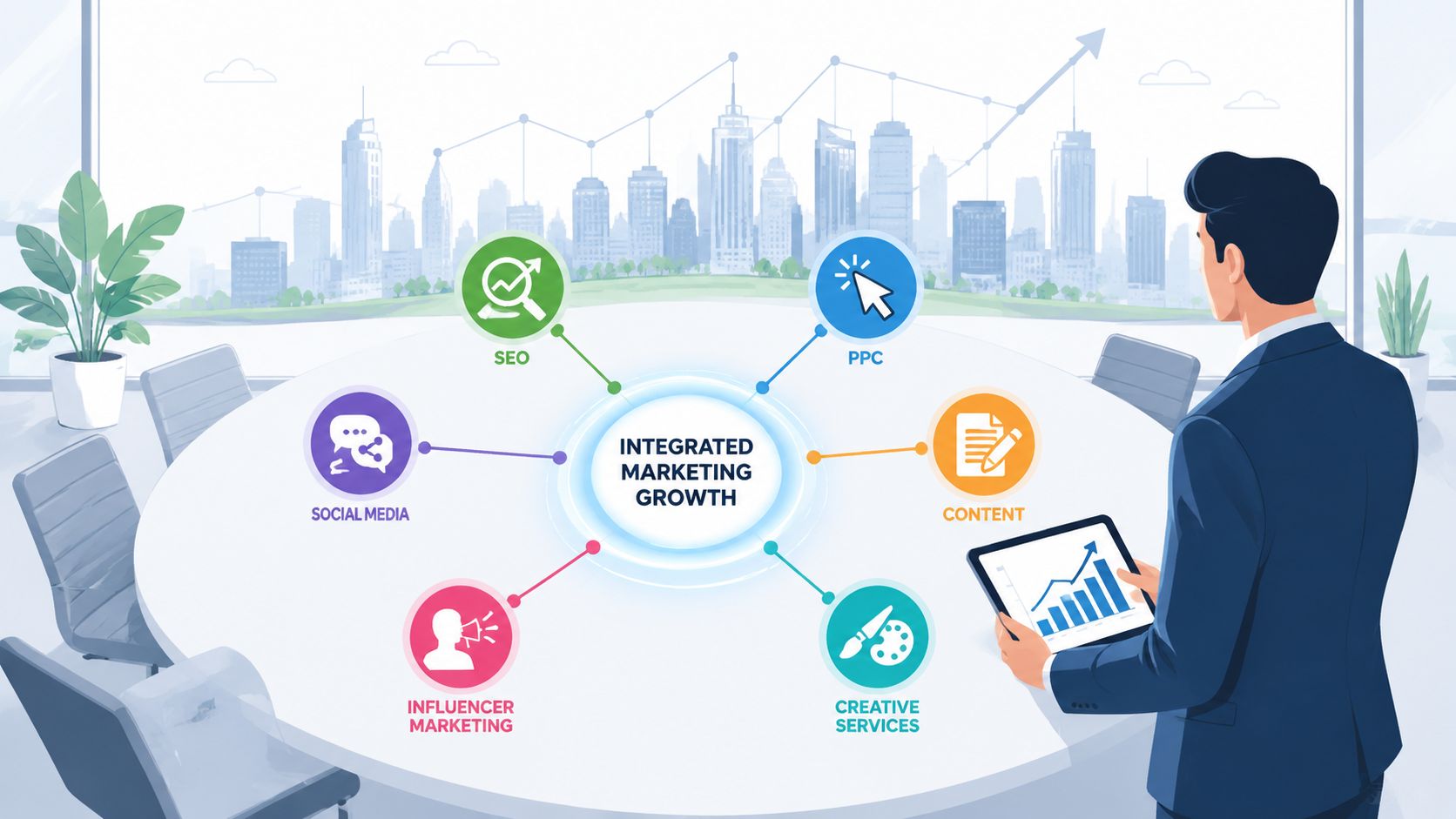

At its heart, a data-driven marketing agency swaps guesswork for genuine, evidence-based strategy. It’s all about using real-world information—customer behaviors, campaign results, market shifts—to build marketing that’s more precise, more efficient, and ultimately, more profitable for your business.
What Is a Data-Driven Marketing Agency, Really?
Let's cut through the noise. A data-driven marketing agency isn't just about drowning you in spreadsheets and charts. It's about making smarter decisions that actually grow your company.
Think of it like this: a traditional marketer is a ship captain navigating with a paper map and a compass. They have a general idea of the destination, sure, but they’re sailing blind into potential storms and unpredictable currents.

A data-driven agency, however, is a modern navigator with access to satellite imagery, real-time weather patterns, and ocean current data. They use this information—your business data—to chart the fastest and safest route to your destination, which are your business goals. This approach doesn't just avoid costly mistakes; it actively seeks the most efficient path to success.
From Intuition to Insight
The big shift here is from relying on intuition to demanding insight. For decades, marketing was often run on creative instinct and a "gut feeling." A seasoned marketer might say, "I just know this ad will hit the mark," and sometimes, they were right. But just as often, they were wrong, and the budget tied to that feeling was gone for good.
A data-driven partner works completely differently. Every move is calculated, designed to maximize your return on investment.
"Instead of guessing what your client’s customers want, you collect and analyze a wealth of data—everything from browsing habits and purchase history to social media interactions and survey feedback."
This philosophy changes everything:
- Every dollar spent is tracked. You know precisely which channels and campaigns are driving results and which are dead ends.
- Every campaign is a learning opportunity. Success or failure, it doesn't matter—both generate invaluable data that sharpens the next strategy, creating a cycle of constant improvement.
- Every decision is backed by evidence. Creativity is still crucial, but great ideas are now tested and proven against actual user behavior and hard numbers.
Why This Matters More Than Ever
Today's business world is incredibly competitive. Customers don't just want personalized experiences—they expect them. And every marketing budget is under a microscope, required to deliver tangible results. Sticking with outdated methods is a recipe for falling behind.
A data-driven marketing agency helps you connect with your audience in a meaningful way, ensuring your efforts aren't just creative but consistently profitable. It's the core of what effective what is marketing operations is all about—building a predictable revenue engine for your company.
Ultimately, this is about moving beyond simply "doing marketing" and starting to engineer results that directly impact your bottom line. It's a foundational shift, and for any business serious about growth, it's no longer optional.
The Core Methods Behind Data-Driven Success
A data-driven marketing agency doesn’t operate on hunches or guesswork. Forget throwing ideas at a wall to see what sticks; true data-driven strategy is about engineering success through a repeatable, scientific process. It's built on three core pillars that transform raw information into predictable growth, making every decision precise, efficient, and measurable.
The entire approach boils down to understanding what actually moves the needle. It's about focusing on actionable data over vanity metrics to generate real business outcomes. Likes and shares are nice, but revenue and customer acquisition are what count.
Deep Customer Segmentation
The first pillar is deep customer segmentation. This is where we stop shouting a generic message into a crowded room and start having meaningful, one-on-one conversations with the people most likely to buy. It’s the art and science of slicing a broad audience into smaller, more defined groups based on who they are and how they behave.
Let’s take an e-commerce brand that sells high-performance running shoes. A surface-level approach targets anyone interested in "running." A data-driven agency, however, gets far more specific, creating segments like these:
- The Marathon Trainer: Buys new shoes every 3-4 months, obsesses over durability, and clicks on content about race preparation.
- The Weekend Jogger: Makes a purchase once a year, cares more about price, and responds to ads that highlight comfort and style.
- The New Runner: Needs educational content, relies heavily on reviews, and starts with a smaller budget.
By breaking the audience down this way, the agency can craft hyper-relevant messages, offers, and creative for each group. This precision stops you from wasting money on people who will never convert and sends your conversion rates soaring.
Relentless A/B Testing
The second pillar is relentless A/B testing. Think of it as the scientific method for marketers. It’s a straightforward process: create two (or more) versions of a single marketing asset—an email subject line, a landing page, an ad—and let them compete to see which one performs better.
A/B testing is the ultimate antidote to ego-driven marketing. Opinions don't matter; the data picks the winner. This fosters a culture of constant improvement, where every part of a campaign is methodically optimized over time.
For example, an online store might test two "Add to Cart" buttons. Version A is blue and says "Buy Now," while Version B is green and says "Add to Bag." They show each version to 50% of their website visitors and watch the numbers.
If Version B gets a 15% higher click-through rate, the debate is over. That tiny, data-backed change could easily add up to thousands of dollars in new revenue. A great agency applies this rigorous testing to everything.
Sophisticated Attribution Modeling
The final pillar is sophisticated attribution modeling. This is how we finally answer the age-old marketing question: "I know half my advertising is working, but which half?" Attribution modeling is simply a framework for giving credit to the marketing channels that a customer touches on their way to making a purchase.
Think of the customer journey like a soccer team scoring a goal. The striker gets the glory, but what about the midfielder who made the perfect pass or the defender who started the whole play? Basic attribution models only credit the striker (the last touchpoint), but smarter models recognize the contribution of every player on the field.
There are several ways to assign credit:
- Last-Touch Attribution: Gives 100% of the credit to the very last thing a customer clicked before converting. Simple, but often misleading.
- First-Touch Attribution: Assigns all the credit to the first touchpoint that introduced the customer to your brand.
- Linear Attribution: Spreads credit out equally across every single touchpoint in the journey.
- Data-Driven Attribution: This is the gold standard. It uses machine learning to analyze all the paths to conversion and assigns credit based on each channel's actual influence.
Using the right model gives an agency a crystal-clear picture of which channels—from social media ads to organic search—are driving sales and which are just along for the ride. That clarity is the key to allocating your budget intelligently and maximizing your return on investment.
What a Data-Driven Agency Actually Does for You
So, what does this all look like in practice? When you partner with a data-driven marketing agency, you're not just buying a list of services. You're getting a team that uses data to connect every marketing action to a real business outcome.
Think of it less like a checklist and more like a feedback loop. Instead of just "doing SEO," they dive deep into search trends, pinpoint your competitors' weak spots, and analyze user intent data to build a strategy that actually works. Every service they offer is designed to turn raw numbers into measurable growth.
This infographic breaks down how the core methodologies—customer segmentation, A/B testing, and attribution—all work together.
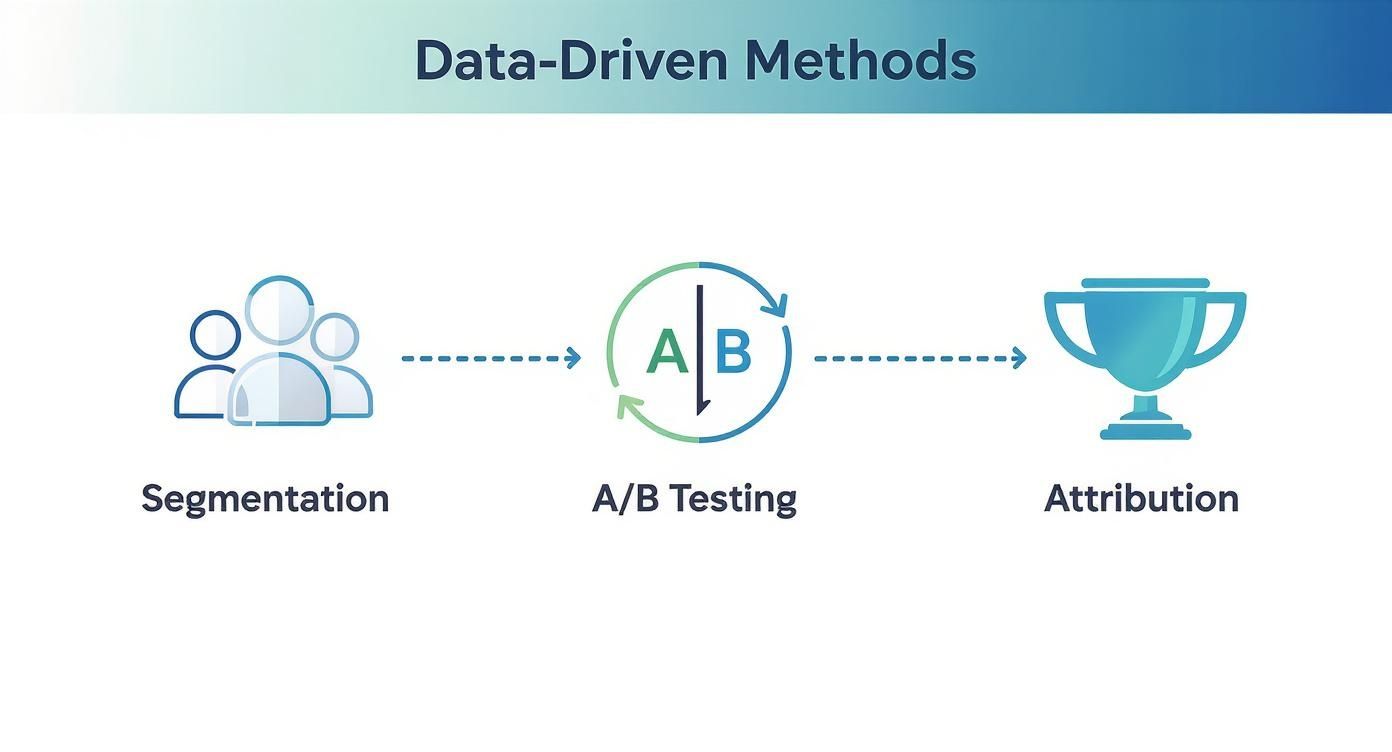
As you can see, it starts with understanding your user groups (segmentation), which tells you what to test (A/B testing). Then, proper measurement (attribution) proves what's actually driving results.
Performance Marketing and Paid Media
Nowhere does a data-driven approach make a bigger impact than in performance marketing. This is the world of Pay-Per-Click (PPC) and paid social ads, where every dollar is tracked and success is measured in clicks, conversions, and cost per acquisition (CPA).
A great agency doesn't just set up ads and hope for the best. They build a system for constant improvement.
- Smarter Audience Targeting: They use your own first-party data alongside platform analytics to zero in on your most profitable customer profiles. This stops you from wasting money on audiences that simply don't convert.
- Creative That Converts: Data, not guesswork, decides which ad creative wins. They systematically test ad copy, images, and calls-to-action to find out what truly clicks with each audience segment. A tiny 5% bump in click-through rate can have a massive impact on your acquisition costs.
- Dynamic Budget Allocation: Using a mix of smart algorithms and expert oversight, they shift your ad spend to the best-performing campaigns in real-time. Money flows to what works, not what doesn't.
SEO and Content Strategy
SEO isn't about jamming keywords into a page anymore. It’s a sophisticated practice that hinges on understanding what your audience wants, what your competitors are doing, and how well your site performs on a technical level. A data-driven agency views content as a strategic asset, not just a blog to keep updated.
They use data to find the answers to crucial questions: What problems are my customers searching for solutions to? What topics will establish our expertise? Which keywords show someone is ready to buy? The answers shape a content plan where every article and video has a clear purpose and a measurable goal.
A data-informed SEO strategy means you stop creating content you think people want and start creating content you know they are actively searching for. It's the difference between shouting into the void and having a meaningful conversation with a qualified lead.
Conversion Rate Optimization (CRO)
Getting people to your website is only half the job. Conversion Rate Optimization (CRO) is the science of turning those visitors into leads or customers. It’s a detail-oriented process of finding and fixing the friction points on your site that are causing people to leave.
A data-driven agency will use tools like heatmaps and session recordings to literally watch how users interact with your pages, pinpointing exactly where they get stuck. From there, they'll form a hypothesis—like, "Changing the button text from 'Submit' to 'Get My Free Quote' will boost form fills"—and run an A/B test to prove it. This cycle of analysis and testing creates small, steady wins that compound into significant growth over time.
CRM and Email Automation
Your Customer Relationship Management (CRM) system is a treasure trove of insights. A sharp agency can help you tap into that data to build powerful, automated communication systems that nurture leads and keep customers coming back. We're talking about much more than a generic monthly newsletter.
By analyzing customer data—purchase history, website behavior, email opens—they can design personalized and automated campaigns. For instance, a customer who leaves items in their cart could trigger a series of emails with a gentle reminder and maybe even a special offer to close the deal. Exploring different marketing automation workflows shows just how much revenue is waiting to be unlocked from the customers you already have.
To tie this all together, here is a quick look at the typical services offered by a data-driven agency and the key metrics they use to track success.
Data Driven Agency Services and Key Performance Indicators
This table outlines the primary services offered by a data-driven agency and the corresponding KPIs they use to measure success and demonstrate ROI.
| Service Offered | Data-Driven Approach | Primary KPIs |
|---|---|---|
| Performance Marketing | Algorithmic bidding, audience segmentation, and creative A/B testing. | Cost Per Acquisition (CPA), Return On Ad Spend (ROAS), Customer Lifetime Value (LTV). |
| SEO & Content Strategy | Keyword gap analysis, user intent modeling, and backlink data analysis. | Organic Traffic, Keyword Rankings, Conversion Rate from Organic Search, SERP feature ownership. |
| CRO | User behavior analysis (heatmaps, session recordings), A/B and multivariate testing. | Conversion Rate, Bounce Rate, Average Order Value (AOV), Form Submission Rate. |
| CRM & Email Automation | Customer segmentation, behavior-triggered workflows, and personalization. | Email Open/Click-Through Rates, Lead Nurture Conversion Rate, Customer Churn Rate. |
As you can see, every service is directly tied to metrics that matter to your bottom line. It’s about replacing assumptions with certainty and ensuring every marketing dollar is working as hard as it possibly can.
The Technology Powering Modern Marketing
Behind every great data-driven marketing agency, you'll find a seriously powerful tech stack. These aren't just a bunch of fancy software subscriptions. Think of them as the engine and navigation system that make evidence-based strategies work, turning mountains of raw data into a clear roadmap for growth.
Without the right tools, a marketer is like an astronomer squinting through a cheap pair of binoculars. Sure, they can see the stars, but they can't really map the galaxy. The right technology, on the other hand, is like a high-powered telescope—it brings every detail into focus, helps predict movements, and lets you understand the universe of your customers with stunning clarity. This is where AI and machine learning come in, not as some far-off sci-fi concept, but as a practical co-pilot for human strategists.
The Role of AI and Machine Learning
Artificial intelligence isn't a buzzword anymore; it's a fundamental piece of the modern marketing puzzle. AI can sift through millions of data points in seconds, spotting hidden patterns and opportunities that would take a human team months to uncover.
The impact is massive. AI has completely changed how we plan and measure campaigns. The global AI marketing market was valued at $47.32 billion in 2025 and is on track to smash past $107.5 billion by 2028. With 88% of marketers already using AI in their daily work, it's clear this isn't just a trend.
Machine learning, a key part of AI, is the engine that actually learns from all this data. It gets smarter with every campaign it analyzes, constantly sharpening its ability to predict what customers will do next, personalize their experiences at scale, and put your ad spend exactly where it will get the best return.
AI doesn't replace skilled marketers; it supercharges them. It takes care of the tedious number-crunching, freeing up strategists to focus on what they do best: understanding the customer, crafting compelling stories, and making sharp, high-level decisions based on crystal-clear insights.
Essential Platforms in the Tech Stack
While AI provides the brainpower, a handful of core platforms provide the structure. Any top-tier data-driven agency will have deep, hands-on expertise with these tools. In fact, their proficiency here is non-negotiable if they're promising you real results.
Here are the essential platforms to look for:
- Analytics and Reporting Platforms: This is the bedrock. Tools like Google Analytics 4 are absolutely essential for tracking website traffic, seeing what users do, and mapping out conversion funnels. They answer the "what" and "how" of customer behavior.
- Customer Relationship Management (CRM) Systems: Platforms like HubSpot or Salesforce bring all your customer data into one place. They track every touchpoint—from the first website visit to the final purchase—giving you a single, unified view of the entire journey.
- Data Visualization Tools: Let's be honest, raw data is overwhelming. Tools like Tableau are critical for turning complex spreadsheets into dashboards and reports that actually make sense. Effective data visualization for marketing is what turns numbers into a story that executives can grasp in a meeting and act on immediately.
Connecting Technology to Business Outcomes
The real magic isn't in the software features, but in how an agency uses them to solve your business problems. For instance, an e-commerce brand losing sales to cart abandonment can use its CRM's automation to trigger personalized reminder emails based on specific behaviors tracked in its analytics platform.
It's all connected. Machine learning algorithms can analyze past ad performance to predict which audiences are most likely to convert next month. That allows the agency to shift budget proactively and lock in a better ROAS. Every tool in the stack should work together, creating a seamless flow of information that leads directly to smarter, more profitable marketing decisions. Ultimately, the tech stack is the central nervous system of a modern agency.
How to Choose the Right Agency Partner
https://www.youtube.com/embed/lPRRu7N29cw
Picking a data-driven marketing agency is a big deal. This isn't just about hiring a vendor to run some ads; you're bringing in a strategic partner who will directly influence your company’s bottom line. The right choice can open up entirely new ways to grow, but the wrong one can burn through your budget and leave you with nothing but missed opportunities.
The trick is to have a solid evaluation plan that helps you cut through the sales pitches and see what an agency can really do. This means looking beyond the slick presentations and digging into their processes, their team's real-world expertise, and, most importantly, the results they’ve actually delivered. A true partner will welcome the tough questions and have the numbers to back up their claims.
Scrutinize Their Case Studies
First things first, you need to dive into their past work—but with a critical eye. Not all case studies are created equal. Many are puffed up with vanity metrics like impressions or clicks, which look great on a slide but don't tell you a thing about whether the client actually made more money.
Your job is to hunt for proof of real business impact. Here’s what to zero in on:
- Look for Bottom-Line Metrics: Do their success stories talk about Return on Ad Spend (ROAS), Cost Per Acquisition (CPA), or Customer Lifetime Value (LTV)? These are the numbers that connect their marketing work directly to your revenue.
- Understand the "How": A good case study doesn't just show you a pretty graph of the final result. It should walk you through the strategy—the initial problem, the data-backed hypothesis they came up with, the tests they ran, and how those learnings led to the outcome.
- Ask About Similar Challenges: Tell them about a specific problem your business is facing right now. Ask if they have a case study that tackled something similar and have them explain their thought process from start to finish.
This is how you separate the agencies that just tell good stories from the ones that build great strategies.
Evaluate Their Reporting and Communication
The way an agency reports on performance is a dead giveaway of how committed they are to transparency and data. Your goal is to find a partner who brings you clarity, not confusion. The last thing you want is someone dropping a 50-page spreadsheet in your inbox every month with zero context or actionable advice.
A great agency doesn't just deliver data; they deliver insights. Their reports should tell a clear story about what’s working, what isn’t, and—most importantly—what strategic adjustments they recommend making next.
When you're talking to them, ask to see a sample report or dashboard. Look for clean visuals, easy-to-understand summaries, and a sharp focus on the KPIs that actually matter to your business goals.
You also need to nail down their communication style. Will you have a dedicated person to talk to? How often will you meet to review performance and plan next steps? A clear, consistent communication rhythm is non-negotiable. For a deeper look at what makes a solid agency relationship tick, check out our guide on how to choose a marketing agency.
Ask the Right Questions
Finally, the questions you ask during the interview process can tell you more about an agency's competence than any polished slide deck. Ditch the generic questions and get to the heart of how they think and operate.
Here are a few powerful questions to have in your back pocket for any potential data-driven marketing agency:
- "Walk me through a campaign where the data proved your initial assumption wrong. How did you pivot?" This question tests their humility and whether they follow the data or their own ego. A great agency isn't afraid of being wrong; they're afraid of not learning.
- "How do you approach attribution modeling for a business like ours?" This reveals their technical know-how. Their answer should show they understand different models and can explain why they’d pick one over another for your specific business.
- "What does your technology stack look like, and why did you choose those specific tools?" This helps you figure out if they have the right toolkit for the job. They should be able to justify their choices based on what drives efficiency and better results.
- "Describe your process for A/B testing, from hypothesis to implementation." A confident answer here will lay out a structured, almost scientific approach, proving they have a repeatable process for making things better over time.
By focusing on their real results, their communication style, and their answers to tough questions, you can confidently find a partner who uses data not just to run campaigns, but to engineer real, sustainable growth for your business.
Have Questions Before Hiring a Data-Driven Agency? We’ve Got Answers.
Making the leap to partner with a data-driven marketing agency is a big decision, and it’s smart to have questions. You're probably wondering about the practical side of things—how much it costs, how long it takes to see results, and how this is any different from what you've tried before.
Let's clear the air and tackle the most common questions we hear. Getting these answers upfront is the best way to make sure you and your future agency partner are on the same page from day one.
What’s a Realistic Budget for This Type of Agency?
This is usually the first question on everyone's mind, and the honest answer is: it depends. There’s no single price tag because the cost is tied directly to the scope of work, your specific business goals, and how the agency structures its fees.
That said, most agencies operate on one of a few common models:
- Monthly Retainer: You pay a fixed fee each month for a specific set of services. This is great for ongoing work like SEO, content marketing, and continuous ad management because it provides budget predictability. Retainers can start at a few thousand dollars for smaller businesses and scale into the tens of thousands for more complex, enterprise-level accounts.
- Performance-Based Fees: Here, the agency’s pay is tied directly to the results they generate. This could be a percentage of ad spend, a flat fee for every qualified lead, or even a slice of the revenue they help bring in. It's a powerful model because it perfectly aligns their incentives with your success.
- Project-Based Pricing: If you have a one-off initiative, like a website overhaul or a major product launch campaign, you'll likely get a fixed price for the entire project.
The goal is to find an agency with a transparent pricing structure that fits where your business is today and where you want it to go.
How Long Until I See a Return on My Investment?
Patience is key, especially in data-driven marketing. While some tactics, like a laser-focused Google Ads campaign, can show a spark almost immediately, the real, transformative power of this approach builds over time. Think of it as a marathon, not a sprint.
The first few months are all about laying the groundwork—it’s a critical data collection and learning phase.
The first 90 days are typically spent setting up tracking, gathering baseline data, truly understanding your audience, and running initial tests. This foundational work is what allows a great agency to start making smart, evidence-based decisions that drive sustainable, long-term growth.
You should start seeing positive leading indicators—like better audience engagement, higher click-through rates, and more qualified website traffic—within the first couple of months. But the significant ROI, the kind you measure in new customers and real revenue, usually becomes clear within four to six months as the strategies take root and the results start to compound.
How Is a Data-Driven Agency Different from a Creative Agency?
This is a fantastic question, and the distinction is crucial. Both types of agencies play vital roles, but they operate from fundamentally different mindsets and are built to solve different problems. Knowing the difference ensures you hire the right partner for the job at hand.
A traditional creative agency is your master of brand building and storytelling. They excel at crafting beautiful campaigns, developing your brand's unique voice, and forging an emotional connection with your audience. Think of them as the artists and storytellers who build the "why" behind what you do.
A data-driven marketing agency, on the other hand, is a master of performance and optimization. Their world revolves around analyzing user behavior, testing hypotheses, and engineering marketing funnels that predictably convert clicks into customers. They are the scientists and engineers who can prove what is working and figure out how to get more of it.
Here’s a simple way to look at it:
| Aspect | Creative Agency | Data-Driven Agency |
|---|---|---|
| Primary Goal | Build brand awareness and emotional connection. | Drive measurable actions and maximize ROI. |
| Core Skillset | Storytelling, design, and conceptual ideation. | Analytics, testing, segmentation, and optimization. |
| Measures of Success | Brand sentiment, reach, and creative awards. | CPA, ROAS, LTV, and conversion rates. |
| Guiding Principle | "Does this idea feel right for the brand?" | "Can we prove this idea works with data?" |
Ultimately, the most powerful marketing strategies often blend both worlds. But if your immediate priority is to generate qualified leads, drive sales, and achieve growth you can actually measure, a data-driven marketing agency is exactly the partner you need.
Ready to see how a data-driven approach can transform your business? At ReachLabs.ai, we combine expert strategy with powerful analytics to deliver results you can measure. Let's build a predictable growth engine for your brand. Schedule a consultation with us today!