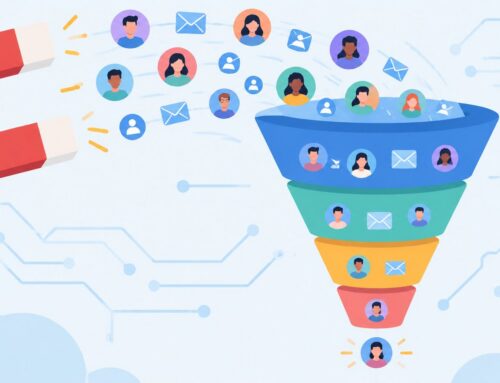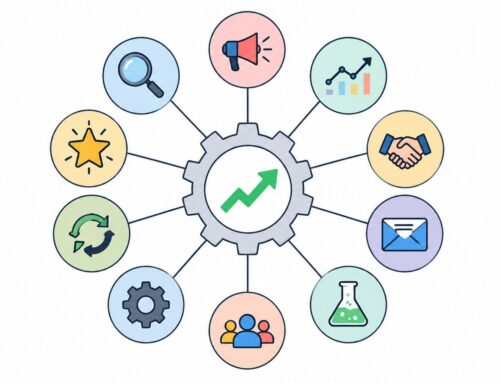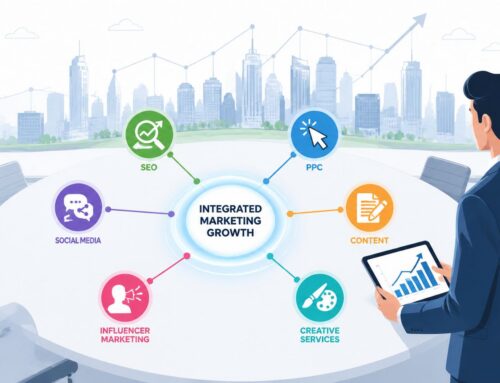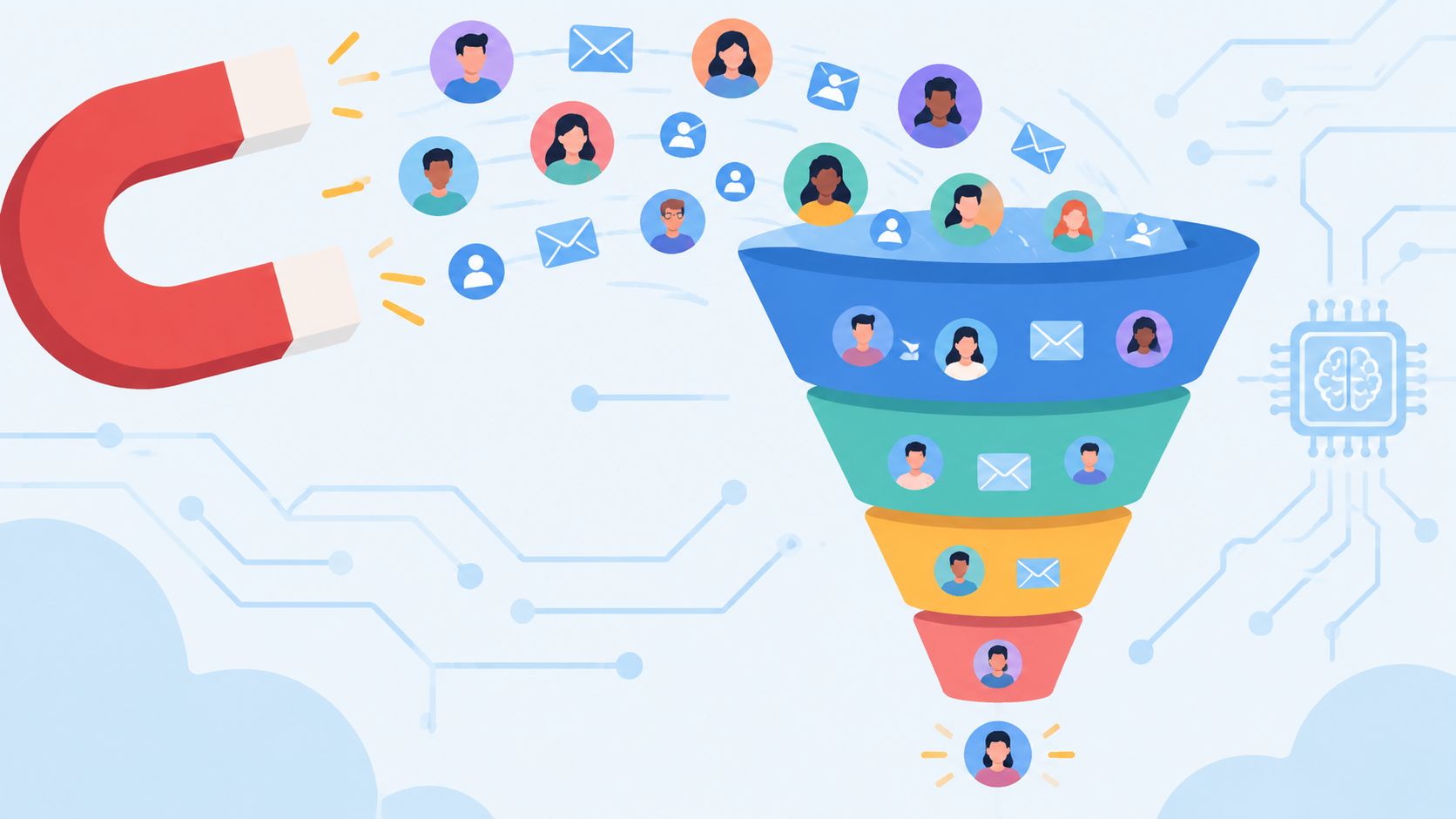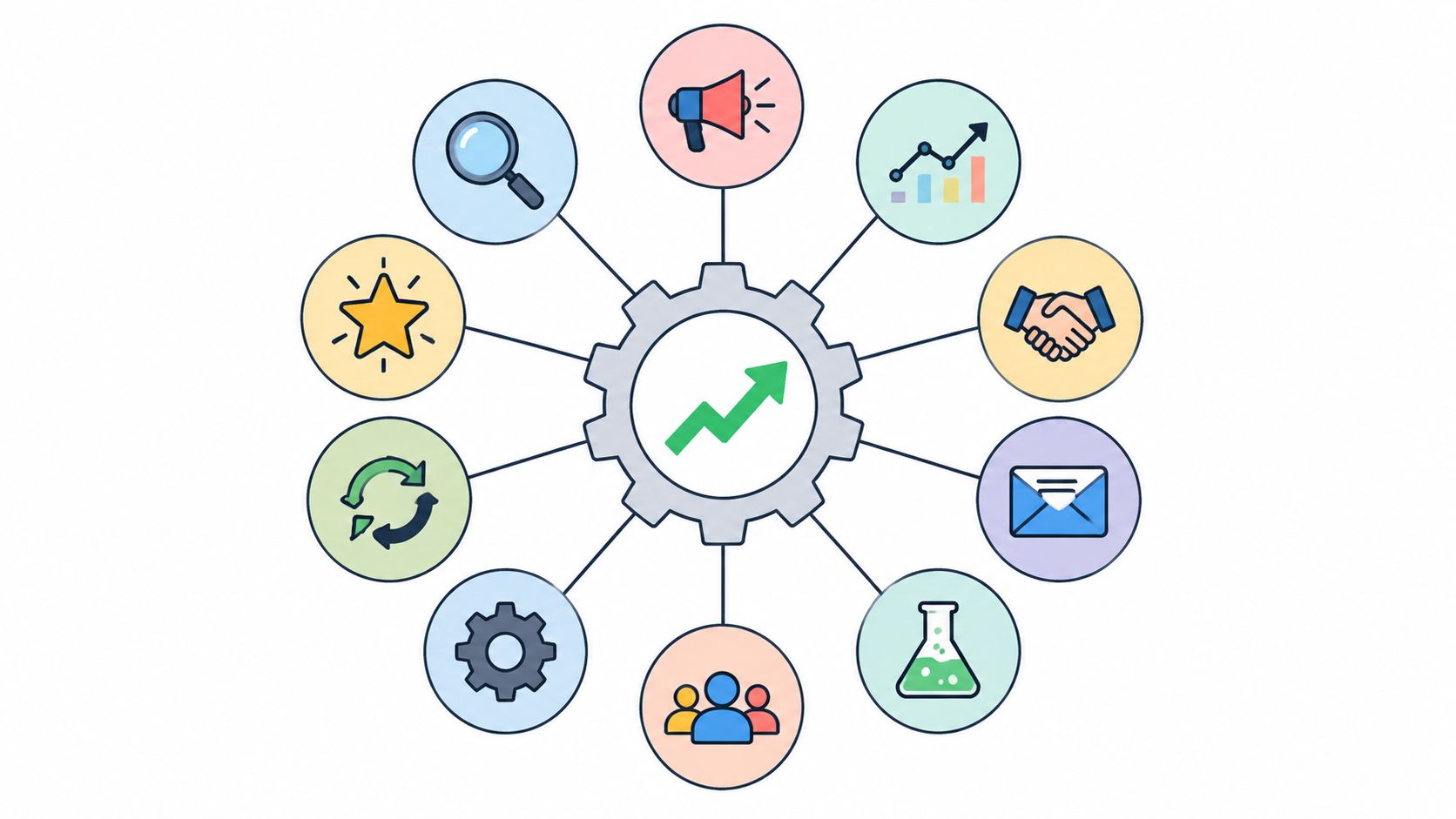
In today's competitive market, simply attracting traffic isn't enough. Your business needs a sustainable pipeline of qualified prospects ready to engage with your brand. Effective lead generation is the engine that drives revenue and business growth, but the rules of the game are constantly changing. Outdated tactics no longer cut through the noise, and to truly unlock high-quality leads and achieve significant growth, leveraging modern approaches such as AI for Lead Generation That Drives Real Growth can be a powerful accelerator.
This article provides a comprehensive playbook of nine powerful marketing strategies for lead generation that are delivering real results today. We will move beyond the basics, offering actionable insights, practical examples, and expert tips to help you build a robust system for attracting, nurturing, and converting your ideal customers. You'll learn how to implement everything from sophisticated Account-Based Marketing (ABM) campaigns to high-converting social media tactics.
Whether you're a startup founder or a seasoned marketing professional, these strategies will provide a clear roadmap to supercharge your sales funnel. This guide is designed to be a definitive resource, equipping you with the specific knowledge needed to turn your marketing efforts into a predictable source of high-quality leads and achieve your most ambitious growth objectives.
1. Content Marketing & SEO
Content marketing is the strategic practice of creating and distributing valuable, relevant, and consistent content to attract and retain a clearly defined audience. When combined with Search Engine Optimization (SEO), it becomes one of the most powerful and sustainable marketing strategies for lead generation. Instead of directly pitching your products, you provide solutions to your audience's problems, positioning your brand as a trusted authority. This inbound approach draws potential customers to your website organically.

The goal is to create content that answers the specific questions your target audience is searching for online. By optimizing this content for search engines, you increase its visibility, driving qualified traffic directly to your digital doorstep. This traffic can then be converted into leads through strategically placed calls-to-action and valuable lead magnets like ebooks or webinars. A prime example is HubSpot, which has built its entire business on providing high-quality marketing and sales content, generating millions of leads through its blog and free tools.
How to Implement This Strategy
- Identify Customer Pain Points: Use keyword research tools like Ahrefs or Semrush to discover what your audience is searching for. Focus on long-tail keywords that indicate a specific problem or need.
- Create High-Value Content: Develop comprehensive blog posts, in-depth guides, or video tutorials that fully address these pain points. The better your content solves the problem, the more trust you build.
- Develop Compelling Lead Magnets: Offer a valuable, downloadable resource in exchange for an email address. This could be a detailed checklist, an exclusive ebook, or a case study that complements your free content.
- Optimize and Promote: Ensure every piece of content is SEO-optimized with relevant keywords, meta descriptions, and internal links. Promote your content across social media, email newsletters, and other relevant channels to maximize its reach.
2. Social Media Lead Generation
Social Media Lead Generation involves leveraging platforms like LinkedIn, Facebook, Instagram, and Twitter to connect with potential customers and guide them into your sales funnel. Instead of waiting for leads to find you, this strategy meets them where they already spend a significant amount of their time online. By combining organic content, targeted paid advertising, and direct engagement, you can build a community, establish brand authority, and capture leads directly within the platforms. This approach is one of the most direct marketing strategies for lead generation available today.

The key is to move beyond simply posting content and instead focus on creating interactive experiences that encourage action. Social platforms now offer powerful tools designed specifically for this purpose, such as native lead forms that auto-populate user information, making the submission process seamless. For example, a B2B company might use LinkedIn's Lead Gen Forms in a sponsored content campaign to offer a free whitepaper, capturing high-quality leads with significantly less friction than directing users to an external landing page. Similarly, a B2C brand could use Instagram Stories with a "Swipe Up" link or a poll sticker to capture interest.
How to Implement This Strategy
- Choose the Right Platforms: Focus your efforts where your target audience is most active. A B2B software company will likely find more success on LinkedIn, while a fashion brand would thrive on Instagram and Pinterest.
- Utilize Native Lead Forms: Platforms like Facebook and LinkedIn offer lead generation ad formats that allow users to submit their information without leaving the app. This simple step can dramatically increase conversion rates.
- Engage Authentically and Proactively: Don't just broadcast your message. Respond to comments, participate in relevant groups, and engage in conversations to build genuine relationships and identify potential leads.
- Run Targeted Ad Campaigns: Use the sophisticated targeting options available on social media to reach specific demographics, interests, and behaviors. Test different ad formats, visuals, and copy to see what resonates most with your audience.
3. Email Marketing Campaigns
Email marketing is a highly effective direct marketing channel that involves sending targeted communications to a list of subscribers who have opted to receive them. Far from being outdated, it remains one of the most personal and high-ROI marketing strategies for lead generation. This strategy allows you to nurture relationships, guide prospects through the sales funnel, and drive conversions directly from their inbox using welcome sequences, newsletters, and promotional offers.
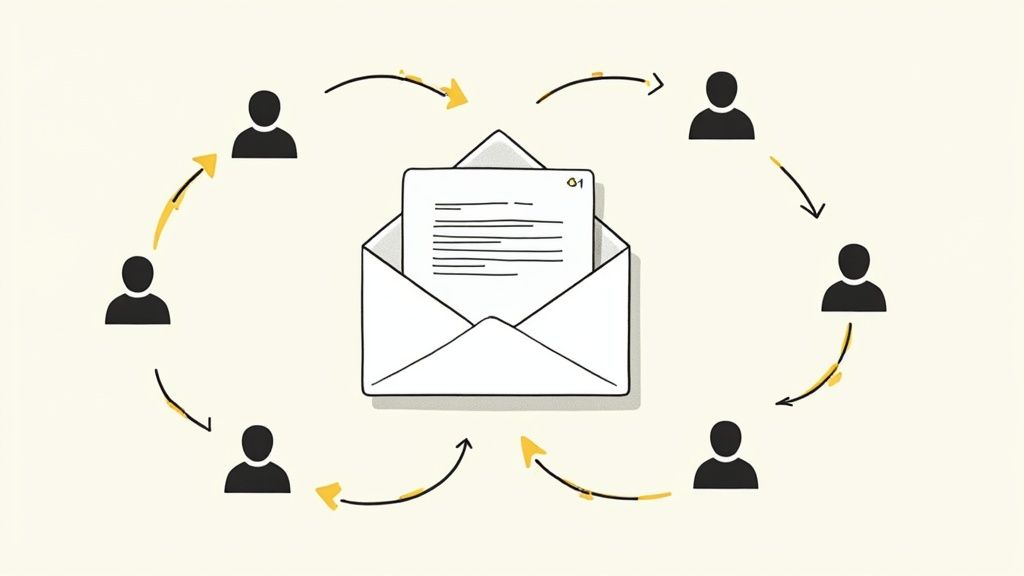
The power of email lies in its ability to deliver personalized content based on user behavior and preferences. By segmenting your audience, you can send hyper-relevant messages that resonate deeply, moving subscribers from passive interest to active engagement. For instance, Airbnb sends personalized travel recommendations based on past searches, while Spotify uses listener data to power its popular music discovery campaigns, effectively converting subscribers into loyal customers. For a deeper dive, you can explore how to boost email marketing conversion rates on reachlabs.ai.
How to Implement This Strategy
- Segment Your Email List: Group subscribers based on demographics, purchase history, or on-site behavior. This allows for more targeted and effective messaging that speaks directly to their needs.
- Craft Compelling Subject Lines: Your subject line is the first impression. Use curiosity, urgency, or personalization to create intrigue and significantly improve your open rates.
- Include a Clear Call-to-Action (CTA): Every email should have a single, clear purpose. Use a prominent button with action-oriented text like "Shop Now" or "Download Your Guide" to direct subscribers to the next step.
- Automate and Nurture: Implement automated drip campaigns, such as welcome sequences for new subscribers or re-engagement campaigns for inactive ones, to consistently nurture leads without manual effort.
4. Pay-Per-Click (PPC) Advertising
Pay-Per-Click (PPC) advertising is a powerful digital marketing model where you pay a fee each time one of your ads is clicked. By bidding on keywords relevant to your business on platforms like Google Ads or Microsoft Ads, you can place your website at the top of search results instantly. This strategy provides immediate visibility and a direct pipeline of traffic from users actively searching for your solutions, making it one of the most direct marketing strategies for lead generation.
Unlike organic strategies that take time to build momentum, PPC delivers rapid results, allowing you to turn a campaign on or off with a simple click. This control and speed are ideal for testing offers, promoting time-sensitive events, or quickly entering new markets. For example, a law firm can use Google Ads to target high-intent keywords like "personal injury lawyer near me" to generate qualified case leads, or a SaaS company can use LinkedIn Ads to reach decision-makers with specific job titles. The key is to direct this paid traffic to a highly optimized, relevant landing page designed for conversion.
How to Implement This Strategy
- Target High-Intent Keywords: Focus your budget on keywords that signify commercial intent. These are search terms used by people who are ready to make a purchase or take a specific action, ensuring a higher quality of traffic.
- Create Dedicated Landing Pages: Never send PPC traffic to your homepage. Instead, create a custom landing page for each campaign that aligns perfectly with the ad copy and the user's search query to maximize conversion rates.
- Utilize Negative Keywords: Actively build a list of negative keywords to prevent your ads from showing up for irrelevant searches. This simple step reduces wasted ad spend and improves the quality of your clicks.
- Implement Robust Conversion Tracking: From day one, set up conversion tracking to measure which keywords, ads, and campaigns are generating leads. This data is critical for optimizing your campaigns for better ROI. For a deeper look at industry-specific approaches, explore how to get targeted real estate leads on reachlabs.ai.
5. Webinars and Virtual Events
Webinars and virtual events are powerful marketing strategies for lead generation that combine in-depth content with live, direct engagement. By hosting an educational online presentation, you can demonstrate your expertise, provide tangible value to a captive audience, and capture high-intent leads in the process. This strategy positions your brand as an industry authority and builds a direct relationship with potential customers who are actively seeking solutions.
The core idea is to offer specialized knowledge in exchange for a prospect's time and contact information. Unlike static content, webinars allow for real-time interaction through Q&A sessions and polls, creating a dynamic learning environment that nurtures leads more effectively. Companies like HubSpot leverage this by offering extensive webinar series on marketing and sales topics, while platforms like Zoom use their own product to demonstrate its capabilities, turning attendees into qualified prospects.
How to Implement This Strategy
- Choose a High-Value Topic: Identify a pressing pain point your target audience faces and structure your webinar around providing a clear, actionable solution. The topic must be compelling enough to justify an hour of their time.
- Promote Extensively: Announce your webinar across all channels, including email lists, social media, and paid ads. Create a dedicated landing page that clearly outlines the benefits for attendees and makes registration simple.
- Engage During the Event: Incorporate interactive elements like polls, Q&A sessions, and live chat to keep your audience engaged. A passive presentation leads to drop-offs, while active participation builds connection.
- Follow Up Strategically: After the event, send a thank-you email to all registrants with a recording of the webinar. Segment your follow-up for attendees and no-shows, offering tailored calls-to-action to guide them further down the sales funnel.
6. Referral and Word-of-Mouth Marketing
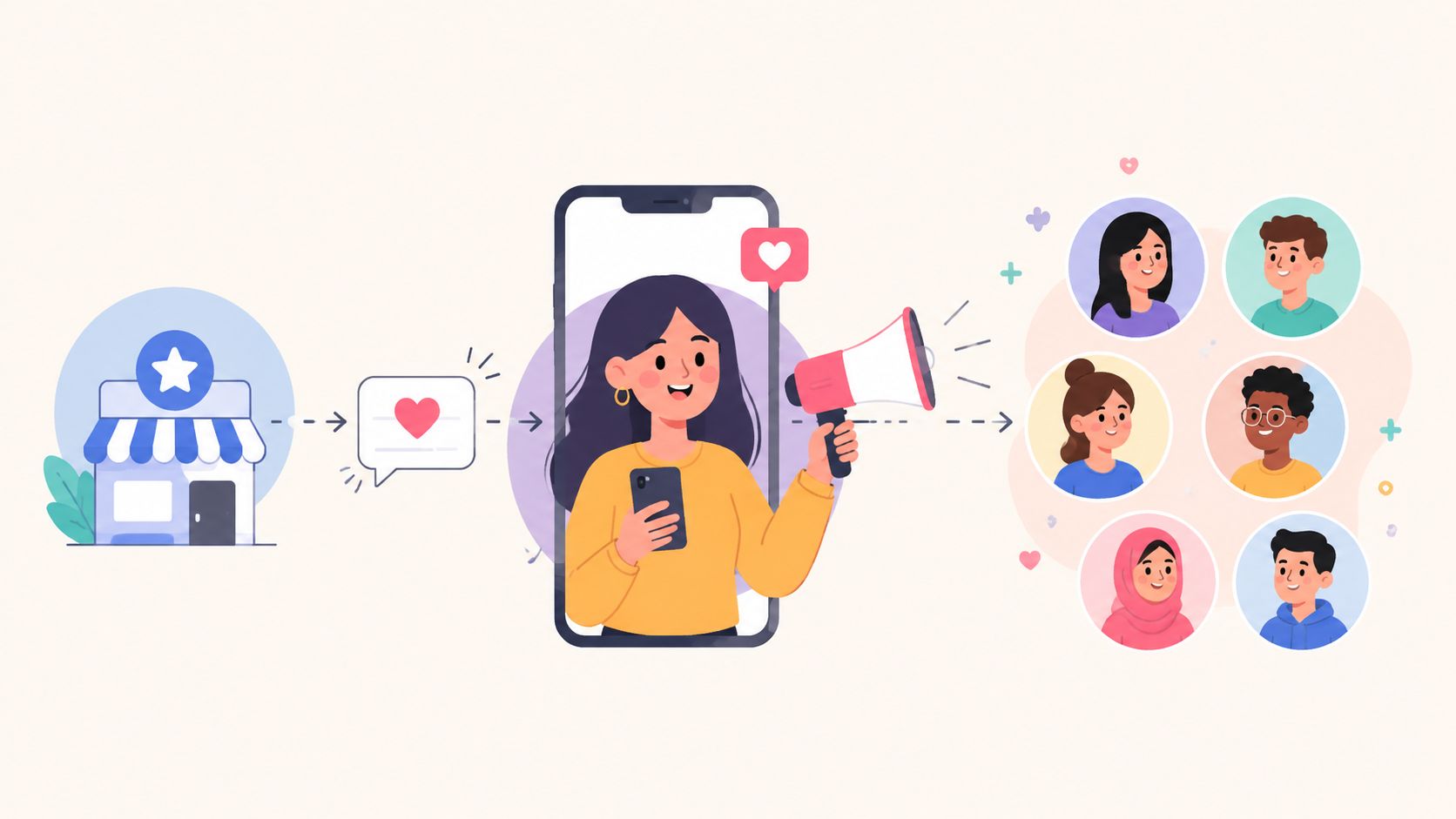
Referral marketing leverages your existing customer base to generate new leads by encouraging them to recommend your brand to their network. This strategy capitalizes on the power of trust and social proof, as a recommendation from a friend is far more persuasive than traditional advertising. By turning satisfied customers into brand advocates, you create one of the most cost-effective and high-converting marketing strategies for lead generation.
The core principle is to incentivize word-of-mouth promotion, creating a self-sustaining cycle of growth. Leads generated through referrals often have a higher lifetime value and convert more easily because they arrive with pre-established trust. A classic example is Dropbox, which offered free storage space to both the referrer and the new user, a simple incentive that fueled its explosive early growth. Similarly, Airbnb's "Give credit, Get credit" program successfully encouraged users to invite friends, scaling their platform globally.
How to Implement This Strategy
- Create a Formal Program: Design a structured referral program with clear, compelling incentives for both the referrer and the new lead. This could be discounts, credits, cash, or exclusive features.
- Make Referring Effortless: Provide customers with unique referral links, pre-written email templates, or one-click social sharing buttons. The easier it is to share, the more likely they are to do it. For deeper insights into structuring your approach, explore these methods on how to obtain referrals.
- Promote Your Program: Actively promote your referral program through email newsletters, social media, and on your website. Remind happy customers that they can benefit from spreading the word.
- Track and Follow Up Promptly: Use referral marketing software like ReferralCandy or Mention Me to track performance. Ensure you follow up with new referral leads quickly to capitalize on their initial interest.
7. Lead Magnets and Opt-in Offers
Lead magnets are valuable, free resources offered to potential customers in exchange for their contact information, typically an email address. This strategy is foundational to many marketing strategies for lead generation because it facilitates a direct value exchange. Instead of just asking for an email, you provide a tangible solution to a specific problem, making prospects more willing to connect and instantly positioning your brand as helpful and knowledgeable.
The key to a successful lead magnet is its relevance and immediate utility. It must offer a quick win or a specific piece of high-value information that your target audience can use right away. Companies like HubSpot excel at this by offering extensive libraries of free marketing templates and tools that directly solve common professional challenges. This approach not only captures a lead but also provides a positive first interaction with the brand, making future engagement much more likely.
How to Implement This Strategy
- Align with Buyer Personas: Create lead magnets that solve a specific problem for a specific segment of your audience. A guide for beginners will not appeal to an expert, and vice versa.
- Test Different Formats: Experiment with various types of offers to see what resonates most with your audience. This could range from checklists and templates to whitepapers, free trials, or exclusive video content.
- Place Opt-ins Strategically: Don't hide your offers. Use pop-ups, hello bars, in-line forms within relevant blog posts, and dedicated landing pages to maximize visibility and conversion opportunities.
- Deliver and Nurture Immediately: Automate the delivery of the resource as soon as a user signs up. Follow up with a welcome email sequence that provides more value and guides them further down the sales funnel.
8. Account-Based Marketing (ABM)
Account-Based Marketing (ABM) is a hyper-focused B2B approach that flips the traditional marketing funnel on its head. Instead of casting a wide net to capture as many leads as possible, ABM concentrates marketing and sales resources on a select set of high-value target accounts. This strategy treats individual accounts as unique markets, allowing for deeply personalized campaigns that resonate with key decision-makers. It’s one of the most effective marketing strategies for lead generation when dealing with complex sales cycles and large enterprise clients.
The core principle of ABM is to engage specific accounts with tailored messaging and content, fostering stronger relationships and improving conversion rates. By aligning sales and marketing teams from the start, businesses can create a cohesive and personalized buying experience. For instance, a company like Snowflake might use ABM to target a specific enterprise account by creating custom-tailored content that addresses that company's unique data warehousing challenges, ultimately leading to a high-value deal.
How to Implement This Strategy
- Identify and Prioritize High-Value Accounts: Work with your sales team to define your Ideal Customer Profile (ICP). Use firmographic data and engagement signals to select a small, manageable list of target accounts that offer the highest revenue potential.
- Invest in Account Intelligence: Conduct in-depth research on your target accounts. Understand their organizational structure, business challenges, key stakeholders, and recent company news to inform your personalized outreach.
- Create Account-Specific Content and Messaging: Develop bespoke content, such as personalized landing pages, case studies, or ad campaigns, that speaks directly to the needs and pain points of each target account.
- Align Sales and Marketing Teams: Ensure both teams are in lockstep on strategy, messaging, and goals. To truly measure the effectiveness of your ABM program, understanding the right metrics is essential; tracking progress with a shared dashboard of 7 Account Based Marketing metrics can keep everyone aligned and focused on results.
9. Video Marketing and YouTube SEO
Video marketing is the process of using video content to promote your brand, engage prospects, and drive sales. When paired with YouTube SEO, it transforms into a highly effective engine for lead generation, capitalizing on the immense popularity of visual content. This strategy allows you to connect with your audience on a more personal level, building trust and demonstrating expertise in a dynamic format that is easy to consume and share.
The primary goal is to create engaging video content that addresses your audience's needs and ranks high on YouTube, the world's second-largest search engine. By showing up in search results, you attract viewers actively looking for solutions, which can then be converted into leads through in-video calls-to-action, links in the description, or by driving traffic to your website. Blendtec's famous "Will It Blend?" series is a classic example; the entertaining videos demonstrated product power, went viral, and drove massive brand awareness and sales.
How to Implement This Strategy
- Optimize for Search: Treat your YouTube videos like blog posts. Use keyword research to create SEO-optimized titles, detailed descriptions, and relevant tags that match user search intent.
- Create Value-Driven Content: Develop a content plan that includes tutorials, product demos, customer testimonials, and behind-the-scenes looks. Each video should provide tangible value or entertainment to the viewer.
- Include Clear Calls-to-Action (CTAs): Tell your viewers exactly what you want them to do next. Use verbal cues, on-screen text, and YouTube's "End Screen" feature to direct them to a landing page, subscribe, or download a lead magnet.
- Organize and Promote: Group related videos into playlists to increase watch time and session duration, which YouTube's algorithm favors. Promote your videos across all your marketing channels, including your email list, social media, and website.
Lead Generation Strategies Comparison
| Strategy | Implementation Complexity 🔄 | Resource Requirements ⚡ | Expected Outcomes 📊 | Ideal Use Cases 💡 | Key Advantages ⭐ |
|---|---|---|---|---|---|
| Content Marketing & SEO | Medium to High – consistent creation needed | Moderate – skilled content creators & SEO | Long-term organic traffic and qualified leads | Building authority, inbound lead capture | Cost-effective, builds trust and authority |
| Social Media Lead Generation | Medium – platform familiarity required | Moderate – content creation & ad budget | Real-time engagement, lead capture | Audience engagement on social platforms | Direct access to audiences, targeting options |
| Email Marketing Campaigns | Medium – setup of automation and segmentation | Moderate – good email marketing tools | High ROI with measurable conversions | Nurturing leads and maintaining relationships | Scalable automation, highly measurable |
| Pay-Per-Click (PPC) Advertising | High – ongoing optimization and management | High – ad spend and campaign management | Immediate traffic and qualified leads | Quick lead generation with budget control | Immediate results, precise targeting |
| Webinars and Virtual Events | High – prep, tech setup, live interaction | Moderate to High – presenters & tech tools | Engaged leads, thought leadership exposure | Educating prospects, relationship building | High-quality leads, interactive engagement |
| Referral and Word-of-Mouth Marketing | Low to Medium – program setup and follow-up | Low to Moderate – incentives and tracking | Trust-based leads with higher conversion rates | Leveraging satisfied customers for growth | Lower acquisition cost, strong relationships |
| Lead Magnets and Opt-in Offers | Medium – content creation and landing pages | Moderate – content production & marketing | Immediate lead capture and list building | Driving email list growth and lead qualification | Direct value exchange, multi-channel use |
| Account-Based Marketing (ABM) | High – research, personalization, alignment | High – targeted content, sales & marketing | Higher ROI with shorter sales cycles | B2B high-value account targeting | Efficient resource allocation, better alignment |
| Video Marketing and YouTube SEO | High – production and optimization required | High – video creation & technical skills | High engagement, trust, and multi-channel reach | Visual storytelling, brand trust building | Higher engagement, repurposable content |
Choosing and Integrating Your Winning Strategies
The journey through the diverse landscape of lead generation reveals a powerful truth: there is no single "magic bullet" strategy. Your most potent engine for growth will not be a singular tactic, but a carefully orchestrated symphony of complementary approaches. We've explored a wide array of powerful methods, from the foundational authority-building of Content Marketing and SEO to the precision targeting of Account-Based Marketing (ABM) and the engaging, high-value format of Webinars. The key to success is not in trying to do everything at once, but in making strategic, informed choices.
An overwhelming list of options can lead to "analysis paralysis," preventing you from taking any action at all. The most effective path forward is to start small, build momentum, and scale intelligently. Don't feel pressured to launch a comprehensive nine-pronged attack on day one. Instead, take a step back and evaluate your current resources, team strengths, and most importantly, your ideal customer's behavior.
Your Actionable Blueprint for Success
To transform this knowledge into tangible results, follow this simple framework:
- Select Your Starting Trio: Choose two or three marketing strategies for lead generation from this guide that best align with your business. For instance, a B2B SaaS company might start with a combination of Content Marketing (blog posts on industry problems), Lead Magnets (in-depth whitepapers), and targeted PPC on LinkedIn. A B2C e-commerce brand, however, might find more immediate success with Social Media Lead Generation, Video Marketing on TikTok, and compelling Email Marketing campaigns.
- Commit to Mastery: Dedicate your resources to executing these chosen strategies exceptionally well. The goal is depth, not breadth. A well-executed webinar strategy will always outperform five poorly managed, half-hearted initiatives.
- Measure and Refine: Establish clear Key Performance Indicators (KPIs) for each strategy. Track metrics like conversion rates, cost per lead (CPL), and lead quality. Use this data not to judge success or failure, but to learn, iterate, and optimize your approach continuously.
- Layer and Integrate: Once you have a firm grasp on your initial strategies and they are producing consistent results, begin to layer in the next logical tactic. Notice how your successful content marketing efforts could be amplified by a PPC campaign? That's your cue to expand.
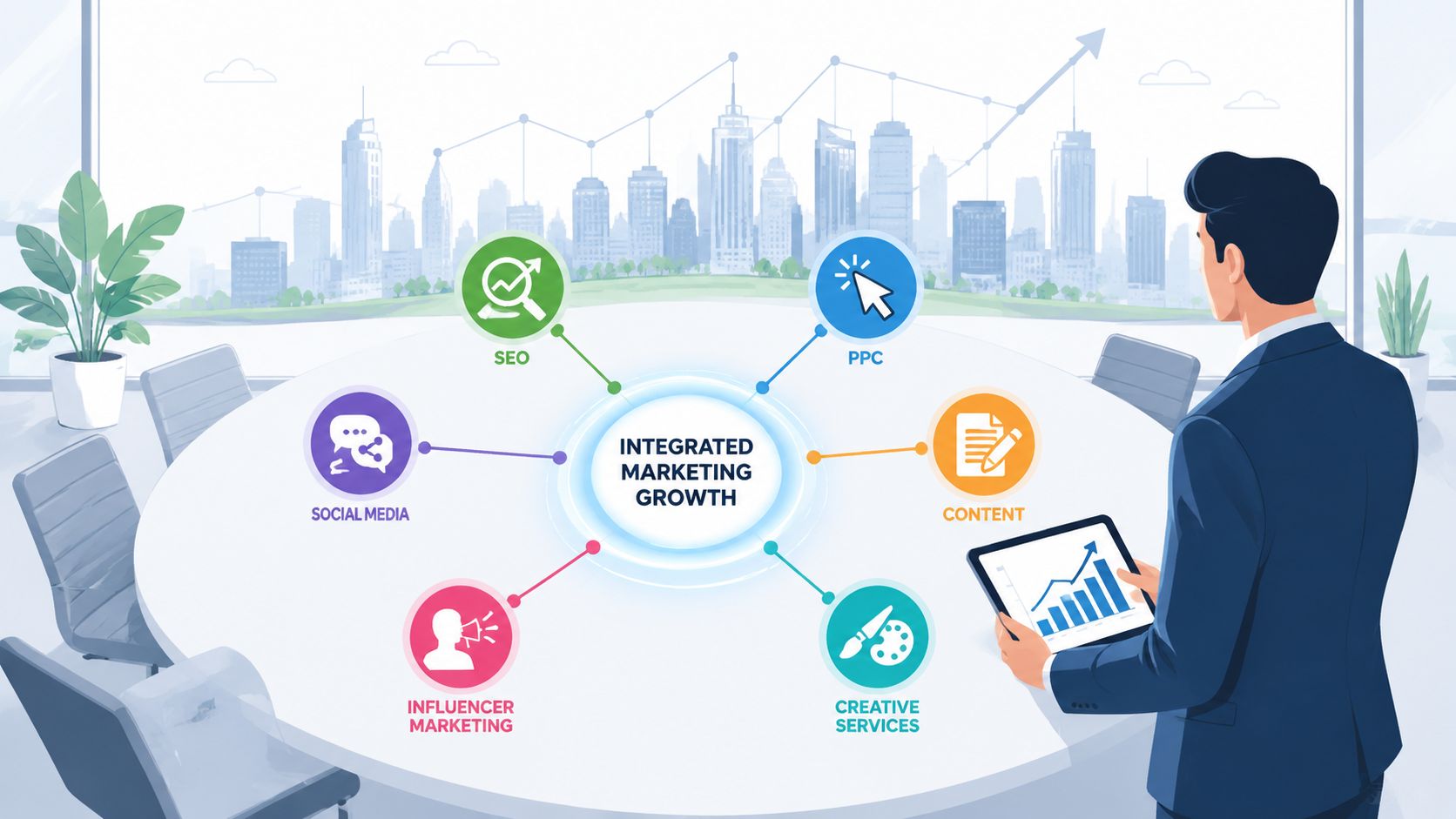
Ultimately, building a reliable lead pipeline is about creating a synergistic ecosystem where each marketing strategy for lead generation supports and enhances the others. Your blog content fuels your email newsletters, your social media ads drive traffic to your lead magnets, and your virtual events create content for your YouTube channel. This integrated, multi-channel approach is what separates fleeting campaigns from sustainable, long-term business growth. The journey begins not with a giant leap, but with the first deliberate, well-chosen step.
Ready to build a powerful, integrated lead generation engine without the guesswork? The team of specialists at ReachLabs.ai creates synergistic marketing ecosystems that blend data-driven insights with expert execution to build a reliable and scalable lead pipeline for your business. Discover how we can help you integrate the right strategies by visiting us at ReachLabs.ai.