
Video testimonials are hands-down one of the most powerful tools you have. They let potential customers see and hear real people, just like them, talking about their success with your brand. It’s an instant trust-builder, putting a human face on your business in a way that a simple text review never could.
This authenticity is what will set you apart and drive conversions.
Why Authentic Video Testimonials Are Your Secret Weapon
Let's be honest—people are tired of being sold to. The slick, corporate sales pitch doesn't land like it used to. What people really want are genuine stories from other customers, and this is precisely where video testimonials make all the difference. While a written review is good, a video brings that experience to life. You can hear the excitement in someone's voice and see their genuine reaction, something text just can't replicate.
Think of it as your best salesperson, working around the clock. When a prospective customer hears someone else describe the very problem they're struggling with—and then rave about how you solved it—the connection is immediate. It’s a peer-to-peer recommendation that cuts through skepticism and builds a level of trust that most traditional advertising can only dream of.
Building Trust You Can See and Hear
The real magic of a video testimonial is its ability to show rather than just tell. You can’t fake genuine enthusiasm. That visible relief or excitement creates an emotional connection with the viewer that is incredibly persuasive.
This kind of content is a triple threat:
- It humanizes your brand. Suddenly, you're not a faceless company; you're the people who helped a real person succeed.
- It tackles objections head-on. Hearing a customer address a common concern or doubt is far more convincing than you doing it yourself.
- It proves your value. Testimonials are tangible proof that your product or service delivers on its promises in the real world.
Here’s the bottom line: When you say something great about your product, it’s marketing. When a customer says it on camera, it’s proof. That’s what gets people to act.
The Numbers Don't Lie: A Clear Impact on Conversions
This isn't just a gut feeling; the data is crystal clear. By 2026, an incredible 87% of businesses are expected to use video testimonials in their marketing, which is a sharp 21% jump in just two years. We're seeing this trend explode in eCommerce, SaaS, and professional services.
Here's a quick look at why video testimonials consistently outperform other formats in key marketing metrics.
How Video Testimonials Compare to Other Content
| Metric | Video Testimonials | Text Reviews & Traditional Ads |
|---|---|---|
| Trust & Authenticity | High (Visual and emotional cues build credibility) | Moderate to Low (Often seen as curated or biased) |
| Engagement Rate | Very High (Keeps viewers' attention longer) | Low (Easily skimmed or ignored) |
| Conversion Impact | High (Directly influences purchasing decisions) | Moderate (Supportive, but less persuasive) |
| Emotional Connection | Strong (Viewers connect with real people and stories) | Weak (Lacks human element and emotional depth) |
The results speak for themselves. Businesses that place video testimonials on their landing pages see, on average, a 34% increase in conversions. Even more telling, these videos drive 2.7x more purchases when compared to standard text-based reviews.
Ultimately, authentic testimonials are a vital part of any modern video marketing for small business plan. They offer a powerful, high-impact way to build credibility that directly affects your bottom line. When you let your real customers tell their stories, you aren’t just selling a product—you’re building a loyal community of advocates.
The Secret to a Powerful Testimonial? It's All in the Prep
The most compelling video testimonials don’t just happen. Their success is baked in long before anyone hits the record button. The real magic lies in the prep work—this is where you turn a simple customer review into a powerful story that actually drives results.
Before you even start thinking about cameras or interview questions, you need to get crystal clear on one thing: your goal. Why are you making this video in the first place? Your answer will shape every single decision you make, from who you choose to interview to the way you frame their story.
What’s the Goal Here?
Are you trying to tackle a common sales objection you hear all the time? Maybe you want to build some brand clout in a new market. Or perhaps you need a killer video to put on your demo request page to give prospects that final nudge over the finish line.
Without a sharp, defined goal, your video will feel aimless and won't connect. A testimonial designed to build general brand trust will look and feel completely different from one created to prove the ROI of a specific feature.
Think about what you really need the video to do. Here are a few common objectives I see work well:
- Neutralize a Key Objection: Find a customer who was once hung up on your pricing or worried about a complex setup, but is now a raving fan. Their story is invaluable.
- Build Instant Social Proof: Showcase a well-known brand in your industry using your product. Their logo and endorsement lend immediate credibility to yours.
- Spotlight a Specific Use Case: Tell the story of a customer using your product in a unique or highly relatable way. This helps prospects see themselves in the story.
- Drive a Specific Action: Create a short, punchy video for a landing page to boost sign-ups, downloads, or free trial starts.
Finding the Right Person to Tell the Story
Once you know your goal, it's time to find the perfect customer to bring it to life. This isn't just about grabbing your happiest client. You need someone whose journey perfectly aligns with the story you need to tell.
The best stories almost always come from customers who've had a clear transformation. They started with a real, painful problem, your solution made a tangible difference, and they can clearly talk about the results. A great place to start looking is with customers who've already left positive feedback in surveys, support chats, or on social media. They're your prime candidates.
Don’t just look for happy customers; look for customers who have a compelling story to tell. The ideal candidate can clearly articulate the 'before' and 'after' of using your product, making their journey relatable and their results undeniable.
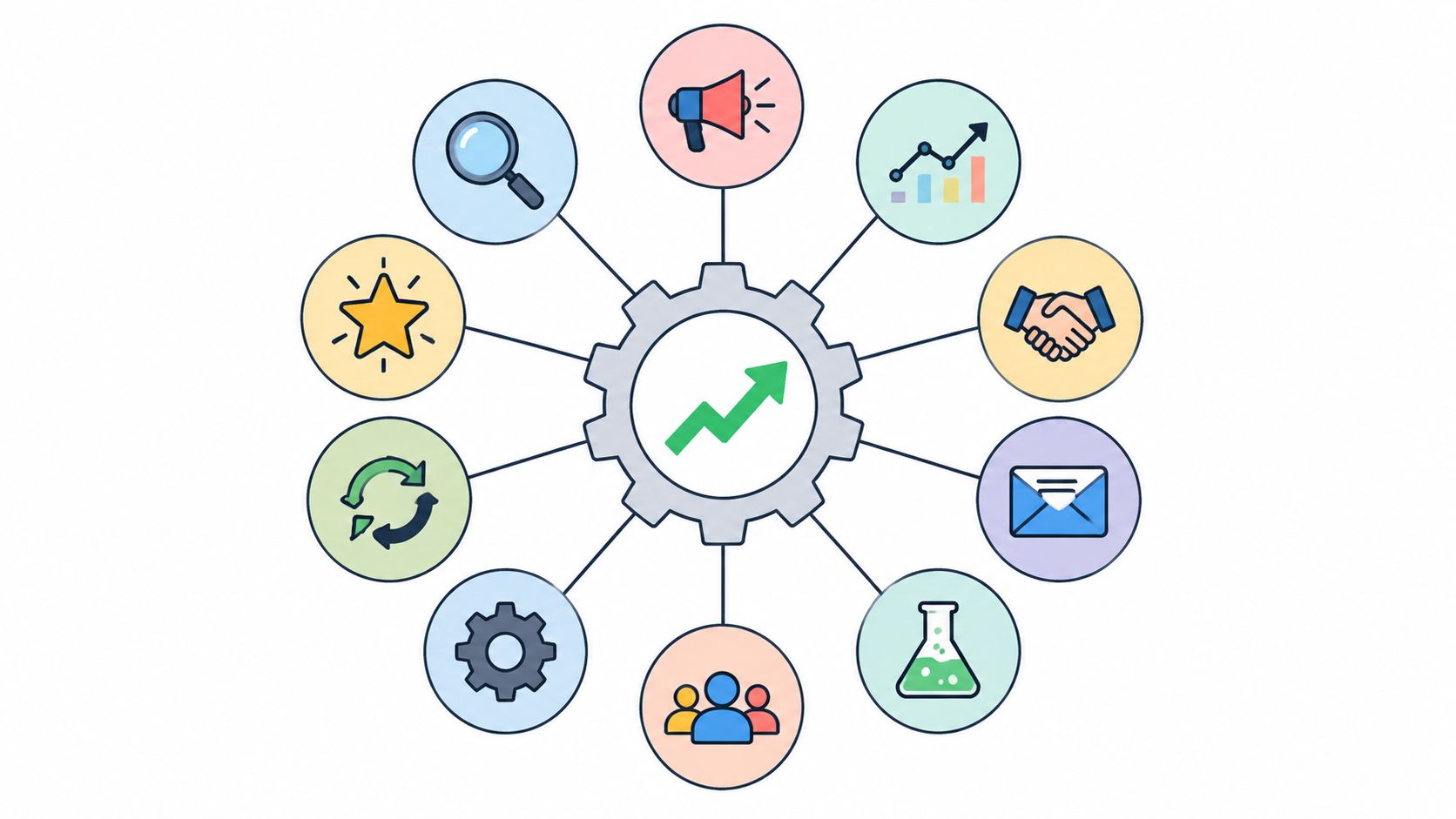
This isn't just fluffy marketing talk. As this flow shows, these authentic stories are the first step in a process that directly impacts your bottom line.

The idea is simple but powerful: real stories build genuine trust, and that trust is what ultimately drives conversions.
How to Ask (Without Being Awkward)
When you reach out, forget the generic, automated templates. They get deleted instantly. Your message needs to be personal and feel like it's coming from a human being.
Your outreach email should do three things really well:
- Explain "why you": Tell them specifically why you thought of them. Mention a positive interaction you had or a specific piece of feedback they shared. Show them you remember.
- Make it dead simple: Clearly explain what the process looks like and emphasize how little time it will take. Reassure them it’s just a casual chat, not a high-pressure performance.
- Offer a genuine "thank you": While cash can feel transactional, a nice gift card, a discount on their subscription, or a special feature on your company blog are all great ways to show you truly appreciate their time.
A great testimonial starts with solid planning. Brushing up on some fundamental video production best practices will also make a world of difference in the quality of your raw footage.
By putting in this groundwork, you set the stage for capturing video customer testimonials that feel authentic and persuasive. For those who want to take their customer stories to the absolute next level, exploring professional branding video production can be a game-changer. This upfront effort is what separates a forgettable clip from a true conversion-driving asset.
Guiding the Interview to Capture Authentic Stories

This is where all your prep work comes together. The interview is the moment you capture the genuine, unscripted material that will become a powerful video customer testimonial. Your real job here isn't to be a director; it’s to guide a natural conversation that uncovers a compelling story.
The best testimonials come from a place of comfort and trust. Whether you’re filming in person or hopping on a video call, your main priority is to be an incredible listener. You want your customer to feel like they’re just chatting with a friend, not being interrogated under a spotlight.
Always start with some light conversation to break the ice. Ask about their day, their business, or anything that gets them talking before you even think about hitting the record button. A simple reassurance like, "There are no right or wrong answers, we just want to hear your story," can make a world of difference.
Questions That Unlock Real Stories
Forget the generic stuff like, "What do you like about our product?" Those questions get you generic, boring answers. To get to the good stuff, your questions need to be open-ended and designed to pull out emotion, specifics, and that all-important "before and after" journey.
Instead of asking what they like, frame questions around their experience. You want to get them to relive their story for you.
Here are some of my go-to, story-focused questions:
- Setting the Scene: "Could you take me back to right before you found us? What was the biggest headache you were dealing with in your business back then?"
- Exploring the Pain: "What did that challenge actually feel like day-to-day? What had you tried that just wasn't cutting it?"
- The Turning Point: "What was that 'aha' moment when you realized you needed a totally new approach? What made you decide to give us a shot?"
- The 'After' Picture: "Walk me through what your workday looks like now. How has our solution changed how you handle that original problem?"
- Quantifying the Results: "Can you share any specific numbers? It could be anything—time saved each week, a boost in revenue, or even just feeling less stressed."
Notice how these don't ask for praise directly. They ask for a story. The praise will emerge naturally as they describe how much better things are now.
Setting the Scene for a Great Shoot
No matter your budget, a little attention to the filming environment goes a long way. The two things you absolutely cannot compromise on are audio and lighting. I’ve seen it time and time again: viewers will forgive slightly grainy video, but they will instantly leave if they can't hear the person speaking clearly.
For a DIY setup, that means finding a quiet room away from street noise, humming air conditioners, or big, empty hallways that echo. A simple lavalier microphone that clips onto a shirt costs less than $30 and will give you exponentially better sound than your phone's built-in mic.
When it comes to lighting, natural light is your best friend. Position your customer so they are facing a window, which provides soft, even light on their face. The one thing to avoid is sitting with a bright window behind them, as it will turn them into a dark silhouette. If natural light is a no-go, a basic ring light can work wonders.
Pro Tip: Your customer’s comfort is everything. If you see them getting nervous, just pause the recording and chat for a minute. Reminding them that you can easily edit out any stumbles or long pauses takes all the pressure off and helps them relax.
Planning Your Shots for a Dynamic Video
A professional-looking video is so much more than a single, static shot of a talking head. To make your final cut dynamic and engaging, you need to capture two kinds of footage: A-roll and B-roll.
- A-roll is your primary interview footage—the person telling their story.
- B-roll is all the extra footage you cut in to add visual context and keep things interesting.
For your A-roll, make sure it’s framed well. The classic "rule of thirds" is a fantastic guideline. Just imagine a tic-tac-toe grid over your screen and position the person slightly off-center, with their eyes about one-third of the way down from the top. It’s a simple trick that makes the shot look much more professional.
B-roll is what truly elevates an interview into a story. It’s the footage that shows what the customer is talking about, making their journey feel more real and engaging.
A Simple Shot List for A-Roll and B-Roll
| Shot Type | Description & Purpose | Example |
|---|---|---|
| A-Roll (Medium Shot) | The main interview shot, framed from the chest up. This is your video's foundation. | The customer speaking directly to the camera or interviewer. |
| A-Roll (Close-Up Shot) | A tighter shot on the customer's face to capture emotion during a key moment. | Capturing a smile or a thoughtful look as they describe a success. |
| B-Roll (Product in Action) | Screen recordings or shots of the customer using your product or service. | Showing the specific software feature they are praising. |
| B-Roll (Environmental) | Shots of the customer's workspace or environment to help set the scene. | A view of their office, or a shot of their team collaborating. |
| B-Roll (The 'Result') | Visuals that represent the positive outcome they achieved. | A graph showing increased sales, or a shot of them relaxing. |
Even if you’re just using a smartphone, you can get fantastic B-roll. After the interview, just ask the customer to record a few short clips of their screen, their team, or their office. When you combine these extra shots in the editing process, you'll transform a simple talking-head video into a polished and persuasive video customer testimonial. This small bit of extra effort makes a huge difference in the final product.
Editing Your Footage Into a Conversion Machine

The raw interview footage you've captured is full of potential. Now comes the fun part: editing. This is where you'll find the real story and shape it into a powerful, convincing video that connects with your audience and gets them to take action.
Your first pass through the footage is a treasure hunt for "golden soundbites." You're looking for those moments where your customer lights up, speaks with genuine enthusiasm, and clearly explains their journey. Listen for the gems—the quotes that perfectly capture their initial problem, their "aha" moment with your product, and the incredible results they achieved.
Once you’ve gathered these key clips, you can start arranging them on your timeline. The goal is to build a classic story arc: problem, solution, result. This structure is simple, effective, and keeps viewers hooked from the first second to the last.
Weaving a Visual Story with B-Roll
Let's be honest, a video of just a person talking can get a little stale. That's where B-roll comes in to save the day. B-roll is any supplemental footage you cut in to make the video more dynamic and visually reinforce the story.
Think of it this way: when your customer talks about how a specific feature saved them hours of work, you should show that exact feature in action on screen. If they mention feeling less stressed, cut to a shot of their team collaborating happily. This isn't just for looks; it makes their story more tangible and believable.
Here’s a practical workflow I've found works well:
- Create the spine of the story: First, lay down your A-roll (the interview soundbites) to form the narrative backbone.
- Cover your tracks with B-roll: Go back and layer in relevant B-roll footage over the cuts between soundbites. This smooths out any jarring "jump cuts" and gives the video a professional polish.
- Pace yourself: Don’t let any single shot drag on for too long. Keeping the pace brisk and the visuals changing helps hold viewer attention.
Polishing Your Testimonial with Branding and Music
With your story locked in, it's time to add the finishing touches. This is where you transform the clip into a true branded asset, but it requires a light touch. The goal is to reinforce your brand without making the testimonial feel like a heavy-handed ad.
Subtle branding is always the most effective. Here's what that typically includes:
- Lower Thirds: Simple text overlays that introduce your customer with their name, title, and company.
- Branded Intro/Outro: Short, clean logo animations at the beginning and end. Keep them brief—just a few seconds.
- Subtle Logo: A small, semi-transparent logo (often called a watermark) tucked into a corner is a great way to maintain brand presence.
- Clear Call-to-Action (CTA): The video has to lead somewhere. End with a direct, simple instruction like "Start Your Free Trial" or "Schedule a Demo," displayed clearly with your website URL.
A crucial element that many people get wrong is the music. The right soundtrack can elevate the entire video, but the wrong one can be incredibly distracting. I always recommend instrumental music that complements the mood—something uplifting for the "after" part of the story and maybe a bit more understated for the "before."
Finally, an absolute must-have: captions. A massive number of videos on social media are watched with the sound off. By burning captions directly into the video file, you make sure your message is understood no matter how people are watching. It's a small step that massively improves accessibility and how much of your video people actually watch. For more tips on getting the most out of your video content, brushing up on general video marketing best practices is always a good idea.
Getting Your Testimonials Seen by the Right People
So, you’ve done it. You’ve captured a genuinely powerful video testimonial, and it looks fantastic. That’s a huge win, but the job’s not quite finished. An incredible customer story that no one ever sees has exactly zero impact on your bottom line.
To get a real return on all that effort, you need a smart plan to get that video in front of the right eyeballs at just the right moment. The trick is to think beyond simply dropping it onto your YouTube channel and calling it a day. A great distribution strategy weaves your video customer testimonials into the most critical touchpoints of your buyer's journey, turning them from a piece of content into a conversion-driving machine.
Weaving Testimonials Into Your Website
Your website is the most valuable marketing real estate you own, so it’s the natural place to start. A common mistake I see is companies burying all their testimonials on a single, lonely page. Instead, you should be sprinkling them strategically throughout your site where they can do the most good.
The whole point is to use these authentic customer stories to answer questions and dissolve doubts the second they pop into a prospect's head. When someone is on the fence, a relatable video can be the final nudge they need. It’s all about delivering social proof at the moment of decision.
Think about the highest-stakes pages on your site:
- Homepage: Placing a high-impact testimonial right at the top of your homepage immediately builds credibility. It's a powerful first impression that shows new visitors, "Hey, people like you succeed with us."
- Product/Service Pages: When a visitor is digging into the details of a specific offer, show them a video of a real customer who won with that exact product. This provides hyper-relevant proof that’s impossible to ignore.
- Pricing Page: Sticker shock is real. Placing a testimonial on your pricing page that talks about ROI and the value delivered helps reframe the conversation from cost to investment.
It's not just a hunch; the data backs this up. A BigCommerce study found that 72% of customers say positive testimonials increase their trust in a business. When you place these videos at key decision points, you're tapping directly into that trust to boost conversions.
By thinking strategically about placement, you transform your website from a static brochure into a guided journey, with your happiest customers cheering prospects along every step of the way.
Taking Your Testimonials to Social Media
Social media is where your customer stories can really catch fire and take on a life of their own. But you can't just post a YouTube link and expect a flood of engagement. Every platform is its own world with a unique audience and format, so you need to create custom, native cuts for each one.
A "native cut" is just a version of your testimonial edited specifically for the platform you're posting it on. For example, the slick, two-minute video for your website needs to be completely re-imagined for a 30-second Instagram Reel.
Here's how you can adapt your main video for different channels:
- LinkedIn: This is the ideal spot for a polished, 60-90 second cut focusing on professional outcomes and tangible business results. Overlay a powerful quote as a text headline and always burn in captions—most people scroll their feed with the sound off.
- Instagram & Facebook: Go for short, punchy clips (15-30 seconds) that are visually engaging and perfect for Reels or Stories. Zero in on one emotional soundbite or a surprising result, and use bold, eye-catching text to stop the scroll.
- Twitter (X): Find the single most powerful quote from the entire video. Turn that one line into a simple graphic or a super-short video clip. The goal here is to create a shareable, tweetable moment that sparks conversation.
Tailoring your video customer testimonials this way means you’re meeting your audience where they are, in a format they expect and enjoy. This dramatically increases the odds of your video being watched, shared, and actually making an impact.
To make sure you're hitting the right notes on each platform, here's a quick checklist to guide your promotion efforts.
Video Testimonial Distribution Checklist
| Channel | Recommended Format | Key Objective |
|---|---|---|
| Website Homepage | 60-90 second highlight reel | Build immediate trust and credibility with new visitors. |
| Product/Service Pages | 1-2 minute product-specific story | Overcome specific feature doubts and show real-world application. |
| LinkedIn Feed | 60-90 second professional cut | Showcase business ROI and professional success stories. |
| Instagram/Facebook Reels | 15-30 second vertical clip | Grab attention with an emotional or surprising soundbite. |
| Email Nurture Sequence | Full video or short clip | Build mid-funnel trust and keep leads engaged. |
| Sales Outreach Email | Link to a relevant full video | Address a specific prospect concern with targeted social proof. |
| Paid Social Ads | 15-60 second attention-grabbing cuts | Drive conversions with authentic, relatable ad creative. |
This checklist isn't exhaustive, but it covers the core channels where your testimonials can make the biggest difference. The key is to see your video not as a single asset, but as a source of powerful micro-content you can deploy anywhere.
Activating Testimonials in Email and Sales
Beyond your public-facing channels, your new video is a secret weapon for your sales and marketing teams. Weaving it into your direct communications can build rapport and help move leads through your pipeline much more effectively than a sales pitch alone ever could.
Think about these high-impact plays:
- Email Nurture Sequences: Drop a testimonial into an email sequence for new leads. It’s a fantastic, low-pressure way to introduce your brand’s value through a real customer's voice early in the relationship.
- Sales Outreach: Imagine a sales rep is talking to a prospect who's worried about a specific implementation challenge. Instead of just saying, "Don't worry, we can handle that," they can send a link to a video of a customer who crushed that same challenge. That’s powerful.
- Paid Ad Campaigns: Authentic customer stories often blow slick, corporate ads out of the water. Use different cuts of your testimonials as the creative for your ad campaigns. They feel genuine and relatable, and you can even build lookalike audiences based on your best customers to find more people just like them.
Ultimately, a multi-channel approach ensures you squeeze every last drop of value from the videos you worked so hard to create. For a deeper dive into building these types of integrated campaigns, you can explore more about effective content distribution strategies and how to put them into practice.
Your Top Video Testimonial Questions, Answered
So, you have a plan. You're ready to start capturing those powerful customer stories. But as soon as you get into the details, the questions start piling up. It's completely normal—I see it all the time. Getting bogged down by the "hows" and "what ifs" is the number one reason great testimonial projects stall out.
Let's walk through the most common sticking points I hear from teams just like yours. From getting that first "yes" to proving the whole thing was worth the effort, there's a practical answer for every challenge.
How Do I Even Get Customers to Agree to This?
Forget the mass email blasts. The secret to getting a "yes" is to make the ask personal and the process painless.
Start with your happiest customers—the ones who have already left a great review, sent a glowing support email, or tagged you in a positive social media post. These people are your champions. They're already sold on you, which makes them much more likely to share their story on camera.
Reach out with a personal note. Don't just say, "We'd love a testimonial." Explain why you chose them specifically. Maybe their unique use case perfectly illustrates a key benefit, or their success story genuinely inspired your team. Let them know their perspective is special.
And while you might be tempted to offer cash, it often cheapens the exchange. Instead, focus on a genuine thank-you gift that shows you truly appreciate their time.
- A gift card to their favorite local coffee shop.
- A hefty discount on their next subscription renewal or an upgrade to a higher tier.
- A featured spot on your social channels and blog, which can be great exposure for their own business.
Always give them the questions in advance and frame it as a relaxed conversation, not a high-pressure performance. When you remove all the friction and show authentic gratitude, you'll be surprised how many people are eager to help.
What’s the Deal with Legal Permissions?
This is the one part of the process you absolutely cannot afford to mess up. Before you hit record, you need a signed video release form. Think of it as your golden ticket—it's the non-negotiable document that gives you legal permission to use someone's name, image, and story in your marketing.
Your release form needs to be crystal clear about how and where you plan to use the video. Don't be vague. Spell out the possibilities:
- On your website: Homepage, product pages, case study sections, and blog posts.
- Across social media: In organic posts and paid ads on platforms like LinkedIn, Instagram, and YouTube.
- In other marketing materials: For email campaigns, sales decks, and trade show booths.
Being upfront isn't just about protecting your company from legal headaches down the road; it's about respecting your customer. It builds trust. While you can find plenty of templates online, I always recommend having your lawyer give it a once-over. It’s a small investment for total peace of mind, especially with privacy regulations like GDPR and CCPA.
A rock-solid release form is your best insurance policy. It turns a potential liability into a protected asset and gives you the freedom to share your customer's story confidently.
How Can I Actually Measure the ROI?
Tracking the return on your investment comes down to tying your video customer testimonials to clear business goals. If you want to drive more sales, don't just sprinkle the videos randomly across your site.
Create a dedicated landing page for a specific product or service, place the testimonial front and center, and then watch your analytics. Look at metrics like "Time on Page" and "Bounce Rate." Are people sticking around longer on pages with testimonials? That’s a powerful sign that your customer's story is resonating.
When it comes to paid ads, run A/B tests. Pit an ad with your new video testimonial against one with your standard creative. I’ve seen countless campaigns where the authentic customer story dramatically lowers the Cost Per Acquisition (CPA) because it feels more trustworthy and relatable than slick marketing copy.
By connecting views and engagement directly to outcomes—like demo requests, trial sign-ups, or completed purchases—you can draw a straight line from your video project to your bottom line.
Crafting high-quality video customer testimonials that drive real results is a cornerstone of what we do. At ReachLabs.ai, we blend strategic thinking with creative execution to tell your customers' stories in the most impactful way possible. See how our collective of experts can elevate your brand at https://www.reachlabs.ai.