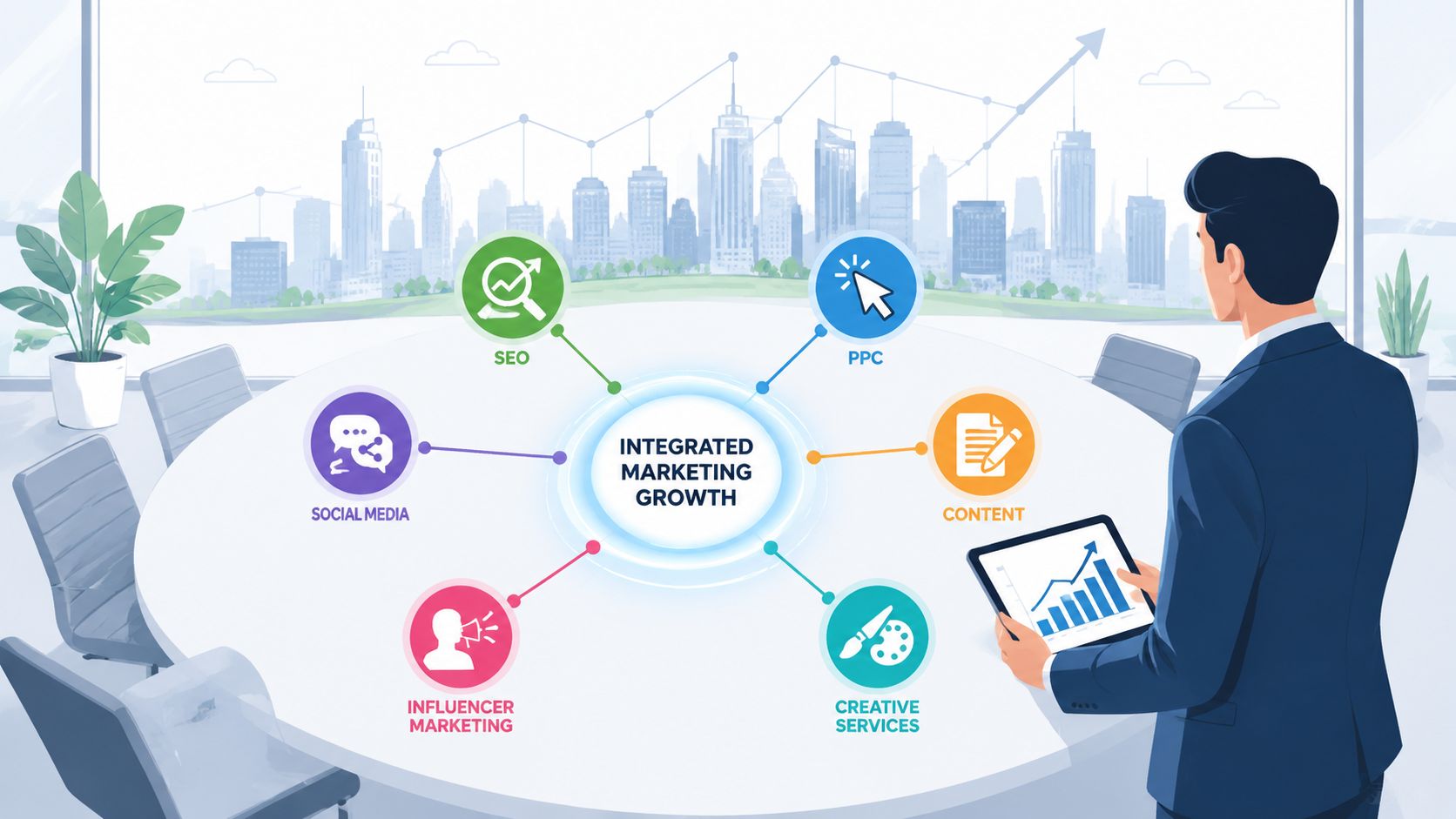

In the competitive digital marketplace, simply having an online presence isn't enough to guarantee success. To capture attention, drive qualified traffic, and generate tangible revenue, you need to master the art of being discovered. This is the core function of search engine marketing (SEM), a powerful discipline combining paid and organic tactics designed to place your brand directly in front of customers at the exact moment they are looking for your solutions.
Navigating this complex field requires more than a superficial understanding; it demands a strategic, multi-faceted approach. Effective search engine marketing strategies are not about choosing one tactic over another but about integrating multiple channels to create a cohesive and powerful digital footprint. This guide moves beyond abstract theory to deliver a comprehensive roundup of the most critical SEM components you need to implement.
We will break down 10 essential search engine marketing strategies, providing actionable insights, practical implementation steps, and real-world examples. You will learn not just what to do, but how to do it effectively, with data-backed benchmarks to measure your success. From mastering Pay-Per-Click (PPC) and technical SEO to leveraging video, local search, and sophisticated analytics, this article will equip you with the tools needed to build a robust SEM framework. Whether you're refining a mature campaign or building a new strategy from the ground up, these proven methods will provide the blueprint for achieving sustainable growth and dominating the search engine results page.
1. Pay-Per-Click (PPC) Advertising
Pay-Per-Click (PPC) advertising is a powerful model where businesses pay a fee each time one of their ads is clicked, effectively buying visits to their website. As a cornerstone of many search engine marketing strategies, PPC allows you to place your brand directly in front of users actively searching for your products or services on platforms like Google or Bing. This method provides immediate visibility, bypassing the longer timeline required for organic SEO efforts.
The primary benefit of PPC is its speed and control. You can launch a campaign and start seeing traffic within hours. This makes it ideal for time-sensitive promotions, such as an e-commerce retailer's Black Friday sale or a local plumber advertising emergency services. Similarly, a SaaS company can use PPC to target hyper-specific keywords like "project management software for small teams," ensuring their ad reaches a highly qualified audience.
How to Implement PPC Effectively
To maximize your return on investment, a strategic approach is essential. Don't just set up a campaign and hope for the best; active management is key.
- Keyword Strategy: Start with long-tail keywords (e.g., "handmade leather messenger bag for men" instead of "bags"). They have lower competition and higher conversion rates.
- Ad Copy: Write compelling, clear ad copy with a strong call-to-action (CTA) like "Shop Now & Save 25%" or "Get Your Free Quote Today."
- Negative Keywords: Continuously update your list of negative keywords to prevent your ads from showing for irrelevant searches, saving you money on wasted clicks.
- Landing Page Optimization: Ensure your landing page is a seamless continuation of your ad. It should be fast, mobile-friendly, and focused on a single conversion goal.
This infographic provides a quick reference for the core metrics and capabilities central to a successful PPC strategy.
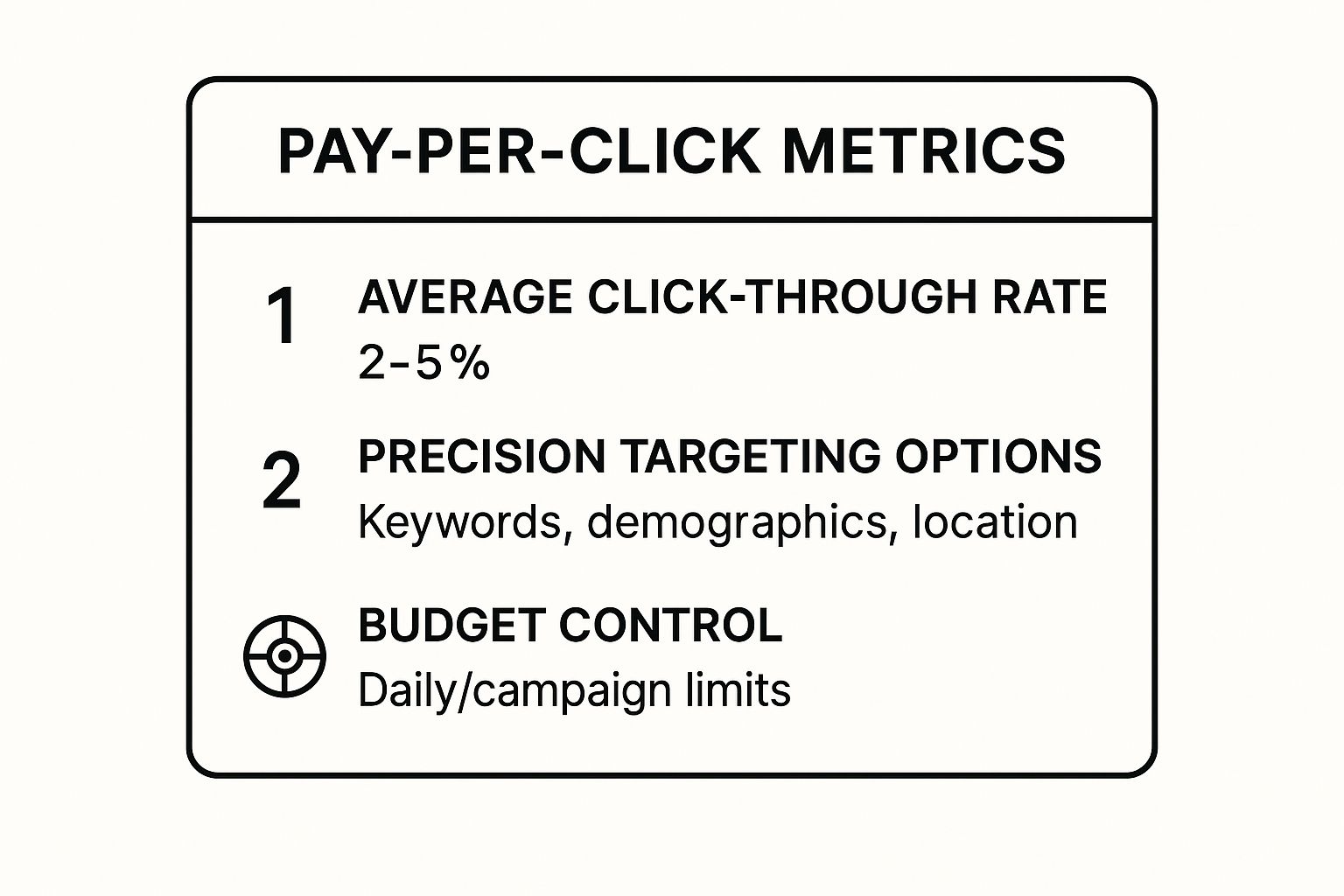
These figures highlight the balance PPC offers: while click-through rates require optimization, the platform provides unparalleled control over who you reach and how much you spend. For a deeper visual dive into setting up your first campaign, the video below offers a step-by-step guide.
2. Search Engine Optimization (SEO)
Search Engine Optimization (SEO) is the practice of enhancing your website and content to rank higher in organic, or non-paid, search engine results. Unlike PPC, SEO is a long-term strategy focused on building authority and relevance to attract sustainable traffic. As a fundamental pillar of any robust search engine marketing strategy, SEO aims to signal to search engines like Google that your content is the most valuable and relevant answer to a user's query.

The primary benefit of SEO is its ability to generate consistent, "free" traffic over time. While it requires an upfront investment of time and resources, a well-ranked page can drive qualified leads for months or even years. For example, HubSpot’s extensive blog ranks for thousands of marketing-related terms, continuously attracting professionals, while Airbnb’s optimized location-based pages capture travelers actively planning trips. These efforts result in a high return on investment and build lasting brand credibility.
How to Implement SEO Effectively
A successful SEO strategy requires a multifaceted approach that addresses both technical and content-related factors. It's an ongoing process of creation, optimization, and analysis.
- Focus on User Intent: Move beyond just keywords and understand why a user is searching. Create content that comprehensively solves their problem, whether it's informational, transactional, or navigational.
- Create High-Quality Content: Develop in-depth, authoritative content that is superior to what currently ranks. This could be long-form blog posts, detailed guides, or original research.
- Optimize for Mobile-First: With Google primarily using the mobile version of a site for indexing and ranking, a seamless mobile experience is non-negotiable. Ensure your site is responsive, fast, and easy to navigate on a phone.
- Build Quality Backlinks: Earn links from reputable, relevant websites in your industry. This acts as a vote of confidence and significantly boosts your site's authority.
- Monitor Technical Health: Regularly check your site's performance using tools like Google Search Console. Pay close attention to Core Web Vitals, page speed, and crawlability issues to ensure there are no technical barriers to ranking.
By focusing on these areas, you can build a powerful organic presence that complements other search engine marketing strategies and drives sustainable growth. For more insights on organic promotion, you can explore various methods for promoting your website for free.
3. Keyword Research and Optimization
Keyword Research and Optimization is the foundational process of identifying and analyzing the search terms people enter into search engines. By balancing search volume, competition, and relevance, you target the most valuable keywords for your business. This strategy underpins both organic SEO and paid search, ensuring every piece of content and ad reaches a qualified audience actively seeking your solution.
Effective keyword optimization helps you refine ad copy, improve landing page relevance, and align content with user intent. When executed correctly, it can reduce wasted ad spend, boost click-through rates, and increase conversion volumes. Whether you run an e-commerce site, a local service business, or a SaaS platform, understanding what your audience types into Google or Bing drives smarter marketing decisions.
How to Implement Keyword Research and Optimization
- Use Multiple Tools: Combine data from Google Keyword Planner, Ahrefs, SEMrush, and Ubersuggest for a comprehensive view.
- Focus on Search Intent: Categorize keywords by informational, navigational, and transactional intent to match user needs.
- Target Keyword Clusters: Group related terms (for example “fitness classes near me,” “best gym memberships,” “affordable personal training”) into content silos.
- Analyze Competitor Gaps: Audit top-ranking pages for missed opportunities, then create more in-depth content around those topics.
- Incorporate Voice Search: Optimize conversational queries like “how to fix a deck board” to capture smart speaker traffic.
- Prioritize Long-Tail Terms: Lower competition and higher conversion rates often come from longer, descriptive phrases.
Real-World Examples
Netflix researched entertainment-related keywords such as “true crime docuseries 2023” to guide content promotion. Home Depot targets long-tail DIY terms like “how to build a raised garden bed.” Shopify optimizes for “best online store builder” to capture e-commerce entrepreneurs. Local gyms focus on “fitness classes near me” variations to drive foot traffic.
Performance Benchmarks
Organizations that align content around targeted keyword clusters often see a 20–30% lift in organic traffic within three months. Long-tail strategies can improve conversion rates by up to 15%, while competitor gap analysis typically reduces time-to-rank by four to six weeks.
Learn more about keyword research and optimization on reachlabs.ai.
4. Local Search Marketing
Local Search Marketing is a highly targeted strategy focused on making a business more visible in local search results on Google. It's an indispensable component of any modern search engine marketing strategies for businesses with physical locations or those serving a specific geographic area. When a user searches for "car mechanic near me" or "best pizza in Boston," local SEM ensures your business appears in the results, often in the prominent "Local Pack" or on Google Maps.
The primary benefit of local search marketing is its ability to connect you with customers who have high purchase intent. These users aren't just browsing; they are actively looking for a product or service in their immediate vicinity. For example, a local law firm can use this strategy to rank for "personal injury lawyer in Austin," directly reaching potential clients in their service area. Similarly, a restaurant can appear in local pack results for "tacos near me," driving immediate foot traffic.
How to Implement Local Search Marketing Effectively
To dominate local search results, you need a focused and consistent approach. Simply existing is not enough; you must actively manage your local online presence to build trust and visibility.
- Google Business Profile: Your Google Business Profile (GBP) is the foundation. Claim and meticulously fill out every section with accurate information, including your business name, address, phone number (NAP), hours, and photos.
- Encourage Reviews: Actively encourage satisfied customers to leave reviews on your GBP listing and other relevant sites like Yelp. Consistently responding to all reviews, both positive and negative, shows that you value customer feedback.
- Local Keywords: Integrate location-specific keywords naturally into your website content, meta descriptions, and GBP posts. This includes mentioning your city, state, and even specific neighborhoods.
- Build Local Citations: Ensure your business's NAP information is consistent across all major online directories (e.g., Yelp, Yellow Pages, industry-specific sites). These citations act as votes of confidence for search engines.
- Location-Specific Landing Pages: If you have multiple locations, create a unique, optimized landing page for each one. This helps you rank for location-specific searches in each of your service areas.
5. Content Marketing for Search
Content Marketing for Search is a strategic approach that involves creating and distributing valuable, relevant content specifically designed to attract and engage target audiences through search engines. Unlike PPC, which buys traffic, this strategy earns it by establishing authority and providing genuine utility, combining expert content creation with core SEO principles to drive long-term organic growth. It's one of the most sustainable search engine marketing strategies available.
The core benefit of content marketing is its ability to build trust and authority while generating organic traffic. A well-executed blog post, guide, or tutorial can rank for thousands of keywords and attract visitors for years. For example, HubSpot's comprehensive marketing blog attracts millions of monthly visitors by answering user questions, while REI's outdoor adventure content captures enthusiasts searching for gear reviews and trail guides, turning informational queries into commercial opportunities.
How to Implement Content Marketing for Search Effectively
Success in content marketing requires a long-term vision and a commitment to quality. Simply publishing content isn't enough; it must be strategic and optimized for both users and search engines.
- Create Topic Clusters: Build your content around core "pillar" pages that cover a broad topic, then create a series of "cluster" articles that delve into specific subtopics. This structure signals expertise to search engines and helps users navigate your content.
- Focus on Search Intent: Use keyword research to understand the specific questions your audience is asking. Create content that directly answers these questions, whether it's a "how-to" guide, a product comparison, or an in-depth analysis.
- Optimize for Featured Snippets: Structure your content to be easily scannable with clear headings, bullet points, and concise answers near the top of the page. This increases your chances of capturing the "Position Zero" featured snippet in search results.
- Refresh High-Performing Content: Regularly update your best-performing articles with new data, examples, and insights. This keeps the content relevant, protects its rankings, and can even boost its visibility for new keywords.
6. Mobile Search Optimization
Mobile Search Optimization is a specialized SEM strategy focused on ensuring search marketing efforts perform optimally on smartphones and tablets. With mobile devices now accounting for the majority of search traffic, failing to optimize for this audience means ignoring a huge segment of potential customers. This approach goes beyond just having a mobile-friendly website; it involves tailoring every aspect of your search presence, from ad copy to landing pages, for the on-the-go user.
The core benefit is meeting users where they are with an experience designed for their context. A mobile-first approach improves user engagement, reduces bounce rates, and boosts conversions. For example, a restaurant like McDonald's uses mobile optimization for its local store finder, allowing a user searching "food near me" to instantly get directions or place an order. Similarly, a ride-sharing service like Uber builds its entire search strategy around mobile queries, delivering immediate solutions to users needing a ride.

How to Implement Mobile Search Optimization Effectively
A successful mobile strategy requires a user-centric mindset that prioritizes speed, accessibility, and relevance for smaller screens. Active testing and refinement are crucial for staying ahead.
- Responsive Design: Your website must automatically adapt to any screen size. This is a foundational requirement for modern SEO and user experience.
- Optimize for Speed: Mobile users are impatient. Focus on improving Core Web Vitals, especially loading speed, by compressing images and minimizing code.
- Improve Usability: Use large, easy-to-tap buttons and readable fonts. Simplify navigation to help users find what they need quickly without excessive pinching or zooming.
- Voice Search Readiness: Optimize content for conversational queries (e.g., "What are the best running shoes for flat feet?"). Voice search is predominantly mobile.
- Test Mobile Ads: Regularly test mobile-specific ad formats, extensions (like click-to-call), and dedicated mobile landing pages to maximize campaign performance.
7. Remarketing and Retargeting
Remarketing, often used interchangeably with retargeting, is a powerful search engine marketing strategy that focuses on reconnecting with users who have previously visited your website or interacted with your brand. By serving targeted ads to this "warm" audience, you can remind them of your offerings and guide them back to complete a desired action, like making a purchase. It operates on the principle that familiarity breeds trust, making it a highly efficient way to increase conversion rates.
The core advantage of remarketing is its ability to re-engage users who have already shown interest but didn't convert on their first visit. For instance, an e-commerce store can target users who abandoned their shopping carts with a dynamic ad showcasing the exact products they left behind, perhaps with a small discount code. Similarly, a SaaS company can retarget users who signed up for a free trial with ads highlighting premium features, encouraging them to upgrade to a paid plan.
How to Implement Remarketing Effectively
To get the most out of your remarketing campaigns, you must move beyond a one-size-fits-all approach. Segmentation and message personalization are critical for success.
- Audience Segmentation: Group users based on their on-site behavior. Create separate lists for homepage visitors, product page viewers, and cart abandoners, as each requires a different message.
- Ad Personalization: Tailor your ad creative and copy to each segment. A user who viewed a specific product category should see ads related to that category, not a generic brand message.
- Frequency Capping: Set a limit on how many times a user sees your ad within a given period. This prevents ad fatigue and avoids annoying potential customers, which can damage your brand perception.
- Exclusion Lists: Be sure to exclude recent converters from your campaigns. Showing purchase-focused ads to someone who just bought from you is a waste of money and can create a poor user experience.
8. Conversion Rate Optimization (CRO)
Conversion Rate Optimization (CRO) is the systematic process of increasing the percentage of website visitors who complete desired actions, such as making purchases, filling out forms, or subscribing to services. As a core component of search engine marketing strategies, CRO maximizes the value of each visitor driven by your SEM campaigns. Rather than just attracting clicks, CRO ensures that more of those clicks translate into measurable business outcomes.
How Conversion Rate Optimization Works
Conversion Rate Optimization relies on data-driven experiments to refine user paths and remove barriers to action. Key steps include:
- Audit and Benchmark: Identify high-traffic, high-impact pages and establish baseline conversion metrics.
- Hypothesis Formation: Develop a clear prediction, such as “Shorter forms will boost signups by 10%.”
- A/B Testing: Test one element at a time—headlines, button colors, or form fields—to isolate what drives improvement.
- Analysis and Iteration: Use analytics and heatmaps to understand user behavior, then iterate on winning variations.
Real-World Examples
- Booking.com ran extensive A/B tests on booking flow elements, boosting completed reservations by optimizing button placement.
- HubSpot redesigned its landing pages around a single, clear call-to-action, doubling form completions.
- Amazon’s one-click purchasing model cut friction in checkout, raising conversion rates for repeat customers.
- Netflix streamlined its signup flow, improving trial-to-subscription conversion by focusing on step-by-step progress indicators.
Practical Implementation Tips
- Start with your highest-traffic pages to unlock the biggest gains.
- Test one element at a time for clear, actionable results.
- Reduce friction by removing unnecessary form fields or steps.
- Craft compelling, crystal-clear CTAs that tell users exactly what to expect.
- Leverage user session recordings and heatmaps before making changes.
When and Why to Use CRO
Implement CRO once you have consistent SEM traffic but notice low conversion rates. It is ideal for businesses aiming to lower cost-per-acquisition while extracting more value from existing ad spend. By focusing on performance benchmarks rather than traffic volume alone, you can achieve a sustainable lift in ROI.
Learn more about Conversion Rate Optimization (CRO)
9. Video Search Marketing
Video search marketing is a specialized SEM strategy focused on leveraging video content to capture visibility on search engine results pages (SERPs). With platforms like YouTube being the world's second-largest search engine, and Google increasingly featuring video carousels in its results, this approach is no longer a niche tactic but a core component of modern search engine marketing strategies. It involves creating and optimizing video content to rank for specific queries, effectively reaching users who prefer to watch rather than read.
The power of video lies in its ability to engage and inform simultaneously. It's an ideal format for demonstrating complex products, sharing tutorials, or building brand personality. For example, Home Depot’s extensive library of how-to videos consistently ranks for DIY project searches, capturing users at the exact moment of need. Similarly, Tasty’s overhead recipe videos dominate food-related searches, providing immediate value and building a massive, loyal audience.
How to Implement Video Search Marketing Effectively
A successful video strategy requires more than just uploading content; it demands careful optimization to ensure search engines can understand and rank it.
- Keyword-Rich Metadata: Optimize your video titles, descriptions, and tags with your target keywords. Think like a user: what terms would someone search to find your video?
- Compelling Thumbnails: Your thumbnail is the first impression. Create a high-quality, eye-catching custom thumbnail that accurately represents the video's content and encourages clicks.
- Transcripts and Captions: Upload a full transcript and enable closed captions. This not only improves accessibility but also gives search engine crawlers more text content to index, boosting your SEO.
- Video Schema Markup: When embedding videos on your website, use video schema markup. This helps search engines understand the video's content, duration, and thumbnail, increasing its chances of appearing as a rich result.
- Strategic Embedding: Embed your videos on relevant blog posts and landing pages. This adds value to your written content and can increase dwell time, a positive signal for SEO.
10. Search Engine Marketing Analytics and Attribution
Search Engine Marketing Analytics and Attribution is the foundational strategy for measuring, understanding, and optimizing the performance of all your SEM efforts. It moves beyond simple metrics like clicks and impressions to provide a clear picture of how different channels and touchpoints contribute to your ultimate business goals. This data-driven approach is essential for calculating ROI and making informed decisions to allocate your budget effectively.
The core benefit of a robust analytics and attribution strategy is clarity. It answers critical questions like, "Which keywords are driving actual sales, not just traffic?" or "How many times does a customer interact with our ads before converting?" For example, an e-commerce brand can use attribution modeling to see how a generic search ad, a branded search ad, and a remarketing ad all played a role in a single purchase. Similarly, a lead generation company can analyze the cost per qualified lead across different campaigns, not just the cost per form submission.
How to Implement Analytics and Attribution Effectively
Effective implementation requires a meticulous setup from the very beginning. Accurate data is the bedrock of this strategy, so don't treat tracking as an afterthought.
- Set Up Proper Conversion Tracking: Before launching any campaign, ensure conversion tracking is correctly installed in Google Analytics and your ad platforms. Define what a conversion is, whether it's a sale, a form fill, or a phone call.
- Use UTM Parameters: Systematically use UTM parameters for all non-Google Ads campaigns (e.g., social media, email) to accurately attribute traffic sources and understand how they complement your search engine marketing strategies.
- Implement First-Party Data Strategies: As third-party cookies are phased out, collecting and leveraging first-party data through sign-ups, lead magnets, and customer accounts becomes crucial for precise targeting and measurement.
- Create Custom Dashboards: Build dashboards in tools like Google Data Studio or Looker to visualize the key performance indicators (KPIs) that matter most to your stakeholders, such as cost per acquisition (CPA), return on ad spend (ROAS), and customer lifetime value (LTV).
Search Engine Marketing Strategies Comparison
| Strategy | Implementation Complexity 🔄 | Resource Requirements ⚡ | Expected Outcomes 📊 | Ideal Use Cases 💡 | Key Advantages ⭐ |
|---|---|---|---|---|---|
| Pay-Per-Click (PPC) Advertising | Medium – requires ongoing management and optimization | Medium – budget for clicks plus management tools | Immediate traffic and measurable ROI | Competitive keywords, instant visibility needs | Instant results, precise targeting, full budget control |
| Search Engine Optimization (SEO) | High – ongoing effort, technical and content skills required | Medium – time investment, content creation | Long-term sustainable organic traffic | Building brand authority, long-term growth | Cost-effective over time, builds trust, high CTR |
| Keyword Research and Optimization | Medium – time-intensive, requires tools and analysis | Low to Medium – access to keyword tools | Improved content targeting and strategy direction | Content planning, PPC and SEO optimization | Reveals market opportunities, improves ROI on efforts |
| Local Search Marketing | Medium – requires consistent local data and review management | Low to Medium – focus on local listings and citations | Higher conversion from local intent | Businesses with physical locations or local focus | Cost-effective, less competitive, builds community trust |
| Content Marketing for Search | High – requires consistent, quality content creation and SEO integration | Medium to High – content resources and SEO expertise | Builds authority and long-term organic traffic | Thought leadership, organic engagement | Cost-effective long-term, multiplatform repurposing |
| Mobile Search Optimization | Medium – specialized mobile and voice optimization required | Medium – development and testing for mobile | Improved rankings and conversions on mobile devices | Businesses targeting mobile users and local search | Reaches majority search traffic, improves UX and rankings |
| Remarketing and Retargeting | Medium to High – setup of tracking and audience segmentation complex | Medium – ad spend plus platform tools | Higher conversion rates from warm audiences | E-commerce, SaaS, cart abandoners | Personalized messaging, cost-effective, increases conversions |
| Conversion Rate Optimization (CRO) | High – requires testing, analysis, and technical knowledge | Medium – analytics tools and optimization efforts | Increased conversions without additional traffic | Improving ROI from current visitors | Maximizes ROI, data-driven, improves user experience |
| Video Search Marketing | High – video production and SEO expertise required | High – production costs and optimization | Higher engagement and brand connection | Brands leveraging visual content and video ads | Higher engagement, ranks in video & traditional search |
| SEM Analytics and Attribution | High – complex setup and expertise needed | Medium to High – multiple analytics tools | Clear ROI and optimized budget allocation | Multi-channel SEM campaigns and budget optimization | Data-driven decisions, improves campaign performance |
Integrating Your Strategies for Maximum Impact
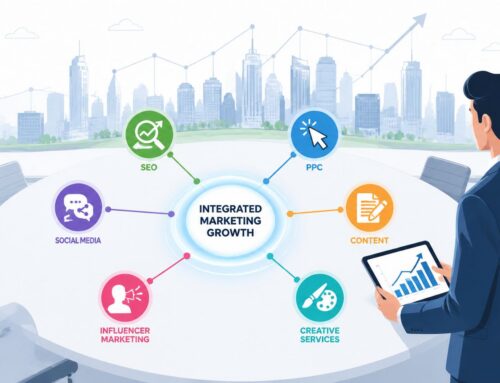
Navigating the complex world of search engine marketing can feel like orchestrating a symphony. Each instrument, from the immediate, percussive impact of Pay-Per-Click (PPC) advertising to the deep, resonant tones of long-term Search Engine Optimization (SEO), plays a critical role. Standing alone, each strategy we've explored has the power to generate results. However, the true mastery of search engine marketing strategies lies not in playing a single instrument well, but in conducting them all in perfect harmony. The goal is to create a cohesive, powerful engine that drives sustainable growth and dominates the search landscape.
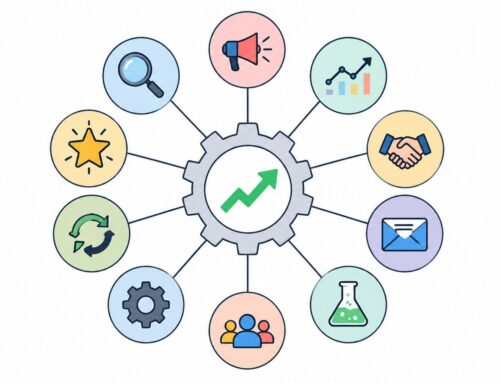
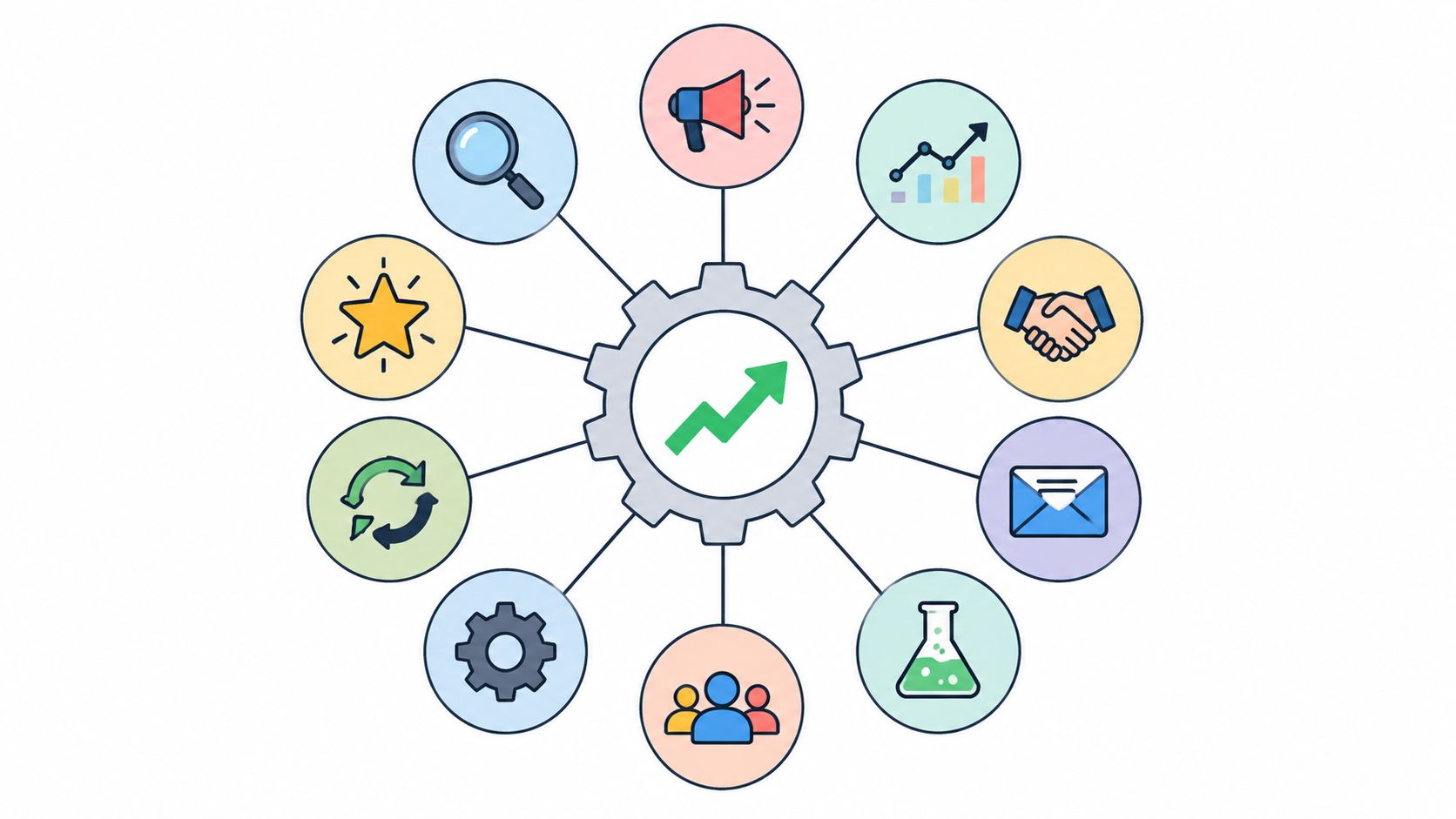
Think of these ten strategies as interconnected gears. Your deep dive into keyword research doesn't just fuel your SEO; it provides the exact terminology your audience uses, which can then be used to craft high-converting ad copy for your PPC campaigns. The data from those PPC campaigns, in turn, offers rapid-fire insights into which keywords and value propositions resonate most, informing your slower-burn content marketing and SEO efforts. This creates a powerful feedback loop where paid and organic efforts continuously enrich one another.
Creating Your Strategic Flywheel
The most successful digital marketers don't treat these tactics as a checklist to be completed. Instead, they build a strategic flywheel where each component adds momentum to the others.
- Content & SEO: Your high-quality content, optimized for search, builds organic authority and attracts top-of-funnel traffic over the long term. This content becomes a valuable asset.
- PPC & Remarketing: You can then use PPC to amplify that content's reach instantly or use remarketing to bring back visitors who engaged with it but didn't convert.
- CRO & Analytics: Conversion Rate Optimization ensures that the traffic you've worked so hard to acquire, whether paid or organic, is not wasted. Every A/B test and user experience improvement increases the ROI of all other activities. Your analytics and attribution models are the command center, telling you precisely which combination of efforts is driving the most valuable outcomes.
For example, a local business might use Local Search Marketing to secure a spot in the map pack, while running targeted ads for "near me" searches. The landing page for those ads would be meticulously optimized for conversions (CRO), and video testimonials featured on that page (Video Search Marketing) could be used in a remarketing campaign to build trust with potential customers who visited but didn't book an appointment. Every piece works together.
Your Path Forward: From Knowledge to Action
The journey to mastering these search engine marketing strategies is an ongoing process of implementation, measurement, and refinement. The digital landscape is not static; search engine algorithms evolve, consumer behavior shifts, and new technologies emerge. Your success will be defined by your ability to remain agile, data-driven, and relentlessly focused on providing value to your audience.
The ultimate takeaway is this: integration is multiplication. When your SEO, PPC, content, and analytics work in unison, the combined effect is far greater than the sum of its parts. You build a resilient, multi-faceted online presence that isn't dependent on a single channel. You create a customer journey that is seamless, from their initial search query to their final conversion, building brand authority and driving measurable business results every step of the way. Start by identifying one or two key integrations you can implement this quarter, measure the impact, and build from there. The path to search engine dominance begins with that first, deliberate step toward a unified strategy.
Ready to transform your knowledge into a high-performance, integrated search engine marketing strategy? The expert team at ReachLabs.ai specializes in orchestrating every facet of SEM, from analytics to creative, to build a cohesive growth engine for your business. Let's build a strategy that delivers results by visiting us at ReachLabs.ai.