You’re probably already posting. A few Instagram Reels. A holiday graphic. A staff photo. Maybe a sunset over Camelback because it feels local enough.
Then nothing happens.
That’s the gap most Phoenix businesses run into. They mistake activity for strategy. In a market as spread out and segmented as the Valley, generic posting usually blends into the feed. Scottsdale buyers don’t react like Tempe students. Downtown founders don’t browse like snowbirds in January. If your content treats Phoenix like one audience, your results flatten fast.
The upside is big. 96% of small businesses rely on social media as a key marketing channel, and 58% of consumers discover new businesses through these platforms, according to Dreamgrow’s social media statistics roundup. For social media marketing phoenix campaigns, that means your customer is already online. The critical question is whether your content, targeting, and offer feel native to their part of the city and their stage of life.
Winning in the Valley Beyond Cactus Photos
Phoenix marketing advice often gets reduced to clichés. Post desert visuals. Mention the heat. Throw in a local hashtag. That’s not a strategy. That’s decoration.
The Valley is too competitive and too fragmented for broad, one-size-fits-all social content. A med spa in North Scottsdale, a SaaS firm near the Price Corridor, a coffee shop in Roosevelt Row, and a family dental office in the West Valley shouldn’t sound alike or run the same playbook. They’re selling to different people with different motivations, budgets, and expectations.
What local relevance actually looks like
Local relevance isn’t just saying “Phoenix” in the caption. It’s knowing which neighborhoods shape buying behavior and which moments create demand.
A practical Phoenix strategy usually accounts for factors like:
- Neighborhood identity: Arcadia, Gilbert, Downtown Phoenix, Chandler, and Scottsdale all have distinct signals of taste and status.
- Seasonality: Summer locals behave differently than winter visitors. Messaging that works in July often falls flat during peak snowbird season.
- Event gravity: Spring Training, First Friday, ASU move-in, holiday markets, and major sports weekends create natural content hooks.
- Commute patterns: East Valley professionals and West Valley families often browse at different times and respond to different offers.
Practical rule: If the same post could run unchanged for any business in any city, it’s probably too generic to win in Phoenix.
What works and what usually doesn't
What works is narrow positioning. A local restaurant can build momentum by tying content to Suns game nights, patio weather, and neighborhood pride. A B2B company can build authority by publishing thought leadership around hiring, growth, and local business events instead of posting stock-office graphics. A home service brand can outperform more polished competitors by showing up with useful, timely videos before monsoon season.
What usually doesn’t work is the low-effort content calendar many businesses default to. Random promotions. Generic motivational quotes. Holiday graphics with no offer. Beautiful photography with no reason to act. Those posts aren’t offensive. They’re forgettable.
Phoenix rewards businesses that sound like they live here, understand the metro’s subcultures, and can connect content to timing. That’s the difference between a page that looks active and a channel that drives leads, foot traffic, and repeat business.
Profiling Your True Phoenix Audience
Most weak social campaigns fail before the first post goes live. The business guesses at the audience, creates broad creative, and hopes the algorithm figures it out.
That approach breaks down fast in the Valley. Building an active online community was the second-biggest goal for 90% of social media marketers in recent surveys, as noted by In Business Phoenix on mastering the social media landscape. Community only happens when people feel recognized. That starts with sharper segmentation, not broader reach.

The Valley isn't one audience
Phoenix metro buyers sort themselves into clear behavioral groups. If you’re doing social media marketing phoenix well, you build content around those groups instead of relying on age and gender alone.
Here are five of the most useful audience buckets:
- Scottsdale luxury buyers: They respond to polish, exclusivity, convenience, and visual proof. Think refined design, concierge-style messaging, before-and-after content, and partnerships that signal status without feeling loud.
- Downtown and corridor professionals: This audience leans toward utility and credibility. They want clear expertise, strong points of view, local business insight, and content that respects their time.
- ASU and Tempe younger audiences: They react to immediacy, social proof, humor, creator-led content, and brands that understand campus-adjacent life without sounding like they’re trying too hard.
- West Valley family households: They often care about trust, affordability, scheduling convenience, and businesses that fit into a busy household routine.
- Snowbirds and seasonal residents: They arrive with short windows, established habits, and a need to make quick decisions. They often respond to clarity, ease, and familiar signals of trust.
If you haven’t built these distinctions into your content process, start with documented personas. A simple framework like buyer persona development for marketing teams helps turn local assumptions into usable targeting criteria.
What to listen for before you publish
Audience research in Phoenix isn’t just demographic. It’s observational. Read comments on local competitor pages. Check what gets shared in neighborhood Facebook groups. Watch what creators in your niche post around school calendars, weather shifts, and local events.
A few examples of what that reveals:
- Scottsdale beauty and wellness buyers often care as much about experience signaling as the service itself.
- Founders and operators in Chandler and Tempe often engage more with opinionated LinkedIn content than with highly polished brand videos.
- Families in Surprise, Peoria, and Goodyear tend to respond well to content that removes friction, such as how booking works, what to expect, and whether kids are welcome.
- Seasonal residents often need reminder content tied to return dates, event calendars, and simple offers.
The better your audience definition gets, the less content you need to publish just to stay visible.
A simple local segmentation test
If you’re unsure whether your audience model is strong enough, ask three questions:
- Would this customer describe your business differently than another segment would?
- Would they visit at different times of year, week, or day?
- Would the same offer persuade both groups equally?
If the answer is no, split the audience. Most Phoenix brands wait too long to do this. That delay shows up later as weak engagement, rising ad costs, and content that feels busy but unfocused.
Choosing Platforms and Crafting Hyper-Local Content
Platform choice gets overcomplicated. Most businesses don’t need to be everywhere. They need to match the platform to buyer behavior, then create content that sounds like it belongs in Phoenix rather than in a generic brand playbook.
Phoenix Social Platform and Content Matrix
| Business Type | Primary Platform | Secondary Platform | Winning Content Angle |
|---|---|---|---|
| Restaurants and cafes | TikTok | Patio moments, chef stories, game-day specials, First Friday tie-ins, neighborhood loyalty | |
| Real estate teams | Listing tours, neighborhood insight, relocation content, seasonal buyer tips, local lifestyle clips | ||
| B2B services | Founder perspective, client education, hiring insight, event recaps, local business commentary | ||
| Retail boutiques | TikTok | New arrivals, styling demos, pop-up events, UGC, seasonal Phoenix outfit relevance | |
| Home services | Quick fixes, monsoon prep, team credibility, before-and-after proof, service-area familiarity | ||
| Wellness and beauty brands | TikTok | Treatment education, creator partnerships, client journeys, premium experience content | |
| Community businesses and nonprofits | Event turnout, volunteer stories, neighborhood impact, local partnerships |
The table is a starting point, not a rulebook. A B2B founder with a strong camera presence may build traction on Instagram. A boutique with loyal repeat buyers may still get solid results from Facebook groups. The key is matching platform habits to purchase behavior.
Content that feels native to Phoenix
The strongest local content usually comes from shared context. People engage faster when they recognize the moment, the place, or the inside joke.
Useful Phoenix content angles include:
- First Friday content: Show what your team is doing in Roosevelt Row, feature artist collaborations, or create limited offers tied to gallery traffic.
- Spring Training tie-ins: Restaurants, retail, hospitality, and local services can build timely offers around visiting fans and packed weekends.
- ASU rhythms: Move-in season, graduation, apartment hunting, student routines, and late-night habits all create useful hooks for Tempe-area brands.
- Neighborhood pride: Posts that call out Arcadia, North Scottsdale, Downtown Phoenix, Gilbert, or Chandler often outperform broad metro messaging because they feel more specific.
- Monsoon season and summer survival: Home services, auto, fitness, and retail brands can all create timely content around heat, storms, and indoor alternatives.
- Local debates: Best coffee shop for remote work, underrated brunch spots, easiest hiking trail for visitors, or where to take out-of-town guests.
Match format to buying intent
Don’t treat every format the same.
Use Reels and short-form video for attention. Use Stories for urgency, reminders, and low-friction interaction. Use carousels for education. Use LinkedIn text posts when your buyer wants a point of view more than a produced asset.
If you sell products, especially visual inventory, it helps to study practical platform-specific tactics like how brands maximize Shopify sales on Instagram. The value there isn’t just commerce setup. It’s understanding how product discovery, creator content, and conversion paths work together on a platform where Phoenix retail brands already compete for attention.
Good local content doesn't just mention the city. It reflects how people in that part of the city actually live.
Phoenix Paid Social Tactics and Budgeting
Most local businesses either spend too little to learn anything or spend too loosely and call the results “brand awareness.” Paid social works in Phoenix when budget follows a testing discipline.
A structured approach matters because unoptimized campaigns can burn cash quickly. The Phoenix Ascent Framework for paid social strategies describes how startups can avoid wasting $10,000 to $50,000 in the first year and recommends low-budget testing to reach 1.5 to 2x ROAS before scaling.

Start narrow before you scale
The biggest paid social mistake I see in local markets is broad targeting too early. A Phoenix business launches citywide, stacks too many interests, runs one weak creative, and then decides paid social “doesn’t work.”
A tighter starting model looks like this:
- Test one offer first: Don’t launch a menu of services. Pick the offer with the clearest problem-solution fit.
- Target one audience slice: Example. Downtown apartment renters, North Scottsdale aesthetic buyers, or East Valley founders.
- Use one landing action: Call, form fill, booking page, or direct message. Not all four.
- Build retargeting immediately: Anyone who watches, clicks, or visits should move into a warmer audience path.
Hyperlocal targeting works especially well around neighborhoods, event zones, and seasonal demand pockets. A hospitality brand can align campaigns with Spring Training traffic. A restaurant can geo-target around event-heavy weekends. A home service company can shift creative as weather changes alter buyer urgency.
For tactical inspiration on setup and audience structure, AdStellar AI's local business ad playbook is a useful companion read.
Budget in stages, not guesses
The smartest budgets grow in phases.
- Validation phase: Keep spend tight and judge whether the audience, message, and landing page are aligned.
- System phase: Once a campaign shows traction, add tracking, stronger creative variation, and clear follow-up.
- Growth phase: Expand only after you know which neighborhoods, messages, and audience clusters convert.
Often, teams require operational support. Some businesses manage it in-house with Meta Ads Manager, GA4, and CRM workflows. Others use agency support. ReachLabs.ai social media advertising strategies is one example of a service set built around paid social planning, creative, and lead generation workflows.
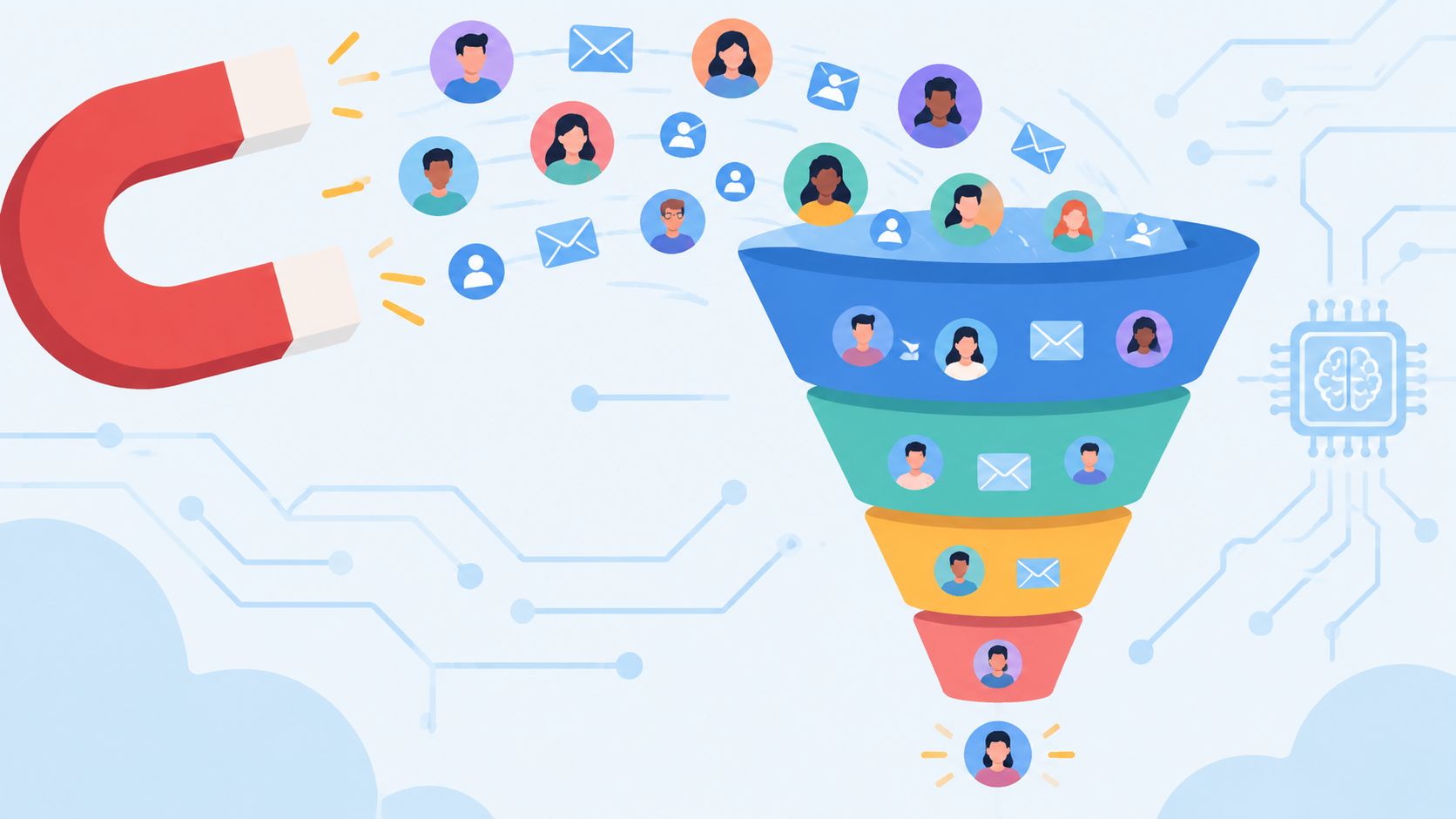
A short walkthrough helps if you’re mapping the funnel from awareness to retention.
What Phoenix businesses should actually watch
Paid social should be judged by business movement, not dashboard activity.
Watch for:
- Lead quality: Are booked calls or store visits improving, or just clicks?
- Audience fit: Which neighborhoods and segments are producing real conversations?
- Creative fatigue: Did performance dip because the offer failed, or because the same ad stayed up too long?
- Warm-path efficiency: Are retargeting audiences moving faster than cold traffic?
Field note: Phoenix paid social gets stronger when you treat geography as buying context, not just radius targeting.
Building Alliances with Local Influencers and Communities
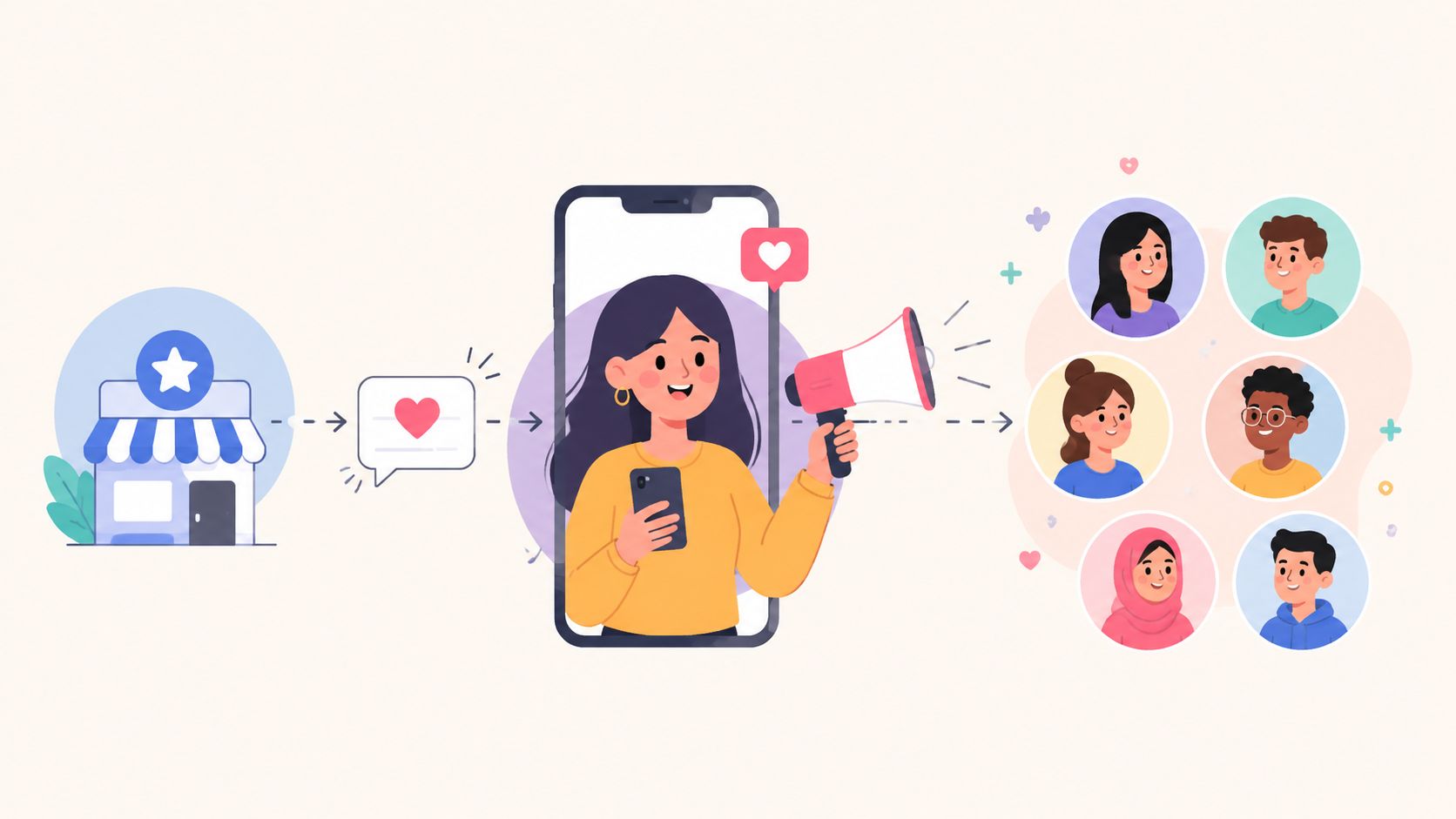
Many Phoenix brands think influencer marketing means hiring the biggest local personality they can afford. That usually creates a spike of attention and a weak handoff.
Local influence works better when it looks less like a sponsorship and more like a trusted introduction. A Pilates studio in North Scottsdale may get more from a handful of niche wellness creators than from one broad lifestyle account. A restaurant in Midtown may benefit more from a food creator whose audience dines locally than from a larger account with scattered followers.

How to vet local creators without guessing
Start with audience fit, not vanity.
Look for:
- Comment quality: Are people asking local questions, tagging friends, and sounding like real buyers?
- Content alignment: Does the creator already post about food, fitness, fashion, real estate, or business in a way that matches your category?
- Location signals: Are they regularly at Phoenix events, neighborhoods, and businesses your customers recognize?
- Platform behavior: Some creators are strong on Stories, some on Reels, some in private groups and DMs.
A useful local partnership often starts small. Invite the creator in. Give them a clear brief. Let them produce content in their own voice. Then watch whether the partnership drives saves, DMs, coupon use, bookings, or referral chatter.
The overlooked moat is private community
Public feeds matter, but they’re noisy. Private channels are often where trust compounds.
According to Meta Phoenix analysis on dark social and private communities, dark social drives 70 to 80% of initial B2B leads, and private community hubs can boost retention by 3x. For Phoenix businesses, that’s a major opening because many local brands still focus almost entirely on public posting.
Here’s what that can look like in practice:
- A real estate team runs a private WhatsApp group for relocation prospects and local referral partners.
- A fitness brand creates an invite-only group for challenge participants, class reminders, and member wins.
- A B2B agency builds a private founder community around local hiring, partnerships, and referrals.
- A boutique retailer uses a VIP text or private group for early access drops and event invites.
Public content earns attention. Private community earns memory, repeat action, and referrals.
A Phoenix scenario that tends to work
Take a Downtown shop launching a new product line during First Friday. The public plan includes short-form video, creator visits, and Stories throughout the event. That creates visibility.
The smarter layer comes after. Everyone who engages gets invited into a private customer list or group. Future drops, event previews, and local collabs happen there first. Over time, the business stops depending only on the algorithm and starts owning a community channel.
That’s the true alliance strategy. Not just influencer posts. Creator trust plus community infrastructure.
Measuring Real ROI and Your 90-Day Action Plan
Most businesses still judge social by likes, reach, and follower gains. Those metrics can be useful signals, but they don't answer the only question that matters. Did social contribute to revenue, pipeline, bookings, or repeat business?
That question has become harder locally. GoodFirms coverage of Phoenix social media marketing providers notes that some data suggests Phoenix CPCs can run 15 to 20% higher than national averages, and in some local sectors organic UGC can outperform paid ads by 2.5x in lead generation. That trade-off matters. If your paid traffic is expensive, you need cleaner attribution and stronger content from customers themselves.
Measure business actions, not platform applause
For most Phoenix SMBs, these are the KPIs worth tracking first:
- Qualified leads from social: Form fills, calls, booked consults, and direct messages with purchase intent.
- Offer redemption: Promo codes, event RSVPs, and campaign-specific booking links.
- On-site behavior: Landing page visits from social, time on page, and conversion path completion.
- Repeat customer signals: Return bookings, VIP list growth, and community participation.
- UGC contribution: Customer posts, tagged stories, reviews, and repost-worthy proof.
If your reporting still centers on impressions and engagement rate alone, tighten it up. A practical guide like Viral.new tips for social media ROI can help frame measurement more clearly. For a more detailed operational setup, use ReachLabs.ai’s guide to measuring social media ROI.
A simple 90-day rollout
Days 1 to 30
Audit your current channels. Define your real audience segments. Identify one primary platform, one supporting platform, and one offer worth promoting. Clean up profile messaging, links, and landing pages.
Days 31 to 60
Launch a hyper-local content cadence. Tie posts to Phoenix moments that match your audience. Start collecting UGC intentionally. If you’re using paid social, run a limited test against one segment and one offer.
Days 61 to 90
Review results against business outcomes. Cut content themes that didn’t attract action. Expand what produced leads, sales conversations, or repeat visits. Build a retargeting or follow-up path for everyone who engaged but didn’t convert.
If you can't connect a social campaign to a buyer action, you don't have a marketing channel yet. You have a publishing habit.
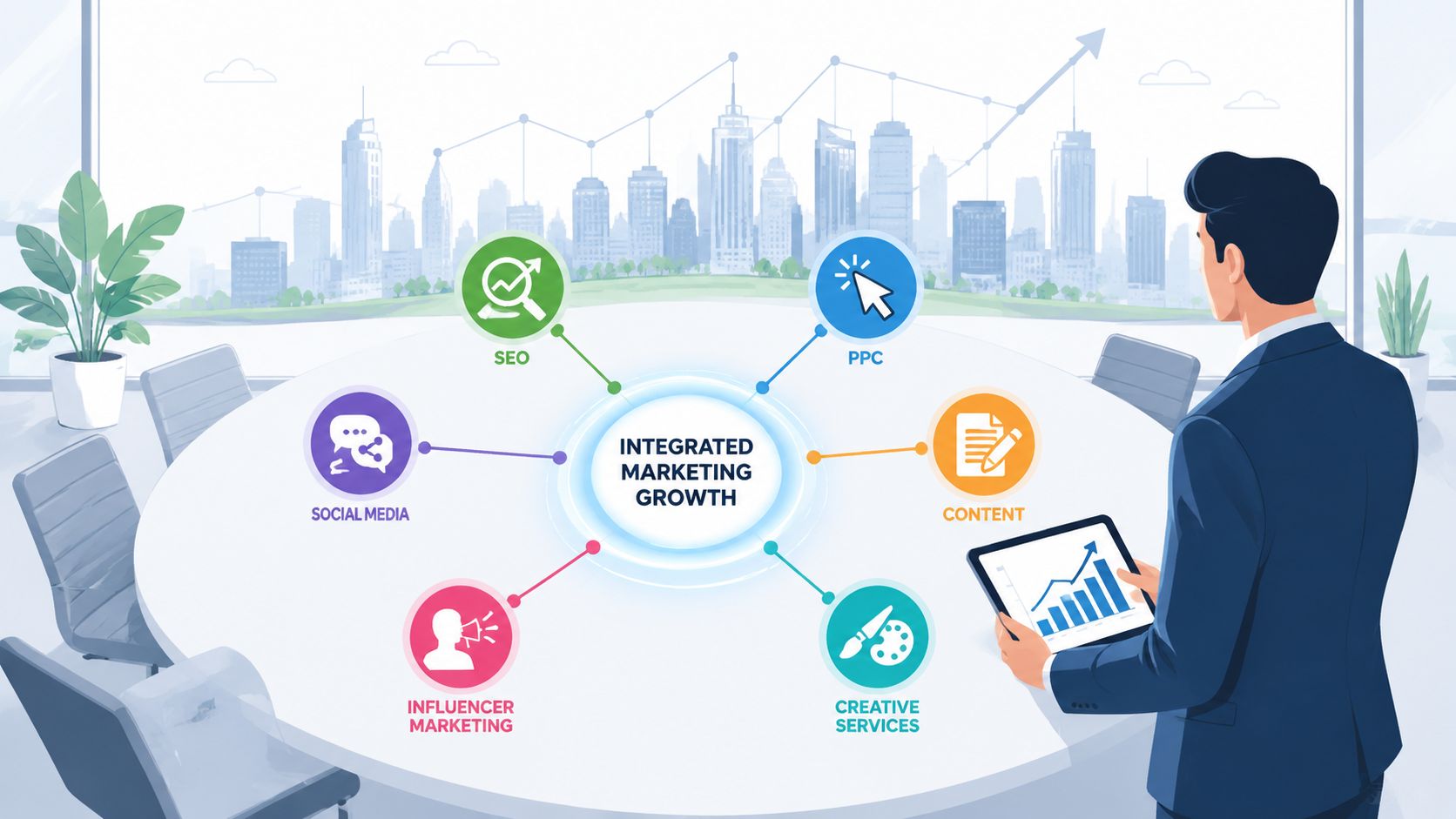
The businesses that win with social media marketing phoenix aren’t the ones posting the most. They’re the ones building local relevance, disciplined testing, and clear measurement into the same system.
ReachLabs.ai helps businesses turn social channels into structured growth systems with strategy, creative, paid campaigns, influencer execution, and measurement support. If you need a Phoenix-specific social program that goes beyond generic posting, explore ReachLabs.ai.