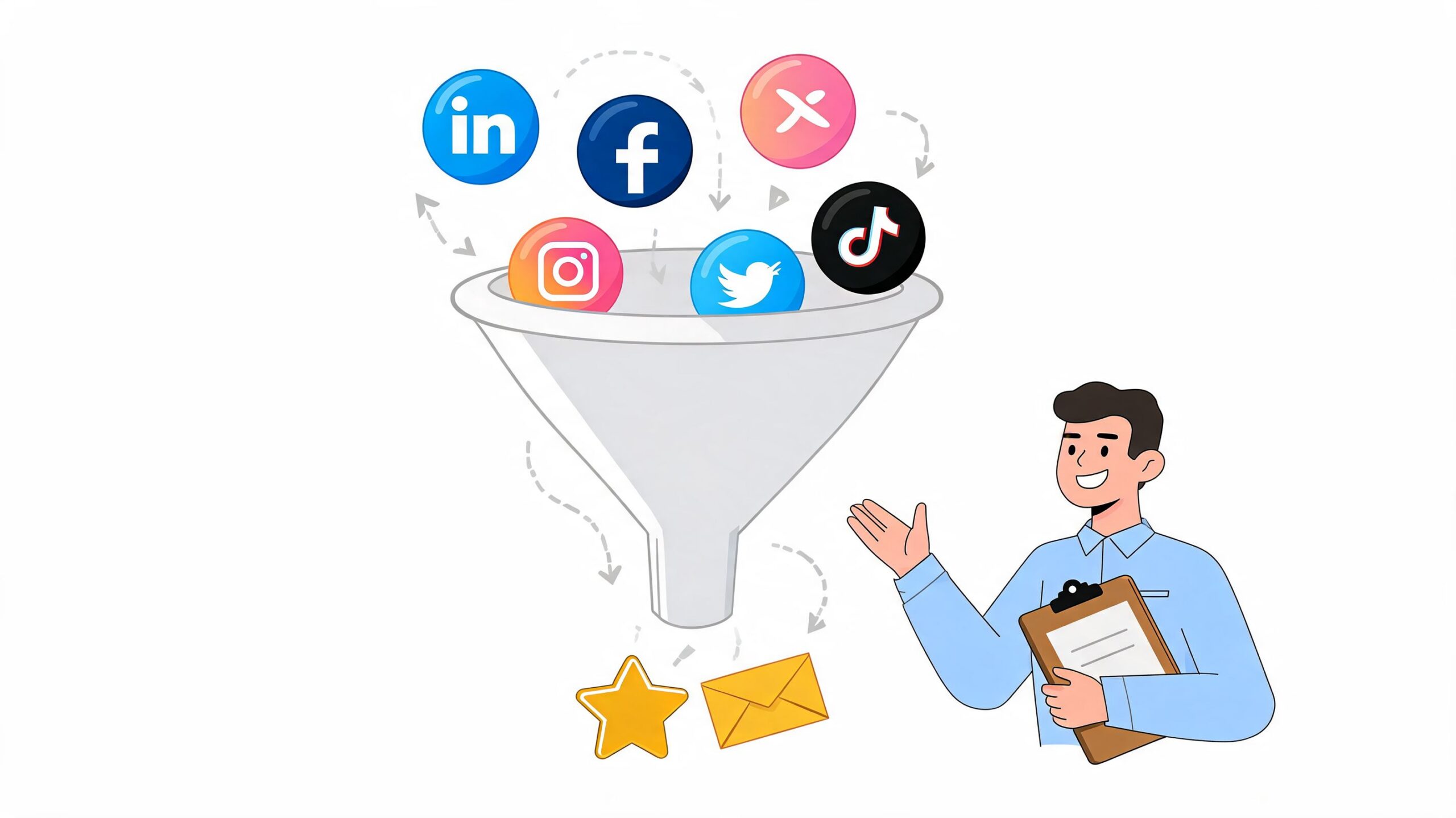
In 2025, 68% of marketers said social media marketing had helped them generate more leads, and experienced practitioners were even more likely to say so according to Exploding Topics' lead generation statistics roundup. That should change how many departments think about social. This is not a side channel for awareness anymore. It's part of the pipeline.
The mistake I still see is treating lead generation social media as a campaign problem. A team runs lead ads for two weeks, downloads a list, hands it to sales, then wonders why close rates are weak. The issue usually isn't the platform. It's the lack of a system.
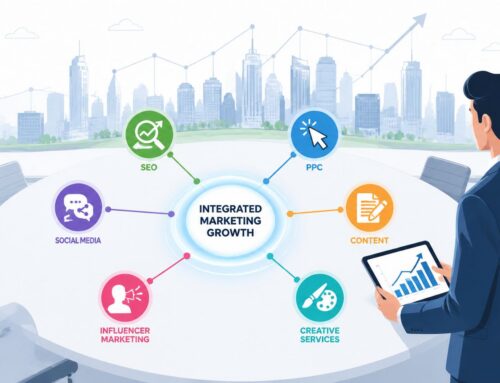
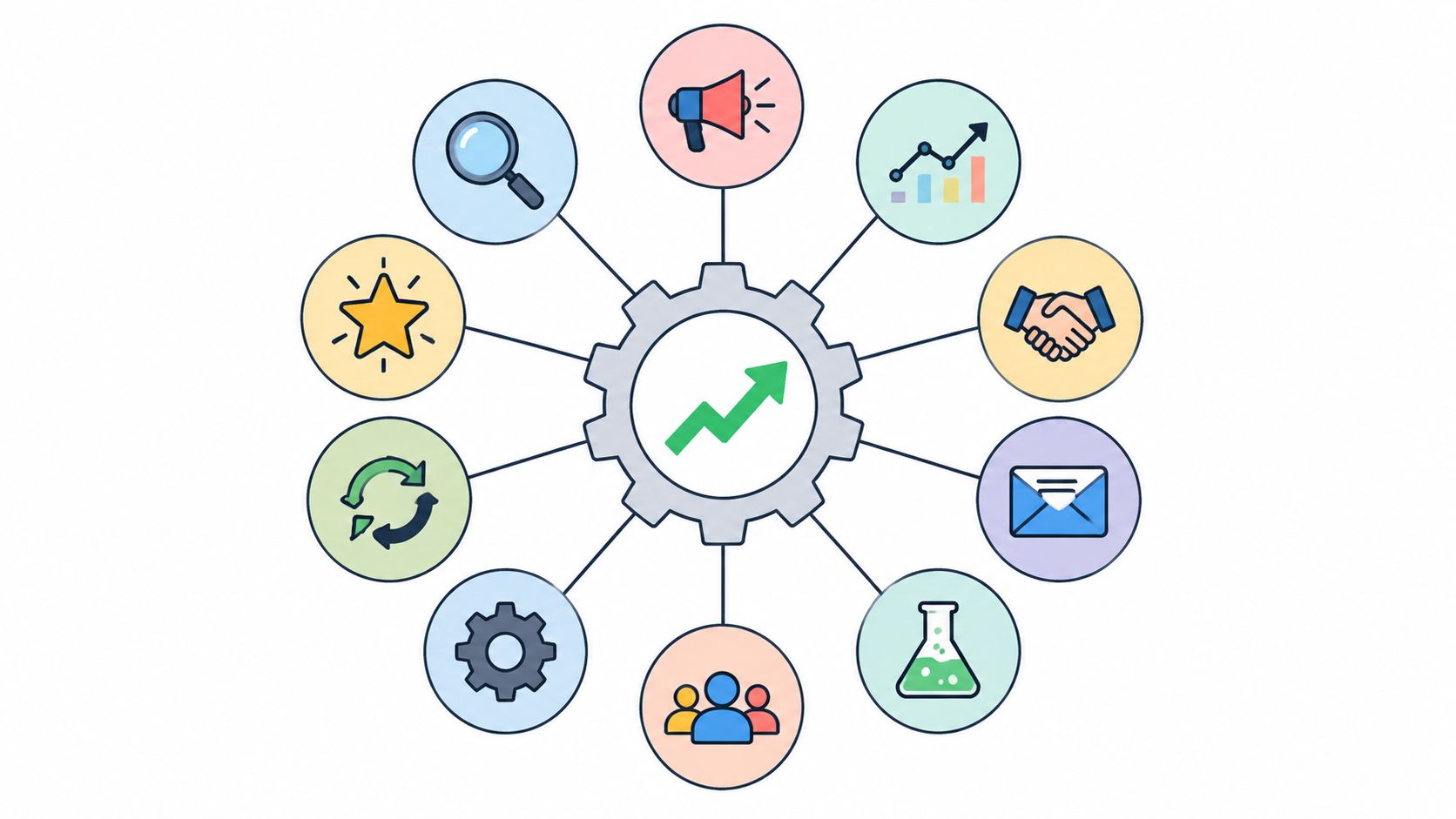
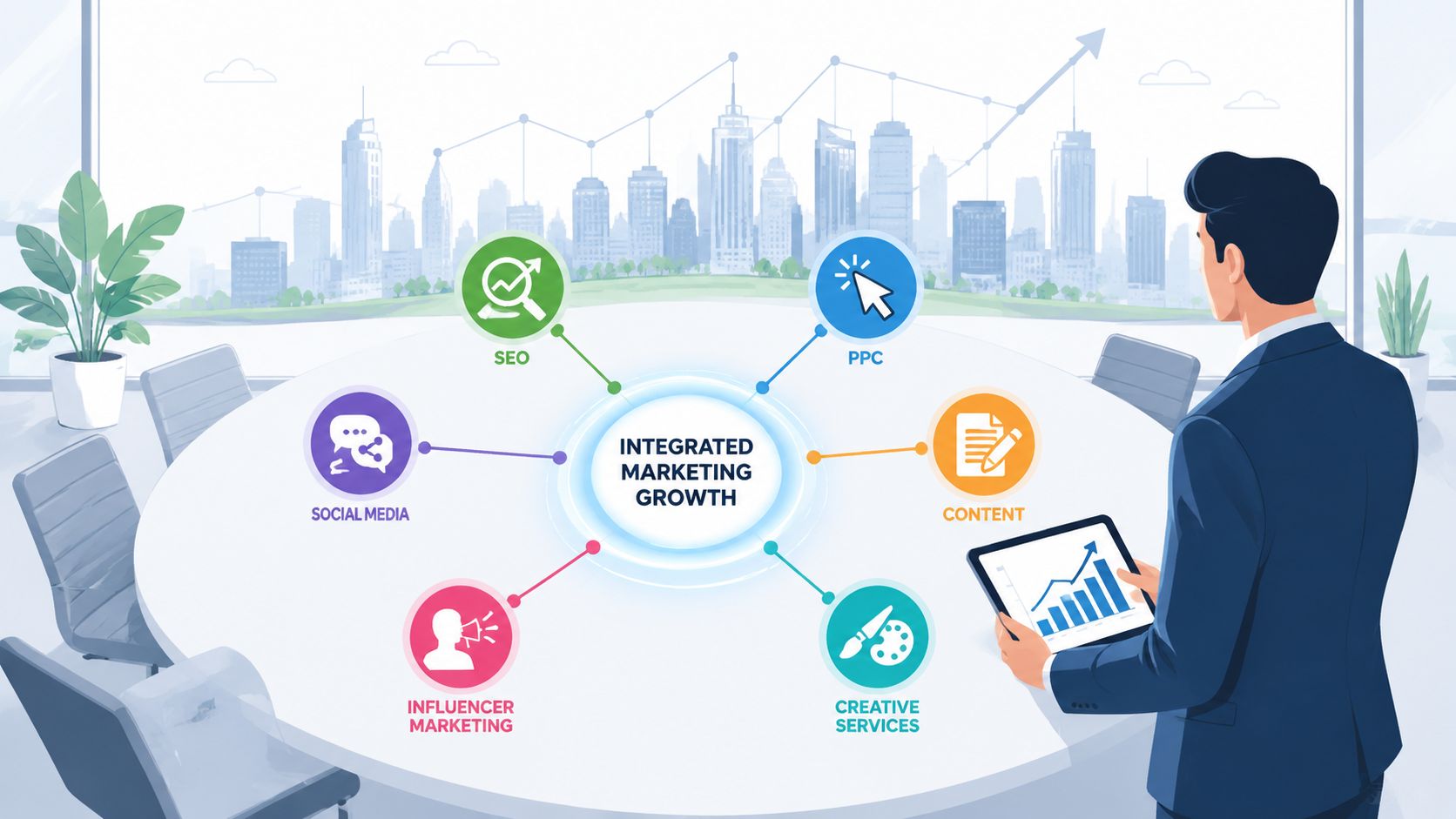
A system connects organic content, paid promotion, influencer distribution, direct outreach, and measurement into one repeatable engine. Each part does a different job. Organic builds credibility. Paid captures demand faster. Influencers lend trust and reach. Outreach creates follow-up momentum. Measurement tells you which combinations are producing qualified opportunities rather than cheap form fills.
That's the standard worth aiming for. Not more posts. Not more impressions. A social program that creates pipeline you can trace, improve, and scale.
Why Social Media Is Your New Lead Generation Engine
Social influences lead generation far earlier and far more often than many teams give it credit for. Prospects find a brand in the feed, check the profile, scan recent posts, click to the site, leave, get retargeted, ask a colleague, then convert after a later touch. That behavior turns social into part of the buying path, not a channel that sits off to the side.
The key change is practical. Social is no longer just a place to publish content and hope interest builds over time. It can support discovery, evaluation, capture, and follow-up in one connected system.
That matters because buyers do not separate brand and performance the way internal teams often do. They judge credibility and intent in the same session. A weak profile lowers response rates on paid campaigns. Thin content hurts outreach conversion. Poor follow-up wastes the leads your ads already paid for.
Social is where discovery and evaluation happen together
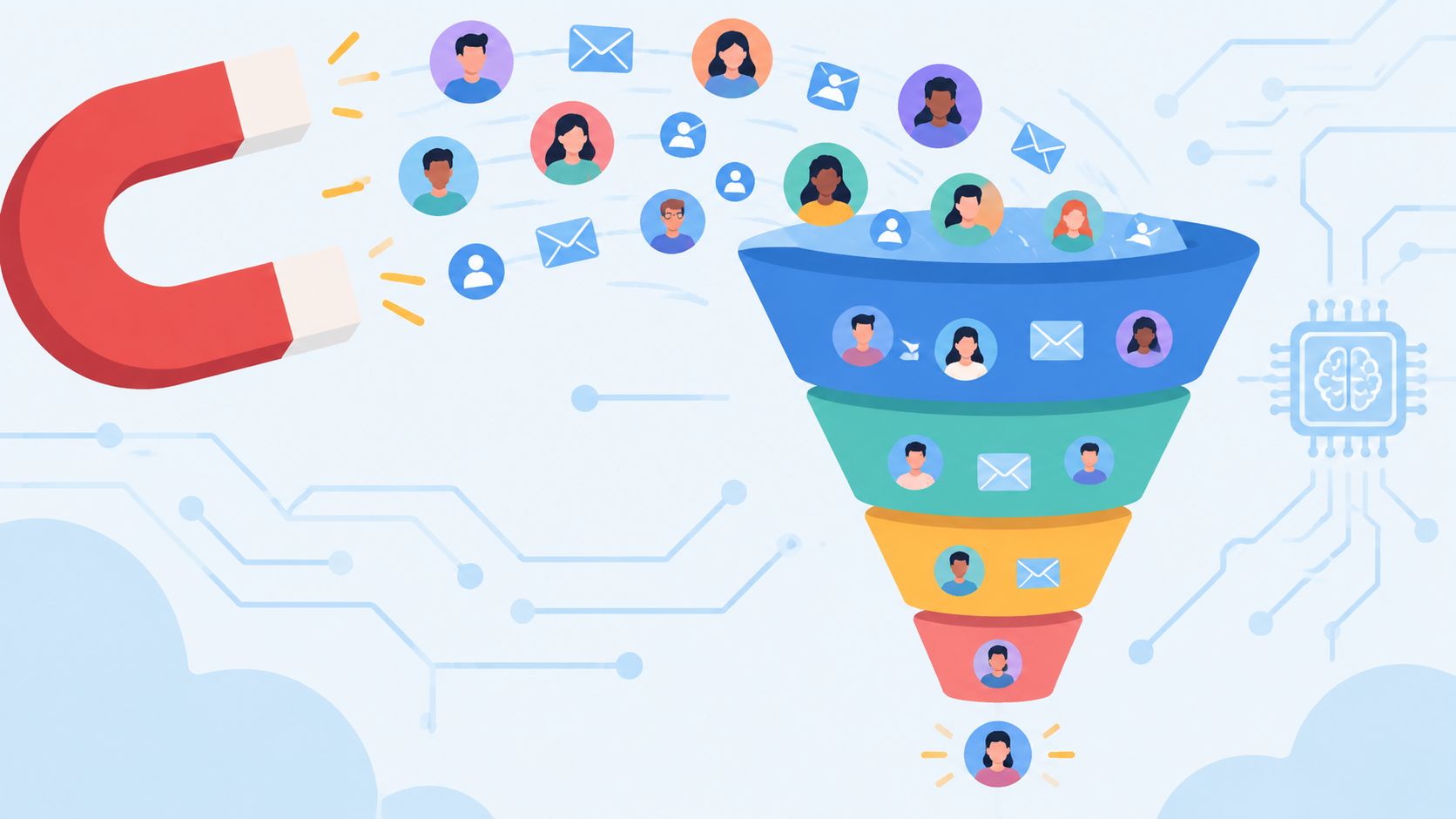
Lead generation social media works best when the program is built around pathways, not isolated tactics. In agency work, that usually means four coordinated layers:
- Discovery content that earns attention from the right audience
- Proof content that answers objections with examples, outcomes, and specificity
- Conversion assets such as lead forms, booking pages, webinars, or offers tied to clear intent
- Follow-up motions across retargeting, email, sales outreach, and creator or partner touchpoints
This is the difference between running lead ads and building a lead generation engine. ReachLabs.ai approaches social that way because attribution gets much clearer when organic, paid, influencer distribution, and outreach are planned as one system instead of four separate workstreams.
A lot of underperformance comes from imbalance. Some brands publish decent content but never give high-intent visitors a clean next step. Others buy traffic aggressively, then send prospects to profiles or landing pages that do not build trust. Both setups create friction, and friction shows up as low conversion rates, weak lead quality, or long sales cycles.
Practical rule: If you cannot explain what earns attention, what creates trust, what captures intent, and what happens after the form submit, you do not have a lead generation system yet.
The most significant shift is operational
The opportunity is not just audience size. The opportunity is that social can now be managed with the same discipline as search, email, and outbound.
That means clear offers, segmented audiences, content matched to funnel stage, retargeting logic, handoff rules, and reporting that ties activity back to pipeline. Teams that need a clearer framework should start with a social media strategy built around business goals and channel roles, then turn that strategy into platform-specific execution. If creators are part of the mix, these content planning tips for social media influencers can help tighten the distribution side of the system.
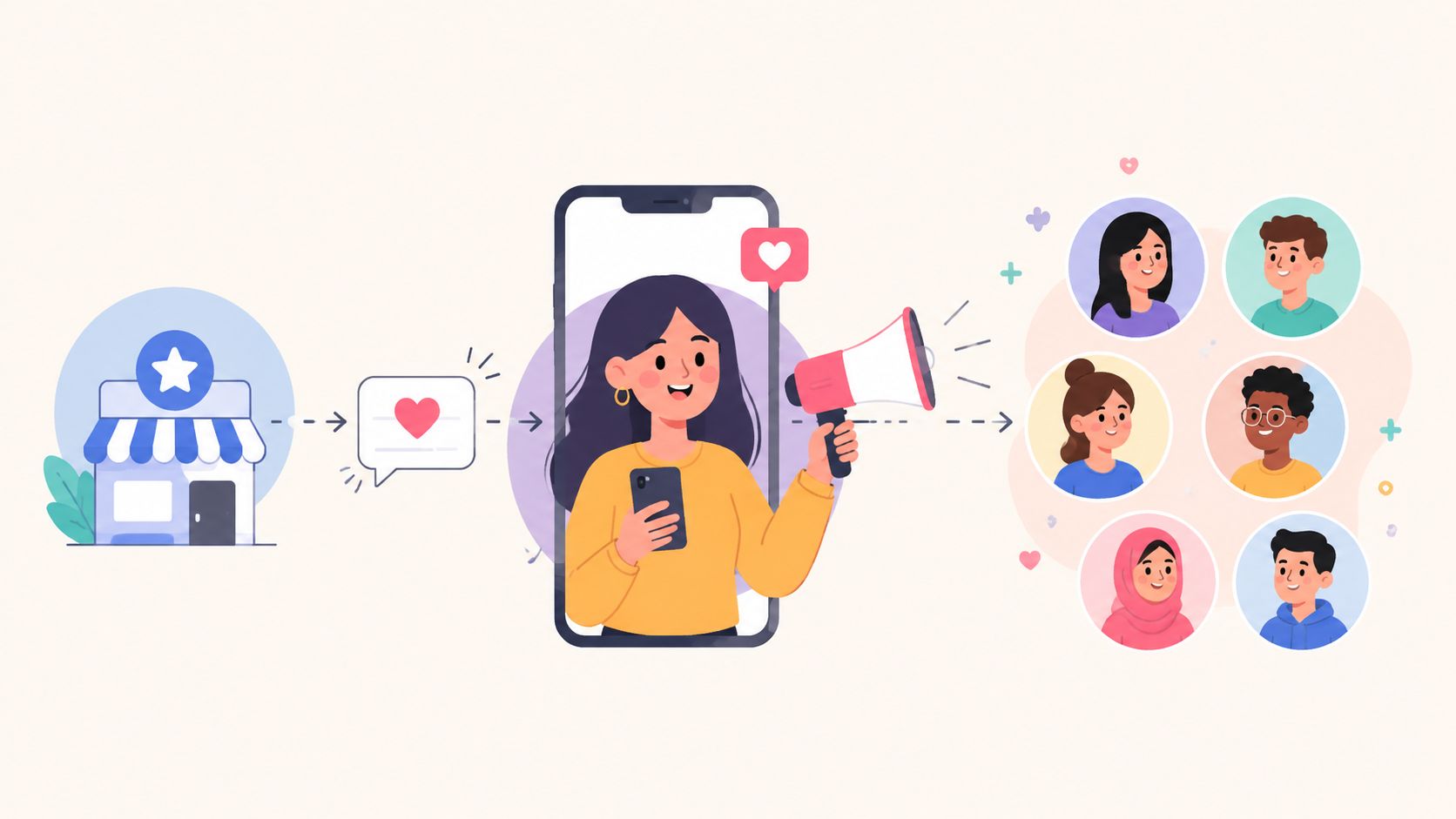
Once those pieces are in place, social becomes easier to scale because each part has a job. Organic builds familiarity. Paid captures and retargets demand. Influencers add borrowed trust. Outreach creates the extra touch that often turns interest into a sales conversation.
Define Your Strategy Before You Post Anything
The fastest way to waste budget on lead generation social media is to start with content formats or ad types before deciding what a good lead is.

A qualified lead isn't “someone interested in our brand.” That definition is too soft to guide targeting, creative, or follow-up. A useful definition names the traits and actions that make a lead worth pursuing. For B2B, that usually includes role fit, company fit, pain-point relevance, and intent signal. For local or service businesses, it may be geography, budget fit, timeline, and service need.
Start with lead quality, not lead volume
Before any campaign goes live, answer these questions:
Who counts as sales-ready?
Define the threshold where marketing should pass a lead to sales.Who counts as nurture-ready?
Some people fit your audience but aren't ready to buy. Keep them in a separate track.Who should be filtered out?
Exclude poor-fit industries, job levels, locations, or use cases early.
A lot of friction disappears once those rules are clear. Creative gets sharper. Forms become easier to design. Reporting gets cleaner because everyone is working from the same standard.
Set KPIs that map to business outcomes
Don't build your scorecard around likes, reach, and vague engagement. Those metrics can help diagnose performance, but they don't define success.
Use a working hierarchy like this:
| Priority | What to track | Why it matters |
|---|---|---|
| Primary | Qualified leads | Shows whether the channel is producing usable demand |
| Secondary | Meeting requests, demo requests, booked calls | Indicates buyer intent |
| Diagnostic | Click-throughs, form completion, landing page behavior | Helps find bottlenecks |
| Context | Comments, shares, saves, profile visits | Useful for content feedback, not final ROI |
If your team needs a stronger planning framework, ReachLabs has a helpful guide on how to create a social media strategy. For creator-led programs, I also like these content planning tips for social media influencers because they force clarity around audience, format, and consistency before execution starts.
The best social lead gen programs repel bad-fit leads on purpose. More top-of-funnel activity is not always better.
Build a persona that can drive execution
Most buyer personas are too broad to be useful. “Marketing managers at growing companies” won't help you write strong hooks or choose offers. A working persona should include:
Decision context
What problem triggered their search, and what pressure are they under?Platform behavior
Which channels do they use to learn, compare, and validate vendors?Objections
What makes them hesitate, delay, or ignore your message?Content appetite
Do they want tactical checklists, executive summaries, walkthroughs, or live demos?
Once this is defined, posting becomes easier because each asset has a job. You're not trying to “stay active.” You're building content that moves a specific buyer toward a specific action.
Choose Your Platforms and Map Your Funnel
A lot of businesses spread themselves thin because they assume every social network deserves equal effort. It doesn't. Platform choice should follow buyer intent, offer type, and how much explanation your service requires.
A 2025 survey summarized by Databox found that Facebook, Instagram, and LinkedIn were the top three social media channels for conversions. For B2B specifically, 44% of marketers ranked LinkedIn as the top platform, while Facebook came second at 33%. That doesn't mean every business should default to those platforms. It means the choice should be deliberate, not fashionable.

Pick platforms by buying context
Here's the practical version I use when advising clients:
| Platform | Best fit | What usually works | Common mistake |
|---|---|---|---|
| B2B, services, expertise-led offers | Thought leadership, lead forms, founder content, outreach support | Running generic brand ads with no clear offer | |
| Facebook and Instagram | Broad targeting, local services, consumer and prosumer offers | Retargeting, lead magnets, short videos, testimonials | Sending cold traffic to weak landing pages |
| X | Fast-moving categories, commentary-driven brands, event and trend alignment | Opinion-led content, timely hooks, conversation-based discovery | Treating it like a static content archive |
| TikTok | Visual products, education through short-form video, personality-led brands | Native video, problem-solution clips, creator-led offers | Repurposing polished ad creative that feels out of place |
The strongest social systems usually focus hard on one primary platform, support with one secondary platform, and ignore the rest unless there's a clear reason to expand.
Map content to the funnel
Once the platform mix is set, the next job is building a funnel that doesn't depend on one post or one ad doing everything.
Top of funnel attention
At this stage, your audience doesn't need a sales pitch. They need a reason to stop scrolling and care. Strong formats include:
- Problem-first posts that name a painful issue clearly
- Short educational videos that teach one useful thing quickly
- Founder or operator commentary that shows a point of view
- Influencer collaborations that introduce your brand through trusted voices
Many teams underinvest in this area. They ask for the lead before they've built enough context.
Middle of funnel consideration
Now the prospect is aware and comparing options. Give them proof and structure.
- Customer objection posts
- Simple frameworks
- Behind-the-scenes process content
- Case-style walkthroughs without inflated claims
- Retargeting ads tied to specific content they already engaged with
A good middle funnel makes the brand easier to trust. It also prepares the lead for outreach or conversion ads later.
Social buyers often need more than one content format before they act. The post that creates curiosity and the asset that captures demand are rarely the same piece.
Bottom of funnel conversion
Direct response belongs here. Use:
- Lead ads with a clear offer
- Landing pages with tight message match
- Demo requests or discovery call CTAs
- Webinar registrations for more complex services
- Outreach to warm engagers who've shown repeated interest
The tactical sequence matters. If someone watches a founder video, visits your profile, clicks a resource, and then sees a direct offer, the conversion path is much stronger than throwing a cold form at them on day one.
Mastering Organic and Paid Lead Generation Tactics
Organic and paid should not compete inside your strategy. They should do different jobs.
Organic creates familiarity, authority, and audience fit over time. Paid creates speed, controlled distribution, and cleaner testing. If your team treats them as separate departments with separate goals, your lead generation social media results will stay fragmented.

Organic works when the offer feels earned
Organic lead generation is not “post tips and hope.” It works when value-led content leads naturally to a specific next step.
The strongest organic assets are usually compact and useful:
- Checklists for a defined workflow
- Templates that remove setup time
- Mini-guides that solve one urgent problem
- Webinar invites tied to a timely challenge
- Diagnostic prompts that help the buyer evaluate their situation
Your profile matters here more than many professionals realize. A prospect who sees a strong post will often inspect your bio, pinned content, highlights, and recent activity before converting. That profile has to explain who you help, what problem you solve, and what to do next.
Paid works when you remove the right friction
Low-friction forms can convert well. But high conversion and high quality are not the same thing.
According to Ciente's overview of social media lead generation strategies, LinkedIn Lead Gen Forms average a 13% conversion rate, and one analytics example in that same source reported a 39.05% higher goal conversion rate from social visitors. Those numbers explain why native forms are attractive. They reduce drop-off.
The trade-off is qualification. Pre-filled forms are easy to submit. That convenience can pull in casual interest, weak fits, and people who won't respond to follow-up.
How to add friction strategically
Don't solve poor lead quality by making everything harder. Add friction where intent matters most.
- Use one qualifying question if sales time is expensive
- Ask for business email when personal addresses create noise
- Offer a call request only after value has been established
- Route by intent so downloaders and demo-seekers don't enter the same nurture flow
That's also where tools and workflow automation can help. If your team is managing Meta campaigns at scale, it's worth reviewing ways to automate Meta Ads optimization with AI so budget shifts and testing cycles happen faster. And if you're weighing channel roles rather than trying to crown one winner, this breakdown of organic vs paid social media is a useful planning lens.
A short explainer on ad and content balance fits well here:
What actually converts
The best CTA depends on how aware the buyer already is. Cold audiences usually respond better to resource-led offers. Warm audiences are more likely to respond to direct action.
Examples that tend to work:
Cold audience CTA
Download the checklist and see where your pipeline is leaking.Warm audience CTA Book a strategy call if you want a custom plan, not another generic playbook.
Retargeting CTA
You've seen the framework. Get the template and put it to work.
The mistake is asking every audience for the same commitment. Match the ask to the buyer's temperature, and both conversion rate and lead quality improve.
Integrate Advanced Plays to Scale Your Results
Basic social tactics can produce leads. They usually don't produce a durable acquisition engine. To scale, you need layered touchpoints that reinforce each other.
Martal's lead generation statistics roundup makes that point clearly. Only 41% of marketers are completely satisfied with their multi-channel lead generation strategy, it can take 5 to 10 contact attempts before a prospect engages, and webinars show a $72 average cost per lead with 73% of marketers reporting they produce their best quality leads. That doesn't argue for more complexity for its own sake. It argues for coordination.

Use influencer distribution for leads, not just visibility
Most influencer programs fail in lead gen because the campaign ends at exposure. The audience sees the creator. The brand gets attention. Nobody builds a structured path forward.
A better setup includes:
- Unique landing pages for each creator or creator segment
- Offer alignment between the creator's audience and your lead magnet
- Follow-up segmentation based on which creator sourced the lead
- Retargeting audiences built from campaign engagement
This works especially well when the creator teaches, demonstrates, or frames a problem your product solves. The creator shouldn't just mention the offer. They should bridge the audience from curiosity to relevance.
Pair social engagement with managed outreach
If someone engages with your content repeatedly, visits your profile, or signs up for a resource, that's not a dead end. It's a signal.
For B2B brands, one of the most effective moves is connecting social signals to LinkedIn outreach and email follow-up. Not immediately with a hard pitch. With context. Mention the webinar they joined, the topic they engaged with, or the problem they've already shown interest in.
That's where a full-service setup can help. Some teams handle the stack internally with a CRM, ad manager, and outbound tools. Others use agency support for pieces like managed outreach, paid social, or creator campaigns. The point is integration, not channel purity.
A prospect rarely converts because one asset was perfect. They convert because multiple touchpoints made the decision feel lower risk and more relevant.
Webinars are a scaling asset, not a one-off event
Webinars deserve more respect than they usually get. They work because they force useful behavior from both sides. The brand has to teach something concrete. The prospect has to invest time, which creates a stronger signal than a casual click.
Use webinars as the center of a social lead gen system:
- Promote them through organic posts and short clips
- Run paid retargeting to site visitors and engagers
- Ask influencers or partners to co-promote
- Feed registrants into segmented follow-up
- Give sales a clean list of high-intent attendees and no-shows
If you operate in commerce-heavy categories, it's also worth tracking how AI-supported outreach and qualification are evolving. This piece on KI Agents für E-Commerce is useful for thinking about where automated sales support can fit into a broader lead handling process.
Measure What Matters and Optimize Your ROI
Many organizations do not face a social media challenge. Instead, they struggle with an attribution issue.
They can tell you which post got attention and which ad generated a cheap lead. They can't tell you which source produced pipeline, which campaign generated qualified conversations, or whether awareness activity improved later conversion. That's the measurement gap.
As noted in OST Marketing's article on short-term thinking in social lead generation, campaigns combining brand awareness and lead generation perform 500% better than lead generation alone. Yet many teams still report social in disconnected buckets. One dashboard for engagement. Another for leads. A CRM report that barely connects back to channel behavior. That structure hides what is working.
Stop rewarding vanity metrics
Likes, views, and shares have a place. They help you understand resonance. They do not prove business impact.
The metrics that matter are closer to revenue:
- Lead quality by source, campaign, and offer
- Cost per qualified lead rather than cost per raw lead
- Lead-to-meeting rate
- Lead-to-opportunity progression
- Lead-to-customer conversion
- Sales cycle velocity by source
A campaign that generates fewer leads can still be the better investment if those leads move faster and close more often.
Build a simple attribution framework
You don't need a giant analytics overhaul to get useful answers. Start with a disciplined operating model:
| Layer | What to implement | Why |
|---|---|---|
| Traffic tracking | UTM parameters on every social link | Identifies source, campaign, and content path |
| Platform tracking | Pixels and native conversion events | Improves optimization and audience building |
| CRM mapping | Source fields and lifecycle stages | Connects social activity to revenue outcomes |
| Reporting cadence | Weekly diagnostics, monthly pipeline review | Separates tactical fixes from strategic decisions |
If your team wants a more detailed framework, this guide on how to measure social media ROI is a solid companion.
Measure brand and demand together
Most social reporting falters here. Teams optimize only for immediate capture, then slowly starve the content and creative work that makes capture easier later.
Track both sides at once:
- Brand-building content that expands retargeting pools
- Mid-funnel assets that improve trust and response quality
- Bottom-funnel campaigns that convert existing demand
When those are measured together, budget decisions get smarter. You stop cutting the assets that support conversion just because they don't produce a form fill on first touch.
The right question isn't “Did social generate leads?” It's “Which social activities produced qualified demand, and which ones increased the efficiency of everything else?”
From Campaigns to Systems Your Final Takeaway
Lead generation social media works when you stop chasing isolated wins and start building connected motion. Strategy comes first. Then platform choice. Then offers, paid and organic execution, multi-touch reinforcement, and hard measurement.
That's how social becomes attributable. It stops being a content treadmill and starts acting like an acquisition system.
The teams that win here don't rely on one magic ad format or one viral post. They build repeatable paths from attention to trust to action. They know which channels create awareness, which assets qualify interest, and which follow-up sequences turn response into pipeline.
If your current setup feels inconsistent, that usually means the parts exist but aren't connected yet. Fix the system, and the campaigns get stronger.
If you want a partner to build that system with you, ReachLabs.ai can support the full motion across paid social, organic strategy, influencer campaigns, creative production, and managed outreach so your lead generation efforts work as one connected program instead of a stack of disconnected tactics.