Most advice about demand generation starts in the wrong place. It starts with tactics. Run ads. Launch a webinar. Publish more content. Build a nurture flow.
A CEO needs a clearer answer than that.
The question isn't which channel to use first. It's whether your marketing team is trying to collect names or create preference. Those are different jobs. One fills a spreadsheet. The other fills a pipeline with buyers who already understand the problem, trust your point of view, and move faster once sales gets involved.
That difference matters because a lead by itself has very little business value. If your team celebrates form fills while revenue stays flat, your reporting is measuring activity, not progress. Demand generation exists to fix that gap.
Consider building a professional community. You can spend all day at events grabbing business cards from strangers. Or you can host useful conversations, become known for smart ideas, and attract people who want to stay close to your brand. The first approach produces contacts. The second produces demand.
Beyond Leads Redefining Your Marketing Goal
More leads is often the wrong marketing goal.
A CEO can hit a lead target and still miss revenue, because lead volume measures how many people raised a hand, not how many buyers became ready to buy. In practice, a lead-first system often behaves like a team obsessing over how many business cards were collected at the door while ignoring whether anyone found the event useful enough to return.
That is why demand generation changes the target. The job is not merely to capture contact information. The job is to create enough market understanding and trust that the right buyers enter sales conversations with context, interest, and far less resistance.
What CEOs usually get told
Many marketing teams are still managed like contact factories. They gate every asset, push every visitor toward a demo request, and report success through MQL counts. The result looks efficient in a dashboard, but it creates a familiar operational problem. Sales sees names. Marketing sees performance. Revenue teams end up arguing about quality because they are using different scoreboards.
The difference is significant because this is not only a top-of-funnel problem. It becomes an execution problem between teams. If marketing is rewarded for capture and sales is rewarded for closed revenue, both groups will optimize for different outcomes unless you define one shared goal and one shared handoff.
A buyer early in the journey usually does not want outreach yet. They want help making sense of the problem, the options, and the tradeoffs. In the community analogy, they are deciding whether your room is worth coming back to. Asking for a sales meeting too early is like shoving a membership form at someone before they have heard the conversation.
Practical rule: If buyers need education before they need a rep, demand generation should set the pace and lead capture should happen later.
This also explains why demand generation works better as a business goal than a campaign label. It forces marketing and sales to agree on stage definitions, handoff points, and what counts as progress before revenue shows up in the CRM. If your team is already trying to coordinate those stages, a full-funnel marketing operating model gives you the closest structure.
The better marketing goal
A stronger goal is simple. Create enough trust and relevance that qualified buyers move toward you with less friction, and make sure sales can recognize and act on that momentum.
That changes what marketing should be measured on:
- Teach the market: Help buyers understand the problem, the stakes, and the cost of waiting.
- Build familiarity: Show up often enough, and usefully enough, that your brand is known before outreach begins.
- Reduce sales friction: Give prospects the context that makes first calls more productive.
- Improve pipeline quality: Capture demand after you have helped shape it, not before.
- Align with sales: Agree on what a ready buyer looks like, how handoff works, and which signals matter.
One more challenge gets overlooked here. Attribution becomes harder the moment you stop judging marketing by form fills alone. A podcast appearance, an ungated guide, and a branded search visit may all influence the same deal. That does not make demand generation vague. It means you need a measurement model that combines leading indicators, pipeline influence, and sales feedback instead of asking one last-touch report to explain the whole buying journey.
Once you view demand generation this way, "more leads" stops being the headline. Better pipeline quality, faster sales conversations, and clearer revenue accountability become the standard.
What Is Demand Generation Marketing Really
So what is demand generation marketing in practical terms?
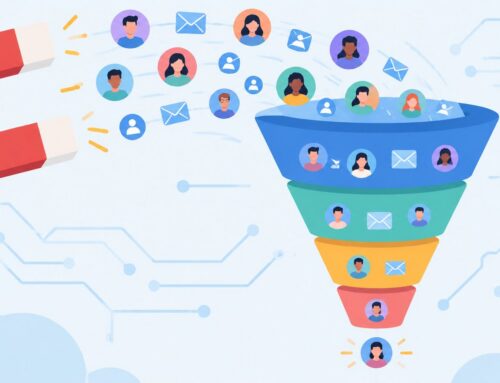
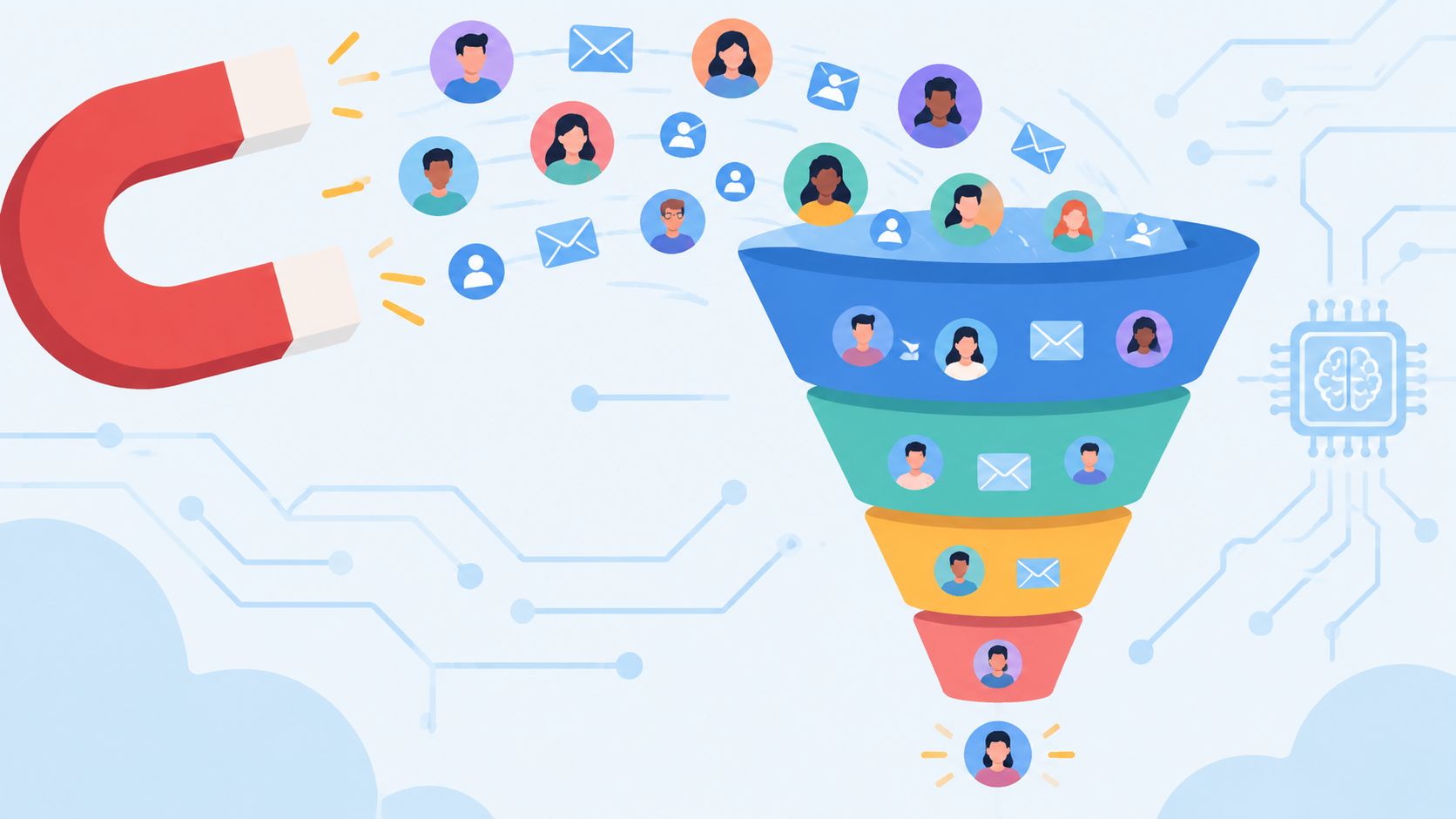
It's a coordinated marketing system that creates awareness, builds interest, nurtures trust, and turns that momentum into pipeline and customers. It doesn't wait for buyers to raise their hands. It helps buyers understand why the problem matters and why your company belongs on the shortlist.
In the community analogy, demand generation is the work of building a place people want to join. You publish useful ideas, host conversations, answer questions, and earn attention before asking for commitment. Some of that attention becomes immediate pipeline. Some pays off later when a buyer enters the market already knowing your name.

Top of funnel awareness and discovery
At the top of the funnel, your job isn't to sell. It's to help the right people notice the problem and associate your brand with insight.
Here, thought leadership, educational blog posts, category explainers, podcast appearances, paid social awareness campaigns, and ungated resources do their work. A CEO often underestimates this stage because the results don't always show up as immediate leads. But demand starts here.
A simple example: if you sell compliance software, a top-funnel asset might explain how regulation changes affect operating risk. It doesn't pitch the product hard. It gives buyers language and urgency.
Middle of funnel engagement and nurturing
The middle of the funnel is where interest becomes intent. Prospects know the problem is real. Now they need help comparing approaches, getting internal buy-in, and understanding tradeoffs.
Useful assets here include:
- Webinars: Good for structured education and live questions.
- Email nurture sequences: Helpful when they continue a useful conversation instead of repeating brochure copy.
- Buyer guides and comparison content: Strong tools for helping committees make decisions.
- Retargeting: A reminder channel, not just a conversion trick.
Demand generation works when each touchpoint makes the next one easier.
Bottom of funnel conversion and qualification
At the bottom, demand capture takes over. Here, demo requests, consultations, pricing conversations, product pages, and sales outreach matter most.
The key confusion for many teams is assuming demand generation only lives at the top of the funnel. It doesn't. It spans the full journey. It starts earlier and thinks more broadly than direct lead capture.
A useful way to frame it is this:
| Funnel stage | Main question from buyer | Marketing job |
|---|---|---|
| Top | Is this problem worth my attention? | Create awareness and relevance |
| Middle | Which approach makes sense? | Educate and nurture |
| Bottom | Why choose this vendor now? | Convert and qualify |
Demand generation is the discipline that keeps those stages connected instead of letting them operate as separate campaigns.
Demand Gen vs Lead Gen vs Inbound Marketing
These terms get mixed together constantly, which creates bad planning. A team says it's doing demand gen when it's really doing lead gen. Or it says it's doing inbound when it means content marketing.
The easiest way to separate them is to ask what each discipline is trying to accomplish.
The short version
Lead generation captures contact information from people who already show interest.
Inbound marketing attracts people through useful content and experiences.
Demand generation is the broader revenue strategy that uses both, plus outbound and paid distribution when needed, to create and convert market interest.
Using the same analogy, inbound is how you attract people to the community. Lead gen is how you register attendees. Demand gen is how you design the whole system so the right people want to join, stay engaged, and eventually buy.
Demand Gen vs. Lead Gen vs. Inbound Marketing
| Discipline | Primary Goal | Key KPIs | Example Tactics |
|---|---|---|---|
| Demand Generation | Create awareness, preference, and qualified pipeline | Pipeline contribution, pipeline velocity, influenced revenue, stage progression | Thought leadership, webinars, paid social, email nurture, ABM, sales-marketing workflows |
| Lead Generation | Capture contact information and identify sales-ready interest | MQLs, SQLs, form fills, conversion rates | Lead ads, gated assets, demo forms, landing pages, retargeting |
| Inbound Marketing | Attract buyers through useful content and discoverability | Organic engagement, content interaction, subscriber growth, lead capture from owned channels | SEO content, blogs, newsletters, podcasts, organic social |
Where companies get confused
The confusion usually starts when teams treat all captured contacts as equal. They aren't. A webinar registrant, a pricing-page visitor, and someone who downloaded a basic checklist may all become leads, but they are not at the same buying stage.
That's why lead gen tactics need context. If your team runs paid social for form fills, a tactical resource like this ultimate guide to lead ads can help with execution. But lead ads by themselves don't create demand. They capture interest from people who are ready to respond.
If demand generation is absent, lead generation ends up fishing in cold water.
A CEO-level decision rule
If your business has weak brand familiarity, long sales cycles, or frequent complaints from sales about lead quality, you don't have a lead volume problem first. You have a demand problem.
Lead generation matters. Inbound marketing matters. But both perform better when demand generation sits above them as the operating strategy.
Core Demand Generation Strategies and Channels
A demand generation program works like building a professional community, not collecting a stack of business cards. Channels matter, but the core job is to help the right buyers recognize a problem, trust your point of view, and stay engaged long enough to act.
That is why isolated tactics disappoint. A webinar without follow-up becomes a one-time event. SEO without useful content brings traffic that goes nowhere. Paid campaigns without sales input may attract attention from accounts sales would never pursue.
Analysts at The Insight Collective's demand generation statistics found that marketers rate content marketing highest among demand generation strategies, with organic SEO and paid advertising following behind. The takeaway is practical. Content gives every other channel something meaningful to distribute, test, and reinforce.

Content is the shared asset
Content sits in the middle of demand gen because buyers need different kinds of help at different moments. Early on, they need language for the problem. Midway through, they need clarity on options, tradeoffs, and likely outcomes. Closer to a decision, they need proof that your company can deliver.
A useful way to organize content is by buying task:
- Problem-framing content: Articles, short videos, research summaries, and point-of-view pieces that help buyers define the issue.
- Decision-support content: Comparison pages, implementation guides, ROI explainers, and FAQs that remove uncertainty.
- Proof content: Case studies, customer stories, product walkthroughs, and onboarding detail that reduce perceived risk.
Many teams gate too early. If every useful asset requires a form fill, you get contact data but lose reach and trust. In community terms, you asked for a badge before the person had a reason to join.
Channels work best as a sequence
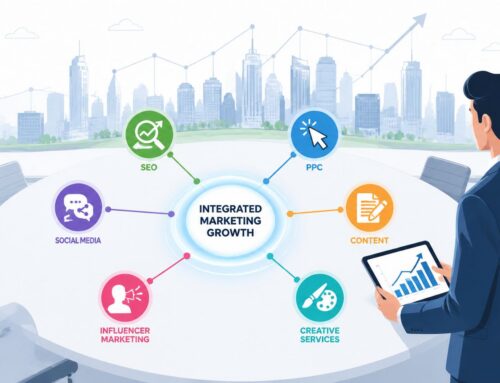
Strong demand gen comes from channel coordination. One channel starts the conversation. Another continues it. A third gives sales a timely reason to engage.
Email and webinars often work well together in B2B, as noted earlier in the article. Email keeps the conversation going over weeks or months. Webinars let buyers hear your thinking in a higher-trust format, often with the nuance that complex purchases require. For teams improving email execution, even small presentation choices affect how messages are received, which makes practical references like subject line capitalization best practices useful.
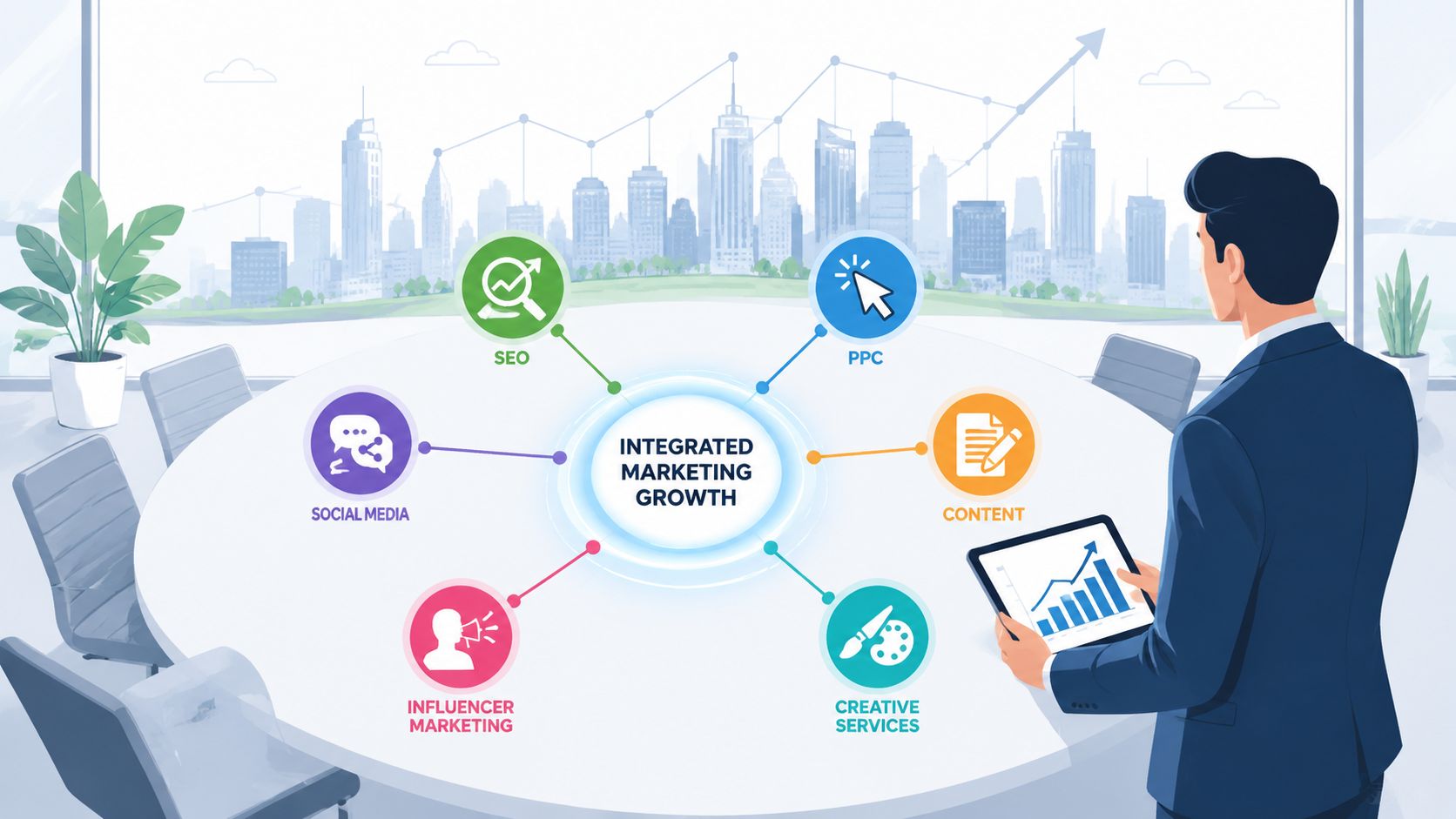
SEO plays a different role. It helps you show up when buyers are actively trying to learn, compare, or justify a decision internally. Social, especially LinkedIn, extends the life of your ideas by putting them in front of buying committees who may never search for your category terms directly.
Paid social and search should usually amplify what already works. If your message has not earned engagement in organic channels, paid budget often scales confusion faster than it scales demand.
ABM is a coordination model
Account-based marketing is often described as a channel, but it works better as an operating model for focus. It helps sales and marketing agree on which accounts matter, what signals count as meaningful engagement, and how outreach should change by buying stage.
This is one of the execution problems many guides mention but do not solve. A practical fix is to define three things before launch:
- Target account tiers: Which accounts get one-to-one treatment, one-to-few campaigns, or broader programmatic coverage.
- Shared engagement signals: Which actions indicate progress, such as repeat visits from multiple stakeholders, webinar attendance from target accounts, or requests for technical content.
- Sales follow-up rules: Who contacts the account, when they do it, and what context they receive from marketing.
Without those rules, marketing builds awareness while sales works a separate list. The result looks busy but feels disjointed to the buyer.
If you want a broader channel-by-channel view, this guide to demand generation strategies for B2B teams lays out how different tactics fit together.
A practical channel mix
For a mid-market B2B company, a focused mix usually beats a wide one.
| Channel | Best use in demand gen | Common execution failure |
|---|---|---|
| Content hub or blog | Build authority and answer real buyer questions | Publishing topics that do not match the ICP or sales conversations |
| Nurture interest and distribute useful follow-up content | Sending product pitches before buyer intent is clear | |
| Webinars | Educate multiple stakeholders at once | Running them like thinly disguised demos |
| Build credibility and reach buying committees in public | Posting inconsistently or without a distinct point of view | |
| Paid social and search | Expand reach for proven messages and capture active demand | Spending before message-market fit is clear |
| ABM programs | Coordinate outreach around priority accounts | Letting marketing and sales use different account lists and triggers |
The goal is reinforcement. A prospect reads a useful article, sees your team discuss the same issue on LinkedIn, joins a webinar, receives a relevant follow-up email, and then hears from sales with context that matches what they already consumed. That feels coherent to the buyer, and coherence is what turns activity into pipeline.
How to Measure Demand Generation Success
Teams often measure demand generation with the wrong scoreboard. They report clicks, impressions, downloads, and followers because those numbers are easy to pull. A CEO cares about whether marketing is helping create revenue.
That means your measurement model has to connect attention to pipeline, and pipeline to closed business.

Start with pipeline, not platform metrics
A better dashboard starts with questions like these:
- How much pipeline did marketing help create?
- Which campaigns influenced deals that progressed?
- Where are prospects stalling between stages?
- How long does it take for opportunities to move?
Hence, pipeline velocity becomes useful. It measures how quickly prospects move through the funnel, and it matters because it shows the combined effect of marketing and sales on revenue movement. The concept is explained well in The B2B Playbook's breakdown of demand generation KPIs.
Boardroom test: If a metric can't help explain pipeline movement or revenue contribution, it belongs lower on the dashboard.
A practical executive view usually includes marketing-sourced pipeline, marketing-influenced pipeline, stage conversion, close rates, customer acquisition efficiency, and customer lifetime value relative to acquisition cost. Not every company needs a complex attribution stack on day one. Every company does need a clear line from campaign activity to pipeline behavior.
The attribution problem most guides skip
Many articles get thin. They say demand generation should tie to ROI, but they don't explain how to do that when buyers engage through multiple touchpoints over time.
Single-touch attribution is rarely enough. If a buyer first reads a blog post, later attends a webinar, then responds to a paid retargeting ad before booking a demo, the journey is shared. Giving all credit to the final click produces bad budget decisions.
That is why teams should document at least three layers of attribution:
- Source of first awareness
- Touches that influenced movement
- Touchpoint closest to conversion
This short walkthrough is useful if your team needs a visual reset on what effective measurement should support.
For teams comparing frameworks, Trackingplan's demand generation insights are a helpful reference point. If you're building a measurement model that connects channel data to business outcomes, this guide on how to measure marketing effectiveness is also relevant.
What to do in practice
If your attribution is messy today, simplify before you sophisticate.
- Use one shared funnel definition: Marketing and sales need the same stage names.
- Track stage dates carefully: You can't calculate movement if entry and exit points are unclear.
- Review influenced opportunities, not just new leads: Demand gen often shows up in deal acceleration.
- Audit reports monthly: Broken UTMs, disconnected CRM fields, and inconsistent campaign naming gradually destroy trust in reporting.
The point of measurement isn't to make marketing look busy. It's to make investment decisions easier.
Putting It All Together A Practical Framework
Most demand generation efforts fail in execution, not theory. The strategy looks fine on a slide. Then marketing chases engagement, sales chases volume, and both teams blame each other when pipeline quality drops.
That tension is common because the goals are often structurally misaligned. As ZoomInfo's demand generation guide notes, successful demand generation requires sales and marketing alignment, yet many companies struggle because sales wants quantity while marketing focuses on quality.

Step one fix the alignment before the channel mix
If sales and marketing disagree on what a good prospect looks like, no campaign architecture will save you. Start with a shared definition of the ideal customer profile and a shared understanding of buying stages.
A simple alignment workshop should answer:
| Question | Marketing input | Sales input |
|---|---|---|
| Which accounts matter most? | Firmographic fit, behavior, channel engagement | Win patterns, deal size, sales cycle reality |
| What counts as qualified interest? | Content consumption, repeat visits, event attendance | Buying signals, urgency, stakeholder access |
| When should handoff happen? | Lead score or stage threshold | Follow-up readiness and SLA expectations |
This doesn't need to be complicated. It needs to be written down.
Step two map the buyer journey as a workflow
Marketing is often planned in campaigns. Buyers experience a sequence.
Map the journey from first touch to closed deal using actual buyer questions. What does someone need to know at awareness, evaluation, and selection? Which assets answer those questions? Which channels distribute them? Where does sales enter?
A useful operational model looks like this:
- Awareness stage: Educational content, category perspective, paid amplification.
- Consideration stage: Webinars, comparison material, retargeting, email nurture.
- Decision stage: Proof assets, pricing context, direct outreach, live demos.
Sales should never receive a lead with no context, and marketing should never hand off a contact without a reason.
Step three choose a narrow channel set
SMB teams often spread themselves too thin. A better approach is to choose a small set of channels you can execute well. For many B2B companies, that means a content hub, LinkedIn, webinar programming, email nurture, and selective paid support.
You do not need a dozen disconnected plays. You need a few consistent ones with clear ownership.
One way to operationalize this is with a structured audit. Some firms build internal templates for this. Others use outside help. For example, ReachLabs.ai offers data-driven digital strategy across channels such as SEO, paid social, SEM, PPC, content creation, and LinkedIn outreach, which fits the kind of cross-functional work demand generation usually requires.
Step four create a closed-loop review cadence
A demand generation system improves when teams review it together. Not just marketing. Marketing and sales.
Run a recurring review around four questions:
- Which assets influenced movement?
- Where are deals slowing down?
- What objections keep showing up in calls?
- Which channels are attracting the wrong audience?
Those answers should reshape messaging, handoff rules, and content priorities. Many companies often stumble here. They launch campaigns, but they don't build the operating rhythm needed to improve them.
A practical demand gen framework is less like a big campaign calendar and more like a management system. Clear ICP. Shared definitions. Focused channels. Consistent review.
Your First Steps in Demand Generation
Demand generation starts with a mindset shift. Stop asking, "How do we get more leads?" Start asking, "How do we create more informed demand from the right buyers?"
If you want to begin today, keep it simple:
- Audit your last quarter of leads: Look at which ones became real opportunities, not just MQLs.
- Meet with sales for one hour: Agree on what qualified interest means and where handoff should happen.
- Choose one education-first campaign: A webinar, guide, or article series that helps buyers understand the problem before asking for a demo.
What is demand generation marketing, in the end? It's the discipline of creating buyer readiness before capture. Companies that do it well don't just collect contacts. They build market preference.
If you're evaluating how to turn demand generation into a working system, ReachLabs.ai can be a useful starting point for strategy, measurement, and cross-channel execution.