
Content marketing is all about creating and sharing helpful, relevant stuff—like articles, videos, or guides—to pull in a specific group of people. It’s not like running a quick ad that disappears once you stop paying for it. Instead, you’re building a long-term asset that keeps working for you, bringing in leads and creating loyal customers down the road.
Why Content Marketing Is a Game Changer for Small Businesses
When you’re running a small business, every penny and every minute counts. You need your marketing efforts to punch above their weight. This is exactly where content marketing shines, especially compared to old-school advertising that can feel like you’re just yelling into the wind and hoping someone hears you.
Think about it like this: traditional ads are like renting a billboard. Your message is up there for as long as you pay the rent, but the second you stop, it’s gone. Content marketing is more like buying a piece of property and building a store. Every blog post, video, or guide you publish becomes a permanent fixture that works for you 24/7, attracting new customers long after it’s created. It’s a real engine for growth, not just a quick boost.
Build Trust Before You Sell
Today’s customers have seen it all. They’re tired of the hard sell and can spot a sales pitch from a mile away. What they really want are businesses they can trust—experts who actually get their problems and offer real help. Content marketing lets you become that trusted expert.
By consistently putting out genuinely useful information, you start building a relationship with people before you ever ask them to buy anything. This solidifies your credibility and makes you the first person they think of when they need help in your area.
A great content strategy doesn’t just push a product; it solves a problem. It creates a community around your brand by showing you know your stuff and you care, which is how you turn casual visitors into die-hard fans.
This trust is pure gold. When someone is finally ready to make a purchase, they’ll almost always choose the brand that’s already given them value and guidance for free.
A Cost-Effective Path to Growth
Let’s be real—most small businesses can’t outspend the big guys on advertising. Content marketing is the great equalizer. It costs a lot less than traditional outbound marketing and, over time, can bring in far more leads. It’s definitely a marathon, not a sprint, but the payoff gets bigger and bigger as you go.
Here’s how it creates a powerful cycle that fuels your growth:
- You attract the right people: Your content acts like a magnet, pulling in folks who are already looking for the exact solutions you offer.
- You guide them along: By answering their questions and solving their pain points, you gently nurture potential customers from “just looking” to “ready to buy.”
- You create brand champions: When customers feel helped by your content, they’re far more likely to share it with others, doing your marketing for you.
At the end of the day, putting effort into content means you’re building a direct line to your audience. You’re creating a library of valuable resources that doesn’t just bring in traffic—it builds real, lasting relationships. It turns what you know into your single greatest marketing tool.
Understanding the Foundations of Content Strategy
At its core, content marketing for small businesses is about generosity. It’s the simple act of providing genuine value and answering your audience’s questions long before you ever ask for a sale.
Forget the hard sell. Instead, picture yourself as a trusted guide, leading potential customers on a journey and offering them exactly what they need at each step. This approach builds something far more valuable than a quick transaction: trust. When you consistently help people solve their problems, you forge a powerful bond—what many call the “know, like, and trust” factor. It’s the bedrock of any lasting business.
Mapping Content to the Customer Journey
Customers don’t just appear out of thin air, ready to buy. They move through a distinct process, and your content needs to meet them at every single stage. We call this the buyer’s journey, which can be broken down into three simple phases.
- Awareness Stage: At this point, the customer has a problem but might not even know what to call it. They’re typing broad questions into Google. Your job is to educate and inform, not to sell. Think blog posts like “5 Signs Your Home Needs New Windows” or a short video explaining common plumbing issues.
- Consideration Stage: Now, the customer has put a name to their problem and is actively researching solutions. This is where you can offer more in-depth content that compares options or showcases your expertise. A detailed guide on choosing the right accounting software or a case study of a successful project would be perfect here.
- Decision Stage: The customer is ready to make a choice. Your content at this final stage should make it incredibly easy for them to pick you. Customer testimonials, free consultations, or product demos that clearly highlight why your service is the best choice are golden here.
Creating content for each stage ensures you have a relevant answer ready, no matter where someone is in their decision-making process.
Choosing the Right Content Formats
Once you understand your customer’s journey, the next step is choosing the right tools—or content formats—for the job. Each format has its own unique strengths. You don’t need to do everything at once! The key is to focus on what aligns with your skills and what your audience actually wants to see.
To help you get started, here’s a look at how different content types fit into the buyer’s journey.
| Matching Content Types to the Buyer’s Journey |
| :— | :— | :— |
| Buyer’s Journey Stage | Customer Goal | Effective Content Types |
| Awareness | Understand a problem or need. | Blog Posts, Social Media Updates, Short Videos, Infographics, Ebooks |
| Consideration | Compare different solutions. | In-depth Guides, Case Studies, Webinars, Comparison Checklists |
| Decision | Validate a specific choice. | Customer Testimonials, Product Demos, Free Trials, Consultations |
This table isn’t about creating a rigid set of rules, but rather a flexible guide to help you think strategically about what you create and why. By aligning your content formats with your customer’s mindset, you make their decision-making process smoother and more intuitive.
Let’s look at a few of the most effective formats for small businesses:
- Blog Posts: These are the workhorses of content marketing. They’re fantastic for SEO, allowing you to answer very specific customer questions and draw in traffic from search engines over the long term.
- Short-Form Video (Reels, Shorts, TikToks): Perfect for grabbing attention quickly. Use them to share behind-the-scenes glimpses of your business, offer quick tips, or just show off your brand’s personality in a fun, authentic way.
- Email Newsletters: This is your direct line for nurturing relationships. Newsletters are ideal for sharing exclusive insights, company updates, and special offers with the people who are already engaged with your brand.
- Case Studies and Testimonials: These are your power tools for the decision stage. They provide “social proof” by showing real-world examples of how you’ve helped others succeed, which builds incredible credibility.
The goal isn’t to master every single format. It’s about choosing one or two that you can produce consistently and well, creating a reliable channel to connect with your audience.
The great news is that you no longer need a massive budget to compete. Digital platforms have leveled the playing field, allowing small businesses to use blogs, social media, and video to build authority just like the big guys.
By combining a deep understanding of your customer’s journey with a smart selection of content formats, you lay a rock-solid foundation. This is a crucial piece of developing the best marketing strategies for your small business and turning your expertise into a real engine for growth.
Developing Your Content Plan on a Realistic Budget
Building a content strategy that actually works doesn’t mean you need a giant marketing team or a blank check. For small businesses, it’s all about being smart and focused. The real secret is doing a few things exceptionally well instead of trying to be everywhere at once.
Think of it like building a house. You wouldn’t start ordering couches before you have a solid blueprint, right? A content plan is your blueprint. It makes sure every single piece of content you create has a purpose and ties directly back to your business goals, saving you a ton of time and money down the road.
Even with a plan, getting real results is tough. It turns out that only 29% of marketers who have a documented strategy feel their efforts are highly effective. Most are just getting by. The common culprits are fuzzy goals, shoddy audience research, and simply not having enough resources. You can beat those odds by locking in a clear, written plan and creating a simple workflow. For a deeper dive, check out these content marketing strategy statistics that unpack the key challenges and opportunities.
Start with Smart Goals and a Clear Audience
Your content strategy needs a destination. Vague ambitions like “get more traffic” are impossible to measure and lead nowhere. Instead, set SMART goals: Specific, Measurable, Achievable, Relevant, and Time-bound. This simple framework turns a fuzzy wish into a concrete target.
For instance, a weak goal is, “I want to grow my email list.” A much better SMART goal sounds like this: “I will increase my email subscribers by 15% in the next three months by publishing two lead-generating blog posts each month.” See the difference?
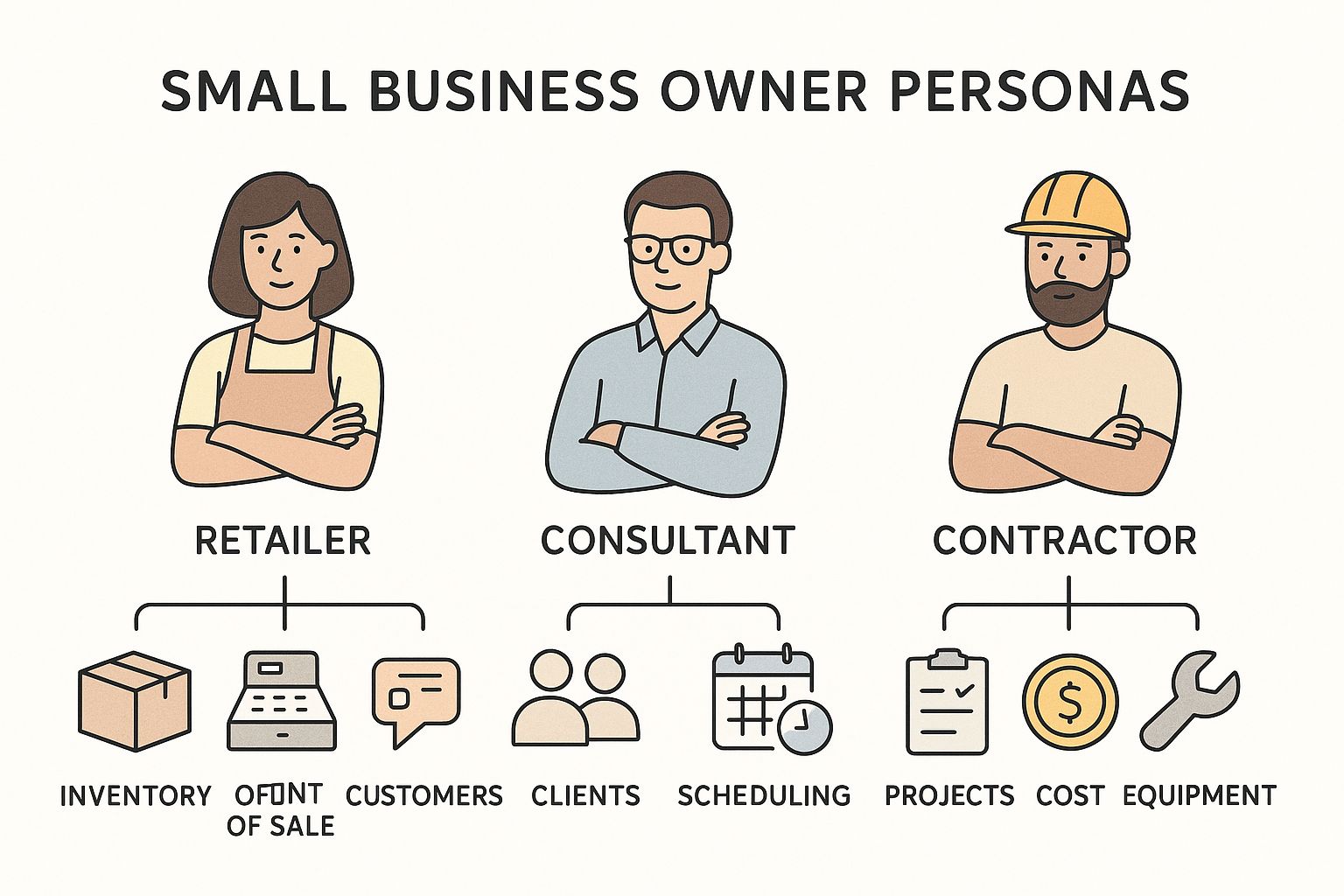
Next, you need to know exactly who you’re talking to. This is where creating simple customer personas comes in, and it’s a game-changer. A persona is just a fictional sketch of your ideal customer—what keeps them up at night, what they’re trying to achieve, and where they go for answers.
A quick persona might look like this:
- Name: “DIY Dave,” a homeowner in his 40s.
- Challenge: He’s tackling weekend home improvement projects and is terrified of making costly mistakes.
- Goal: Find trustworthy, step-by-step guides that are actually easy to follow.
- Where he hangs out online: Watching tutorials on YouTube and reading detailed how-to articles on home improvement blogs.
This simple profile tells you instantly that “DIY Dave” would love your “how-to” videos and in-depth blog posts. No more guessing.
Conduct Keyword Research with Free Tools
Once you know your goals and your audience, you need to figure out what they’re actually typing into Google. Keyword research is how you uncover the exact words and phrases people use when they’re searching for solutions you can provide. Targeting these keywords is what helps the right people find you.
And you don’t need to shell out big bucks for fancy software to get started. There are some incredibly powerful—and free—tools that can give you all the insights you need.
- Google Trends: This is fantastic for seeing how popular a topic is over time. You can spot seasonal trends or jump on emerging interests before they blow up.
- AnswerThePublic: Just type in a broad topic, and this tool spits out a visual map of all the questions people are asking about it. You’ll walk away with dozens of blog post ideas.
- Google Keyword Planner: It was built for advertisers, but it’s a goldmine for finding new keywords and seeing roughly how many people search for them each month.
Your best bet is to focus on long-tail keywords. These are longer, more specific phrases like “how to fix a leaky faucet under the sink.” They have way less competition and are often used by people who are much closer to making a decision, which makes them perfect for any small business serious about content marketing for small businesses.
Choose Your Channels and Create a Simple Calendar
One of the fastest ways to fail is to try to be on every single social media platform. That’s a one-way ticket to burnout and a feed full of mediocre content. A much smarter approach is to start small and scale smart. Pick just one or two channels where your ideal customer actually hangs out and that play to your strengths.
A winning strategy isn’t about doing everything at once. It’s about achieving consistency and quality on the channels that matter most to your audience. This is how you build momentum without getting overwhelmed.
If your audience loves watching video tutorials, fire up a YouTube channel. If they prefer sinking their teeth into detailed articles, focus on making your blog the best in your niche. Once you’ve got a good rhythm going, you can think about expanding.
Finally, get organized with a content calendar. It doesn’t have to be complicated—a basic spreadsheet in Google Sheets is all you need.
Your calendar should track a few key things:
- Publish Date: When is it going live?
- Topic/Title: What’s the headline?
- Target Keyword: What’s the main SEO phrase?
- Content Format: Is it a blog post, video, or something else?
- Status: Is it just an idea, in progress, or already published?
This simple tool takes your strategy from a vague idea to an actionable plan. It keeps you on track, ensures you’re consistent, and takes all the guesswork out of what to do next.
How to Create High-Impact Content That Connects
With your content plan mapped out, it’s time to roll up your sleeves and start creating. This is the fun part—where you turn those strategic ideas into real assets that genuinely help and connect with your audience. And let’s be clear: you don’t need a Hollywood budget or a fancy studio to do this well. Your greatest tool is your own expertise and authentic voice.
The goal isn’t just to churn out content for the sake of it. We’re aiming to craft pieces that solve real problems, tell stories that stick, and build a lasting relationship with your customers. It’s all about showing up as the expert you already are and sharing what you know in a way that feels helpful and human. This is truly the heart of effective content marketing for small businesses.
Your Expertise Is Your Greatest Content Asset
Big brands might have deeper pockets, but they can’t replicate your personal experience or your unique perspective on your industry. That’s your superpower. Instead of trying to create generic, watered-down content that sounds like everyone else, lean into what makes you different.
Share your point of view. Tell stories about your journey—the wins and the lessons learned. Offer advice that’s rooted in the real-world challenges you’ve navigated. Authenticity builds trust in a way that polished, corporate-speak never can.
Don’t just tell your audience what you do; show them how you think. Your unique viewpoint on your industry is what will make you stand out and get noticed. It turns your content from a simple commodity into a valuable, one-of-a-kind resource.
Think about it: what are the questions your customers ask you every single day? That’s pure content gold. Each question is a direct signal of what your audience is struggling with, giving you a ready-made list of topics for your next blog post, video, or social media update.
Mastering the Art of Storytelling
Facts tell, but stories sell. While data and figures are important, it’s the stories that people remember and connect with on an emotional level. This makes your message more relatable and much harder to forget. Every small business has a story—your founding mission, a customer’s big win, or even a mistake that taught you a valuable lesson.
Here’s a simple framework to weave storytelling into your content:
- Introduce a Relatable Character: This could be a customer (like “DIY Dave” from our earlier example) or even yourself.
- Present a Clear Conflict: What problem or challenge is the character facing? This should directly mirror the pain points of your ideal customer.
- Show the Journey to Resolution: How was the problem solved? Walk through the steps taken and the “aha!” moments along the way.
- End with a Takeaway: What’s the core lesson your audience can take and apply to their own situation?
Using this structure can turn a dry case study into a compelling journey or transform a simple how-to guide into an empowering story of success.
Work Smarter with the Hub and Spoke Model
Creating great content takes time and energy, so you need to make every piece work as hard as possible for you. The hub and spoke model is a brilliant strategy for this. The idea is to create one big, cornerstone piece of content (the “hub”) and then break it down into many smaller pieces (the “spokes”) to share across all your different channels.
This approach squeezes every last drop of value out of your efforts and keeps your message consistent everywhere you show up. You can explore all kinds of content marketing best practices to get the most out of every asset you create.
Here’s what this looks like in action:
- The Hub: A massive, in-depth guide on your blog, like “The Ultimate Guide to Container Gardening for Beginners.”
- The Spokes:
- Blog Posts: Turn each chapter of the guide into its own standalone post (e.g., “Choosing the Right Soil for Your Containers”).
- Social Graphics: Design an infographic summarizing the “Top 5 Easiest Vegetables to Grow in Pots.”
- Short Videos: Film a quick tutorial showing how to properly drill drainage holes in a pot.
- Email Newsletter: Send out a weekly tip series pulled directly from the main guide.
- Checklist: Create a downloadable “Container Garden Shopping List” PDF to offer as a lead magnet.
This model lets you generate a month’s worth of content from a single, concentrated effort. It saves you an incredible amount of time while giving your audience valuable information in all the formats they love.
Getting Your Content in Front of the Right People
You’ve just poured your heart and soul into creating a fantastic piece of content. That’s a huge win, but it’s only the first step. If that brilliant article or video just sits on your website, it can’t do its job of building trust and attracting customers. Now for the really important part: getting it seen.
This is what we call amplification—the art of actively pushing your content out to the people who need to see it most.
Think of it like this: you’ve just baked the most delicious cake. Amplification is like setting up a beautiful stand at the local market, offering free samples, and telling everyone who walks by how amazing it tastes. Without that effort, only a few lucky people who stumble upon your kitchen will ever know. The same is true for your content.

Start with On-Page SEO
Search engine optimization (SEO) is your long-game. It’s the foundational work you do to make sure Google shows your content to people who are actively searching for your expertise. You don’t need to be a tech genius to get started; a few simple on-page tweaks make a world of difference.
- Keyword Placement: Naturally weave your main keyword into your title, your first paragraph, and a couple of subheadings. This is a clear signal to search engines about what your page is about.
- Descriptive URLs: Keep your URLs clean and descriptive. Something like
yourwebsite.com/how-to-choose-paintis far more effective than a jumble of numbers and letters likeyourwebsite.com/p?123. - Compelling Meta Descriptions: This is the little blurb under your title in Google search results. Write a punchy, 155-character summary that makes someone think, “I need to click on that!”
These small steps are cornerstones of any good content marketing for small businesses plan and will help you build a steady stream of organic traffic over time.
Look Beyond Search Engines for Distribution
While SEO builds momentum for the future, you also need strategies that get eyes on your content right now. This means meeting your audience where they already are.
Your email list is your secret weapon here. These are people who have already given you permission to talk to them. When you publish something new, your email subscribers should be the very first people you tell.
Your email list is a direct line to your most loyal followers. You’re not at the mercy of some mysterious social media algorithm—you land right in their inbox. This is the best way to drive that crucial first wave of traffic and engagement to new content.
Another great tactic is to jump into relevant online communities. Find the Facebook groups, forums, or LinkedIn communities where your ideal customers are asking questions. The key is not to just spam your link. Instead, become a helpful member, answer questions, and only share your content when it’s the perfect solution to someone’s problem.
Use Social Media and Partnerships to Widen Your Reach
Social media is the perfect place to share the “spokes” you created from your main “hub” content. Chop up your core piece into bite-sized nuggets that work for each platform. That could mean a quick video tip for Instagram, a thought-provoking poll for LinkedIn, or an interesting graphic for Facebook.
Finally, don’t forget about the power of local connections. Team up with other small businesses in your area who serve a similar audience but aren’t direct competitors. A simple cross-promotion in each other’s newsletters or a shout-out on social media can introduce your brand to a whole new group of people who are likely to be interested in what you do. It’s a simple, powerful way to amplify your efforts.
How to Measure Content Marketing Success and ROI
You’re pouring time, energy, and maybe even a bit of your budget into creating content. But is it actually working? If you’re not measuring your results, you’re essentially just guessing. Measuring your success is what transforms your content from a hopeful shot in the dark into a predictable growth machine for your business.
The good news? You don’t need a PhD in data science to figure this out. For most small businesses, a few key numbers can tell you the whole story. The goal is to draw a straight line from your content to real business results, so you can see your return on investment loud and clear.
Key Metrics That Actually Matter
It’s easy to get lost in a sea of data. Instead of trying to track every single click and view, focus on the metrics that truly reveal what your audience is thinking and doing. A free tool like Google Analytics is more than enough to get started.
Here are the core numbers every small business owner should have their eyes on:
- Website Traffic: This is the most fundamental sign of life. Are more people showing up to your site after you publish a new blog post? Keep an eye on Unique Visitors and Pageviews to see if your audience is expanding.
- Time on Page: This metric tells you if your content is genuinely interesting. If people are sticking around for several minutes to read your article, that’s a huge thumbs-up. It means you’ve created something valuable that’s captured their attention.
- Conversion Rate: This is where your content starts making you money. A “conversion” is any specific action you want a visitor to take—signing up for your newsletter, downloading an ebook, or filling out your contact form. It’s the moment a reader becomes a lead.
Keeping tabs on these figures helps you see which topics hit home with your audience. That insight allows you to double down on what’s working and tweak the stuff that isn’t.
Measuring content isn’t just about counting clicks; it’s about understanding behavior. It tells you if you’re not only attracting an audience but also keeping them engaged and moving them closer to becoming a customer.
Calculating Your Return on Investment
Figuring out the ROI of content marketing can feel a bit fuzzy at first, but it’s absolutely crucial for proving its worth. One of the biggest perks of content is how cost-effective it is. In fact, studies show that content marketing can cost 62% less than traditional marketing tactics while bringing in around three times as many leads. To see more data on its financial impact, you can read about content marketing statistics that matter.
To get a basic idea of your ROI, just compare what you spent to create the content (your time, any software, etc.) against the value of the leads or sales it produced. If you want to go deeper, we’ve put together a full guide on calculating the ROI of content marketing. This data-driven approach is what lets you make smarter decisions, prove your strategy is valuable, and invest confidently in the content that will actually grow your business.
Common Questions About Content Marketing for Small Businesses
Jumping into content marketing can feel like a big step, and it’s totally normal for it to spark more questions than answers. Most small business owners I talk to have the same worries: how much time will this take, can I afford it, and when will I actually see a return?
Let’s tackle these common hurdles head-on.
How Much Time Does It Really Take?
When you’re just starting out, a good baseline is to set aside 4-6 hours per week for your content. This isn’t just about writing or recording; that time needs to cover brainstorming ideas, creating the actual piece, and—this is the part most people forget—promoting it.
Remember, consistency beats intensity every time. One genuinely helpful, high-quality blog post is worth far more than five rushed, forgettable articles. A content calendar is your best friend for staying on track, and learning how to repurpose your best content will be the ultimate time-saver.
Should I Do It Myself or Hire Someone?
Honestly? Many business owners are the best people to handle their own content marketing for small businesses, at least at first. Nobody knows your industry and your customers like you do.
The trick is to play to your strengths. If you’re a natural writer, start with a blog. If you’re more comfortable talking than typing, fire up your phone’s camera and create short videos. You don’t have to be a master of everything.
And you don’t have to do it all alone. Think about outsourcing the tasks you dread or aren’t good at. You can easily find freelancers for things like graphic design or video editing. Only consider hiring a full-time employee or an agency once you’ve got a system that works and you’re ready to really scale things up.
Content marketing is a long-term investment, not an overnight fix. While you might see early signs of engagement, expect it to take 6 to 12 months of consistent effort to see significant results in organic traffic, lead generation, and search rankings.
Think of every article you publish or video you post as a digital asset that works for you 24/7, building value over time. Patience and persistence aren’t just virtues here—they’re the essential ingredients for turning your content into a growth engine for your business.
At ReachLabs.ai, we build the strategies that get you noticed. Our team of specialists integrates data-driven insights with creative execution to build a powerful voice for your brand. Learn how we can help your business thrive.