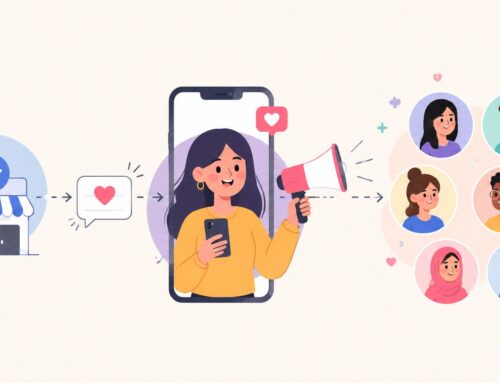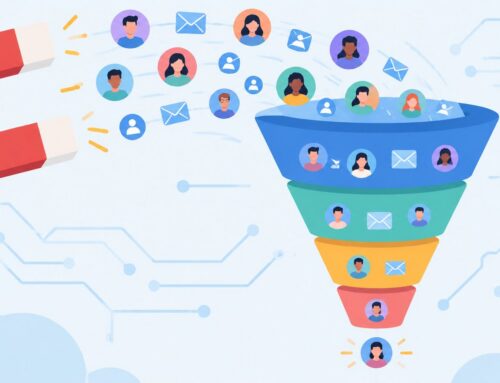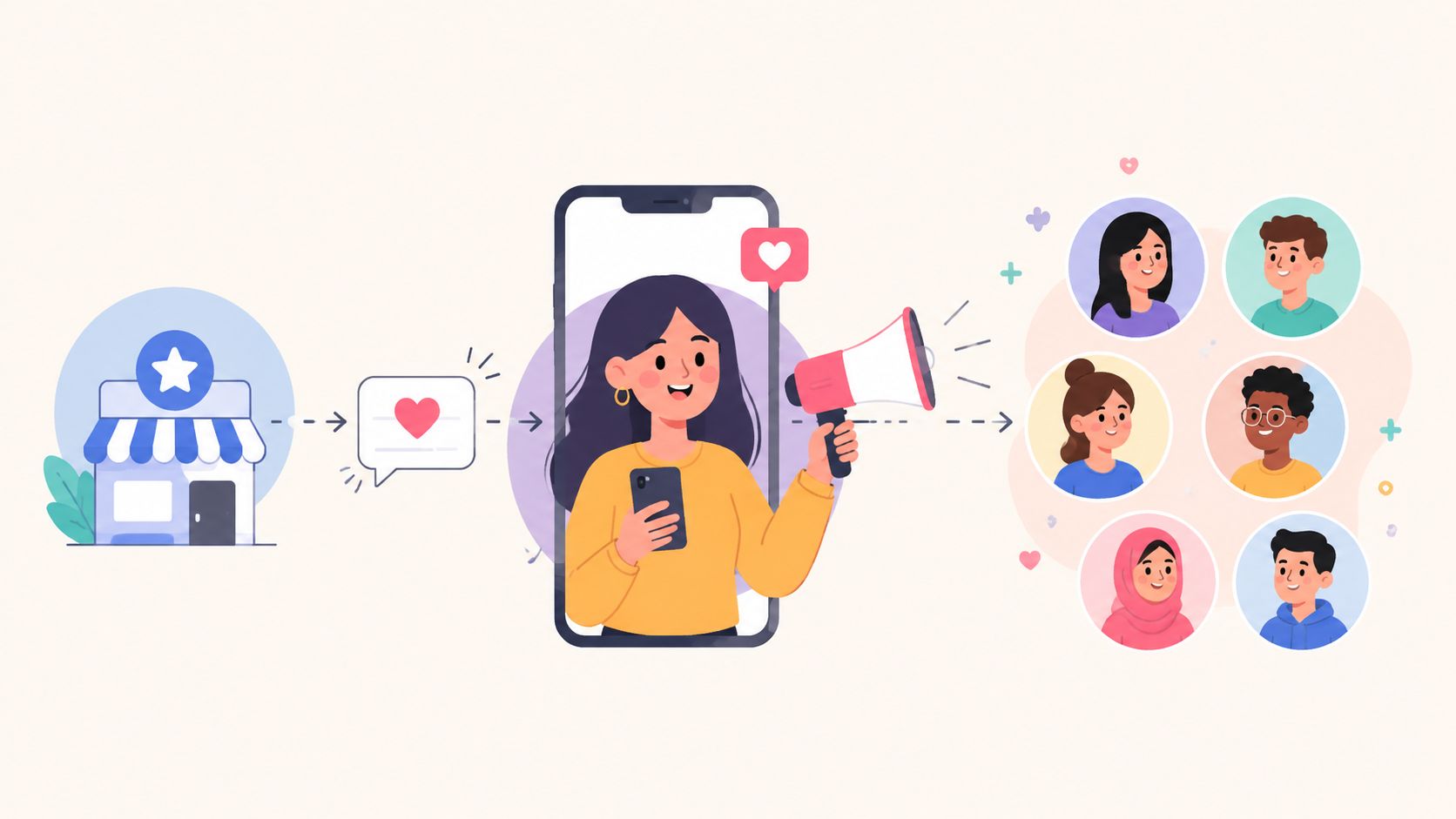
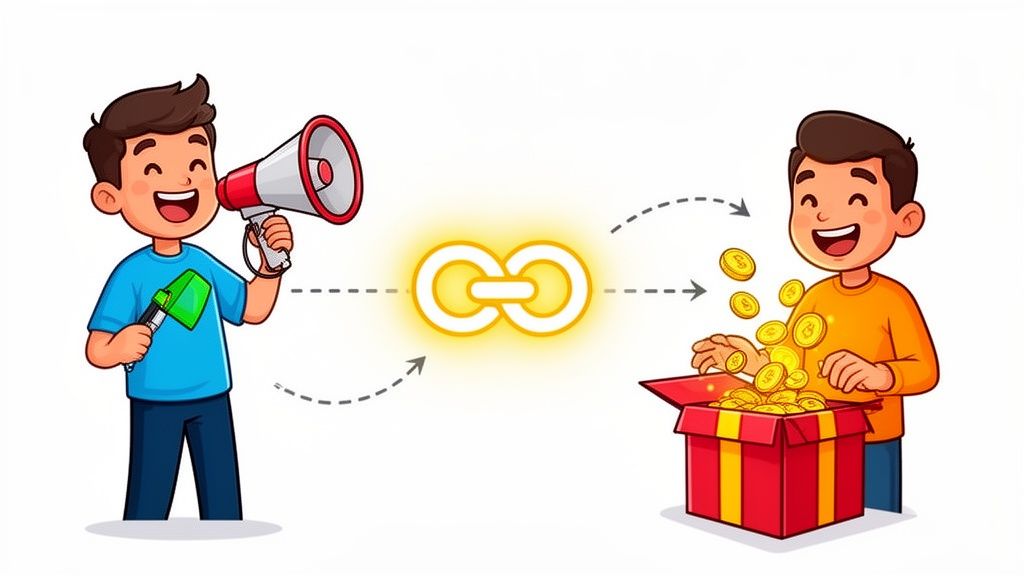
Referrals aren't just another marketing channel—they're word-of-mouth on steroids. Think of it as giving your happiest customers a megaphone and a great reason to tell everyone they know about you. At its heart, the entire system runs on one simple, powerful concept: trust.
Why Do Referrals Work So Well?
Before we get into the mechanics of a referral program, it’s worth taking a moment to understand why they’re so incredibly effective. A recommendation from a friend or a respected colleague completely bypasses the skepticism we all naturally have towards advertising. It lands with a pre-installed layer of social proof and genuine belief.
This simple dynamic is what makes referrals such a powerful engine for any business, delivering high-quality customers (and talent) who tend to be more loyal and stick around longer. And this isn't just for acquiring new customers, either.
The Power of Trust in Hiring
Employee referrals are a perfect illustration of this principle in action. While only 6% of all job applications come from referrals, they are responsible for a massive 37% of all hires.
That’s a huge disparity, and it’s because referred candidates are essentially pre-vetted by someone who already gets the company culture and the demands of the role. The result? These candidates are a staggering 15 times more likely to get hired.
The magic of a referral is that it transfers trust. When someone we know vouches for a product or company, their credibility rubs off on that brand, making us far more likely to listen and take action.
This transfer of trust kicks off a simple but powerful cycle. It’s an especially effective strategy for smaller companies, which is why we often recommend creating referral programs for small businesses to build an initial base of loyal, high-value customers.
The Referral Cycle At a Glance
So, what does this look like in practice? The whole process involves three key players, each with a distinct role and action.
| Participant | Role | Key Action |
|---|---|---|
| Advocate | The existing, happy customer or employee. | Shares a unique link or code with their network. |
| Friend | The potential new customer or applicant. | Uses the referral link to make a purchase or apply. |
| Company | The business running the program. | Tracks the conversion and rewards both parties. |
Once the "Friend" completes their action, the loop is closed. The company validates the referral, the rewards are sent out, and you now have a new customer who is likely to become an advocate themselves.
The Mechanics of a Referral Program
To really get how referrals work, you have to look under the hood. For a customer, a great referral program feels almost invisible—a simple, rewarding way to share a brand they love. But behind that smooth experience is a carefully engineered system designed to turn everyday word-of-mouth into a predictable growth engine.
Every referral story has three main characters:
- The Advocate: This is your happy customer, the one who’s ready and willing to vouch for you.
- The Friend: A potential new customer who trusts the Advocate’s opinion more than any ad.
- The Reward: The crucial incentive that nudges both the Advocate to share and their friend to give you a try.
These three elements are the foundation of the entire system. It’s a model built on genuine relationships, which sets it apart from other performance marketing channels. For instance, while a good affiliate program definition shows how partnerships can fuel sales, referral marketing is powered uniquely by personal trust between two people.
The Step-by-Step Referral Flow
So, what does this look like in action? The journey from a happy customer to a new one is a clean, repeatable loop. It's a self-powering cycle that, when done right, just keeps on going.
- A Great Experience: It all starts here. Without a customer who is genuinely happy with your product or service, you have nothing to build on. This is the non-negotiable first step.
- The Invitation: Your customer is invited to join the referral program. This often happens right after a purchase, in a follow-up email, or through a prompt in their user account. They get a unique referral link or code that’s tied directly to them.
- The Share: This is the magic moment. The Advocate shares their link with friends or family via text, email, or social media. They're not just sharing a link; they're lending their credibility to your brand.
- The Friend Takes Action: The friend clicks the link, lands on your site (maybe with a welcome discount already waiting), and makes a purchase or signs up.
- Tracking and Rewards: This is where the tech comes in. Your referral software tracks the sale back to the original Advocate. Once the purchase is confirmed (and clears any refund windows), the system automatically sends the promised rewards to one or both of them.
This simple cycle shows how the Advocate’s action directly builds the trust a new customer needs to make a purchase.

Ultimately, the entire system hinges on two things: making it incredibly easy to share and ensuring the tracking is flawless. If an Advocate has to jump through hoops or their reward never shows up, trust in the program evaporates, and the whole loop breaks down.
What’s the Right Carrot to Dangle? Choosing an Incentive That Actually Works
Let's get one thing straight: the right incentive is the heart and soul of your referral program. It’s what turns a happy customer into someone who actively goes out and tells their friends about you. But this isn't about just throwing money at people.
The perfect reward has to feel valuable, make sense for your brand, and most importantly, make the act of sharing feel good. Your first big decision is figuring out who gets the reward.
Should You Reward One Person, or Both?
This is the classic one-sided versus two-sided incentive debate, and it’s a crucial one.
A one-sided incentive is just what it sounds like—you only reward one person, typically the existing customer (the Advocate) for sending you new business. It’s simple, but it can sometimes make the Advocate feel like they’re just trying to profit off their friend.
On the other hand, a two-sided incentive gives a reward to both the Advocate and their referred Friend. This is almost always the way to go. Why? Because it completely changes the dynamic. The Advocate isn’t just selling anymore; they’re gifting a special deal to a friend. This feels way more natural and less transactional.
Think about it. We know from Nielsen data that 88% of people trust recommendations from people they know. A two-sided model leans right into that trust by making the whole experience a win-win.
When an Advocate can give their friend a discount, the referral stops feeling like a sales pitch and starts feeling like a gift. They get to be the hero for hooking their friend up with a great deal, which makes them far more likely to share.
Of course, deciding who gets rewarded is only half the battle. You also have to figure out what the reward should be.
Comparing Referral Incentive Models
Choosing between a one-sided or two-sided model depends on your margins, your product's appeal, and the social dynamics you want to encourage. While two-sided models are often more powerful, understanding the trade-offs is key.
Here’s a quick breakdown to help you decide which structure fits your business best.
| Incentive Model | Pros | Cons | Best For |
|---|---|---|---|
| One-Sided | Simpler to set up and manage. Lower cost per acquisition since you're only paying out one reward. | Can feel self-serving for the Advocate, which might reduce sharing. The Friend has less motivation to convert. | High-margin products or services where the value proposition is so strong that the Friend doesn't need an extra push. |
| Two-Sided | Creates a powerful "gifting" dynamic. Leads to much higher share rates and conversion rates for the Friend. | Higher cost per acquisition because you're rewarding two people. Requires a bit more to manage. | The vast majority of businesses, especially e-commerce, SaaS, and subscription services where creating a community feel is important. |
Ultimately, a two-sided incentive tends to create a more viral and sustainable loop. By making both people happy, you’re not just acquiring a new customer—you’re reinforcing the loyalty of your existing one.
Matching the Reward to Your Business
Once you’ve settled on the structure, it’s time to get creative with the rewards themselves. Cash is an option, but it’s far from the only one. The best incentive will depend entirely on what your customers find valuable.
Here are some of the most effective reward types we see working right now:
- Discounts: The classic "Give 20%, Get 20%" is popular for a reason. It's easy to understand, directly valuable, and gives the Advocate a great reason to come back and shop again.
- Store Credit/Account Credit: This is a brilliant move for most businesses because it’s often the most cost-effective option. You're rewarding Advocates with credit they can only spend with you, which is a fantastic way to drive repeat business and boost their lifetime value.
- Exclusive Features or Content: If you're a SaaS company, this is a goldmine. Offering early access to a new feature, unlocking a premium tool for a month, or even providing a free month of service can be a huge motivator with a very low hard cost.
- Cash Rewards: Don’t rule out cash completely. While it feels more transactional, it can be a powerful driver for high-value products or services (think mattresses or financial products) where the customer acquisition cost is high enough to justify it.
For example, an e-commerce brand selling apparel will almost certainly do better with a store credit system. But a software company might get more mileage out of offering an extra month of subscription service.
The goal is to find that sweet spot—an incentive that doesn't just trigger a referral, but also deepens the customer's relationship with your brand.
How Referral Tracking Actually Works

From the outside, a great referral program looks like magic. A friend shares a link, someone makes a purchase, and poof—a reward appears. Simple, right?
But behind that seamless experience is a robust tracking system. This is the engine that connects the dots, ensuring every single referral is accurately credited and rewarded. Without solid tracking, you're just throwing rewards into the wind and hoping for the best.
Think of it as a digital breadcrumb trail. When one of your customers (the advocate) shares your brand, your referral software drops a unique breadcrumb. This trail leads directly from their share to their friend's purchase, making the connection undeniable. Getting this right is non-negotiable for proving ROI and keeping your advocates happy.
So how is this trail created? It’s not magic, but it is methodical. There are three main ways referral software connects the advocate to the new customer.
The Digital Breadcrumb Trail
These are the most common and reliable methods for making sure credit goes where it's due. Each works a bit differently, but they all solve the same fundamental problem: connecting the share to the sale.
Unique Referral Links: This is the gold standard for a reason. When a customer joins your program, the software generates a special URL just for them. When a friend clicks that link, a cookie is placed on their browser, flagging them as having come from that specific advocate. When they eventually buy, the cookie tells your system who to thank.
Unique Referral Codes: Sometimes, a link just isn't practical. Think of someone sharing a recommendation in a podcast or during a conversation. A unique code, like SARAH-20, is easy to remember and can be typed in at checkout. The system recognizes the code, applies the discount, and credits Sarah for the new customer.
Email Matching: This one is a bit more old-school. It works by asking the new customer to enter their friend's email during checkout. The system then plays matchmaker, looking up that email in its database of advocates to credit the right person. It's less common today because it relies on the new customer remembering and correctly typing the email.
The real power of dedicated referral software is that it automates this whole chain of events. It creates the links and codes, tracks the entire customer journey (even across different devices), and triggers the reward payout without anyone on your team lifting a finger.
Ultimately, these tracking methods are the bedrock of a program people can trust. They provide the clear-cut attribution you need to measure what's working and ensure both the advocate and their friend get the rewards they earned. This turns the "black box" of word-of-mouth into a transparent, measurable growth channel.
Measuring the True ROI of Referrals
So, you've got your referral program up and running. The shares are coming in, and new sign-ups are trickling through. But is it actually working? How do you prove to your boss—and yourself—that this is more than just a feel-good initiative?
Measuring the real return on investment (ROI) means digging deeper than surface-level stats. It’s about connecting the dots between a referral and your bottom line. The video below is a great primer on thinking about ROI in a way that truly reflects your marketing efforts.
The story of referral ROI isn't a one-and-done transaction. It unfolds over the long haul, revealing the incredible, sustained value a referred customer brings. That's where you see the magic happen. For a deeper dive into the numbers, learning How to Calculate Marketing ROI and Prove Your Real Impact is a skill that will serve you well.
Looking Beyond Basic Conversion Rates
To get the full picture, you need to track a few key metrics. Think of these as the vital signs of your referral program, telling you what’s healthy and what needs attention.
Here are the foundational KPIs I always start with:
- Participation Rate: First things first, what percentage of your customers have even joined the program? If this number is low, you don't have a problem with your incentives; you have a problem with awareness or promotion.
- Share Rate: Of the people who signed up, how many are actually sharing their links? This is a direct measure of how compelling your offer is. If people join but don't share, the reward might not be motivating enough.
- Referral Conversion Rate: This is the moment of truth. What percentage of friends who click a referral link actually make a purchase? This metric tells you how effective your friend's incentive is and how much trust is being transferred from your advocate.
These numbers give you a great snapshot, but they don't tell the whole financial story. The most important metric goes much, much deeper.
The ultimate measure of a referral program’s success isn't just the initial sale. It’s the superior Customer Lifetime Value (CLV) that referred customers consistently deliver compared to those acquired through other channels.
The Long-Term Value of Referred Customers and Employees
The real power of referrals—and what gets executives to sit up and take notice—is their ability to attract customers and employees who stick around longer, spend more, and perform better.
This is especially clear in talent acquisition. The data doesn't lie: referred hires are simply better hires. Research in the healthcare industry, for example, found that referred employees stay 70% longer than their non-referred peers. Other studies show that companies with formal referral programs boast 46% retention rates, easily beating the 33% rate for companies that rely on career sites alone.
The exact same principle applies to customers. A referred customer isn't just another sale; they are fundamentally a better, more profitable acquisition. They are cheaper to acquire, more loyal, and spend more over their lifetime.
When you track the CLV of customers from referrals versus those from paid ads or organic search, you start to see the undeniable business case. This is where understanding different measurement models becomes crucial. Having a solid grasp of what revenue attribution is helps you draw a straight line from your referral efforts to the revenue they generate.
Launching Your First Referral Program

Alright, enough with the theory. Let's get our hands dirty and build your first referral program. Putting a plan on paper is one thing, but bringing it to life is where you’ll see the real results. The good news? You can design a system for success from day one by following a clear roadmap.
It all starts with defining what winning looks like for you. Are you trying to boost new customer sign-ups by a certain number, or is the bigger prize lowering your customer acquisition cost? Getting crystal clear on your goals isn't just a suggestion; it's the foundation of your entire program. Without specific, measurable targets, you’re just guessing.
With your goals locked in, the next piece of the puzzle is finding your advocates. These are the people who already love what you do and are just waiting for a reason to shout about it. Dig into your data to find customers with high satisfaction scores, a history of repeat purchases, or those who've already left you a glowing review. These are your future super-fans.
Crafting an Irresistible Offer
Once you know who you’re talking to, it's time to give them something worth talking about. As we touched on earlier, a two-sided reward is almost always the strongest play. It transforms the referral from a selfish act into a genuine gift, which makes your advocate feel great about sharing.
Your offer needs to be:
- Simple to Understand: "Give 20%, Get 20%" is a classic for a reason. It's direct, and the value is obvious in a split second.
- Genuinely Valuable: The incentive has to be compelling enough to spark action from both your current customer and their friend.
- Easy to Redeem: Don't make people jump through hoops. A good system automatically applies the friend's discount at checkout, making the entire experience seamless.
Think of it as creating a win-win that feels generous, not just another transaction. If you want to explore more sophisticated tactics, our guide on how to obtain referrals dives deeper into advanced strategies.
Promoting Your Program for Maximum Impact
Now for the part that trips up so many businesses: promotion. You can't just build a program and expect customers to find it. This is the single most common pitfall, and avoiding it requires a real promotional strategy.
A referral program is not a “set it and forget it” marketing tool. Consistent, multi-channel promotion is the difference between a program that exists and one that delivers results.
Your program needs to be a visible part of the customer journey. Announce the launch with an email campaign, add banners to your homepage, and—most importantly—prompt customers to join right after a purchase. That post-purchase high is the perfect moment to ask for a share. Their excitement is at its peak, and so is their willingness to spread the word.
Your Referral Questions, Answered
As you start piecing together your own referral program, some practical questions always surface. It’s one thing to understand the concept, but it's another to nail the details around rewards, fraud, and software. Let's walk through the questions I hear most often.
How Much Should My Referral Reward Be?
That's the million-dollar question, isn't it? While there's no single magic number, your Customer Acquisition Cost (CAC) is the best place to start.
Think of it this way: if you typically spend $50 on ads to get a new customer, offering a two-sided reward like "Give $15, Get $15" is a fantastic deal for you. You're still coming out ahead financially, and the incentive is strong enough to actually motivate people. The key is to find that sweet spot where the reward feels genuinely generous but remains well below your standard CAC.
How Do I Stop People from Cheating the System?
It's a smart question to ask, and a problem that can definitely crop up as you gain traction. The single best way to protect your program is to use dedicated referral software with fraud detection already built in. These platforms are designed to automatically spot and flag shady behavior, such as:
- Self-referrals: Someone trying to game the system by referring themselves with a second email.
- Suspicious volume: A single person referring dozens of "friends" who sign up but never actually buy anything.
- Link spamming: When someone blasts their referral link all over coupon sites, which completely misses the point of a personal recommendation.
Another simple but powerful tactic is to set a reward delay. Don't pay out the reward the second a purchase is made. Wait until the return or refund window has closed. This simple step ensures you're only rewarding legitimate, lasting sales.
The biggest mistake I see brands make is a lack of promotion. You can build the most elegant referral program in the world, but if you don't consistently tell your customers about it, it will fail.
When Is the Best Time to Ask for a Referral?
Timing is absolutely crucial. The trick is to ask for a referral when a customer is already feeling great about you and their excitement is at its peak.
You're looking for those "magic moments" in the customer journey. Some of the most effective times to pop the question are:
- Right after a purchase: The order confirmation or "thank you" page is prime real estate.
- Immediately after they leave a great review: They've just told you how happy they are—the perfect time to ask them to tell a friend.
- When they buy from you again: A repeat purchase is the ultimate sign of a happy, loyal customer.
By weaving your referral ask into these high-satisfaction moments, it feels less like a request and more like a natural next step. This dramatically increases the odds that they'll not only participate but be genuinely happy to do so.
Ready to turn your happy customers into your most powerful marketing channel? ReachLabs.ai builds and manages data-driven marketing strategies that get results. Discover how our collective of experts can create a referral system that drives real growth for your brand.