Email drip campaigns are the engine of effective marketing automation, methodically guiding prospects from initial contact to conversion and loyalty. While many marketers are familiar with simple welcome emails, the true potential lies in building strategic, multi-touch sequences that respond to user behavior and move them through the customer journey. Moving past basic automation is where real growth happens, but building these complex funnels can be a major challenge.
To fully grasp the power of these campaigns, let's first clarify what is a drip email campaign. At its core, it's a series of automated emails sent to a specific group of people over time, triggered by their actions or a set schedule. The goal is to deliver the right message at the right moment without manual intervention.
This article moves beyond theory to provide a collection of powerful email drip campaign examples you can use as a blueprint. We will break down eight distinct campaigns, covering everything from SaaS free trial conversions to influencer outreach. For each example, you will find:
- The primary campaign goal and target audience.
- A complete sequence overview with timing.
- Sample subject lines and email copy.
- Key metrics to track for success.
- Actionable tips for optimization.
Instead of just showing you what works, we’ll explain why it works. You'll get the strategic framework behind each campaign, empowering you to build automated systems that nurture leads, onboard new customers, win back old ones, and ultimately drive revenue. Let's dive into the specific strategies that turn subscribers into dedicated brand advocates.
1. SaaS Free Trial Conversion Drip Campaign
The SaaS free trial conversion drip campaign is a foundational strategy for turning curious prospects into committed paying customers. This automated email sequence is triggered the moment a user signs up for a free trial. Its primary purpose is to guide them toward their "aha!" moment, demonstrating the product's value so effectively that upgrading becomes a logical next step.

Unlike a generic welcome series, this campaign is highly focused on product adoption and feature education. Companies like HubSpot and Asana excel at this by sending a 7 to 10 email sequence that feels less like a sales pitch and more like a personalized onboarding consultant.
Strategic Breakdown
The core of this strategy is to systematically build value throughout the trial period. The sequence starts by confirming the signup and providing a "quick start" guide. It then progresses to highlight specific features, share success stories, and address common user questions before they even ask. This is one of the most powerful email drip campaign examples because it directly ties email engagement to product usage.
Key Insight: The most successful trial conversion campaigns are behavior-driven. They track user activity (or inactivity) within the software and send targeted messages to encourage deeper exploration of relevant features.
Actionable Takeaways for Your Campaign
- Segment by User Behavior: Track which features users interact with. If a user explores your "reporting" tools, send them an email with advanced reporting tips or a case study about a similar company that improved its ROI with your reports.
- Create Urgency, Not Panic: Send a final offer 2-3 days before the trial expires. Frame it as a "last chance" to lock in their data, settings, or a special discount, creating a smooth transition rather than an abrupt cutoff.
- Incorporate Social Proof: Mid-sequence, introduce a case study or testimonial. Seeing how others have succeeded with your product can be the final push a hesitant user needs. For example, Calendly often shares stories of users who saved hours of scheduling time.
- Focus on the "Why": Don't just list features. Explain the benefits. Instead of saying "Use our team collaboration tool," say "Get your projects done 30% faster by bringing team conversations and tasks into one place."
2. Lead Magnet to Sales Pitch Sequence
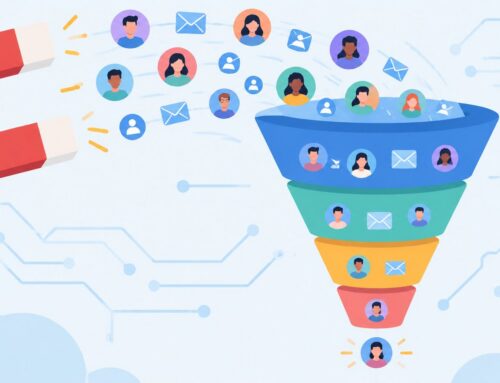
This sequence is a cornerstone of inbound marketing, designed to convert a new lead into a sales-ready prospect. It starts the moment a user downloads a lead magnet like an ebook, whitepaper, or template. The campaign's goal is to nurture this initial interest, build trust by providing more value, and smoothly transition the conversation toward your paid solution.
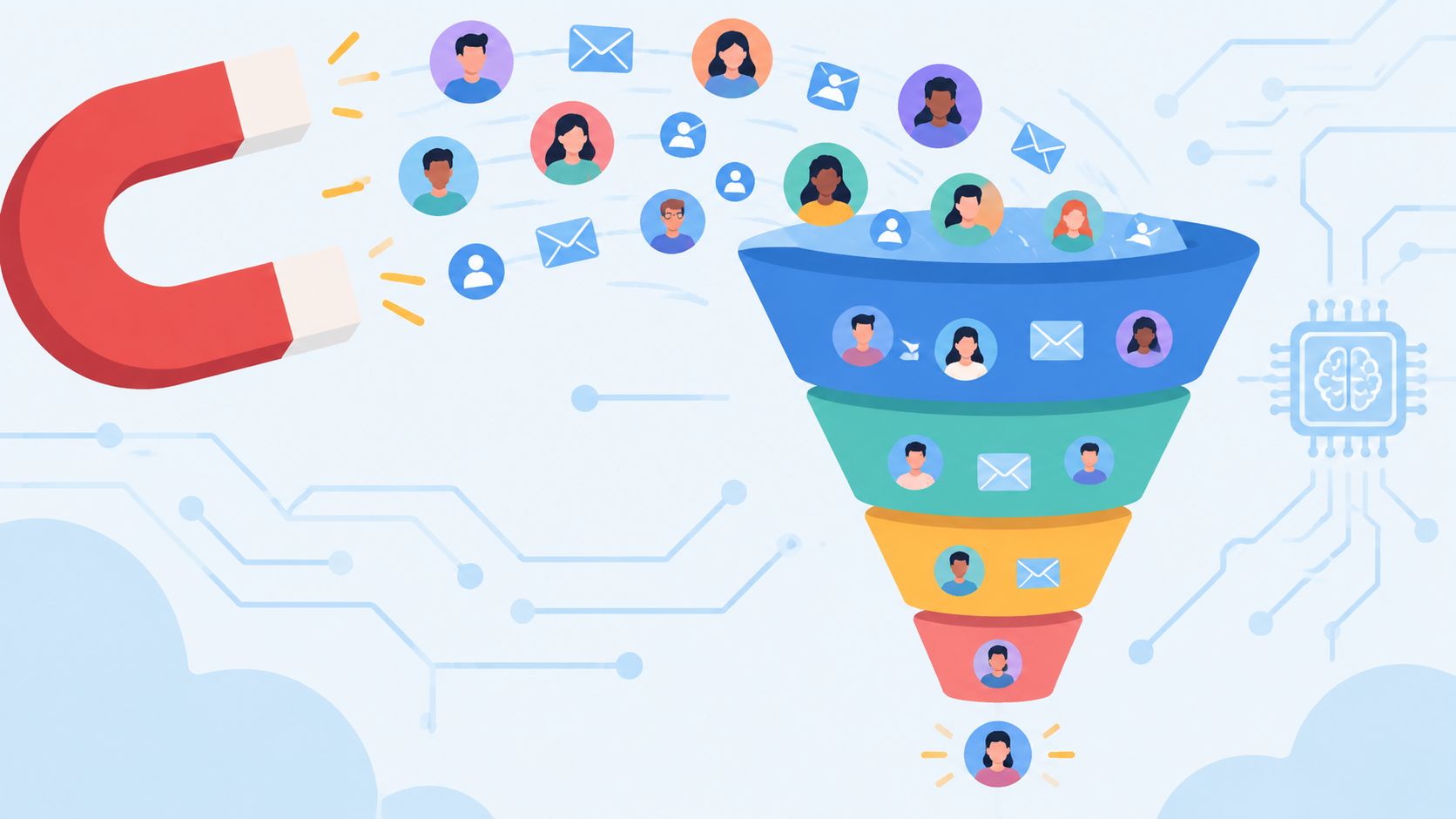
Unlike a simple "thank you for your download" email, this is a strategic 5 to 7 email funnel. It moves the prospect from the awareness stage (acknowledging a problem) to the consideration stage (evaluating solutions). Companies like HubSpot and Copyblogger master this by delivering the promised content and then following up with emails that build on the lead magnet's topic, subtly introducing their products as the ultimate solution.
Strategic Breakdown
The strategy here is to bridge the gap between education and sales. The first email delivers the asset and reinforces the value. Subsequent emails offer related tips, tools, or case studies, positioning your brand as a helpful expert. Only after establishing this trust and authority does the sequence introduce a soft-sell, followed by a more direct sales pitch. This approach is one of the most effective email drip campaign examples because it warms up a cold lead methodically.
Key Insight: The success of this drip campaign depends entirely on the alignment between the lead magnet's topic and the product you're selling. The downloaded content must solve a small piece of a larger problem that your product solves completely.
Actionable Takeaways for Your Campaign
- Deliver and Expand: Your first email must deliver the lead magnet instantly. In the next email, offer a bonus tip or resource that complements the download. For instance, if the lead magnet is a "Social Media Content Calendar," the next email could be "3 Tools to Find Trending Topics."
- Segment for Relevance: Use the lead magnet topic to segment your audience. Someone who downloaded a guide on SEO has different needs than someone who downloaded a template for social media ads. Tailor the follow-up content to their demonstrated interest.
- Introduce a "Bridge" Offer: Before pitching your main product, offer something of intermediate commitment, like a webinar, a free tool, or a case study. This tests their interest level and moves them further down the funnel.
- Focus on the Pain Point: Each email should remind the user of the problem they're trying to solve. Frame your product not as a collection of features but as the definitive solution to that specific pain point, a key tactic in inbound marketing and lead generation.
3. Post-Purchase/Onboarding Welcome Series
The post-purchase or onboarding welcome series is a critical sequence that begins the moment a person becomes a paying customer. Its goal is to validate their decision, combat buyer's remorse, and guide them toward successful use of the product or service. This immediate follow-up is essential for setting the tone of the entire customer relationship.

Unlike a lead nurturing campaign that sells a promise, this sequence delivers on it. Companies like Shopify and Stripe use this method to provide tutorials, setup guides, and best practices, ensuring new users are equipped for success from day one. An effective onboarding series directly impacts customer retention and lifetime value.
Strategic Breakdown
The strategy behind this campaign is to create a structured, supportive onboarding experience that builds user confidence and competence. It starts with a warm welcome and confirmation, then systematically introduces key features, resources, and next steps. For service-based businesses, this is the opportunity to introduce the team, set expectations, and schedule kickoff calls.
Key Insight: The best onboarding series are proactive, not reactive. They anticipate common roadblocks and questions, providing solutions and resources before the customer has to ask. This reduces support tickets and increases satisfaction.
This video from Appcues offers a fantastic look at building an onboarding email sequence that drives user action and reduces churn.
Actionable Takeaways for Your Campaign
- Send the First Email Immediately: Aim to have the first welcome email land in their inbox within minutes of purchase. This reinforces their decision and provides immediate access to necessary information or login details.
- Segment by Product/Service Tier: Create different onboarding paths for different customer segments. An enterprise client will need different resources and a more high-touch approach than a small business on a basic plan.
- Schedule Automated Check-ins: Program emails to send at key milestones like 7, 14, and 30 days. Ask simple questions like "How are things going?" or "Have you had a chance to try [specific feature] yet?" to gauge adoption and identify at-risk customers.
- Introduce a Human Contact: Early in the sequence, provide the name and direct contact information for a dedicated account manager or customer success specialist. This personal touch makes customers feel supported and valued.
4. Re-engagement/Win-back Campaign
The re-engagement or win-back campaign is a strategic effort to reactivate lapsed customers or subscribers. This automated sequence targets users who have stopped engaging with your brand, products, or services for a specific period, typically 60-90 days. Its purpose is to remind them of your value, address potential reasons for their departure, and provide a compelling reason to return.
Unlike standard promotional emails, this campaign is highly personalized and empathetic. Companies like Duolingo and Spotify master this by sending a short, 4-6 email sequence that acknowledges the user's absence and highlights what they’ve missed, such as new features or personalized content, making the invitation to come back feel exclusive and thoughtful.
Strategic Breakdown
The core of this strategy is to rekindle a lost connection without being intrusive. The sequence often starts with a gentle "We miss you" message, followed by emails that showcase new developments, remind users of the benefits they once enjoyed, and sometimes include a survey to gather feedback. This is one of the most cost-effective email drip campaign examples because retaining an existing customer is significantly cheaper than acquiring a new one.
Key Insight: The most effective win-back campaigns are segmented based on past user behavior and tenure. A long-time loyal customer who recently went quiet requires a different message than a user who disengaged after only a few interactions.
Actionable Takeaways for Your Campaign
- Segment Your Inactive List: Don't treat all lapsed users the same. Create segments based on their last purchase date, previous engagement level, or the specific products they used. For example, Lyft often sends targeted ride credit incentives to users who previously commuted frequently.
- A/B Test Your Opening Line: The subject line is critical for getting noticed. Test emotional appeals ("Is this goodbye?") against benefit-driven ones ("Here's what's new since you've been away") to see what resonates with your audience.
- Offer a Meaningful Incentive: A simple discount might not be enough. Consider offering exclusive access to a new feature, a free premium content download, or a personal consultation. This shows you value their return, not just their wallet.
- Ask for Feedback: If a user doesn't re-engage after a couple of emails, send a final message with a short survey asking why they left. This provides invaluable data for improving your product and reducing future churn, even if you don't win them back this time.
5. Educational/Thought Leadership Nurture Series
The educational or thought leadership nurture series is a long-term strategy designed to build trust and establish authority with your audience. Instead of a hard sell, this drip campaign delivers genuine, high-value educational content over several weeks or even months. Its main goal is to position your brand as the go-to expert in its niche, making subscribers reliant on your insights.
This type of campaign is less about immediate conversion and more about creating a loyal following. Pioneers in this space like Seth Godin and Brian Dean of Backlinko use this method to provide consistent value, ensuring their audience is highly engaged and receptive when an offer is eventually made. The content feels less like marketing and more like a free, high-level course.
Strategic Breakdown
The foundation of this strategy is generosity. By giving away your best ideas, frameworks, and insights, you build immense credibility. The sequence is often structured like a mini-course, with each email building on the last to guide the subscriber through a specific topic, from SEO fundamentals to personal finance psychology. This is one of the most effective email drip campaign examples for complex B2B services or high-ticket consulting.
Key Insight: The power of this campaign comes from its consistency and depth. Subscribers don't just get a tip; they get a comprehensive lesson. This builds a powerful sense of reciprocity, making them more likely to invest in your paid products or services down the line.
Actionable Takeaways for Your Campaign
- Own a Niche Topic: Don't try to be an expert on everything. Choose a specific theme, like "email marketing for agencies" or "brand building for startups," and create a 12-week content calendar around it before you launch. This ensures consistency and focus.
- Offer Exclusive Insights: Make your email content unique. Provide data, case studies, or personal stories that aren't available on your blog or social media. This rewards subscribers for being on your list and reduces unsubscribe rates.
- Balance Education with Storytelling: Purely academic content can be dry. Weave in compelling stories and real-world examples to make your lessons memorable. Ann Handley is a master at using storytelling to teach copywriting fundamentals. If you want to learn more, studying how to create engaging content is a great next step.
- Use a Subtle Call-to-Action: While the primary goal isn't selling, you should still guide subscribers toward the next step. End your educational emails with a soft CTA, such as, "If you're ready to apply this, here’s how our consulting service can help," or link to a relevant blog post.
6. Event-Triggered Behavioral Drip Campaign
The event-triggered behavioral drip campaign is a dynamic and responsive email strategy that sends automated messages based on specific user actions. Instead of following a rigid, time-based schedule, this campaign activates the moment a user performs a key behavior, such as visiting a pricing page, downloading a whitepaper, or requesting a demo. Its purpose is to deliver a hyper-relevant message at the exact moment of peak interest.

Unlike a standard welcome series, this approach is entirely context-driven. Companies like HubSpot and Intercom have mastered this by creating workflows that feel like a one-on-one conversation. For example, a user who views a pricing page might receive an email offering a feature comparison guide just hours later, directly addressing their likely evaluation process.
Strategic Breakdown
The core of this strategy lies in its immediacy and relevance. It bridges the gap between a user's action and the company's response, making the communication feel personal and timely. By identifying key behaviors that signal intent, marketers can deploy precise, automated follow-ups that guide prospects further down the funnel. This makes it one of the most effective email drip campaign examples for converting high-intent leads into customers.
Key Insight: Behavioral triggers are powerful because they reflect a user's current mindset. An email sent after a pricing page visit is far more impactful than a generic weekly newsletter because it directly aligns with the user's immediate research and decision-making process.
Actionable Takeaways for Your Campaign
- Identify High-Intent Behaviors: Start by mapping 3-5 key actions that indicate a user is moving from curiosity to consideration. This could be viewing your pricing page, using a specific product feature, or downloading a case study.
- Segment Your Sequences: Don't use a one-size-fits-all approach. A user who downloads an educational ebook requires a different follow-up (more educational content) than someone who requests a demo (sales-focused communication).
- Test Your Timing: Some actions, like a demo request, warrant an immediate email. For others, like visiting a specific blog post, a 24-hour delay can feel less intrusive and more helpful. Test different sending cadences to find the sweet spot.
- Keep the Copy Concise: Behavioral emails are most effective when they are short and to the point. Aim for 100-150 words that directly reference the user's action and provide a clear, relevant next step. For more tips on this, explore these marketing automation best practices.
7. Content Series (3-Part/Mini-Course) Sequence
A content series or mini-course sequence is an educational drip campaign that positions your brand as a trusted authority. Instead of directly selling, this automated series delivers valuable, structured content in installments, usually over 3-6 emails. Its purpose is to teach a specific skill or framework, solving a genuine problem for your audience and building a relationship based on expertise.
Unlike a standard newsletter, this campaign functions like a structured course delivered directly to the inbox. Companies like ConvertKit and thought leaders like Ramit Sethi use this model to educate subscribers on complex topics, from creator-centric marketing to personal finance, establishing goodwill before ever presenting a paid offer.
Strategic Breakdown
The strategy here is to create a sense of progression and accomplishment. Each email builds on the last, taking the subscriber on a defined learning journey. The first email hooks them with a strong benefit statement, and subsequent emails deliver on that promise with high-quality lessons, eventually leading to a soft pitch for a related product or service as the logical next step.
Key Insight: This sequence works because it provides standalone value. Subscribers feel they are receiving premium content for free, which builds reciprocity and makes them more receptive to a sales pitch at the end of the series.
Actionable Takeaways for Your Campaign
- Create a "Learning Loop": Begin each email by briefly recapping the previous lesson and end with a teaser for the next. For example, "In our last email, we covered X. Today, we'll build on that by exploring Y, and next time, I'll show you how to put it all together."
- Include Interactive Elements: Add a small assignment, reflection prompt, or downloadable worksheet in each email. This encourages subscribers to apply what they’re learning, boosting engagement and reinforcing the content's value.
- Structure Your Subject Lines: Use a consistent format for your subject lines to create a sense of a cohesive series, such as "[Mini-Course] Part 1: The Foundation" or "Lesson 2 of 3: The Core Mistake." This helps the emails stand out in a crowded inbox.
- Save Your Best for the Middle: Place your most impactful tip or "aha!" moment in the second or third email. This maintains momentum and ensures subscribers stay engaged through the entire sequence, making this one of the most effective email drip campaign examples for building trust.
8. Influencer/Strategic Partnership Outreach Sequence
The influencer and strategic partnership outreach sequence is a specialized drip campaign designed to initiate and nurture relationships with key individuals or complementary businesses. This automated series of emails is triggered when you add a high-value contact to your outreach list. Its purpose is to move beyond a cold, one-off email and build a foundation of genuine interest before proposing a collaboration.
Unlike mass email blasts, this campaign is low-volume and high-touch, focusing on personalization and value. Experts like Pat Flynn and Russell Brunson have mastered this approach, using a 4 to 6 email sequence that feels less like a pitch and more like a conversation between peers who share a common audience.
Strategic Breakdown
The core of this strategy is to establish credibility and rapport before making an ask. The sequence begins with a short, personalized email that references the contact's specific work, demonstrating genuine familiarity. Subsequent emails offer value upfront, perhaps by sharing the influencer's content or proposing a small, no-strings-attached collaboration, before moving toward a larger partnership discussion. This is one of the most effective email drip campaign examples for scaling high-level business development without losing the personal touch.
Key Insight: The most successful partnership campaigns lead with value, not a request. Before asking for a favor, offer one. By promoting their work or providing a useful resource, you shift the dynamic from a cold pitch to a warm introduction.
Actionable Takeaways for Your Campaign
- Lead with Hyper-Personalization: Your first email must prove you've done your homework. Reference a specific podcast episode, a quote from their book, or a recent project. For example, instead of "I like your work," say "Your recent article on asynchronous communication perfectly aligns with our philosophy at [Your Company]."
- Propose Clear, Tiered Collaboration Ideas: Don't use vague terms like "let's partner." Suggest 2-3 specific ideas, such as a joint webinar, a content swap, or an affiliate opportunity. This makes it easy for them to say "yes" to an option that fits their schedule and goals.
- Make the First Email Short and Sweet: Keep the initial outreach under 100 words. Busy influencers and executives appreciate brevity. The goal is to start a conversation, not to close a deal in the first email.
- Follow Up with a Different Angle: If you don't receive a response after 7-10 days, your follow-up email should offer new information or a different value proposition. For instance, you could share a case study of a past successful partnership or suggest a new, timely collaboration idea.
8-Point Email Drip Campaign Comparison
| Campaign | Implementation Complexity 🔄 | Resource Requirements 💡 | Expected Outcomes 📊⭐ | Ideal Use Cases ⚡ | Key Advantages ⭐ |
|---|---|---|---|---|---|
| SaaS Free Trial Conversion Drip Campaign | High — tracking, segmentation, and onboarding integration required | Marketing automation, product analytics, 7–10 tailored emails, occasional promo budget | ⭐15–30% conversion typical; reduces churn and shortens evaluation time | Product-led B2B SaaS with free trials | Converts trials to paid cost-effectively; builds product familiarity |
| Lead Magnet to Sales Pitch Sequence | Medium — content pipeline + progressive nurturing logic | High-quality lead magnet, landing pages, 5–7 email sequence, list segmentation | 📊 Higher open rates; longer sales cycle (10–14 days); better lead qualification | B2B agencies, consultancies, education/infoproducts | Establishes expertise and trust; naturally qualifies leads |
| Post-Purchase / Onboarding Welcome Series | Medium–High — journey mapping and tiered customization | Customer success resources, onboarding guides, support contacts, 8–12 emails | ⭐ Improves retention/CSAT; reduces support tickets; enables upsell | Service-based firms and subscription products | Lowers churn and accelerates time-to-value; drives advocacy |
| Re-engagement / Win-back Campaign | Low–Medium — segmentation and incentive logic | Modest content, targeted offers/credits, analytics to test messaging | 📊 Reactivation ~5–15% when targeted; cost-effective vs new acquisition | Lapsed users (60+ days), churn recovery programs | Reactivates users cheaply; provides churn insights |
| Educational / Thought Leadership Nurture Series | High — sustained content calendar and editorial rigor | Significant content creation (12–20+ emails), SMEs, research resources | ⭐ Long-term brand authority; slow-to-convert but high LTV leads | Brand building, agencies, coaching, professional services | Builds authority, repurposable content, organic referrals |
| Event-Triggered Behavioral Drip Campaign | Very High — complex triggers, conditional paths, real-time logic | Advanced automation, CRM & analytics integration, engineering support | 📊 Typically 2–3x engagement and higher conversion; better lead scoring | Product/website with rich behavior signals (demo requests, pricing views) | Sends hyper-relevant messages at optimal moments; reduces email fatigue |
| Content Series (3‑Part / Mini‑Course) Sequence | Medium — structured narrative and delivery schedule | High-quality mini-course content, assets/templates, 3–6 emails | ⭐ High engagement; series decay (e.g., 60→40→20%) but strong conversions | Skill-building, mini-courses, short educations to nurture leads | Creates anticipation and deep value; converts via earned credibility |
| Influencer / Strategic Partnership Outreach Sequence | Medium–High — heavy personalization and negotiation | Time for research, tailored pitches, portfolio assets, possible budget for incentives | 📊 Variable ROI; low initial response (5–15%) but high upside if aligned | Partnerships, product launches, audience expansion campaigns | Expands reach exponentially; delivers authentic endorsements and new channels |
Putting Your Drip Strategy into Action
We’ve explored eight powerful email drip campaign examples, from converting SaaS trial users to re-engaging dormant subscribers. Each blueprint provides a strategic framework, but the true power of automated email marketing emerges when you move from theory to thoughtful execution. These examples are not meant to be rigid templates; they are starting points designed for adaptation.
The common thread weaving through every effective campaign is a deep understanding of the customer's journey. Whether it's the excitement of a new purchase, the curiosity of a lead magnet download, or the hesitation of an abandoned cart, your drip sequence must meet the subscriber exactly where they are. Your goal is to provide timely, relevant, and valuable content that guides them naturally toward the next step.
From Inspiration to Implementation
The most common pitfall in email marketing is analysis paralysis. With so many options, it's easy to get stuck planning the "perfect" campaign. Instead, adopt an agile approach.
- Identify Your Biggest Opportunity: Which of the examples aligns with your most pressing business need right now? Do you need more qualified leads (Lead Magnet Sequence), better customer retention (Onboarding Series), or a boost in sales from your existing list (Re-engagement Campaign)? Start there.
- Adapt, Don't Just Copy: Take the structure, timing, and goals from the relevant example, but infuse it with your brand's unique voice, personality, and specific value proposition. Your subscribers signed up to hear from you.
- Build Your Foundational Sequence: Focus on getting one core drip campaign live. It won't be perfect, but a functioning campaign provides real data you can use to improve. A "good enough" sequence that is running is infinitely better than a "perfect" one that exists only in a document.
The Myth of "Set It and Forget It"
A successful drip strategy is a living system, not a static one. Automation handles the delivery, but optimization is a manual and continuous process. Once your campaign is active, your work shifts from creation to refinement.
Constantly monitor your key performance indicators. Low open rates on email #2 of your welcome series might signal a weak subject line. A significant drop-off before your main call-to-action email could mean the preceding content isn't building enough value or trust. For marketers wanting to master the technical setup and flow of these sequences, a deeper look into the architecture of B2B drip campaign workflows can provide essential structural insights.
Key Takeaway: Treat every email in your sequence as a hypothesis. Your open rates, click-through rates, and conversion metrics are the data that proves or disproves it. A/B test subject lines, calls to action, and even the timing between sends to find what resonates most with your audience.
Mastering the art of the drip campaign is about building automated, personalized conversations at scale. It’s the engine that can turn a new subscriber into a loyal customer and a past customer into a repeat buyer, all while you focus on other critical areas of your business. The email drip campaign examples in this guide are your playbook. Now, it's time to get in the game, start testing, and let the results guide your strategy forward.
Ready to implement these powerful drip strategies but need expert execution? The team at ReachLabs.ai specializes in building and managing high-performance automated email campaigns that drive real business results. Stop planning and start converting by visiting ReachLabs.ai to see how we can build your revenue engine.